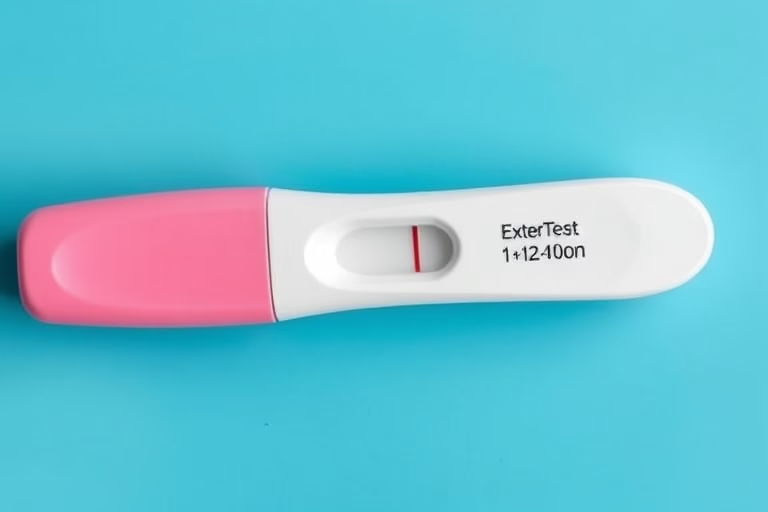
Understanding Implantation Bleeding and Pregnancy Testing
When a fertilized egg attaches to the lining of the uterus, it can cause a light spotting known as implantation bleeding. This event sometimes occurs around the same time a person might expect their menstrual period. Many individuals often wonder, can you take a pregnancy test with implantation bleeding? The short answer is yes, but timing is crucial.
Pregnancy tests detect human chorionic gonadotropin (hCG), a hormone produced soon after conception. Testing too early, even with implantation bleeding, may not yield accurate results. Generally, it’s advisable to wait a few days after the bleeding occurs for more reliable results. Understanding this correlation can help individuals navigate their pregnancy concerns more effectively.
What is Implantation Bleeding?
Implantation bleeding is a light discharge that can happen when the embryo implants itself into the uterine lining. It is often mistaken for a light period but is usually shorter and less heavy. Symptoms can include a pink or brownish color and a duration of a few hours to a few days.
Establishing a clear understanding of implantation bleeding is critical for anyone trying to conceive. Recognizing the signs can help individuals decide the right time to take a pregnancy test. It’s essential to monitor the timing of ovulation and subsequent bleeding for clarity on whether it’s a natural cycle or a sign of pregnancy.
Some may experience cramping along with the bleeding, while others may not notice any other symptoms. Both experiences are entirely normal and can vary from person to person. Understanding these experiences helps distinguish between common menstrual cycles and potential early pregnancy signs.
When to Take a Pregnancy Test After Implantation Bleeding
Determining the right time to take a pregnancy test following implantation bleeding is vital. Typically, it is recommended to wait at least three days after spotting before testing. The reason for this waiting period is that it allows the body enough time to build up hCG levels, which are detectable by most home pregnancy tests.
Taking a test too early can lead to false negatives, causing unnecessary stress and confusion. Ideally, testing should occur after a missed period to ensure the most accurate reading. Individuals should keep track of their menstrual cycles and the date of any implantation bleeding for a better understanding of when to test.
Taking a pregnancy test too early not only yields unreliable results but can also foster anxiety. Many people find themselves increasingly anxious as the time for testing approaches, wanting to confirm or rule out pregnancy as soon as possible. This pressure can lead to disappointment if the test returns negative before hCG levels have risen significantly.
Types of Pregnancy Tests Available
There are primarily two types of pregnancy tests: urine tests and blood tests. Home pregnancy tests, which are urine-based, are widely available and convenient for use at home. Results from urine tests can be available within a few minutes, making them popular among those eager for answers.
Blood tests, conducted in a medical setting, can detect pregnancy earlier than urine tests, often within a week of conception. There are two types of blood tests: qualitative, which confirms if hCG is present, and quantitative, which measures the amount of hCG in the blood.
Individuals have their preferences for which test to use based on convenience, cost, and personal comfort. However, understanding the differences between these methods can help determine the best approach for personal situations.
Signs and Symptoms of Pregnancy vs. Implantation Bleeding
Many individuals find it challenging to differentiate between the signs of early pregnancy and normal pre-menstrual symptoms. Implantation bleeding can often be confused with a light period, leading to uncertainty in pregnancy testing timing. Other early signs of pregnancy may include nausea, fatigue, breast tenderness, and food cravings.
Catching these early signs requires careful monitoring. Women should keep a journal of their menstrual cycle and any abnormalities or symptoms they experience. This tracking can help clarify whether symptoms are typical for them or if they may indicate pregnancy.
It can be helpful to take note of any deviations from a standard cycle, such as timing, color, and consistency of menstrual flow. Paying attention to fluctuations in the body can give invaluable insights when deciding when to take a pregnancy test.
Impact of Stress on Pregnancy Testing
Stress can significantly affect various aspects of health, including reproductive health. High levels of anxiety may disrupt the menstrual cycle, leading to irregularities that can confuse individuals about whether pregnancy testing is necessary. Stress management practices, such as yoga or mindfulness, can promote a healthier emotional state.
Individuals should aim to create a balanced environment full of support during this uncertain time. Consulting with healthcare professionals can provide reassurance, information, and guidance based on personal circumstances.
Finding support from friends or family can also be beneficial. Sharing thoughts and concerns can alleviate feelings of isolation during these experiences and provide comfort as individuals navigate the emotional landscape that accompanies pregnancy testing.
Common Myths About Implantation Bleeding and Pregnancy Tests
As with many health topics, misconceptions abound regarding implantation bleeding and pregnancy tests. One of the most common myths is that implantation bleeding is always detectable. However, not every pregnant individual will experience it.
Another myth suggests that heavy bleeding could be a sign of pregnancy, whereas in reality, implantation bleeding is typically light. Misunderstanding such myths can lead to incorrect assumptions, which can create extra worry and confusion.
Education is key in debunking these myths. Reliable sources can offer clarity and help navigate through this complex topic. Proper understanding allows for a more relaxed approach to pregnancy testing and addressing concerns surrounding potential pregnancy.
Consulting with a Healthcare Provider
When in doubt, consulting with a healthcare provider is always a wise decision. They can offer personalized guidance based on medical history and specific situations. This helps ensure that individuals receive accurate and tailored information regarding their reproductive health.
Healthcare professionals can also provide access to tests or screenings that may not be readily available over-the-counter. Good communication can clarify any concerns regarding early pregnancy symptoms, bleeding, and overall health.
Utilizing healthcare resources can provide individuals with a sense of security on their health journey, allowing for informed decisions regarding pregnancy tests and any necessary follow-up.
Final Thoughts
Understanding the implications of can you take a pregnancy test with implantation bleeding is critical for anyone who suspects they may be pregnant. Recognizing the signs of implantation bleeding, knowing when to test, and understanding the different types of pregnancy tests available can make the process smoother and less stressful.
Being informed will assist in distinguishing symptoms of early pregnancy from typical menstrual cycle changes, which can clarify how to approach testing. Preparing mentally and emotionally for the possibility of pregnancy is also essential, as stress can affect overall well-being.
Common myths surrounding the topic can lead to confusion, so engaging with healthcare professionals and reliable sources is invaluable for accurate information. Having support during this time, whether from friends, family, or medical professionals, can make a significant difference.
As a final summary, always consider waiting a few days after any instance of implantation bleeding before utilizing a pregnancy test for the best chance of accurate results. Recognize the importance of patience and understanding as you navigate this journey.
Frequently Asked Questions
Implantation bleeding typically lasts from a few hours to a couple of days at most. If bleeding continues or is heavy, it may be advisable to consult a healthcare provider.
Implantation bleeding is usually light pink or brownish rather than bright red, distinguishing it from a typical menstrual period.
Yes, light cramping can occur with implantation bleeding. It is often less severe than menstrual cramps.
It is recommended to wait at least three days after noticing implantation bleeding before taking a pregnancy test for the most accurate results.
They can be accurate, but it is often advisable to wait a few days to ensure increased levels of hCG are detectable.
Further Reading
What Type of Psychotherapy Is Best for Anxiety?