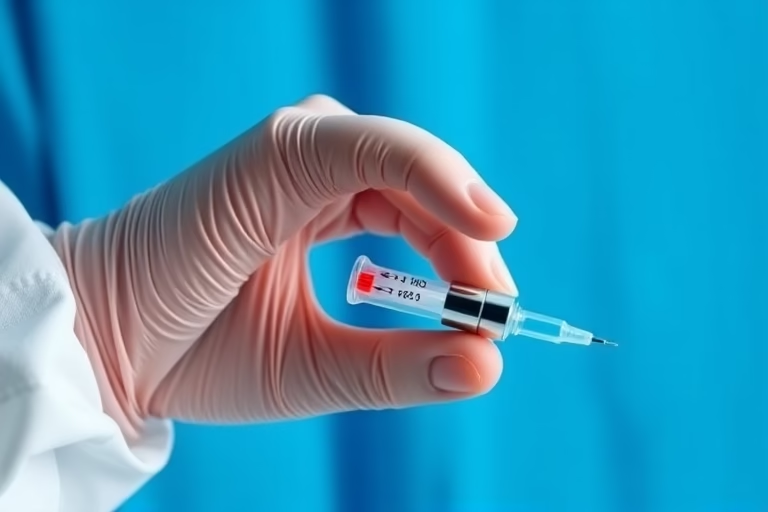
In this article, we will be talking about IVF injection sites. In vitro fertilization (IVF) involves a series of procedures to help with fertility or prevent genetic problems. One of the crucial aspects of IVF treatment is the use of hormone injections to stimulate the ovaries for egg retrieval. Understanding the various injection sites and their implications is vital for individuals undergoing IVF. Knowing where to administer these injections can lead to better outcomes and minimized discomfort. The injection sites most commonly used include the abdomen, thighs, and buttocks, and their selection often depends on various factors like the type of medication prescribed, patient comfort, and physician recommendations.
These injections can be administered using different techniques, including subcutaneous and intramuscular injections. Each method carries unique guidelines and expected outcomes, and patients must be well-informed. Therefore, this discussion will cover essential information about IVF injection sites, preparation methods, potential side effects, and tips to manage pain or discomfort during the process.
Understanding IVF Injections
IVF injections are necessary in the fertility treatment process to enhance ovarian function. These hormones stimulate the ovaries in producing multiple eggs rather than the single egg typically released in a menstrual cycle. Common medications used in IVF include Follicle Stimulating Hormone (FSH), Luteinizing Hormone (LH), and Gonadotropin-Releasing Hormone (GnRH) agonists or antagonists. Each of these medications has specific goals and targeted actions to ensure the success of the IVF cycle.
The correct administration of these injections is crucial for treatment success. Patients should work closely with their healthcare providers to understand proper techniques and frequency of the injections. The suggested method can differ by clinic and individual circumstances.
Common IVF Injection Types
The primary IVF injections utilized include:
- Follicle Stimulating Hormone (FSH)
- Luteinizing Hormone (LH)
- Human Chorionic Gonadotropin (hCG)
- GnRH Agonists
- GnRH Antagonists
Each of these injections plays a unique role in stimulating egg production, ensuring ovulation, and preparing the body for embryo transfer.
Best Practices for Injection Administration
To achieve optimal results during IVF treatment, proper administration techniques for injections are necessary. Here are some best practices:
- Always follow your healthcare provider’s instructions on medication and dosage.
- Prepare a clean environment before administering the injection.
- Choose the right injection site by adhering to specific medical advice.
- Utilize a new syringe and needle with each injection.
- Administer the medication at the same time every day to establish routine.
These steps help minimize risks and improve the process’s overall effectiveness.
Common Injection Sites and Their Implications
IVF injections can be administered in various sites, including:
- The abdomen
- The thighs
- The buttocks
Administering injections in these areas can lead to different absorption rates and comfort levels. Below is a more detailed overview of each site.
Abdominal Injections
Administering injections in the abdominal area is frequently preferred due to its convenience and relative low discomfort levels. The injections should be performed in the fatty tissue approximately an inch away from the navel. Proper rotation of sites is important to avoid irritation or bruising. Patients should cleanse the skin with alcohol before giving the injection.
Thigh Injections
Thigh injections are another option for administering IVF medications. This area can accommodate subcutaneous injections effectively. The outer thigh region tends to be the ideal spot for injections, aimed away from the mid-thigh. Patients need to alternate thighs to prevent soreness and achieve better absorption.
Buttock Injections
Intramuscular injections are often administered in the buttocks. While it can be uncomfortable, this method is effective for medications like hCG. The upper outer quadrant of the buttock is chosen for administering the injection to minimize nerve and blood vessel injury. Patients should seek assistance from a partner or healthcare provider for proper positioning and technique.
Managing Pain and Discomfort
IVF injections can sometimes cause discomfort or bruising. Here are several tips to help manage any pain associated with the injections:
- Use a topical numbing cream at the injection site.
- Apply ice to the area for a few minutes before the injection.
- Inject the medication slowly.
- Rotate injection sites diligently.
Taking these precautions can significantly ease the injection experience.
Final Thoughts
Understanding the variety of IVF injection sites and their administration is key in the journey of anyone undergoing in vitro fertilization. Proper education about the types of medications, choosing the correct injection sites, and following administration best practices contribute to a successful treatment cycle. By working closely with healthcare professionals and maintaining good techniques, patients can minimize discomfort and optimize their chances of achieving pregnancy through IVF.
IVF is a complex process that requires careful planning, preparation, and a commitment to managing medication protocols. By familiarizing oneself with the key aspects surrounding IVF injections, individuals can navigate their fertility treatment with greater confidence and ease.
Here are five frequently asked questions related to IVF injection sites:
1. What is the best site for IVF injections?
The abdomen is commonly preferred for IVF injections as it is easily accessible and minimizes discomfort. Other acceptable sites include the thighs and buttocks.
2. How often should I rotate injection sites?
You should rotate injection sites with each administration to prevent irritation and bruising. It is advised to keep track of used sites.
3. Can I administer the injection myself?
Yes, many patients learn to self-administer their injections. It is essential to receive proper training from a healthcare provider first.
4. What should I do if I miss an injection?
If you miss an injection, follow your healthcare provider’s guidance on whether to take it immediately or skip it.
5. Are there side effects associated with IVF injections?
Common side effects may include injection site reactions, bloating, and hormonal fluctuations. Consult your healthcare provider for any concerning symptoms.
Further Reading
What Type of Psychotherapy Is Best for Anxiety?