





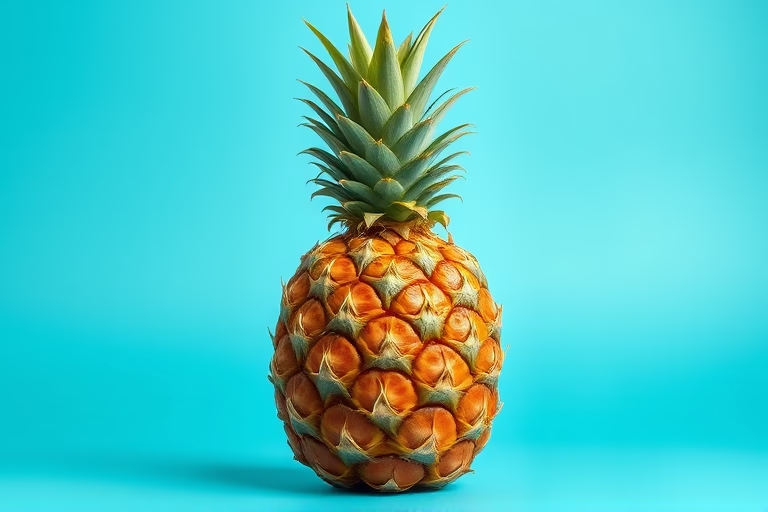
We will be talking about IVF pineapple meaning. The term “IVF pineapple” refers to a unique and emerging practice associated with in vitro fertilization (IVF) treatments. The significance of pineapple stems from the fruit’s bromelain content, which is believed to play a positive role in enhancing fertility and aiding in the implantation process during IVF cycles. This concept has garnered attention among couples undergoing fertility treatments, as the potential health benefits of pineapple could be an adjunct to achieving successful pregnancies. The idea is that incorporating pineapple, particularly the core which contains the highest concentration of bromelain, may increase the chances of successful embryo implantation. This article will explore the meaning of IVF pineapple in detail, covering various aspects from nutritional benefits to practical applications for those navigating the journey of IVF.
Understanding IVF and Its Challenges
In vitro fertilization (IVF) is a complex medical procedure that involves extracting eggs from a woman’s ovaries and fertilizing them with sperm in a laboratory setting. The resulting embryos are then implanted back into the woman’s uterus, with the aim of achieving pregnancy. IVF is often pursued by couples facing infertility due to various factors. These can include age, hormonal imbalances, structural issues in the reproductive system, and male fertility problems.
While IVF has proven successful for many, it also presents a fair share of challenges. The process can be emotionally taxing and physically demanding, as it involves significant hormonal treatments, medical interventions, and the uncertainty of outcomes. Understanding these challenges is crucial for couples and individuals as they prepare for the IVF journey.
Many seek complementary approaches to improve their chances of success. The popularity of natural remedies, including dietary adjustments like incorporating pineapple, reflects the growing desire for holistic approaches in conjunction with medical treatments. Understanding how nutrition and specific foods can play a role is essential for fostering a supportive environment for conception.
The Nutritional Profile of Pineapple
Pineapple is not just a delicious tropical fruit; it offers an array of beneficial nutrients that can support overall health. Known for its high vitamin C content, pineapple is a fantastic source of antioxidants that combat free radicals in the body and reduce oxidative stress. In addition to vitamin C, it contains vitamins A, E, and K, along with essential minerals like manganese, potassium, and magnesium.
Bromelain, a group of enzymes found in pineapple, is believed to have anti-inflammatory properties and may contribute to digestive health. These attributes are why some fertility experts advocate for consuming pineapple during the IVF process.
Including pineapple in the diet may provide several potential benefits for those undergoing IVF:
- Boosting Immunity: Vitamin C helps strengthen the immune system, which can be beneficial during the IVF process.
- Reducing Inflammation: Bromelain’s anti-inflammatory properties might assist in creating a more favorable environment for embryo implantation.
- Digestive Support: Bromelain aids in digestion, potentially benefiting women who experience gastrointestinal discomfort during hormonal treatments.
- Hydration and Nutrient-Rich: Pineapple is high in water content, ensuring hydration while providing vital nutrients.
Integrating pineapple into the diet throughout the IVF journey could serve multiple health purposes, encouraging overall physical wellness.
How Pineapple Can Aid Implantation
The process of embryo implantation is a critical phase in the IVF cycle. It occurs when a fertilized embryo attaches itself to the lining of the uterus. Successful implantation is vital for achieving a pregnancy, and various factors can influence this process.
Pineapple has gained notoriety in the fertility community due to the presence of bromelain. This enzyme is thought to promote improved blood flow to the uterus, possibly enhancing uterine receptivity for the implanted embryo. A healthy endometrial lining is crucial, as it provides the necessary nutrients and support for the developing embryo.
The timing of pineapple consumption is also essential. Many practitioners recommend eating pineapple, especially the core, during the implantation window – typically about five days post-embryo transfer. This strategy is believed to maximize the potential benefits that pineapple may offer during this crucial time.
While anecdotal evidence suggests that pineapple may be helpful, scientific research is still limited in this area. Every individual responds differently to diet and supplementation, which is why anyone considering dietary changes should consult with their healthcare provider for personalized advice.
Incorporating Pineapple into Your Diet
Integrating pineapple into your diet is both simple and enjoyable. There are multiple ways to consume this nutritious fruit. Here are some ideas:
- Fresh Pineapple Slices: Enjoy fresh pineapple as a snack or dessert.
- Smoothies: Add pineapple to your favorite smoothie recipe for a tropical twist.
- Pineapple Juice: Opt for 100% juice without added sugars for hydration.
- Cooking: Use pineapple in savory dishes such as stir-fries or salsas for added flavor.
- Pineapple Core: While tough, you can juice or puree the core to benefit from its bromelain content.
When selecting pineapple, aim for fresh options that are ripe and fragrant. Canned varieties often contain sugar syrups that add extra calories and diminish health benefits.
The Psychological Impact of Dietary Choices During IVF
Navigating the emotional landscape of undergoing IVF can be challenging. Many individuals and couples feel a sense of control is helpful, and dietary choices can play a significant role in this. Choosing whole, nutrient-rich foods like pineapple allows for a proactive approach.
Moreover, the process of cooking and preparing meals can serve as a therapeutic outlet. Crafting nutritious dishes can boost morale and foster a sense of well-being. This is essential, given the emotional rollercoaster often associated with IVF.
Research has indicated that diet can influence mental health. Foods rich in antioxidants and vitamins can potentially improve mood and reduce anxiety. Encouraging oneself to follow a healthy diet filled with fruits and vegetables, such as pineapple, can be both physically beneficial and psychologically uplifting.
Safety Concerns and Precautions
While pineapple has many health benefits, it is essential to approach its consumption mindfully. Here are some precautions to consider:
- Allergies: Some individuals may have allergies or sensitivities to pineapple. Monitor your body’s response and discontinue use if adverse reactions occur.
- Acidic Nature: Pineapple is acidic and may cause stomach discomfort or acid reflux in some people. Moderation is vital.
- Avoid Excessive Consumption: Consuming large amounts of pineapple is not advisable. Balance is key for overall health.
- Consult Your Doctor: It is crucial to discuss dietary changes with your healthcare provider, especially during IVF.
Consider personal factors and any medical conditions before incorporating pineapple extensively into your diet.
Final Thoughts
The concept of IVF pineapple meaning is an intriguing exploration into how dietary choices can influence fertility treatments. The unique properties of pineapple, particularly its bromelain content, have made it a popular ingredient among those undergoing IVF. While its benefits remain anecdotal, nutritional support plays a vital role in overall health during the IVF process. From boosting immunity to reducing inflammation, the potential health benefits of pineapple may positively contribute to the journey of conception.
It is essential to remember that dietary additions like pineapple should complement, not replace, standard medical practices involved in IVF. Each individual is unique, and results can vary. Couples are encouraged to maintain communication with healthcare providers for tailored advice on incorporating specific foods into their vicinities.
Nutrition not only promotes physical health but can also enhance emotional well-being during uncertain times. By empowering themselves with knowledge and conscious dietary choices, individuals undergoing IVF can create supportive environments that encourage positive outcomes.
To wrap up our discussion, here are some frequently asked questions regarding the IVF pineapple meaning:
Frequently Asked Questions
1. Can pineapple really improve my chances of conception during IVF?
While there is anecdotal evidence suggesting that bromelain in pineapple may aid implantation, it is critical to remember that every individual’s experience with IVF is different.Consulting with a healthcare professional is recommended.
2. How much pineapple should I consume during my IVF journey?
Moderation is key. A few servings of pineapple, particularly during the implantation phase, could be beneficial, but be cautious of overconsumption.
3. Are there any side effects of eating pineapple during IVF?
Potential side effects may include allergic reactions or digestive discomfort due to its acidity. Listen to your body and consult a healthcare provider if needed.
4. Can I eat canned pineapple during IVF?
If you choose canned pineapple, opt for varieties without added sugars. Fresh pineapple is generally a healthier option, but occasional canned pineapple can fit into a balanced diet.
5. Is pineapple safe to consume before embryo transfer?
Consulting with a healthcare provider for tailored advice is best, as dietary choices can influence many factors surrounding IVF.
Further Reading
What Type of Psychotherapy Is Best for Anxiety?