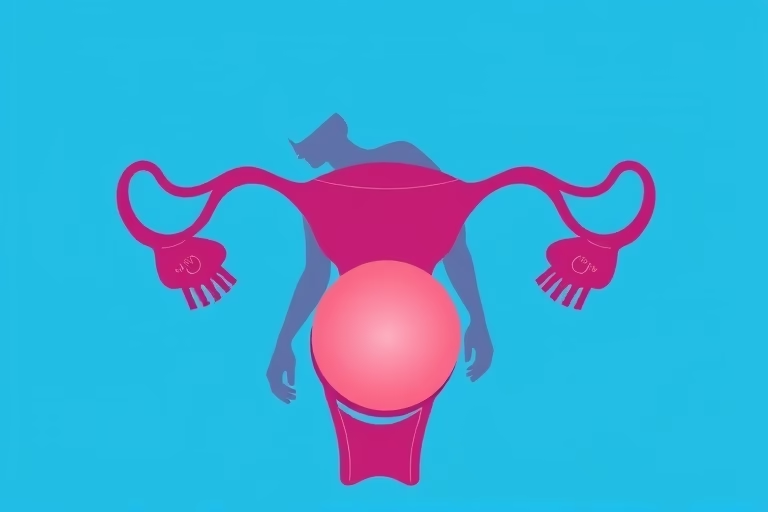
In this article, we will be talking about can you do IVF after hysterectomy. A hysterectomy is a surgical procedure that involves the removal of the uterus, which may be done for various medical reasons, such as uterine fibroids, endometriosis, or cancer. The hysterectomy can be total, where the entire uterus is removed, or subtotal, where only part of it is taken out. Due to the removal of the uterus, women who have undergone this procedure may wonder if they can still pursue in vitro fertilization (IVF) to conceive and have children. IVF is a medical procedure that involves retrieving eggs from a woman’s ovaries and fertilizing them with sperm in the laboratory. After fertilization, the embryos are transferred back into the uterus. Without a uterus, the traditional method of IVF is not viable, but alternatives and options may still exist for those wishing to become parents. This article will provide an in-depth look at this topic as well as various related aspects.
Understanding Hysterectomy
Understanding what a hysterectomy entails is crucial when considering options for conception afterward. A hysterectomy can be either total or subtotal, with each having distinct implications. A total hysterectomy removes the entire uterus, including the cervix, while a subtotal hysterectomy preserves the cervix. Women who have had their uterus removed will not be able to carry a pregnancy, making traditional IVF impossible. It is important to consult healthcare professionals to understand individual circumstances around this surgery.
There are two types of hysterectomies: abdominal and vaginal. An abdominal hysterectomy involves incisions in the abdomen while a vaginal hysterectomy involves removing the uterus through the vagina. Recovery times and side effects can vary depending on the method used for the hysterectomy. Women should discuss with their doctors about the specifics of the procedure that they had, how it affects their overall health, and their reproductive options moving forward.
IVF Overview
IVF, or in vitro fertilization, is an assisted reproductive technology designed to help individuals and couples conceive a child. The process begins with ovarian stimulation, where fertility medications are given to encourage the ovaries to produce multiple eggs. Once the eggs reach maturity, they are retrieved from the ovaries and fertilized with sperm in a lab setting. After fertilization, embryos are monitored for development, after which one or more healthy embryos can be transferred to the uterus.
While traditional IVF requires a uterus to transfer the embryos for implantation, women who have undergone a hysterectomy face unique challenges. Therefore, understanding IVF’s mechanics and how the procedure can differ for those without a uterus is essential for women considering their reproductive options post-hysterectomy. It is worthy to note that IVF success rates may depend on several factors, including age, health, and the quality of the eggs and sperm used in the process.
Can You Do IVF After Hysterectomy?
Can women still opt for IVF after a hysterectomy? The short answer is no, traditional IVF cannot be executed as usual, since there is no uterus for embryo implantation. However, there are alternative pathways, including gestational surrogacy or utilizing a donor egg if necessary. Women must understand their options and how to navigate them. Consulting a fertility specialist can provide valuable insight into these possibilities.
Surrogacy allows another woman to carry the pregnancy for those who cannot do so themselves. The embryo created in IVF can still be used in surrogacy. This option can be emotionally and financially taxing, but for some, it is a viable pathway to parenthood. Gestational surrogates are typically not genetically related to the child being carried; however, the intended parents can contribute the egg and sperm used for fertilization. This alternative can provide a sense of empowerment and control over the journey to parenthood.
Assessing Your Fertility Options
Assessing fertility options post-hysterectomy is dependent on individual circumstances and medical advice from professionals. Consultation with a reproductive endocrinologist can provide information concerning the best approaches for each unique case. Moreover, considerations around egg retrieval and sperm usage must be carefully planned. Those who wish to conceive after a hysterectomy should gather as much information as possible regarding their reproductive health and available options.
For women who still have their ovaries intact and functioning, ovarian stimulation via IVF may be performed to obtain eggs. These eggs can then be frozen for future use or utilized immediately to create embryos. However, there must be a plan for carrying the pregnancy to term if one pursues having a biological connection to the child. Gestational surrogacy may serve as the necessary method for womb and carrying requirements.
The Importance of Medical Consultation
Seeking medical advice is essential before making any decisions concerning fertility treatments after a hysterectomy. Different women will experience the effects of hysterectomy in different ways. A thorough assessment of health history, current condition, and fertility challenges is necessary. Healthcare providers can help couples or individuals navigate through their emotional and physical journey toward parenthood.
Additionally, medical professionals can assist in understanding the emotional side of parental strategies after a hysterectomy. Facing challenges associated with a loss of the ability to carry a biological child can provoke feelings of grief and sadness. Support groups, counseling, or mental health services may be necessary for emotional well-being, especially when navigating complex decisions around reproduction.
Surrogacy Considerations and Costs
Choosing surrogacy as an option after a hysterectomy is a valid route, but it’s important to understand the potential costs and implications involved. Surrogacy can be an expensive venture with fees that may range from $50,000 to $150,000 or more, depending on various factors such as agency fees, medical costs, and legal fees. An understanding of all financial commitments is crucial before moving forward.
Moreover, legal implications surrounding surrogacy vary significantly by location and family structure. It is essential to consult with legal professionals familiar with family law to ensure proper contracts and agreements are in place. This multi-faceted approach can help make the process smoother and lessen emotional turbulence for everyone involved.
Emotional and Psychological Impact
The emotional weight of realizing that traditional pregnancy methods are not an option can be devastating for some women after hysterectomy. Feelings of loss, grief, or isolation may arise. Seeking therapy or connecting with support groups can provide safe spaces to share feelings and experiences with others who have faced similar situations. These resources can help in rationalizing emotions and providing strength through challenging times.
Additionally, exploring the options for family building, such as adoption or surrogacy, can change the narrative from loss to a hopeful new beginning. Establishing a well-supported environment and healthy coping strategies will help individuals and couples navigate the emotional aspects of their journey toward parenthood.
Final Thoughts
The question of whether you can do IVF after having had a hysterectomy has a complex answer. Traditional IVF cannot be performed because the uterus, essential for embryo implantation, is absent. However, this does not mean that parenthood is out of reach. Various options such as surrogacy exist, allowing individuals to explore their desire for children further. Understanding the entire range of options available to you is essential in this journey.
Consulting with healthcare professionals specializing in fertility will help you identify the best path forward. They can guide personal health evaluations, assist with emotional and psychological impacts from surgery, and offer support throughout potential surrogacy processes. While facing the significant changes brought on by a hysterectomy, it is crucial to remain hopeful and informed about the options available to create a family.
Frequently Asked Questions
Further Reading
What Type of Psychotherapy Is Best for Anxiety?