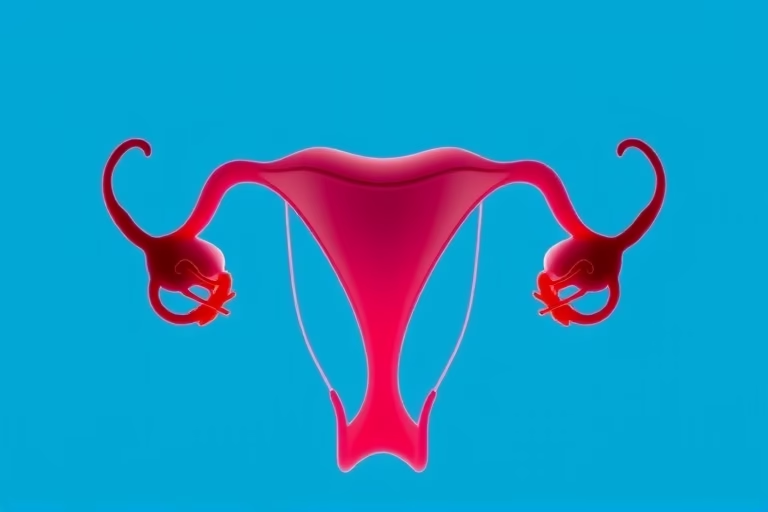
In this article, we will be talking about IVF after hysterectomy. This topic is significant for individuals who have undergone a hysterectomy but still wish to pursue parenthood through assisted reproductive technologies. A hysterectomy refers to a surgical procedure that involves the removal of the uterus. This can be performed for various medical reasons, including fibroids, endometriosis, or cancer. However, many people may still have viable ovaries that produce eggs and wish to use those eggs to conceive a child, often through In Vitro Fertilization (IVF). IVF after hysterectomy raises essential questions and challenges, particularly concerning carry options and the emotional aspects involved. Understanding these dynamics is crucial for anyone considering this path.
IVF after hysterectomy represents a complex intersection of reproductive health, medical science, and personal stories. Although a hysterectomy removes the uterus, it may not eliminate the ability to become a parent. With advancements in reproductive technologies, many individuals who have experienced hysterectomy can achieve parenthood with suitable planning and medical assistance. This article seeks to provide comprehensive insights into the various aspects of IVF after hysterectomy.
Understanding IVF and Its Role After Hysterectomy
IVF, or In Vitro Fertilization, is a reproductive technology that involves fertilizing an egg with sperm outside the body, in a laboratory setting. After fertilization, the resulting embryo(s) are either transferred to a uterus or cryopreserved for future use. For individuals who have undergone a hysterectomy, IVF presents unique possibilities and challenges. A hysterectomy does not necessarily prevent the retrieval of eggs, and if the ovaries remain intact, natural ovulation generally continues. This makes IVF a viable option for achieving pregnancy, although the person will require a surrogate or gestational carrier to carry the pregnancy to term due to the absence of a uterus.
Understanding the implications and the available options is vital for those pursuing IVF after a hysterectomy. By grasping how IVF operates within the context of surgical removal of the uterus, individuals can make informed decisions about their reproductive futures.
Egg Retrieval Process
The egg retrieval process is a significant step in the IVF procedure, especially for those who have had a hysterectomy. Here’s how it works:
1. Ovarian Stimulation: Hormonal medications are administered to stimulate the ovaries to develop multiple eggs.
2. Monitoring: During this period, routine ultrasounds and blood tests monitor the development of the follicles, which contain the eggs.
3. Trigger Injection: Once the eggs are ready for retrieval, a trigger injection is given to facilitate the final maturation of the eggs.
4. Egg Retrieval: A minor surgical procedure is carried out, typically under sedation, to retrieve the eggs from the ovaries using a thin needle guided by ultrasound.
5. Assisted Fertilization: Retrieved eggs are then inseminated with sperm to create embryos.
The egg retrieval process is essential for those who wish to conceive using their own eggs, ensuring that viable eggs are available for fertilization.
Options for Carrying the Pregnancy
After egg retrieval and fertilization, individuals who have undergone a hysterectomy will need to consider their options for carrying a pregnancy. The primary pathways include:
Choosing the best carrying option is crucial and often involves deep emotional, legal, and financial considerations. Consultation with a fertility specialist and legal advisor can assist in navigating these complex issues.
Emotional Aspects of IVF After Hysterectomy
Undergoing a hysterectomy can significantly impact mental and emotional well-being. Many individuals experience feelings of loss regarding their reproductive capabilities. The decision to pursue IVF after a hysterectomy involves embracing these emotions while focusing on the possibilities ahead.
Support groups and counseling can play critical roles in helping individuals cope with feelings of grief and loss. Connecting with others who have had similar experiences can also provide comfort and understanding.
Individuals should take time to discuss their feelings and experiences with partners and loved ones. Expressing emotions can be therapeutic and create a strong support network throughout the IVF process.
Financial Considerations and IVF Costs
Financial planning is a crucial aspect of pursuing IVF after a hysterectomy. IVF can be a costly endeavor, often involving multiple cycles of treatment due to the complexities of assisted reproductive technologies.
Common costs associated with IVF include:
- Initial Consultation and Testing
- Ovarian Stimulation Medications
- Egg Retrieval Procedure
- Embryo Culture and Processing
- Embryo Transfer
- Surrogacy Fees (if applicable)
Many insurance plans do not cover IVF or surrogacy costs, meaning that individuals must be prepared for potential out-of-pocket expenses. Setting a clear budget and exploring financing options is advisable for those considering IVF.
Legal Aspects of Surrogacy
Legal considerations surrounding surrogacy after IVF are crucial and complex. It is essential to establish clear agreements with any surrogates and understand the laws governing surrogacy in your jurisdiction. These laws vary widely and may influence critical issues like parental rights and compensation.
Consulting with a legal expert specializing in family law and reproductive law is recommended to ensure all terms are explicitly outlined. This protects both the commissioning parents and the surrogate, facilitating a smoother journey through IVF and pregnancy.
Success Rates and Factors Influencing Outcomes
Understanding the success rates associated with IVF is an important factor when considering this path after hysterectomy. Various factors can influence outcomes, including:
– Age of the egg donor
– Quality of the embryos
– Underlying health conditions
– IVF provider’s expertise
Research indicates that success rates tend to decrease with age, particularly for women. Engaging with a reputable fertility clinic that tracks success rates can provide realistic expectations. Statistics on embryo transfer success can guide decisions on the number of embryos to transfer during each cycle.
Health Considerations for IVF Candidates
Candidates for IVF after hysterectomy should prioritize their overall health to optimize chances of success. Here are key health considerations:
- Maintain a healthy weight
- Manage underlying medical conditions (diabetes, hypertension)
- Avoid smoking and excessive alcohol consumption
- Consider vitamin supplementation
- Engage in regular physical exercise
Prioritizing health can enhance reproductive capacity and overall well-being, especially during IVF treatments.
Final Thoughts
In summary, IVF after hysterectomy is a topic that involves a complex mix of medical, emotional, and financial factors. Understanding how IVF functions after a hysterectomy provides clarity for individuals considering parenthood despite the absence of a uterus. The egg retrieval process, together with options for carrying a pregnancy, highlights key aspects of the journey ahead. Emotional support systems are crucial, enabling individuals to work through their feelings and abide by helpful coping mechanisms throughout the process.
Financial considerations, legal aspects linked to surrogacy, and the importance of health and lifestyle can significantly impact the IVF journey after hysterectomy. Consulting with medical professionals, legal advisors, and support networks equips individuals with the necessary tools to pursue their goals effectively.
Understanding the inherent challenges associated with IVF can empower individuals facing hysterectomy to embrace hope and seek joyful family-building avenues.
Frequently Asked Questions
1. Can I still use my own eggs after a hysterectomy?
Yes, if your ovaries are intact, you can still use your eggs for IVF after a hysterectomy.
2. What are the costs associated with IVF after a hysterectomy?
Costs include consultation, medication, egg retrieval, and possibly surrogacy fees, which can vary widely.
3. How long does the IVF process take after a hysterectomy?
The length can vary, typically spanning several weeks for each ovarian stimulation cycle and egg retrieval.
4. Is surrogacy always necessary after a hysterectomy?
Yes, if the uterus is removed, surrogacy or gestational carriers are needed to carry the pregnancy to term.
5. What support resources are available for those navigating IVF after hysterectomy?
Support groups, counseling services, and online communities can provide emotional and practical support during this journey.
Further Reading
What Type of Psychotherapy Is Best for Anxiety?