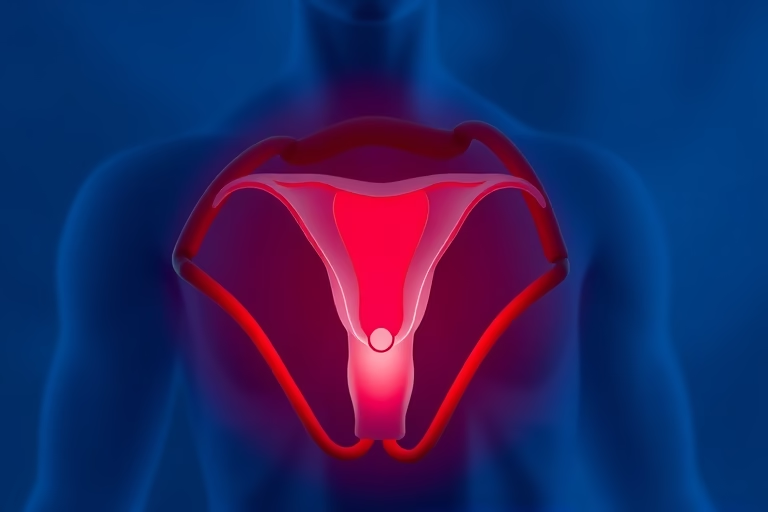
We will be talking about hysteroscopy IVF cost. Hysteroscopy is a medical procedure that allows doctors to look inside a woman’s uterus for diagnosis and treatment purposes. This procedure is often utilized in conjunction with in vitro fertilization (IVF) to improve the chances of successful embryo implantation. The cost associated with hysteroscopy can vary widely depending on several factors, including the location, healthcare provider, and whether the procedure is done in an outpatient or inpatient setting. Understanding the financial implications of hysteroscopy in relation to IVF is crucial for couples trying to conceive, as this can inform their overall budgeting and decision-making processes. This article discusses various aspects of hysteroscopy and its costs in the context of IVF, aiming to provide clarity and guidance for individuals exploring this path to parenthood.
Understanding Hysteroscopy
Hysteroscopy is a minimally invasive surgical procedure that involves inserting a thin, lighted tube called a hysteroscope into the uterus through the vagina and cervix. This allows physicians to inspect the interior of the uterus for abnormalities such as fibroids, polyps, or uterine defects that may complicate pregnancy. The procedure can be diagnostic or therapeutic; in diagnostic cases, it’s primarily for examination, while therapeutic hysteroscopy may involve the removal of abnormalities discovered during the diagnosis.
Hysteroscopy can be particularly relevant for individuals undergoing IVF, as uterine health plays a critical role in embryo implantation success. Any existing uterine issues can significantly reduce the chances of a successful pregnancy. The procedure typically lasts around 30 minutes and can often be performed in an outpatient setting. Consequently, individuals should be aware of the potential costs involved.
The Cost of Hysteroscopy
The cost of hysteroscopy can differ markedly based on numerous factors, including geographical location, the specific medical center or hospital, the expertise of the doctor, and whether additional treatments are performed during the procedure. On average, patients may expect to pay anywhere from $1,000 to $5,000 for hysteroscopy alone, without including any associated anesthesia or hospital fees.
Factors affecting cost include:
- Type of Hysteroscopy (Diagnostic or Therapeutic)
- Location of the Procedure
- Facility Type (Outpatient or Inpatient)
- Surgeon Fees
- Insurance Coverage
In locations where costs are higher, such as urban areas, the expenses tend to reflect that. Additionally, surgical facilities may have different pricing strategies that also contribute to discrepancies in overall costs.
Insurance and Hysteroscopy Costs
Understanding how insurance impacts the cost of hysteroscopy is important for budgeting. Some health insurance plans may cover part or all of the hysteroscopy cost, especially if it’s deemed medically necessary. However, not every insurance plan provides coverage for fertility-related procedures, so it’s crucial for individuals to check the specifics of their plan.
Here are some steps to take regarding insurance:
- Contact your insurance provider to inquire about coverage for hysteroscopy.
- Request a pre-authorization to avoid unexpected out-of-pocket expenses.
- Ask your healthcare provider about any necessary documentation to provide to your insurance company.
Patients should also consider consulting with financial counselors in their healthcare facilities, as they can offer personalized advice on financial matters related to the procedure.
Factors Influencing IVF Costs
The total cost of IVF treatments can often be overshadowed by the expenses of associated procedures such as hysteroscopy. Generally, the price of IVF can range anywhere from $12,000 to $15,000 per cycle, not including medications. Hence, budgeting appropriately becomes essential, particularly when multiple treatment cycles are involved.
Essential factors influencing IVF costs include:
- Laboratory fees for embryo culture and transfer.
- Meds required for ovarian stimulation.
- The need for additional procedures such as hysteroscopy or egg retrieval.
- Consultation and follow-up visits.
These elements not only affect financial planning but also the emotional and mental well-being of those trying to conceive.
Location and Its Impact on Costs
Geographical location plays a significant role in the expenses associated with hysteroscopy and IVF. Major cities may have higher costs due to demand and overall cost of living. Conversely, rural areas could present more affordable options. However, potential patients must weigh the cost with the quality of care when choosing a medical facility.
Individuals may want to research and compare the costs of different clinics and hospitals, as some facilities may offer payment plans or financial assistance programs to help ease the financial burden.
Hysteroscopy Outcomes and Effect on IVF Success
Hysteroscopy is known to enhance the chances of successful outcomes in IVF. By identifying and addressing uterine abnormalities, the procedure creates a conducive environment for embryo implantation. Studies have shown that women who underwent hysteroscopy before IVF generally had improved pregnancy rates compared to those who did not.
Benefits of hysteroscopy include:
- Early identification of uterine issues.
- Potential improvement in implantation rates.
- Better overall reproductive health.
By ensuring that any underlying issues are resolved before IVF, individuals increase their chances of initiating a healthy pregnancy.
Cost-Effective Strategies for Managing Expenses
Managing the costs associated with hysteroscopy and IVF requires strategic planning. Consider the following cost-effective strategies:
- Explore insurance options that provide fertility benefits.
- Look for clinics that offer financing options or payment plans.
- Take advantage of discounts or special offers by fertility clinics.
Discussing all available options with a healthcare provider can help you make an informed decision regarding the most financially feasible way to proceed with treatment.
Alternative Perspectives on Costs
While costs may seem daunting, individuals must also consider the potential for long-term family planning benefits. For many, investing in fertility treatments opens doors to family growth that may not have been possible otherwise. Additionally, exploring alternative avenues such as egg donation, surrogacy, or even financial aid organizations can provide various solutions to offset these costs.
Education about these possibilities plays a role in shaping informed lifestyle choices toward parenthood.
Final Thoughts
In summary, the hysteroscopy IVF cost represents a vital element in the journey towards conception for couples facing infertility issues. Understanding the procedure’s cost components, the potential for insurance coverage, and the influence of geographical location can provide clarity regarding overall expenses. Although hysteroscopy adds to the initial financial burden of IVF, it’s also viewed as a necessary step towards improving the likelihood of a successful pregnancy.
Each individual’s experience can vary, and factors like existing uterine health, the type of treatment center, and insurance coverage will all play significant roles. Financial hardship should not deter individuals from pursuing their dreams of parenthood. With the right support systems in place, including open communication with healthcare professionals and thorough understanding of the financial landscape, individuals can navigate their fertility journeys more effectively.
As you consider the costs of hysteroscopy in the context of IVF, remember to weigh both the emotional and financial aspects involved in this life-changing decision. The procedure can identify or treat conditions that may otherwise inhibit your chances of conception, making it a potentially wise investment in your future family.
Frequently Asked Questions
1. How much does a hysteroscopy for IVF typically cost?
The average cost can range from $1,000 to $5,000, depending on several factors such as the facility and whether it is a diagnostic or therapeutic procedure.
2. Will insurance cover the hysteroscopy cost?
It depends on your health insurance plan. Some may cover part of the costs if deemed medically necessary, while others might not.
3. How can I reduce the costs associated with hysteroscopy and IVF?
Consider exploring insurance options, looking for clinics offering financing plans, and utilizing discounts for fertility treatments where available.
4. Can hysteroscopy improve the chances of IVF success?
Yes, addressing uterine issues through hysteroscopy can enhance the chances of successful implantation during IVF.
5. What should I expect during the hysteroscopy procedure?
The procedure typically lasts about 30 minutes and may involve some level of anesthesia. Patients may experience mild cramping and discharge following the procedure.
Further Reading
What Type of Psychotherapy Is Best for Anxiety?