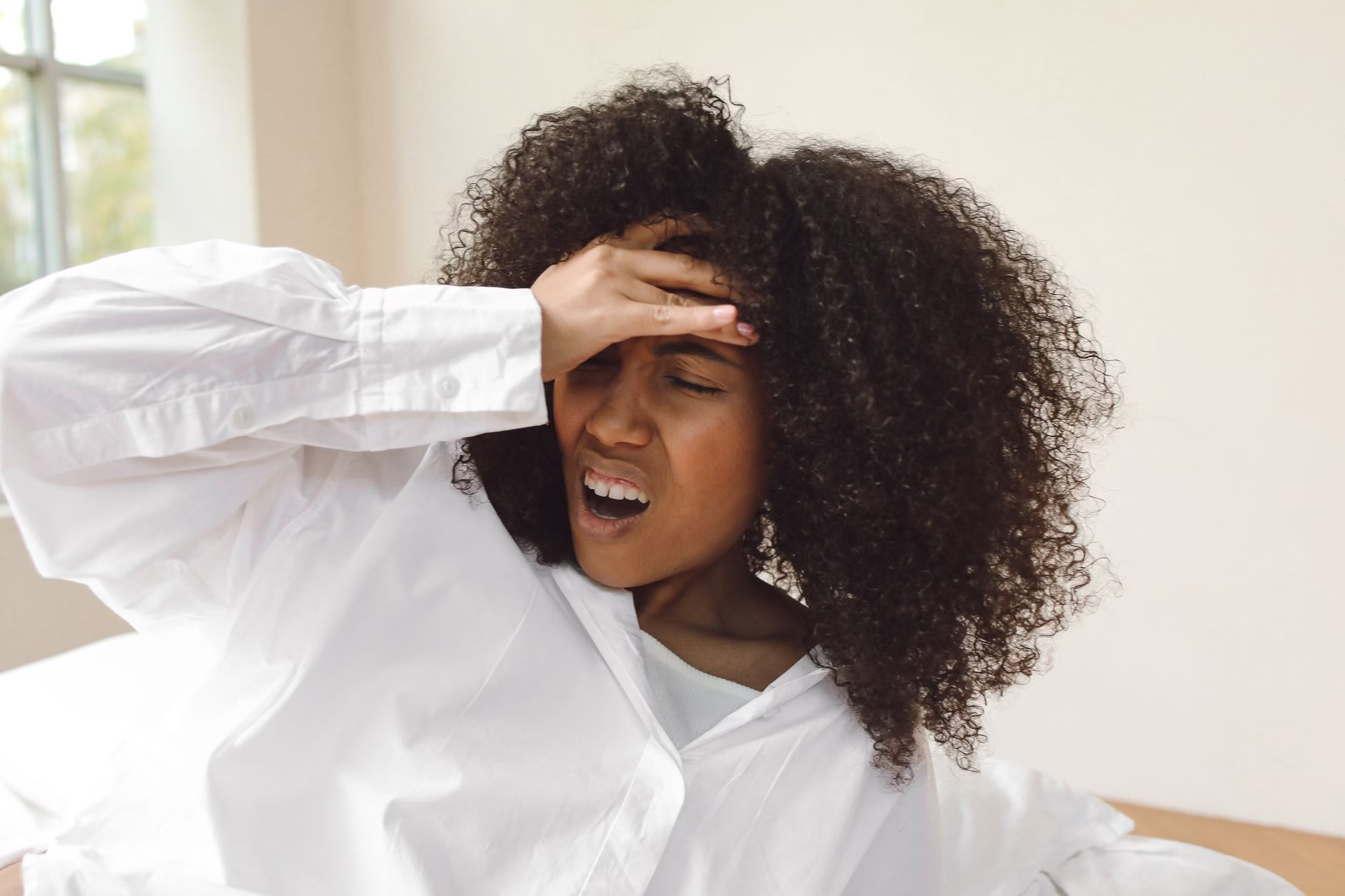
why do i feel tired after sleeping even when you spend enough hours in bed? This is a common problem. Your body needs both enough sleep and good-quality sleep. A long night can still leave you worn out if you wake often, sleep at the wrong time for your body clock, or have a health problem that breaks up sleep.
Sometimes the cause is simple. You may have gone to bed late for several nights, had alcohol, felt stressed, or slept in a noisy room. At other times, tiredness can point to a sleep disorder, a medicine effect, or a health issue that needs care. Loud snoring, gasping, or falling asleep without meaning to deserve special attention.
It helps to name what you feel. Fatigue is low energy. Sleepiness means you may drift off or fall asleep. Grogginess right after waking is called sleep inertia. It often fades within an hour.
This article explains common causes, safe steps to try, and signs to get medical help. One bad morning does not prove a condition. But tiredness that lasts, gets worse, or makes driving and daily life unsafe should be checked by a health professional. You do not need to solve it alone today.
Key Takeaways
| Takeaway | What it means |
|---|---|
| Sleep length is not everything. | If you ask why do i feel tired after sleeping, look at sleep quality, timing, stress, and health too. |
| Know the warning signs. | For why do i feel tired after sleeping, snoring, gasping, and daytime dozing need prompt medical review. |
| Keep a simple record. | A one- to two-week sleep diary can show patterns that are hard to notice. |
| Do not push through dangerous sleepiness. | Do not drive or use machines if you struggle to stay awake. |
Why do i feel tired after sleeping? A direct answer
You can feel tired after a full night because sleep may not have been deep, steady, or timed well. Most adults need at least seven hours of sleep on a regular basis. Still, more time in bed does not always mean better rest. You may wake many times without remembering it. Noise, pain, worry, breathing problems, or a warm room can break up sleep.
When people ask why do i feel tired after sleeping, the answer is often more than one thing. For example, a person may sleep too little during the week, drink alcohol at night, and then sleep late on weekends. This can upset the body clock and make mornings harder.
Fatigue, sleepiness, and morning grogginess
These words can mean different things. Knowing the difference can help you explain your symptoms to a doctor.
- Fatigue means low energy or feeling worn out. You may not want to do normal tasks.
- Sleepiness means you may fall asleep when you do not mean to. You may doze during a meeting, while reading, or in a car.
- Sleep inertia is the foggy feeling right after waking. It is normal for many people and often gets better within minutes to about an hour.
Why do i feel tired after sleeping may be linked to normal sleep inertia if the feeling passes soon after you get up. It is more concerning when the fog lasts much of the day or when you cannot stay awake during normal activities.
Common reasons you wake up tired
Not enough sleep and sleep debt
Sleep debt means you have missed sleep over several days or weeks. A late bedtime, early alarm, work schedule, school, caring for family, or repeated night waking can cause it. Sleeping late one day may help a little, but a steady sleep schedule usually works better.
Try to give yourself enough time in bed for regular sleep. For most adults, that means at least seven hours each night. Some people need more. A fixed wake time can help your body know when to feel alert.
Broken or poor-quality sleep
Sleep can break up for many reasons. Common causes include noise, light, a room that is too hot or cold, an uncomfortable bed, pain, heartburn, stuffy nose, or needing to urinate often. A pet or partner may also wake you.
Why do i feel tired after sleeping can be a useful question when you wake with a dry mouth, sore throat, headache, or a sense that you were awake much of the night. You may not remember every waking, but your body can still lose needed rest.
A body clock that is out of sync
Your body clock helps control when you feel sleepy and awake. Shift work, changing bedtimes, late-night screens, jet lag, and little morning light can move this clock. You may sleep for many hours but still wake at a time your body sees as nighttime.
Morning daylight can help reset your clock. Open curtains soon after waking, sit near a bright window, or go outside if you can. At night, lower bright light and screens if they keep you awake.
Stress, worry, and low mood
Stress can make sleep light and restless. Worry may keep your mind busy at bedtime. Grief, anxiety, burnout, trauma symptoms, and depression can also change sleep. Some people sleep less. Others sleep longer but still feel drained.
Mental health matters, but tiredness should not be blamed on stress alone. Physical causes can happen at the same time. A health professional can help look at the full picture.
Alcohol, caffeine, medicines, and other substances
Alcohol may make you feel sleepy at first, but it often breaks up sleep later in the night. Caffeine can hide sleepiness for a short time, but it does not fix the reason you feel tired. Late-day caffeine may also make it harder to sleep well.
Some medicines can cause drowsiness or poor sleep. These include some allergy pills, anxiety medicines, antidepressants, sleeping pills, opioid pain medicines, and some blood-pressure medicines. Cannabis and nicotine can affect sleep too. If tiredness started after a medicine or supplement change, ask a doctor or pharmacist to review it. Do not stop a prescribed medicine on your own. You can also read about possible effects of sleep medicines in our guide on sleeping pills and blood pressure.
Health conditions and low iron
Many health problems can cause lasting fatigue. These include anemia, which means too few healthy red blood cells, low iron, thyroid problems, diabetes, infections, heart or lung disease, kidney or liver disease, and long-term pain. Pregnancy can also cause major tiredness.
Why do i feel tired after sleeping may be worth discussing with a clinician if you also have weight change, fever, shortness of breath, heavy periods, fast heartbeat, pain, or strong thirst. These signs do not prove one cause. They simply mean a personal health check may help.
Congestion and sinus symptoms can also disturb sleep. If you have facial pressure, a blocked nose, or illness symptoms along with tiredness, see our article on whether a sinus infection can cause fatigue.
When why do i feel tired after sleeping may point to sleep apnea
Sleep apnea is a condition where breathing stops or becomes very shallow many times during sleep. Obstructive sleep apnea is the most common type. The throat closes partly or fully during sleep, which can lower oxygen and wake the brain again and again.
Why do i feel tired after sleeping is especially important to raise with a doctor if you have loud, regular snoring. Other signs include gasping, choking, pauses in breathing seen by another person, dry mouth, morning headaches, waking to urinate, and trouble staying awake in the day.
Sleep apnea is common and treatable. A clinician may ask about your sleep, examine you, and arrange a sleep study. A sleep study checks breathing and other body signals while you sleep. Do not try to treat possible sleep apnea with alcohol, over-the-counter sleep aids, or someone else’s medicine. Some of these can make breathing problems worse.
Other sleep disorders to consider
Insomnia means trouble falling asleep, staying asleep, or waking too early. Even when you spend many hours in bed, insomnia can leave you feeling unrefreshed. Cognitive behavioral therapy for insomnia, also called CBT-I, is a structured treatment that can help many people. It teaches sleep habits and ways to calm unhelpful thoughts about sleep.
Restless legs syndrome can also affect rest. It causes an uncomfortable urge to move the legs, often in the evening or when resting. Some people have repeated leg movements during sleep. Both problems can wake you or reduce deep sleep.
Less common sleep disorders can cause strong daytime sleepiness. These include narcolepsy and idiopathic hypersomnia. A sleep specialist can assess these conditions when symptoms are severe or unusual.
What to do when why do i feel tired after sleeping keeps happening
Try a simple plan for one to two weeks. Small changes can show whether your sleep routine is part of the problem.
- Set a regular bedtime and wake time, even on most weekends.
- Give yourself enough time for sleep. Most adults need at least seven hours.
- Get bright light in the morning, such as daylight from outside.
- Keep your room cool, quiet, dark, and comfortable.
- Avoid alcohol close to bedtime.
- Limit caffeine later in the day. The best cutoff time differs from person to person.
- Exercise most days if you can. If hard evening exercise keeps you awake, finish it earlier.
- Avoid long or late naps if they make bedtime harder.
- Talk with a clinician about pain, reflux, congestion, or frequent urination that wakes you.
Keep a sleep diary for one or two weeks. Write down when you go to bed, when you wake, naps, caffeine, alcohol, medicines, night waking, snoring, and how sleepy you feel in the day. This record can help you and your clinician spot a pattern.
Why do i feel tired after sleeping may not improve just by sleeping longer. If you lie awake for long periods or wake often, spending extra time in bed can sometimes make sleep feel worse. A clinician can help you choose the right next step.
Safety limits when you are very sleepy
Do not drive, use power tools, work at heights, or operate heavy machines if you are struggling to stay awake. Daytime sleepiness can slow reaction time and raise the risk of an accident. Ask for help with transport if you need it.
Do not use alcohol, sedating allergy pills, cannabis, or sleep medicines as a regular answer to tiredness. These can cause side effects, mix badly with other medicines, and may worsen sleep-related breathing problems. Supplements sold for “energy” or “sleep” are not a replacement for finding the cause.
When to see a doctor
Make a nonurgent appointment if tiredness lasts more than a few weeks, gets worse, affects school, work, or home life, or does not improve after steady sleep habits. Our guide on why you may always feel tired may also help you prepare for that talk.
Seek care sooner if you have loud snoring, breathing pauses, gasping, morning headaches, or severe daytime sleepiness. Falling asleep without meaning to, especially while driving or working, needs prompt medical advice.
Get prompt medical advice for tiredness with unexplained weight loss, fever, shortness of breath, chest discomfort, heart racing, fainting, black or bloody stools, heavy bleeding, or big changes in thirst or urination.
Seek urgent or emergency care for chest pain, severe trouble breathing, fainting, new confusion, signs of stroke, or thoughts of self-harm or suicide.
Frequently asked questions
Why am I tired after eight hours of sleep?
Eight hours may be enough time in bed, but your sleep may be broken or poorly timed. Snoring, pain, stress, alcohol, medicines, or a sleep disorder can reduce sleep quality. Your own sleep need may also be a little different from another person’s.
Can sleeping too much make you tired?
Yes, some people feel more groggy after sleeping much later than usual. Long sleep can also be a sign of illness, low mood, a medicine effect, or poor sleep quality. If you often need far more sleep than usual and still feel unwell, speak with a clinician.
Is it normal to feel groggy after waking?
Short-term grogginess is common. This is sleep inertia. It often improves within minutes to about an hour. It is not something to ignore if it lasts much longer, is severe, or comes with unplanned daytime sleep.
Can sleep apnea cause tiredness even after enough sleep?
Yes. Sleep apnea can wake the brain many times to restart breathing. You may not remember these wakes, but they can leave you unrefreshed and sleepy during the day. A sleep study can check for it.
What tests might a clinician consider?
The tests depend on your symptoms and health history. A clinician may review your sleep diary and medicines, check your blood pressure, order blood tests for issues such as anemia, thyroid disease, or blood sugar, or arrange a sleep study. Consumer sleep trackers can show broad patterns, but they cannot diagnose sleep apnea.
Conclusion
Why do i feel tired after sleeping has many possible answers, from a short or restless night to a sleep disorder, medicine effect, stress, or health condition. Start with a steady routine and a sleep diary. Get medical help when symptoms last, affect daily life, or include snoring, gasping, or severe sleepiness. The right care depends on the cause, and effective treatment is available for many problems.
Sources
- National Heart, Lung, and Blood Institute: Sleep Deprivation and Deficiency
- Centers for Disease Control and Prevention: About Sleep and Your Health
- National Institute of Neurological Disorders and Stroke: Sleep Apnea
- Mayo Clinic: Sleep Apnea: Symptoms and Causes
- American Academy of Sleep Medicine and Sleep Research Society: Recommended Amount of Sleep for a Healthy Adult