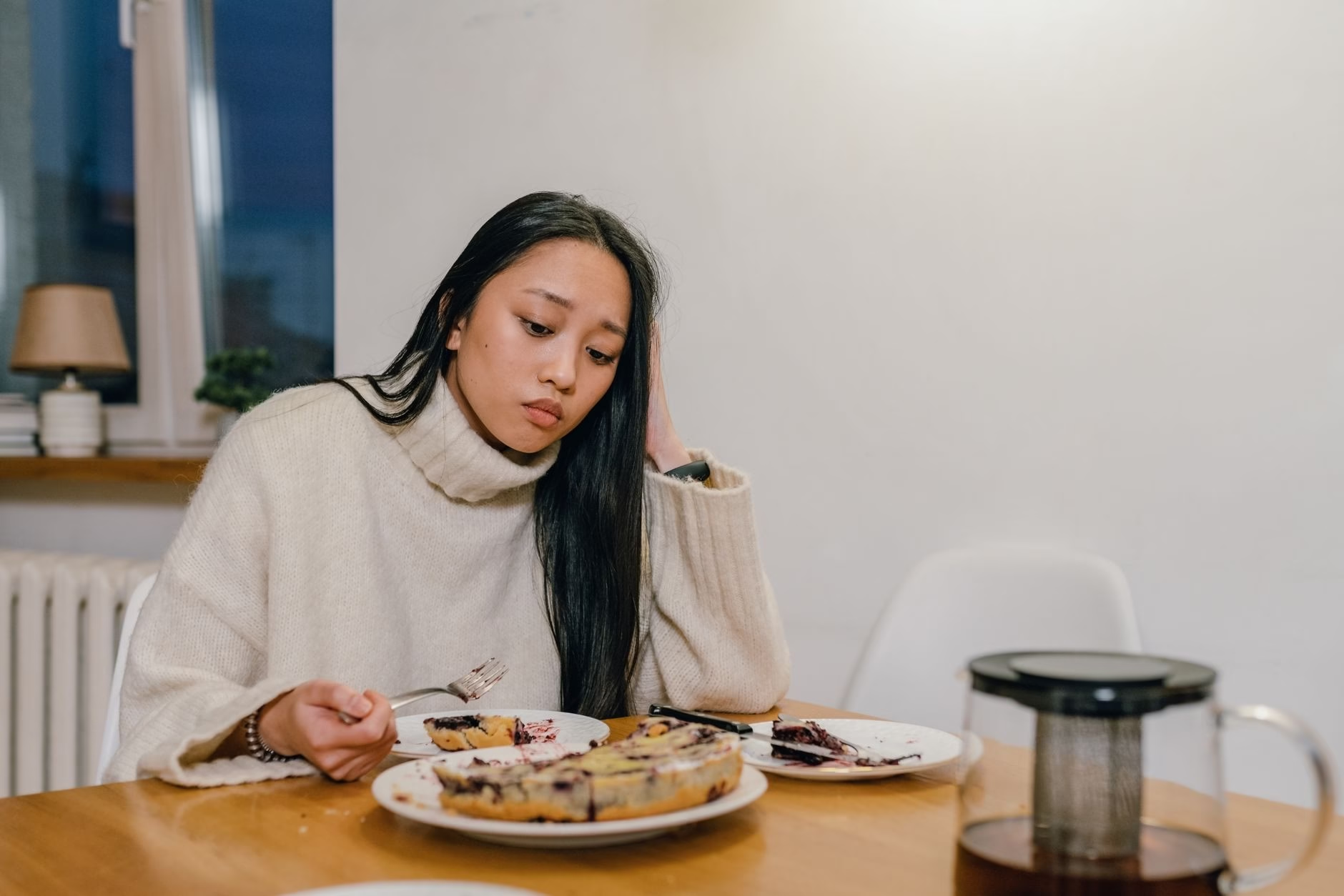
why do i feel sleepy after eating is a common question. Many people notice heavy eyelids, yawning, or slow thinking after lunch. In most cases, this short energy dip is normal and passes within a few hours. Your body clock, the size of your meal, your sleep the night before, and alcohol can play a part. Foods high in sugar or refined carbs may also leave some people feeling more tired.
Still, strong or drowsiness deserves attention. It can happen with a blood sugar problem, low blood pressure after meals, a sleep disorder, anemia, thyroid disease, or a medicine side effect. Food is not always the cause. A meal can make an existing lack of sleep easier to notice.
This article explains causes, simple steps that may help, and warning signs to take seriously. It cannot tell you what is causing your symptoms. If sleepiness affects driving, work, school, or life, speak with a health professional. Get urgent help for fainting, chest pain, severe trouble breathing, or sudden confusion. Small changes, such as regular sleep, balanced meals, water, and a walk, often help. But ongoing symptoms need a check, especially if you feel dizzy, shaky, very thirsty, or unwell.
Key Takeaways
| Takeaway | What it means |
|---|---|
| Mild sleepiness is common | why do i feel sleepy after eating may have a simple answer, such as a large meal or poor sleep. |
| Look for warning signs | Ask why do i feel sleepy after eating more often if you also have dizziness, thirst, shaking, or fainting. |
| Meal patterns matter | Smaller, balanced meals may help some people feel more awake. |
| Safety comes first | Do not drive, use tools, or do risky work when you feel very drowsy. |
Why do i feel sleepy after eating: common causes
Feeling tired after food is often called post-meal sleepiness. The medical name is postprandial somnolence. “Postprandial” means after a meal. Mild sleepiness is common, especially after a big lunch or dinner.
For most people, why do i feel sleepy after eating has a simple answer. Your body is digesting food while your normal energy level may already be low. Digestion changes hormones and blood flow in the body. But it is not correct to say that blood leaves the brain and makes you sleepy. The body can still supply blood to the brain while it digests food.
Sleepiness usually feels like heavy eyelids, yawning, low energy, and trouble focusing. It often improves within a few hours. A short rest may help, but do not take a nap if it will make it hard for you to sleep at night.
Meal size can make a difference
Very large meals can make the tired feeling stronger. A large meal may leave you feeling full, slow, and less alert. This does not mean large meals are dangerous for everyone. But if you notice a clear pattern, try a smaller serving and see if you feel better.
Meals that are mostly white bread, sweets, sugary drinks, or other refined carbs may lead to bigger changes in blood sugar and insulin. Insulin is a hormone that helps move sugar from the blood into cells for energy. Some people feel tired after these changes. The effect is different for each person.
When you ask why do i feel sleepy after eating, look at the whole meal. A meal with vegetables, beans, whole grains, protein, and healthy fats may give steadier energy than a meal made mostly of sweets or refined grains.
Why do i feel sleepy after eating after lunch?
Many people have a natural dip in alertness in the early afternoon. This is part of the body clock, also called the circadian rhythm. It can happen even if you skip lunch. Eating lunch may make this normal low-energy time easier to notice.
That is one reason why do i feel sleepy after eating may happen more after lunch than after dinner. You may also be more tired at noon because you woke early, slept poorly, or have been busy all morning.
Not getting enough sleep
A meal may not be the real cause of tiredness. It may simply be the first quiet moment in your day. If you do not get enough sleep at night, you may feel sleepy after almost any meal.
Adults often need seven to nine hours of sleep each night. Children and teens usually need more. If you are tired most days, read more about common reasons you may always feel tired. Ongoing tiredness deserves attention, even if it seems linked to food.
Alcohol, dehydration, and low activity
Alcohol with a meal can make you sleepy. It can also lower alertness and make driving unsafe. Alcohol may be especially risky when mixed with medicines that cause drowsiness.
Not drinking enough fluids may also leave you tired, weak, or lightheaded. Drink water through the day unless a health professional has told you to limit fluids. You can also learn about dehydration and blood pressure if you have concerns about both.
Sitting still all day can add to the afternoon slump. A short, easy walk after a meal may help you feel more alert. Only walk if it feels safe and comfortable for you.
Health problems that can cause stronger sleepiness
Most post-meal tiredness is mild. Still, some health problems can make it worse. If why do i feel sleepy after eating happens often, is new, or changes your daily life, a health professional can help find the cause.
Diabetes or prediabetes
Diabetes affects how the body handles blood sugar. High blood sugar can cause fatigue. Other signs can include feeling very thirsty, peeing more often, blurred vision, unexplained weight change, slow-healing sores, or repeated infections.
People sometimes call post-meal tiredness a “sugar crash.” But symptoms alone cannot show whether blood sugar is high or low. A blood test is needed. If you have diabetes, do not change your medicines without speaking with your prescriber. Some diabetes medicines may need a personal review.
Blood sugar and blood pressure are different body measures. This guide explains how blood sugar and blood pressure differ.
Low blood sugar after eating
Reactive hypoglycemia means low blood sugar after a meal. It is less common than people may think. True low blood sugar must be confirmed with proper testing.
Possible signs include shaking, sweating, hunger, a racing heart, anxiety, dizziness, weakness, confusion, or irritability. If these symptoms happen often, write down what happened and contact a health professional. Do not start a strict diet or use a glucose monitor on your own unless a clinician recommends it.
Low blood pressure after meals
Some people have a blood pressure drop after eating. This is called postprandial hypotension. It is more common in older adults and people with diabetes, Parkinson’s disease, high blood pressure, or problems with the nervous system.
Warning signs include dizziness, weakness, blurred vision, feeling faint, falls, or fainting. Chest discomfort after a meal also needs quick medical attention. Blood pressure medicines can sometimes play a role, but never stop a prescribed medicine on your own.
For related information, see whether high blood pressure can cause drowsiness.
Sleep apnea and other causes of tiredness
Sleep apnea is a sleep problem where breathing stops and starts during sleep. It can cause severe daytime sleepiness. Signs include loud snoring, breathing pauses seen by another person, waking up gasping, morning headaches, and poor focus.
Anemia and thyroid problems can also cause ongoing fatigue. Anemia means there are not enough healthy red blood cells to carry oxygen well. Thyroid problems affect a gland that helps control energy use. A clinician may use simple blood tests to check for these and other causes.
Simple ways to reduce post-meal drowsiness
Small changes may help if your symptoms are mild. If you wonder why do i feel sleepy after eating on busy days, try changing one habit at a time. This makes it easier to see what helps.
- Eat smaller meals if very large meals make you sleepy.
- Choose more vegetables, fruit, beans, whole grains, protein, and healthy fats.
- Cut back on sugary drinks, sweets, and large amounts of refined grains.
- Drink fluids regularly, unless you have been told to limit them.
- Limit alcohol with meals if it makes you drowsy.
- Take an easy walk for a few minutes after eating if it is safe.
- Keep a regular sleep schedule and aim for enough sleep each night.
- Avoid driving, climbing ladders, or using dangerous tools when sleepy.
Protein can be part of a balanced meal, but protein does not always stop sleepiness. No one food works for every person. Turkey, for example, does not automatically make people fall asleep. Your sleep, meal size, meal timing, alcohol use, health conditions, and medicines all matter.
Keep a short symptom record
A simple record can help you and your clinician spot a pattern. For one or two weeks, write down your meal time, meal size, foods and drinks, sleep the night before, medicines, and symptoms. Note whether you felt shaky, sweaty, dizzy, very thirsty, or faint.
Write down how long the sleepiness lasted and whether a walk, water, or a smaller meal helped. This record is more useful than guessing. It may also help explain why do i feel sleepy after eating when the feeling seems new or much stronger than usual.
When why do i feel sleepy after eating may need care
Make a routine medical appointment if post-meal sleepiness is severe, lasts a long time, or gets in the way of work, school, driving, or home life. Also make an appointment if you feel tired all day, even after enough sleep.
Talk with a health professional soon if you have any of these signs:
- Very strong thirst or frequent urination
- Unexplained weight loss or weight gain
- Blurred vision or repeated infections
- Shaking, sweating, hunger, confusion, or a racing heart
- Dizziness, weakness, falls, or feeling faint after meals
- Loud snoring, breathing pauses, or severe daytime sleepiness
- New tiredness after starting or changing a medicine
Ask a prescriber to review medicines that can cause drowsiness. These may include some allergy medicines, sleep medicines, pain medicines, mental health medicines, blood pressure medicines, and diabetes medicines. Do not stop or change a prescribed medicine by yourself. If you take a medicine such as Ozempic and feel tired, this article on whether Ozempic can make you tired may be useful before you speak with your prescriber.
Get urgent help now
Call emergency services or seek urgent care for fainting, chest pain, severe shortness of breath, new confusion, trouble speaking, or weakness on one side of the body. Get urgent help for signs of a serious allergic reaction, such as hives with swelling of the lips, tongue, or throat, or trouble breathing.
Severe low blood sugar can also be an emergency. Get urgent help if a person is confused, passes out, has a seizure, or cannot safely swallow food or drink.
Frequently asked questions
Is it normal to feel sleepy after eating?
Yes. Mild sleepiness after a large meal or lunch is common and often goes away within a few hours. It may be stronger when you are short on sleep, drink alcohol, or eat a meal high in sugar or refined carbs.
Does sugar cause sleepiness?
Sugary foods and drinks may cause bigger changes in blood sugar for some people. This may add to tiredness. But feeling sleepy does not prove that you have high or low blood sugar. Testing is needed to confirm a blood sugar problem.
Could sleepiness after meals mean diabetes?
It can happen with diabetes, but it is not enough on its own to diagnose diabetes. See a health professional if you also have thirst, frequent urination, blurred vision, unexplained weight change, repeated infections, or ongoing fatigue.
Why am I sleepy after lunch but not dinner?
Your body clock often causes a natural drop in alertness in the early afternoon. Lunch may happen during that low-energy time. Poor sleep, a heavy lunch, alcohol, and little activity can make it more noticeable.
Conclusion
Remember, why do i feel sleepy after eating is often linked to a normal energy dip, a large meal, poor sleep, or the early afternoon body-clock slump. Balanced meals, enough sleep, water, less alcohol, and a short walk may help.
Do not ignore severe, new, or lasting symptoms. Dizziness, fainting, shaking, sweating, thirst, frequent urination, chest pain, and major daytime tiredness need medical advice. This article offers general health information and does not replace personal medical care.
Sources
- Cleveland Clinic: Why Do You Get Sleepy After Eating?
https://health.clevelandclinic.org/why-do-you-get-sleepy-after-eating - National Institute of Diabetes and Digestive and Kidney Diseases: Symptoms & Causes of Diabetes
https://www.niddk.nih.gov/health-information/diabetes/overview/symptoms-causes - National Heart, Lung, and Blood Institute: Sleep Apnea
https://www.nhlbi.nih.gov/health/sleep-apnea - Mayo Clinic: Reactive Hypoglycemia
https://www.mayoclinic.org/diseases-conditions/reactive-hypoglycemia/expert-answers/reactive-hypoglycemia/faq-20057880 - Merck Manual Consumer Version: Low Blood Pressure
https://www.merckmanuals.com/home/heart-and-blood-vessel-disorders/low-blood-pressure-and-shock/low-blood-pressure