organs of the human body are key parts. They do jobs to keep you alive. They work as a team. Each part has a job. Some move blood. Some break food. Some clean the blood. Some help you think. Some help you breathe. Some make signals. Most work day and night. You do not feel most tasks. You just live. Yet these parts can get weak or sick. It can start small.
Then it can get big. You can feel pain or see signs on your skin. Or you may feel weak. You may have no skip in your step. It may hurt to eat. It may be hard to breathe. It may be hard to think. You have to care for these parts. Good food, sleep, and rest help them. You must move and drink enough water. You must avoid bad stuff like smoke or too much drink. This article will help you learn what each part does.
You will know how to help them stay well. You will learn when you need to call for help. It will show you warning signs to watch. It will give safe tips. It will tell you when to see a doctor.
Key Takeaways
| Takeaway | Explanation |
|---|---|
| Organs of the human body work as a team | Each part helps keep you alive day and night. |
| Healthy organs of the human body need daily care | Use good food, sleep, and water to keep them strong. |
Functions of organs of the human body
The human body has many parts that work without a break. They keep you safe and help you grow. Each organ does a job to keep you alive. Some organs make energy. Some organs send signals. Some organs clean the blood. Some organs help you fight germs. They all work as a team. When one part has trouble, others can change. For example, if your kidneys slow down, your heart may have to work harder. If your liver is weak, toxins may build up. Your organs talk to each other with hormones and nerves. They use the blood to share food and oxygen. You can help this team by living well each day.
These are the main jobs:
- Move: help you walk, talk, and use your hands.
- Fuel: break down food for energy and growth.
- Signal: send messages to tell the body what to do.
- Clean: remove waste and toxins from your blood.
- Protect: fight germs and heal wounds.
Every organ may help with more than one job. They share work to keep you well.
Core organs of the human body
Doctors focus on a few main parts. They call these core organs. These are the brain, heart, lungs, liver, kidneys, stomach, intestines, and skin.
- Brain
- Heart
- Lungs
- Liver
- Kidneys
- Stomach and intestines
- Skin
Each organ has a job. The brain handles your mind. The heart moves blood. The lungs bring air in and out. The liver cleans and stores food. The kidneys filter blood and balance fluids. The stomach and intestines digest and absorb nutrients. The skin protects the inside from harm. These parts are linked in a system. You need to know how they work. You also need to know how to keep them safe every day.
Brain
The brain is the body’s control center. It sits inside your skull. It has two halves. Each half helps different work. One half handles language. The other half handles sight and space. The brain makes over one hundred billion cells. These are nerve cells. They send messages in tiny units. They use electrical signals and chemicals. The brain controls how we think and move.
It also weaves our memory. It links our sense of touch, taste, smell, and sight. The brain works even when we sleep. It can learn new things. When the brain is hurt, you may have a headache, feel confused, or lose balance. The brain is one of the key parts in organs of the human body. It sends signals to all parts of the body. If you have a bad headache, sudden changes in vision, or memory loss, you need care fast.
You can help the brain by sleeping at the same time each night. You can eat nuts, seeds, fruits, and grains. You can solve puzzles to keep it active. You can avoid alcohol and stop smoking. You can wear a helmet when you bike. These habits help your brain stay safe.
It controls your heart rate and your breathing. It can send a warning when you feel pain. It works with the spinal cord to move your limbs. It also makes you feel joy and sadness. You can keep it active by talking with friends. You can learn new words and songs. You can draw or write to train it. All of these steps help the brain to stay strong and clear.
Heart
The heart is a strong muscle. It sits in the chest. It is just left of the center. It has four chambers. They fill with blood. Then they pump the blood out. Blood brings oxygen and food to each cell. Blood takes away waste. The heart makes sure your organs get what they need.
Poor care can harm organs of the human body. You may not feel a change until it is late. A fast heartbeat or a slow one can be a sign. You may feel chest pain, short breath, or a heavy feeling in your chest. For more on heart health, see the CDC guide. You can help your heart by moving each day. Try a walk or a short jog. You can eat more fruits and vegetables. You can drink less soda and less sugar. You can stop smoking. You can keep your weight in a healthy range. You can check your blood pressure at home. If you have chest pain, trouble breathing, or sudden swelling in your legs, you need to get help right away. Early care can save your life.
It works with your lungs to deliver oxygen to the whole body. It also carries hormones in the blood. It can beat over 100000 times a day. A very slow beat can make you feel faint. A very fast beat can be scary. Many sicknesses can harm your heart. These include high blood pressure, high blood sugar, and infections. Your doctor can give you tests to see how well it works. You may have an EKG or an echo test. Always follow your doctor’s plan.
Lungs
The lungs are two soft organs in your chest. They sit on each side of the heart. They have many small air sacs called alveoli. Each sac has a thin wall. Air passes through the wall into the blood. The lungs take in oxygen and give off carbon dioxide. You use this to breathe. You breathe without thinking. But you can slow your breath or speed it up on purpose. To keep lungs safe, avoid smoke and pollution.
Do not stay in very dusty or smoky places. Wear a mask if you work in a dusty job. For more on lung health, see MedlinePlus. If you have a cough that lasts for weeks, short breath, or cough with blood, you need to see a doctor. You may have pneumonia, asthma, or other disease. You may need tests like a chest X-ray or a breathing test. You can help your lungs by doing breathing exercises.
Try to take deep slow breaths each day. You can also walk, swim or bike to train them. Keep your home free of smoke. Use an air filter if the air outside is bad. This also helps control acid in your blood. The lungs send off gases that change your blood pH. They work with your heart and kidneys to keep the mix right. If fluid builds in your lungs, you may have a wet cough and feel short of breath when lying flat. This can be a sign of a serious problem. Get help if you cannot breathe well.
Liver
The liver is on the right side of your belly. It sits just under your ribs. It is a large red organ. It does many jobs at once. It helps you process the food you eat. It cleans your blood and removes toxins. It makes protein and helps clot the blood when you bleed. It also stores sugar as glycogen for times when you need energy. It breaks down old blood cells and medicines.
Too much alcohol or certain drugs can harm the liver. A healthy diet and less alcohol help your liver work well. For diet tips, visit the Mayo Clinic. If your skin or eyes turn yellow, or you have dark urine, you may have liver damage. You may feel pain in the upper right belly. You may be tired, lose weight, or have a poor appetite. Your doctor can do a blood test to check for liver damage. An ultrasound or CT scan can show the liver shape. Eating a balanced diet and avoiding toxins can help keep this organ healthy.
It also helps fight infections. The liver makes chemicals that battle germs. It can grow new cells if part is hurt. But if it is hurt too much, it can scar. This scar tissue is called cirrhosis. Cirrhosis can lead to liver failure. To keep the liver safe, avoid toxins like cleaning fluids or some herbal supplements. Always ask a doctor before you take a new medicine or supplement.
Kidneys
You have two kidneys. They sit in the back under your ribs. Each is shaped like a bean. They clean your blood each day. They remove waste and extra fluid as urine. They also keep the salt and minerals in balance. They help control your blood pressure. Kidneys make a hormone that helps your body make red blood cells. If your kidneys get weak, fluid can build up. You may have swelling in your hands or feet. You may feel tired or sick.
If you have signs of kidney trouble, read our at-home test guide. If you have severe pain, a trip to the hospital may be needed. Learn more in our ER care guide. You can help your kidneys by drinking water and eating less salt. You can also manage your blood sugar and pressure with your doctor’s plan. If you have diabetes or high blood pressure, you need to check your kidney function as your doctor says. Keep a healthy weight. Avoid taking too many pain medicines. These steps help your kidneys stay well and do their job.
They also help keep your bones strong. Kidneys make vitamin D active in your body. If they do not work well, your bones can get weak and painful. You may need a blood test to check your calcium and vitamin D levels. A balanced meal plan can help your kidneys avoid extra work. If you have dark urine or you go to the bathroom less, you may need to get your kidneys checked by a health provider.
Stomach and Intestines
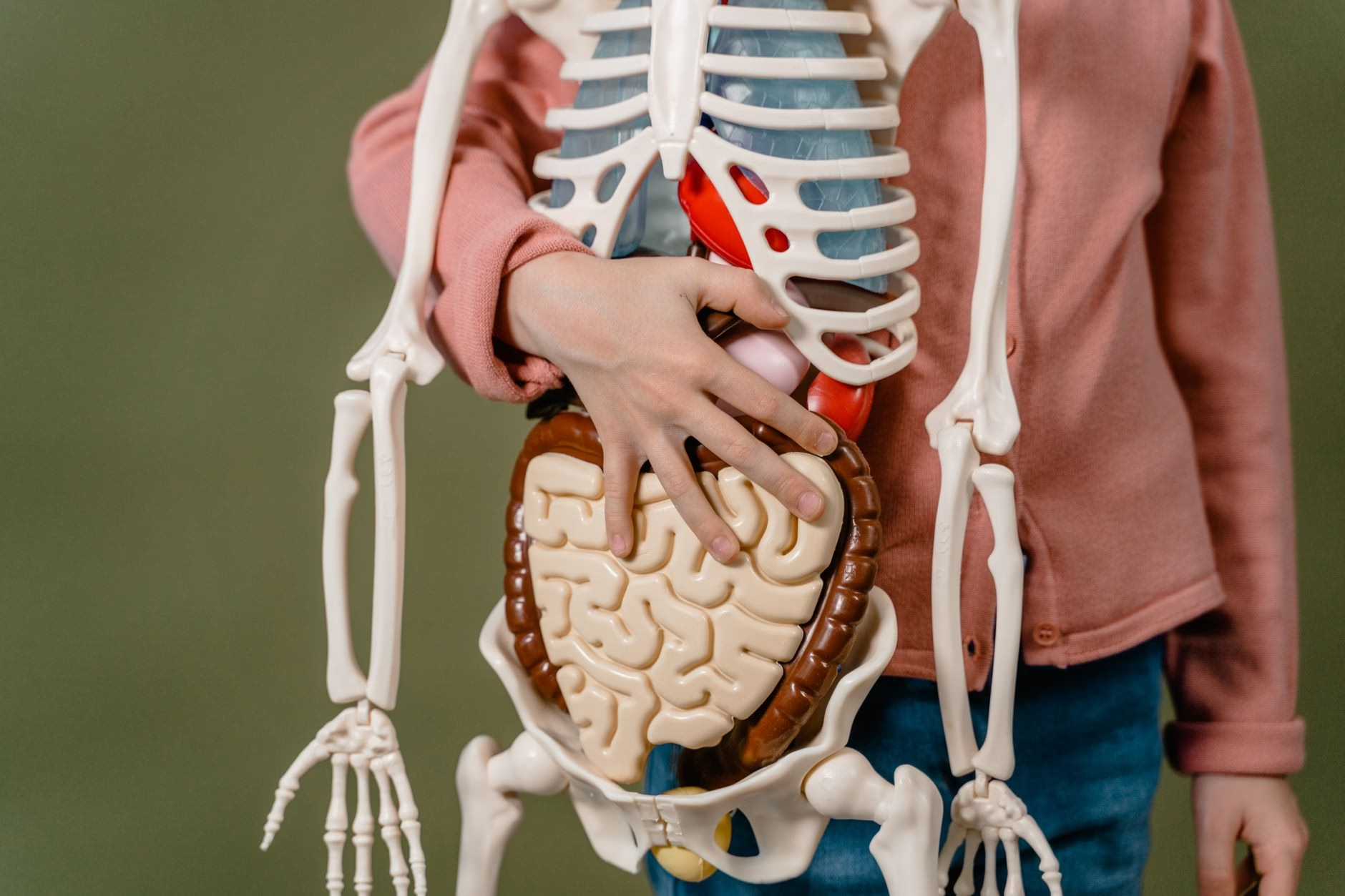
Your food tube starts at your mouth and ends at your bottom. The stomach is a bag that breaks food with acid and enzymes. It has strong muscles that mash food into small bits. Then food moves to the small intestine. There, it mixes with more enzymes from the pancreas. Bile from the liver helps break down fats. Nutrients pass through the wall into the blood. They go to every cell.
Waste moves to the large intestine. The large intestine absorbs water and salt. Then it makes the stool you pass as a bowel movement. These organs help you get energy and grow. If you have long belly pain, or you throw up a lot, see a doctor. Black or bloody stools can be a serious sign. You may need tests like an endoscopy or a stool test. You can keep your gut healthy with fiber from fruits, vegetables, and whole grains. You can drink water each day. You can avoid too much fatty or fried food. You can eat small meals more often to help your digestion.
The gut has many friendly germs called the microbiome. They help break down food and fight bad germs. Too much sugar or too many antibiotics can hurt these germs. A healthy gut can also help your mood and your immune system. You can eat yogurt or fermented foods to feed good germs. Always follow a safe plan for fiber and liquids to avoid tummy trouble. Talk with a diet expert or your doctor for a plan that fits you.
Skin
The skin is the body’s outer cover. It is the largest organ. It keeps germs out. It holds in water and oil. It helps control your temperature by sweating or shivering. It also gives you the sense of touch. You feel hot, cold, or pain with your skin. When you get a cut, the skin heals to close the gap. Sometimes the skin gets dry, itchy, or red. If you see a new spot, a sore that will not heal, or a rash that is very red, see a doctor.
These can be a sign of infection or skin disease. To keep your skin safe, use sunscreen with at least SPF 30. Wear a hat and cover your arms in strong sun. Clean your skin with mild soap. Drink water to stay hydrated. Avoid picking at spots or sores. You can talk to a doctor or a skin expert if you have questions about products or care.
The skin also helps you make vitamin D when the sun shines. Too much sun can burn your skin and cause damage over time. You can check your skin once a month for new growths or moles that change in size or color.
Protecting organs of the human body
You can keep your organs safe with daily habits and care. You can spot signs that need help. You can learn when to see a doctor. This helps you stay well for many years.
Daily Habits
Eat fruits and vegetables every day. Drink enough water. Get at least eight hours of sleep each night. Move your body with a walk, a swim, or a dance. Good food helps organs of the human body to get fuel. Try to have a plan for three meals a day. You can add snacks of fruit or nuts. Avoid food with too much salt or sugar. Keep a record of how you feel after meals.
If you feel weak or tired, talk to a diet expert. You can also track your water intake with a bottle or an app. Avoid tobacco and too much alcohol. Keep a healthy weight. Control your blood pressure and blood sugar. Get shots that your doctor says you need. These steps help prevent many organ problems.
Warning Signs
Know the red flags for each organ. A sudden problem in organs of the human body can be a sign of harm. Chest pain, new weakness, or trouble speaking may mean a heart or brain issue. High fever and hard cough can signal a lung infection. Yellow eyes or dark urine can mean a liver problem. Swelling in your feet or low urine may be from kidney damage. Severe belly pain or bloody stool can point to a gut issue.
A rash that will not heal or new spot can mean skin disease. In addition, if you have sudden weight gain, you may have fluid buildup. If you have sudden weight loss, you may have malabsorption. If your skin feels itchy, you may have liver or kidney issues. If you have very dry mouth, you may have dehydration. A new pain that does not go away should not be ignored. If you see these signs, get help fast.
Prevention Steps
Get regular checkups with your doctor. Follow their advice on tests for blood pressure, sugar, and cholesterol. Wash your hands to avoid infection. Use safe water and food. Wear a seat belt. Use a helmet when you ride a bike. Daily rest and water keep organs of the human body healthy. You can join a class for safe exercise. You can ask your doctor for a plan on how much to move each week.
You can learn how to read food labels to make better choices. You can find support groups to help you quit smoking or lose weight. These steps help make your care last. Keep your home smoke free. Ask your doctor about screening tests that you need by age and risk.
When to Seek Help
If you have any sudden or severe symptoms, call emergency services. Do not try to guess what is wrong at home. A sudden problem may need quick care. If you feel confused, dizzy, or faint, get help fast. If you cannot speak clearly or you have weakness on one side, get care.
If you see blood in your vomit or stool, find help. If you have a sudden swelling in one arm or leg, get to the ER. If you have known heart, liver, or kidney disease and you feel worse, call your doctor. If in doubt, have someone check you. A quick check may save your life.
Conclusion
Every organ in your body has a special job. You depend on them to live and grow. You can help them with good food, rest, and safe habits. You can learn the signs that you need help. You can seek care before small issues get big. With good habits, you can protect organs of the human body and live well. Always talk to a health provider if you are not sure about a symptom. This guide is for info.
Use it to keep your parts safe and strong. You can use this guide to learn more. You can call your clinic for checkups. You can save a life with quick actions. You can teach your family to know the signs too. Keep a list of your medicines and tests. Show it to your doctor. This simple step can help you get the right care.