human body facts are key to see how our body works. You will read about parts. You will learn about cells. You will read about water, bones, brain, and heart. You will learn what your skin does. You will see what your liver does. You will see how your kidneys help. You will see how your blood flows. You will see how air moves in and out of your lungs. These facts can help you care for your body. They can help you pick good habits. They can help you eat and drink well. They can help you know when to rest. They can help you know when to seek care. We will use facts from trusted sources. We will show data. We will explain in simple words. We will show when to call a doctor. We will show how to keep safe. This article will help you learn. You can use it as a guide. It can be a start to care for your health. Let us begin. Read on to find clear data. We will link to health group sites. Each link is from a trusted group. You can click to learn more. Keep this guide near you.
Key Takeaways
| Takeaway | Explanation |
|---|---|
| Learn key human body facts | This can help you know how to care for the body. |
| Apply human body facts daily | Use this to guide your drink and food habits. |
Basic human body facts
Key human body facts on water
The body is about sixty percent water in adults. Water lives in cells. It helps move nutrients. It helps carry waste away. It helps keep temperature in range. You lose water in sweat and breath. You lose it when you go to the bathroom. You must drink enough water each day. You can get water from food too. Fruits and vegetables have water. Water also helps blood flow. It helps joints move. It keeps the mouth and eyes wet. It can help skin stay soft. If you do not drink enough, you can feel tired. You can feel dizzy. You can feel weak. Very low water can cause a medical issue. Talk to a health worker if you see dark urine or confusion. Check the Centers for Disease Control and Prevention (CDC) guidelines for safe water intake. These human body facts show how water acts in cells.
Brain and energy
The brain weighs about three pounds in most adults. It uses up to twenty percent of energy at rest. It needs fuel all the time. It runs on sugar and oxygen from the blood. If you fast for long, your brain may feel weak. You may feel slow. You may feel sad. Good food helps the brain work well. You need carbs, protein, and fat. You need vitamins too. You need water for your brain. You need sleep too. Lack of sleep can slow you down. You need breaks when you read or work. Move and stretch to boost blood flow. If you have confusion or very bad headache, seek care right away. See the National Institutes of Health (NIH) for brain health info. These human body facts show why the brain uses much energy.
Heart and blood
The heart pumps blood. It beats sixty to one hundred times per minute at rest. It can pump more when you run or feel stressed. It moves about five liters of blood each minute at rest. Blood carries oxygen and nutrients to cells. Blood brings waste to kidneys and liver. Your blood volume is about five liters in most people. Good heart care cuts risk of disease. You need to move and do aerobic activity. You need to eat less salt and fat. You need to keep your weight in a healthy range. If you feel chest pain or shortness of breath, get help fast. See Mayo Clinic for heart health tips. These human body facts show how the heart pumps blood.
Kidney and waste
Your kidneys filter your blood. They clean about one hundred twenty to one hundred fifty quarts of fluid per day. That is about ninety to one hundred eighty liters. They make urine to remove waste and extra water. They help keep salt and other minerals in balance. You need to drink enough water for kidney health. You need to keep blood pressure in range too. High blood pressure can harm kidneys. Low water can harm kidneys. If your urine stops or you see swelling in legs, see a doctor. Talk if you have very high blood pressure or blood in your urine. These human body facts help us see how kidneys clean blood.
Skin and guard
The skin is the largest organ by surface area. It covers your whole body. It stops infection. It holds in water. It shields you from cuts and germs. It helps you feel touch, hot, and cold. It helps you keep your temperature. If you have a cut, the skin can heal well in many cases. You need to keep skin clean. You need to use sun block to shield from UV light. You need to see a doctor if you have red patches. See a doctor if you have fever with rash. You need to act fast if the skin is very swollen or it hurts a lot.
Amazing human body facts on bone
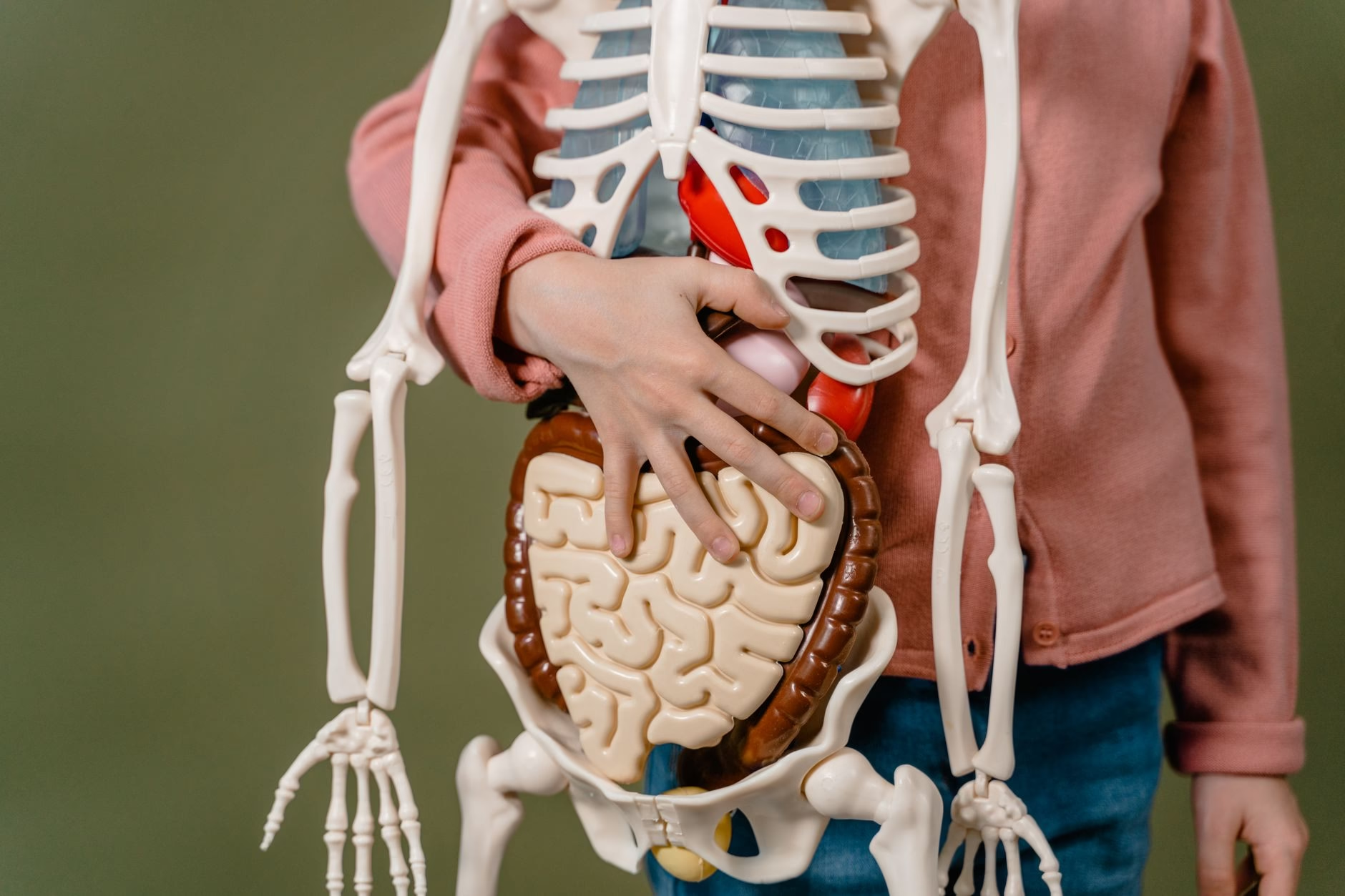
Your skeleton has two hundred six bones in most adults. Babies start with about two hundred seventy bones. Some bones join as you grow. Bones give your body shape. Bones protect your brain and organs. Your skull guards your brain. Your ribs guard your heart and lungs. You need calcium and vitamin D for strong bones. You need weight work and safe moves to build bone. If you have bone pain that lasts, see a doctor. If you break a bone, get care right away. Bones can heal with rest and care. Some breaks need a cast or surgery. You can do small moves to keep from falling. You can use a rail or cane to stay safe when you walk.
Muscle and move
Muscle makes up about forty percent of your body weight in many adults. It helps you move. It helps you stand. It helps you keep your balance. It makes heat when you move. It helps keep bones strong. You need protein and exercise for healthy muscle. You need to rest muscles after hard work. You need to stretch to keep muscle loose. If you feel pain or very weak in one area, see a doctor. If you feel cramps that do not end, get help. You can use simple weights or bands at home. You can roll or stretch to ease tight spots. You can stand and move often if you sit for long.
Liver and health
The liver is the largest internal organ by mass. It weighs about three pounds in adults. It cleans toxins from blood. It helps break down foods. It makes proteins needed in the body. It stores energy for when you need fuel. You need to limit alcohol to keep the liver safe. You need to avoid some medicines in high dose. You need to keep weight in a healthy range. If you see yellow skin or eyes, see care right away. If you have dark urine or very pale stool, call a doctor. These human body facts explain the liver role in detox.
Lungs and breath
The lungs hold hundreds of millions of tiny sacs called alveoli. They bring oxygen into blood. They take carbon dioxide out. You need to breathe tens of thousands of times each day. You need clean air to keep lungs healthy. You need to avoid smoke and dust. You need vaccines to guard against lung germs. If you feel short of breath or cough blood, seek care fast. You need a doctor if you hear a wheeze or feel tight chest. You need to act if you have fever with cough. These human body facts explain how air fuels cells.
Daily habits for body care
Drink plain water each day. You can drink small cups often. Eat foods with water like fruits and vegetables. You can learn which foods have more water at Foods High in Magnesium. Eat foods high in potassium like bananas. See Foods High in Potassium for a list. Check your blood pressure on your phone. You can use an app. See How to Check Blood Pressure on iPhone. You can also learn on Apple Watch and Samsung Health App. Move your body at least thirty minutes most days. Sleep eight hours each night when you can. Eat lean protein, fruits, and veggies. Avoid too much sugar and salt.
Warning signs and when to seek professional care
- Chest pain or shortness of breath
- Sudden severe headache or confusion
- Weakness or numbness on one side
- Sudden changes in urine output or color
- Swelling in legs or face
- Severe abdominal pain or yellow skin
- High fever with rash or red skin
- Severe dehydration signs like dizziness
If you see these signs, call emergency services. Do not wait. If in doubt, get help. A nurse or doctor can guide you. Online info is not a full care plan. Always seek real care for urgent issues.
Conclusion
Your body has many parts working as one team. Water pours through cells and organs. The brain runs on food and air. The heart pumps blood without a rest. Kidneys clean waste each day. Skin keeps out germs and water. Bones give you shape and guard organs. Muscles help you move and make heat. The liver cleans toxins and stores fuel. Lungs bring in air and send out waste gas. You can keep your body safe. You can learn more from health sites. You can do small moves every day. You can eat well and drink water. You can sleep and rest when you need. You can watch for warning signs. You can call a doctor if you are not sure. This guide can help you start. Stay safe. Stay well.