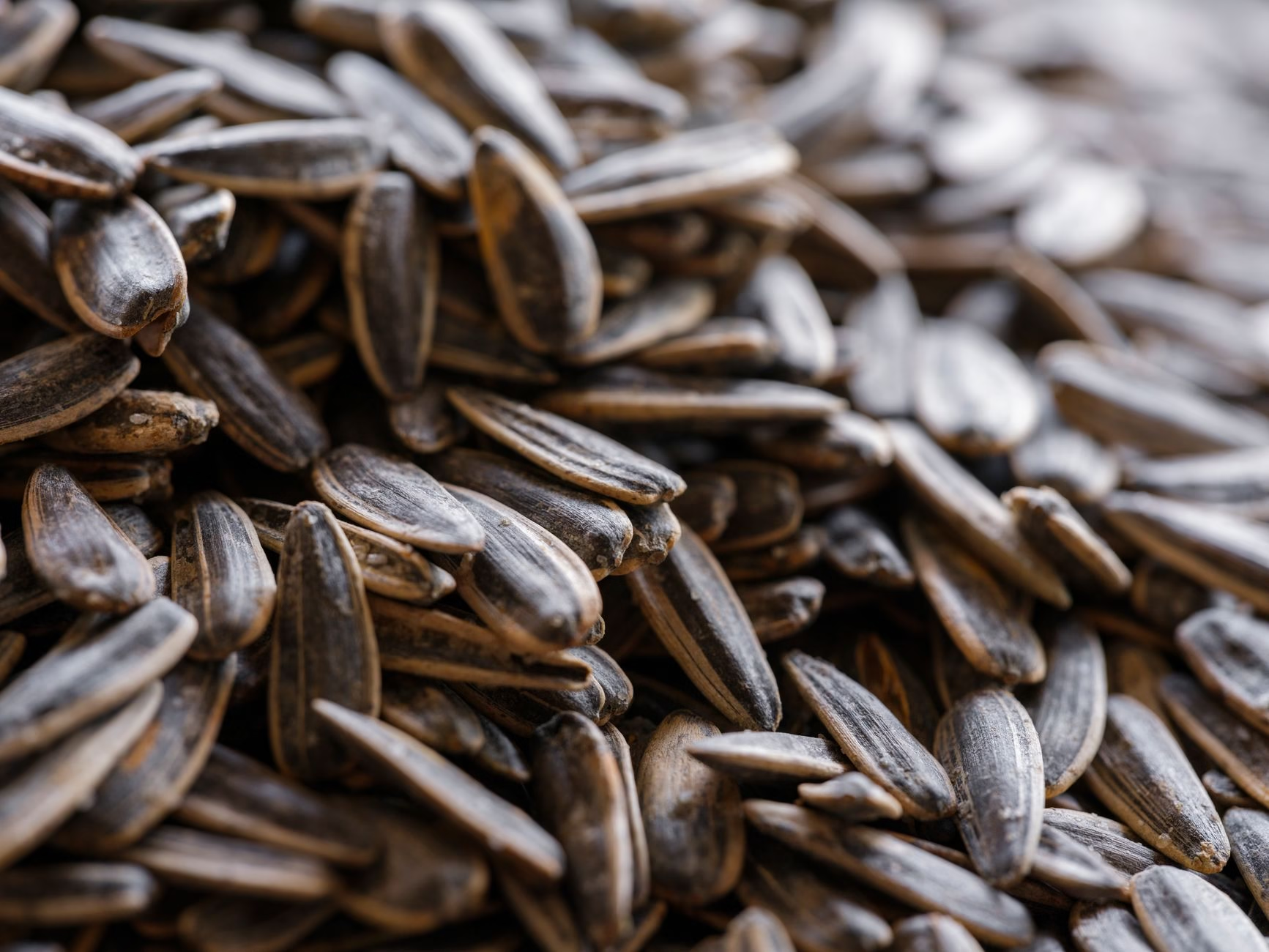
foods high in magnesium are key to a strong body. This mineral helps with muscle work and nerve work. It makes energy in the body. It keeps bones strong. It also helps keep blood pressure in a safe range. You get magnesium from some foods. Most people can get enough from food. It can be best to pick foods that have many good nutrients. You can eat nuts, seeds, beans, and green leafy plants. You can also eat grains that are not refined. This idea is for people who want health. We will share what to eat each day. We will show how much is right. We will share safe limits. We will also tell you when to see a doctor. This guide is not a plan for a sick person. It is a general guide. If you have health issues, talk to a doctor. This article is your food guide for good magnesium. It will help you know which foods are best. It also helps with sleep and mood. It aids in blood sugar control. You will learn meal and snack ideas. You will learn about low intake signs. You will learn how to add it to menus. Easily.
Key Takeaways
| Key Takeaway | Explanation |
|---|---|
| Magnesium in foods high in magnesium | Food gives more than magnesium alone. |
| Track foods high in magnesium | Helps meet daily amount with meals. |
foods high in magnesium: top sources
Many foods can help you meet your magnesium and other needs. The list below shows common foods. These foods have a lot of magnesium in each serving. All values are estimates. Check labels and USDA FoodData Central for exact amounts.
| Food | Serving | Magnesium (mg) |
|---|---|---|
| Pumpkin seeds, roasted | 1 ounce | 150–160 |
| Chia seeds | 1 ounce | 110 |
| Almonds, dry roasted | 1 ounce | 75–80 |
| Cashews, dry roasted | 1 ounce | 70–75 |
| Peanut butter | 2 tablespoons | 45–50 |
| Cooked spinach | 1/2 cup | 75–80 |
| Cooked Swiss chard | 1/2 cup | 70–75 |
| Black beans, cooked | 1/2 cup | 60 |
| Edamame, cooked | 1/2 cup | 45–50 |
| Lentils, cooked | 1/2 cup | 35–40 |
| Brown rice, cooked | 1/2 cup | 40 |
| Oatmeal, cooked | 1 cup | 55–60 |
| Fortified breakfast cereal | Varies | Varies |
| Baked potato with skin | 1 medium | 40–50 |
| Plain yogurt | 1 cup | 40–45 |
| Soy milk | 1 cup | Varies |
| Dark chocolate (70–85% cacao) | 1 ounce | 60–65 |
| Avocado | 1 medium | 55–60 |
| Salmon or halibut, cooked | 3 ounces | 20–30 |
Seeds and nuts top the list for magnesium. They are easy to eat on the go. A small handful can give a big boost. Pumpkin and chia seeds pack the most. Almonds and cashews are also simple. Nut butters like peanut butter spread easily on toast.
Legumes and grains are another key group. Beans, lentils, and peas can be in soup or salad. Brown rice and oatmeal can be a base for meals. Whole grains keep the grain parts that hold magnesium. Refined grains lose much of their mineral content.
Leafy greens are rich in chlorophyll, which has magnesium at the center of each molecule. Spinach and Swiss chard are common choices. Cooked greens shrink in size, so you get more per bite. Fresh greens also offer vitamins A and C.
Some dairy and soy foods also add magnesium. Plain yogurt and soy milk can fit into smoothies. You can check the label on soy milk brands for exact amounts. Dark chocolate is also a treat that gives a bit of magnesium. It can be a lower cost and a tasty snack.
Why magnesium matters
Magnesium is a main mineral in body health. It works in over 300 enzyme actions. It helps muscles move and nerves send messages. It also aids energy use and blood sugar control. It helps make proteins and bones. It can help keep blood pressure in a safe range. The body holds most magnesium in bones and soft parts. Only a small amount is in the blood at one time. A blood test may not show total stores in the body. For detail, see the NIH fact sheet.
Magnesium also works with calcium to help muscles relax after they contract. This balance lets muscles work and rest without cramps. It also helps nerves talk to muscles so you can move with control. If magnesium is low, muscles can feel tight or sore.
Energy in cells depends on magnesium too. It helps convert food into energy you use each day. A lack can make you feel tired or weak. It also plays a role in making proteins and DNA. All cells in the body need magnesium to make new parts.
Why foods high in magnesium support health
Whole foods bring more than magnesium alone. Nuts and seeds add healthy fats and fiber. Beans give protein and other minerals. Green leafy plants have vitamins and plant fluid. Whole grains add more parts of the grain. These parts hold more magnesium. Eating these foods can help you get more of all these nutrients.
How foods high in magnesium help bones
Most magnesium sits in the bones. It helps bone cells grow and stay strong. It also works with calcium and vitamin D. All three help keep bone mass and hard tissue. Good bone health can lower the risk of breaks and loss of bone.
How much magnesium do adults need?
The amount of magnesium you need varies by age and sex. Men age 19–30 need about 400 mg per day. Men over 30 need 420 mg per day. Women age 19–30 need about 310 mg per day. Women over 30 need 320 mg per day. Pregnant and lactating women need a bit more. For exact needs, see the NIH fact sheet. You can meet daily need by eating foods high in magnesium.
Magnesium needs go up in some life stages. Teens and older adults follow the same adult guide. Pregnant teens need about 400 mg per day. Breastfeeding teens need about 360 mg per day. Pregnant women over 19 need about 350 mg per day. Breastfeeding women older than 19 need about 310 mg per day. These amounts help support baby growth and milk production.
Most people who eat a varied diet get close to these amounts. You can use a food log or app to track intake. If you see low numbers, plan to add more nuts, seeds, or beans. Some foods also add small magnesium doses in each meal.
Simple meal and snack ideas
It is easy to add magnesium foods to your day. Try seeds on yogurt or salad. Use whole grain toast with nut butter. Add beans to rice or soup. Keep edamame or nut mixes on hand. Yogurt with pumpkin seeds makes a quick snack. Fortified cereal with milk adds more. Snack ideas for kids can work for adults too. Try snacks with foods high in magnesium like seeds or beans.
Here are some easy ideas:
- Breakfast: Oatmeal with chia seeds, berries, and a dollop of peanut butter.
- Lunch: A whole-grain wrap with beans, avocado, and spinach.
- Snack: Plain yogurt with pumpkin seeds and fruit.
- Dinner: Brown rice bowl with black beans, roasted veggies, and nuts.
- After dinner: A small piece of dark chocolate or a smoothie with soy milk.
Add vegetables like spinach or chard to soups and stews. Blend greens into smoothies for a mild taste. Use nut butters on fruit or crackers for a quick bite. Try a trail mix with nuts, seeds, and dried fruit. These meals can help you add more nutrients at each meal.
What happens when magnesium intake is low?
Low magnesium can occur without clear signs. Mild low levels may not show any symptom. More serious low levels can cause tiredness and weak muscles. You may see muscle cramps or twitching. You may feel numb or tingle in hands or feet. Your heart beat can be off. You may have nausea or vomiting. Not getting foods high in magnesium can lead to low levels. If you have these signs, do not self-diagnose. See a health worker for tests.
Learn more at the MedlinePlus website.
Even mild low magnesium can affect sleep. Some people may have trouble falling asleep or staying asleep. Magnesium helps the body calm down, so a lack may keep you awake. It also helps make the sleep hormone melatonin.
Low magnesium can also alter blood sugar control. It plays a part in how insulin works. If you already have blood sugar issues, low magnesium may make them worse. A balanced diet can help support healthy blood sugar levels.
Who may be at higher risk of low magnesium?
Some people may not get enough magnesium from food. People who eat very little food or who lack food variety may be low. People who drink a lot of alcohol can lose magnesium more. Those with long diarrhea or vomiting can lose too much. People with celiac disease or Crohn’s disease may not absorb enough. Poorly controlled diabetes can cause higher loss in urine. Some medicines can also lower magnesium. People who avoid foods high in magnesium can risk low intake. If you think you have low magnesium, talk to a health worker.
Below are common causes of low magnesium:
- Poor diet: Too few fruits, vegetables, and whole grains.
- Alcohol use: Heavy drinking can increase loss in urine.
- Digestive issues: Diseases like celiac or Crohn’s affect absorption.
- Medicine use: Some diuretics and long-term stomach acid pills.
- Kidney issues: The kidneys may leak too much magnesium.
- Diabetes: High blood sugar levels can lead to more loss.
Older adults may have lower intake and lower absorption. Their bodies may not use nutrients as well. Eating a variety of magnesium foods can help reduce risk.
Food versus magnesium supplements
For most people, food is the best source of magnesium. Food also has fiber and other nutrients. Supplements can help but foods high in magnesium are safer. If a health worker finds your magnesium is low, they may give pills. Some people with kidney disease need to be careful. A health worker will choose the best supplement form and dose. You can ask a pharmacist or a doctor for advice. See the Mayo Clinic for supplement info.
Food sources come with fiber, protein, and healthy fats. These can help digestion and heart health. Supplements give a set dose of magnesium but lack other nutrients. They can cause loose stools if you take too much.
There are several forms of magnesium in pills. Some common types are magnesium oxide, citrate, and glycinate. Magnesium citrate is more gentle and may be easier to absorb. Glycinate may cause less diarrhea. Your health worker will pick the form that fits your needs. If you take other medicines, timing of doses can matter. Ask your pharmacist how to space them.
Safety and when to seek care
Do not use magnesium pills as a cure for health problems. Talk to a doctor before you start any new supplement. The safe upper level for magnesium from pills and medicines is 350 mg per day for adults. This level does not count the magnesium in food. Too much pill magnesium can cause diarrhea, nausea, or cramps.
People with kidney disease must be careful. A weak kidney may not clear extra magnesium. High magnesium in the blood can cause slow heart rate or breathing. Always talk to a doctor before starting pills if you have kidney disease.
Magnesium can interact with many medicines. It can reduce how well some antibiotics work. It can also affect heart or bone medicines. Always check with a pharmacist or see the Mayo Clinic for safe timing.
FAQ
- What food is highest in magnesium? Pumpkin seeds are one of the top sources. They have about 150 mg per ounce.
- Are bananas high in magnesium? Bananas have some magnesium, but not as much as seeds or nuts. They have about 32 mg each.
- Is dark chocolate a good magnesium source? Yes. Dark chocolate can have about 60 mg per ounce. Watch for added sugar and calories.
- Can magnesium-rich foods help muscle cramps? Eating more foods with magnesium may help some people. But cramps have many causes. Talk to a health worker for worry.
- Can I get too much magnesium from food? It is very unlikely. Food magnesium does not cause harm at high intakes.
Conclusion
Magnesium is a key mineral for health. It helps muscles, nerves, bones, and energy. You can get enough from food. You do not need pills if you eat a good mix of foods. Choose foods high in magnesium first. Use seeds, nuts, beans, grains, and greens. Check food labels and choose whole grains. If you have health issues, talk to your doctor or a diet helper. They can test your magnesium level. They can guide you on pills if you need them. A food-first plan is safe for most people. Track your intake in a journal or app. Aim to meet your daily need each day. A balanced plate can give you good health.