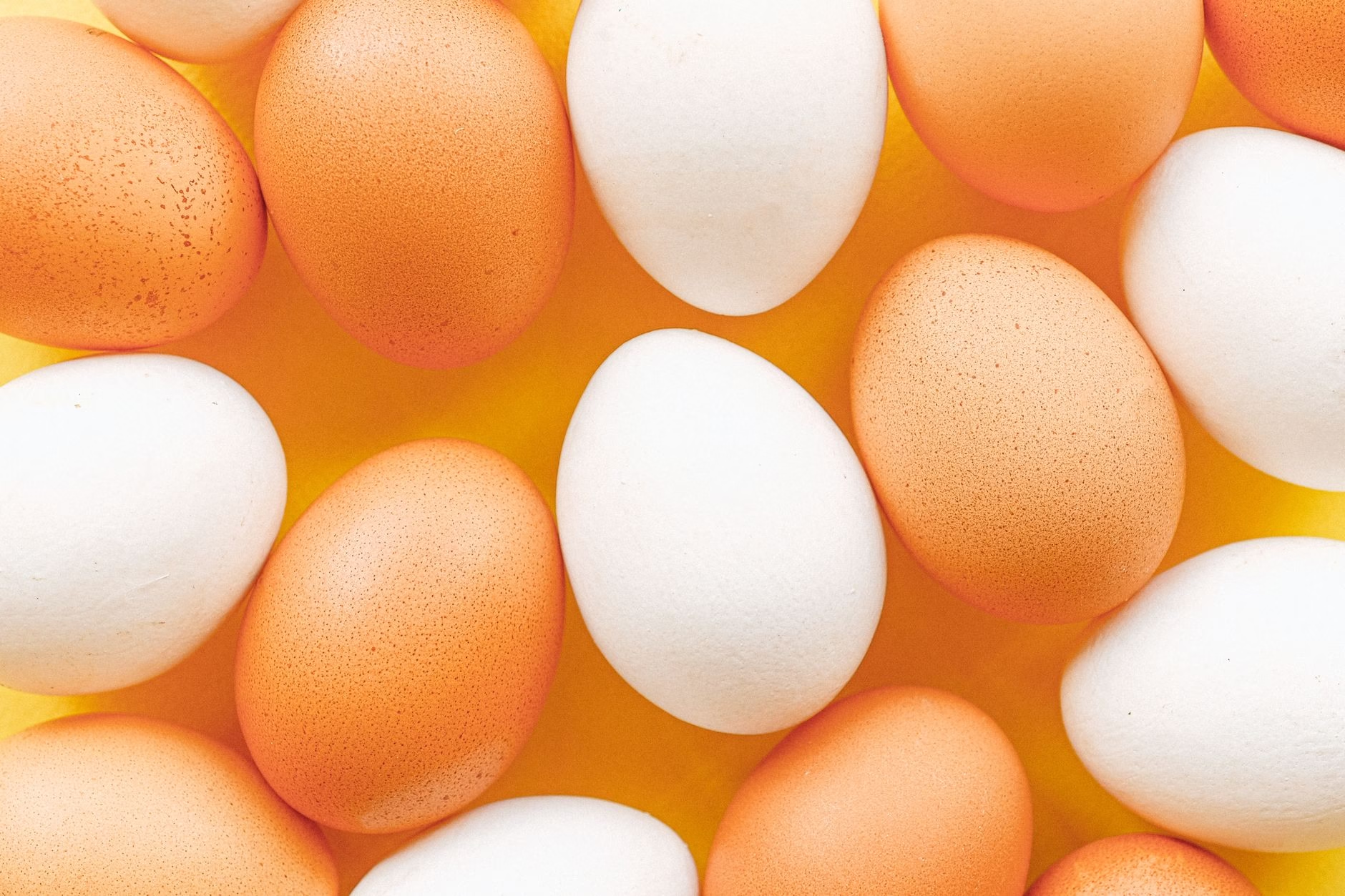
eggs nutrition is a vital part of a strong diet. Eggs are easy to buy and low in cost. They give high quality protein and healthy fats. In this article, we will look at egg nutrients. We will share facts on calories, protein, and key vitamins.
You will learn how eggs can help your brain, eyes, and muscles. We also cover heart health and cholesterol notes. We offer safe cooking advice. We note food safety steps to reduce risk of Salmonella. We explain allergy signs. We say when to see a pro. You will find tips for moms and kids. We keep words simple. We use clear steps. We list check points for egg use. We link to top health sites.
We make it easy to read. We give proof from experts. We explain why eggs fit a healthy plan. We cover cooking ways and risk warnings. We show how eggs can be part of a balanced diet. We aim to help you eat eggs with care. We write for all ages. We make health info clear. We invite you to read on. Your health may grow with this food. It is a start to strong nutrition with eggs. Enjoy.
Key Takeaways
| Takeaway | Details |
|---|---|
| High protein | eggs nutrition gives 6g of full protein in each egg. |
| Rich nutrients | eggs nutrition includes key vitamins and minerals for body. |
eggs nutrition: nutrient profile
Eggs are full of good nutrients. One large egg has about 70 calories. It holds 6 grams of protein. This helps build and repair body parts. Eggs also give small vitamins and minerals. They have vitamin B12 for nerves. They offer riboflavin to help make energy. Eggs give biotin for healthy hair. They have choline for brain work. Selenium in eggs guards cells from harm. Iodine in eggs helps the thyroid.
The yolk has lutein and zeaxanthin for eye care. Eggs can also give vitamin D. Each part of an egg is useful. The white is nearly all protein. The yolk has most fat and vitamins. Together they form a full food. You can eat eggs plain or in dishes. They fit in soups, salads, and more. You can add them to toast or rice. Eggs work in many meals. They bring color and taste too. You get a lot in a small shell. Eggs can be a daily food. This one small food packs many goods.
Calories and Macronutrients
One egg has about 70 calories. Most of the calories come from fat and protein. You get about 5 grams of fat and 6 grams of protein. There is also about 1 gram of carbs. The fats are mostly the kind that help your heart.
You get unsaturated fats that can help lower bad cholesterol. The protein in eggs is full and complete. This means it has all the amino acids your body needs. You can track eggs nutrition per serving. A list or app can help you count calories and protein. This can aid people who watch weight or build muscle. You can boil, poach, or bake eggs without oil to keep fat low. You can also make an omelet with veggies. This adds fiber, which eggs lack. A mix of eggs and plants makes a balanced plate.
eggs nutrition and heart health
Egg yolks have cholesterol. A large yolk has about 185 mg of cholesterol. Old guides told people to limit eggs. New studies show one egg a day is okay for most healthy people. Your overall diet is more key than one food.
Foods high in saturated fat raise bad cholesterol more than eggs. If you have diabetes or a family history of high cholesterol, ask a doctor. A pro can test your blood lipids. They can tell you how many eggs fit your plan. For heart health, eat fruits, veggies, whole grains, and nuts too. Eggs can be part of a heart healthy plate. Use American Heart Association guidance to learn more. Keep your meals varied. Drink water. Move your body each day.
Eye and Brain Support
Egg yolks are rich in lutein and zeaxanthin. These are special pigments for the eye. They can help lower the risk of age related eye disease. Eggs also give choline. Choline helps the brain make a chemical that sends messages. This is key for memory and mood. Eggs can help people of all ages. Kids need choline to grow their brain. Older adults need it to help memory. Do not get raw eggs in shakes. Cook them first. This makes them safe. Add eggs to a salad or toast for a bright meal. You get eye and brain support in a small bite. This makes eggs a smart food for all meals.
eggs nutrition in pregnancy
Pregnant women need more protein and choline. One egg gives about 150 mg of choline. Choline helps the baby’s brain grow. Eggs also have iron and folate which help make blood cells. Always cook eggs well in pregnancy. This cuts the chance of Salmonella sickness. Soft yolks are not safe. Cook until both white and yolk are firm. You can boil or bake eggs. You can stir eggs in soup. You can add eggs to bread or muffins. Talk with a clinician or dietitian if you have diet concerns. They can help you plan safe meals. Eggs can be a low cost way to add protein and choline.
Food Safety and Cooking
Raw eggs may carry Salmonella. This can cause fever, diarrhea, and cramps. To lower risk, keep eggs cold. Store them in the fridge at 40°F or below. Do not leave eggs out for more than two hours. Wash hands and counters after you touch raw eggs. Cook eggs until firm. Boil eggs for at least nine minutes after water boils. Stir egg dishes and bake until they reach 160°F inside. Do not eat raw cookie dough or homemade mayo. This can have raw egg. If you get sick after eggs, see a doctor. For more safety tips, visit CDC guidance on eggs.
Allergy and Sensitivity
Egg allergy is common in kids. It can cause hives, rash, or breathing trouble. Some may feel sick in the gut. Severe cases need an epinephrine shot. If you think you are allergic, see an allergist.
They can do a test. People with egg allergy must avoid all eggs and egg in foods. This includes cake, pasta, and some vaccines. Read labels. Some foods say they “may contain egg.” No home remedy can cure an egg allergy. It often fades by age five. But it can last. A doctor can guide you. They may use small doses of egg in a clinic for safety. Do not try this at home.
Diet Patterns and When to Seek Care
Eggs fit in many diet plans. You can use the food in low carb or balanced diets. If you have high blood pressure, you can still eat eggs. See eggs and blood pressure for more. If you have high LDL or diabetes, talk to a pro.
They can watch your blood tests. They may limit egg yolks or suggest egg whites only. Use a food log to note eggs nutrition intake. If you feel weak, sick, or get chest pain after eggs, get help right away. If you have fever and diarrhea after eggs, call your doctor. For long term diet help, see a dietitian.
Conclusion
Eggs are a full food. They give good protein, fats, and many vitamins. You can track eggs nutrition to meet your goals. Most people can eat one egg a day with no harm. Cook eggs well to stay safe. People with allergy or certain health issues need to get advice. Eggs can boost brain, eye, and muscle health. They can fit in balanced meals. Use safe food steps and watch portion size. Good eggs nutrition can help you reach your health goals.