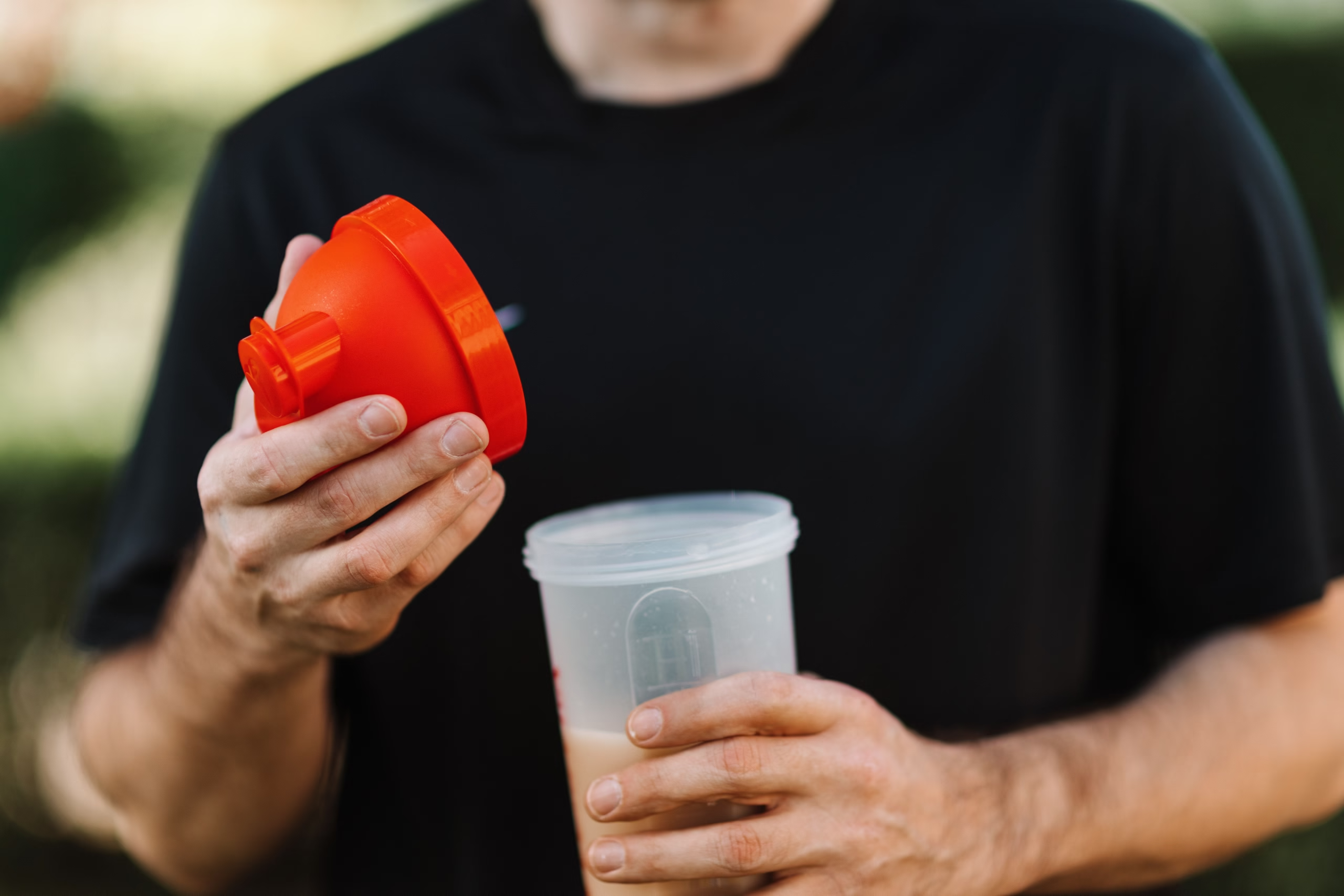
Why Protein Matters for Your Body
If you have spent any time browsing the wellness aisle or scrolling through social media, you have likely seen protein touted as the ultimate nutritional hero. From powdered shakes to high-protein snacks, it seems like everyone is focused on hitting a specific number. But what exactly is protein, and why does your body need it? At its core, protein is a foundational building block for your entire system. It is made up of amino acids, which are essentially the ‘bricks’ that your body uses to build and repair tissues, including your muscles, skin, hair, and even your internal organs.
Beyond structural support, protein plays a vital role in creating enzymes and hormones that keep your metabolism running smoothly and your immune system strong. When we talk about Nutrition & Diet, protein is often the most discussed macronutrient because of its satiating effect—it helps you feel full longer than carbohydrates or fats might on their own. While the hype can sometimes feel overwhelming, the reality is that protein is an essential part of a healthy, balanced lifestyle for every adult.
Understanding the Recommended Dietary Allowance (RDA)
Many people find themselves confused by the wide range of advice regarding protein intake. On one hand, you have fitness enthusiasts recommending massive amounts of protein for muscle growth, and on the other, you have standard government guidelines. The Recommended Dietary Allowance (RDA) for protein for the average sedentary adult is 0.8 grams per kilogram of body weight (or about 0.36 grams per pound). This is the minimum amount your body needs to prevent deficiency and maintain basic cellular function.
It is important to note that the RDA is a baseline, not necessarily an ‘optimal’ target for everyone. For someone who leads a relatively sedentary life, this baseline might be perfectly sufficient. However, as your lifestyle changes—whether you become more active or your physiological needs evolve—that baseline number may need to shift. If you are ever unsure about your specific needs, it is always a good idea to speak with your primary care physician or a registered dietitian who can look at your personal health history and goals.
How Activity Levels Change Your Needs
Your level of Exercise & Fitness is one of the biggest factors in determining how much protein you should consume. When you engage in consistent physical activity, especially resistance training or endurance sports, your muscle fibers undergo microscopic tears. Protein is the repair crew that fixes those fibers, helping you recover and become stronger over time. Because of this, active individuals generally require more than the sedentary RDA.
Current research suggests that those who exercise regularly may benefit from consuming anywhere from 1.2 to 2.0 grams of protein per kilogram of body weight. The intensity and type of activity matter; a long-distance runner has different needs than a powerlifter, but both require more protein than someone who spends most of their day at a desk. It is not about ‘loading up’ on protein until you feel sick, but rather ensuring you have enough to support the physical work you are putting your body through.
Protein and Weight Management
For those interested in Weight Management, protein is often a helpful tool. Because protein takes longer to digest than many other foods, it can help regulate your appetite and reduce the urge to snack between meals. When you include a source of protein at breakfast, for example, you are often less likely to experience a mid-morning energy crash or an intense craving for sugary snacks.
However, it is important to avoid viewing protein as a magic bullet for weight loss. Eating excessive amounts of any macronutrient, including protein, still provides calories. If your goal is to manage your weight, protein is best used as a part of a balanced plate that also includes fiber-rich vegetables, complex carbohydrates, and healthy fats. Focusing on whole-food sources—such as beans, lentils, poultry, fish, tofu, and nuts—often provides the added benefit of vitamins and minerals that processed protein bars simply cannot match.
The Role of Age and Lifecycle
Our bodies change as we age, and our protein needs often shift right along with them. As we enter middle age and beyond, maintaining muscle mass becomes increasingly important for mobility and metabolic health. Some studies suggest that older adults may actually benefit from a slightly higher protein intake to counteract the natural loss of muscle mass that occurs with aging, a process known as sarcopenia.
Similarly, protein needs can be influenced by various stages of life. For instance, in the context of Women’s Health, pregnancy and breastfeeding increase the demand for protein to support the growth and development of the baby. Men’s Health also sees unique considerations, as hormonal changes can affect how the body synthesizes protein. These are not reasons to panic or start tracking every single gram, but they are reminders that your body’s requirements are dynamic, not static. If you are navigating a major life change, a quick chat with your doctor can provide clarity on whether you need to adjust your dietary approach.
Are You Getting Enough? Signs to Watch For
Most adults in developed countries actually get enough protein through their regular diet without much effort. If you eat a diverse range of foods, you are likely hitting your baseline needs. However, there are times when people may fall short, particularly if they follow restrictive diets or have difficulty accessing nutritious, whole foods. Signs that you might not be getting enough protein can include persistent fatigue, weakness, feeling hungry shortly after meals, or experiencing slow recovery from minor injuries.
If you suspect you aren’t getting enough, the solution is usually simple: add a small serving of protein to your meals. You don’t need to overhaul your entire kitchen overnight. Start by adding an egg to your breakfast, a handful of chickpeas to your salad, or a cup of Greek yogurt as a snack. Small, consistent changes are almost always more sustainable than drastic, short-term dietary shifts.
Quality Matters: Choosing Your Sources
Not all protein is created equal. While it is easy to find protein in ultra-processed snacks, the best protein sources are those that come packaged with other nutrients. Animal proteins, such as eggs, dairy, fish, and lean meats, are considered ‘complete’ proteins because they contain all nine essential amino acids that your body cannot produce on its own. However, this does not mean that plant-based eaters are at a disadvantage.
If you prefer plant-based nutrition, you can get all the amino acids you need by eating a variety of sources throughout the day. Combining foods like rice and beans, or simply eating a varied diet of legumes, seeds, nuts, and soy products, ensures your body gets the full spectrum of amino acids. Whether you prefer a steak or a lentil stew, the key is variety. When you focus on whole, minimally processed foods, you are not just getting protein; you are getting a wide array of vitamins, minerals, and antioxidants that support overall longevity.
Common Myths and Misconceptions
There is a persistent myth that eating ‘too much’ protein will damage your kidneys. For the vast majority of healthy adults with normal kidney function, moderate increases in protein intake are perfectly safe. Your kidneys are highly capable organs designed to filter waste products from your blood. If you have a pre-existing kidney condition, however, your doctor may recommend specific protein limits. This is a perfect example of why personalized medical advice is so much more valuable than general advice found online.
Another common misconception is that you must consume protein within 30 minutes of a workout to see any benefits. While post-workout nutrition is a popular topic, the total amount of protein you eat throughout the entire day is far more important than the timing of a single meal. Your body is excellent at storing and utilizing amino acids over several hours, so don’t stress if you can’t get to a protein shake immediately after the gym.
Practical Tips for a Balanced Approach
To summarize, the goal should be a sustainable, balanced approach to eating. You don’t need to obsess over a calculator or track every gram unless you have specific athletic or medical goals. Here are a few practical ways to ensure you are meeting your needs:
First, aim for a source of protein at every meal. This helps keep your energy levels stable and keeps you full. Second, prioritize variety. Rotate between plant and animal sources to keep your diet interesting and nutrient-dense. Third, listen to your body. Are you feeling energized? Are you recovering well from your daily activities? Are you satisfied after your meals? These cues are often more reliable than any arbitrary number.
Finally, remember that nutrition is just one pillar of health. While we often focus heavily on what we put in our bodies, other factors like restorative sleep, managing daily stress, and staying hydrated are just as important for your long-term wellness. If you feel that your diet is lacking or you are struggling with specific health goals, do not hesitate to reach out to a professional. A doctor or a registered dietitian can help you cut through the noise and create a plan that fits your unique lifestyle, helping you feel your best without the stress of perfectionism.
This article is for general educational purposes and is not a substitute for professional medical advice. Always consult a qualified healthcare provider about your individual health needs.