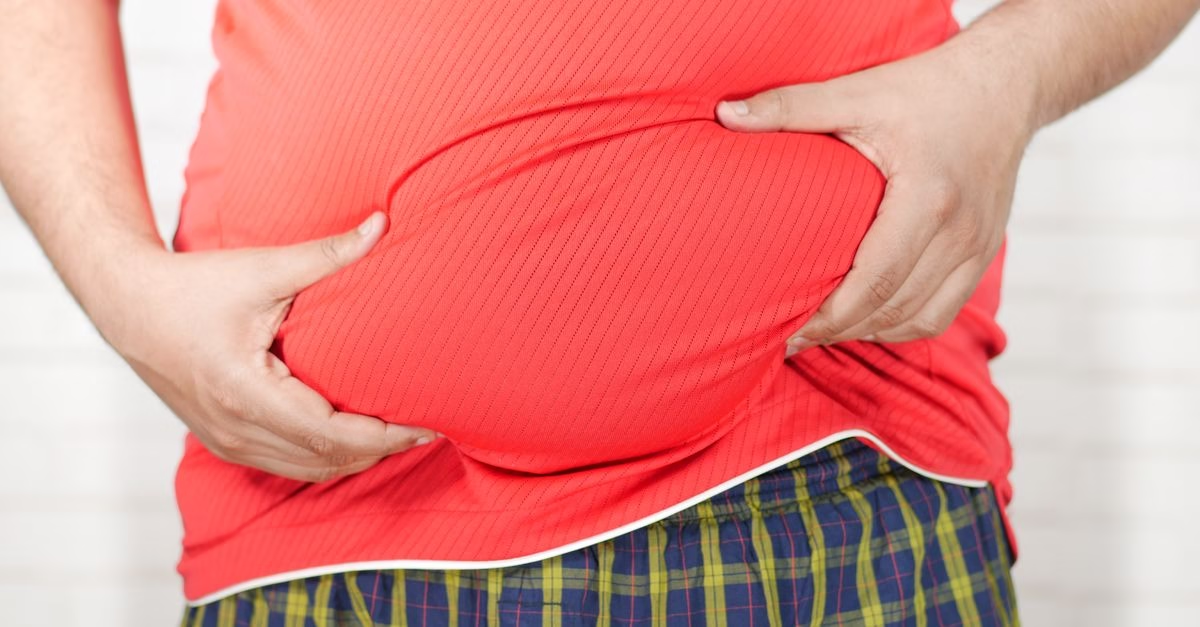
If you’ve been feeling bloated but can’t manage to poop, you’re not alone, and there’s a good chance you’ve been searching for answers. Many people experience bloating at some point, which can be uncomfortable and confusing, especially when other symptoms like constipation join the mix. You may be wondering why this happens and what you can do about it. Understanding the connection between bloating and bowel movements is the first step toward regaining your comfort.
Bloating refers to that full, puffy sensation in your abdomen that often feels tight or swollen. It can result from various causes, such as diet, lifestyle, or digestive issues. When you’re bloated and can’t poop, it’s common to feel frustrated and unsure about what it means. There are several potential reasons behind this unsettling experience, and we’re here to help you uncover them!
What is Why do I feel bloated but can’t poop?
The phrase “Why do I feel bloated but can’t poop?” encapsulates a frustrating digestive issue that many people encounter. Bloating is often described as a feeling of fullness or swelling in the abdomen, while constipation refers to infrequent or difficult bowel movements. When these two discomforts occur simultaneously, it can create a cycle of distress and confusion about your digestive health.
In simpler terms, bloating can happen when there’s an excess of gas in the digestive tract, or when the muscles in the digestive system aren’t working effectively. When you’re unable to poop, it can exacerbate that bloated feeling, making you wonder about the underlying causes. This experience can be triggered by multiple factors, such as your diet, hydration levels, or even stress.
Why Does Why do I feel bloated but can’t poop? Happen?
Understanding the reasons behind this uncomfortable combination can help you find relief. One possible reason you might feel bloated and unable to poop is constipation, which can lead to excessive gas buildup. Another common factor is dietary choices; certain foods, especially those high in fiber, can contribute to bloating if your body is not used to them. Additionally, hydration levels play a crucial role—drinking enough water can help promote healthy digestion.
Research suggests that regular physical activity can also influence bowel health. When you engage in physical movement, your intestines and the muscles that aid digestion often work more efficiently. Lastly, emotional stress might impact gastrointestinal function, leading to discomfort and bloating paired with constipation in some individuals. It’s important to remember that everyone’s body is unique, and what triggers one person’s bloating might not affect another in the same way.
Common Causes of Why do I feel bloated but can’t poop?
Let’s dive into some specific causes that might explain your symptoms:
1. Constipation: This is often the main culprit when experiencing bloating and difficulty pooping. When stool builds up in the intestines, it can create pressure in the abdomen, leading to bloating. You may also notice discomfort in your lower abdomen or a feeling of fullness. Increasing your fiber and hydration can help ease constipation, but if symptoms persist, consulting with a healthcare provider may be necessary.
2. Dietary Choices: Certain foods can lead to bloating—especially those that are high in fiber, like beans or whole grains, when introduced suddenly. Other foods, such as carbonated beverages and certain fruits, may also cause gas build-up. Keeping a food diary can help you identify any potential food triggers that might contribute to your symptoms.
3. Lack of Hydration: Not drinking enough water can make constipation worse, as dehydration often leads to harder stools that are difficult to pass. Aim for 6–8 glasses of water a day to help with digestion, but be mindful of your own body’s needs.
4. Sedentary Lifestyle: Our bodies need movement to function well, including our digestive systems. Regular exercise can help stimulate bowel movements and decrease feelings of bloating. Engage in light physical activity, such as walking or stretching, to support your gut health.
5. Stress and Anxiety: Emotional states can affect your gut health. Stress can lead to digestive issues, including constipation and bloating. Practicing relaxation techniques, such as deep breathing or meditation, can be beneficial for both your mind and gut.
Signs and Symptoms to Watch For
Common symptoms associated with bloating and inability to poop include:
- Feeling of fullness or heaviness in the abdomen
- Swelling or distension of the abdomen
- Gas or flatulence
- Cramping or discomfort in the lower abdomen
Occasional bloating or constipation is usually nothing to worry about, but if these symptoms become persistent, it’s important to be attentive. Symptoms that may warrant immediate medical attention include severe abdominal pain, blood in your stool, unexplained weight loss, persistent vomiting, or changes in bowel habits that last more than a few days.
What Can Make Why do I feel bloated but can’t poop? Worse?
Several lifestyle and environmental factors can aggravate bloating and constipation:
- Diet: High-fat, low-fiber foods can slow digestion. Try to balance your diet with plenty of fruits, vegetables, and whole grains.
- Hydration: Dehydration can worsen constipation—make sure to drink enough water throughout the day.
- Sleep: Lack of sleep can affect gut function, so aim for a regular sleep schedule.
- Stress: High-stress levels can significantly impact digestion—consider yoga or mindfulness to mitigate this.
- Physical Activity: A lack of movement can slow down digestion. Regular walks or exercise can help.
- Medications: Some medications can cause constipation as a side effect. If you suspect this, discuss alternatives with your healthcare provider.
Foods and Drinks Related to Why do I feel bloated but can’t poop?
The foods you eat can influence your symptoms in various ways:
- High-Fiber Foods: While fiber is crucial for digestion, adding too much too quickly can lead to bloating. Consider increasing fiber intake gradually.
- Carbonated Drinks: These can create gas in the digestive tract. Opt for still water if you’re feeling bloated.
- Dairy: Some people may experience bloating with dairy products, especially if lactose intolerant.
- Sugary Foods: Foods high in sugar can worsen bloating and gas for some individuals.
Listen to your body—if certain foods seem to exacerbate bloating or constipation, it might be wise to reduce those items from your diet.
What Can We Do About Why do I feel bloated but can’t poop?
There are several practical steps you can take to help alleviate these symptoms:
- Hydrate: Make sure you’re drinking enough water since hydration supports digestion and bowel health.
- Regular Exercise: Aim for at least 30 minutes of moderate exercise most days—walking, yoga, or swimming are all great choices.
- Eat Mindfully: Take your time to chew your food thoroughly, and avoid talking while eating, which can introduce extra air into your digestive system.
- Monitor Diet: Keep track of what you eat, noting any foods that seem to contribute to bloating or constipation. Build a balanced diet rich in whole foods.
- Manage Stress: Find techniques that work for you to reduce stress, such as deep breathing, meditation, or spending time in nature.
- Consider Probiotics: Discuss with your healthcare provider if probiotics might be beneficial for promoting gut health.
When Should We See a Doctor About Why do I feel bloated but can’t poop?
It’s essential to speak with a healthcare professional if you experience:
- Severe or persistent abdominal pain
- Blood in stool or dark, tarry stools
- Unexplained weight loss
- Persistent vomiting or difficulty swallowing
- Fever or major changes in appetite
- Symptoms that worsen despite home treatments
Always trust your instincts—if something seems off, it’s a good idea to consult with a healthcare provider for tailored advice.
Frequently Asked Questions About Why do I feel bloated but can’t poop?
Why am I always bloated but can’t poop?
If you’re frequently bloated and unable to poop, it could be due to a combination of dietary choices, hydration levels, lifestyle factors, or underlying health concerns. Tracking your symptoms and seeking advice from a healthcare provider can help pinpoint the cause.
Can food cause why do I feel bloated but can’t poop?
Yes, certain foods can lead to bloating, especially high-fiber or gas-producing items. A sudden increase in fiber intake or consumption of carbonated drinks can create gas and lead to bloating, especially if not accompanied by sufficient hydration.
When should I worry about why do I feel bloated but can’t poop?
If your bloating and constipation are accompanied by severe pain, blood in your stool, or weight loss, it’s essential to consult a healthcare professional. These can be signs of a more serious condition.
How can I tell if my bloating is serious?
Signs of serious bloating include severe or persistent pain, accompanied by additional symptoms like fever, blood in your stool, or significant changes in bowel habits. If you notice these signs, seek medical care promptly.
Is bloating a sign of something more serious?
While bloating can often be benign, persistent or severe bloating can sometimes indicate underlying conditions, such as digestive disorders or food intolerances. It’s always best to consult with a healthcare provider for accurate insights regarding your symptoms.
Does stress make bloating worse?
Yes, stress can contribute to digestive problems, including bloating and constipation. Finding effective stress management techniques can help improve your overall digestive health.
Are there medications that can help with bloating and constipation?
Some over-the-counter medications can help relieve constipation or bloating. However, it’s essential to discuss options with your healthcare provider to find the most appropriate treatment for your situation.
Can digestive health supplements help?
Some people find that digestive health supplements, including probiotics, can support gut health and alleviate bloating. However, results can vary, so it’s worth discussing with a healthcare provider whether this is a good option for you.
What the Research Says About Why do I feel bloated but can’t poop?
Research indicates that both dietary habits and gut health significantly influence bloating and constipation. A systematic review published in the *American Journal of Gastroenterology* highlights that increased dietary fiber can alleviate constipation but may cause temporary bloating in some individuals. Similarly, a study in the *Journal of Clinical Gastroenterology* found that regular exercise positively affects bowel movements and overall digestive health.
Evidence also suggests that the gut microbiome plays a role in digestion, and a healthy balance of gut bacteria can help reduce bloating. Indeed, probiotics have shown promise in some studies to support digestive health, although individual responses may vary widely. Always consult with a healthcare professional before making significant changes based on current research.
Simple Daily Habits That May Support Better Health
Incorporating some small, daily habits might greatly support your digestive health:
- Stay Hydrated: Keep a water bottle handy and sip throughout the day.
- Add Movement: Make regular walking part of your daily routine—consider a walk after meals.
- Prioritize Sleep: Aim for 7–9 hours of sleep per night to support overall health.
- Eat Whole Foods: Focus on a balanced diet full of whole foods, including plenty of fruits, vegetables, and grains.
- Practice Mindfulness: Incorporate mindfulness practices to help manage stress effectively.
Final Thoughts
If you’ve been asking yourself, “Why do I feel bloated but can’t poop?”, know that you’re not alone. Many people experience similar issues, and understanding the potential causes can help alleviate your discomfort. We’ve touched on numerous factors—from diet and hydration to stress and lifestyle—that can affect your digestive health. Through small changes, you can often find some relief.
Our bodies send us signals, and it’s important to listen. If persistent symptoms arise or worsen, do not hesitate to reach out to a healthcare professional for personalized guidance. Remember, maintaining a balanced diet, staying active, and managing stress are practical steps we can all take to support better digestive health.
Sources and References
National Institute of Diabetes and Digestive and Kidney Diseases: “Constipation.” Available at: https://www.niddk.nih.gov/health-information/digestive-diseases/constipation.
Mayo Clinic: “Bloating: Causes and treatment.” Available at: https://www.mayoclinic.org/symptoms/bloating/basics/causes/sym-20050711.
Cleveland Clinic: “Fiber and Constipation.” Available at: https://my.clevelandclinic.org/health/diseases/4607-constipation.
CDC: “Know the facts about food safety.” Available at: https://www.cdc.gov/foodsafety/foodborne-germs.html.
Medical Disclaimer
This article is for general educational and informational purposes only. It is not intended to provide medical advice, diagnosis, or treatment. Health conditions can affect people differently, and information that is appropriate for one person may not be appropriate for another. If you have persistent, severe, or concerning symptoms, speak with a qualified healthcare professional for personalized advice.
Further Reading
Ivf Shot Schedule: 10 Things You Should Know
Omeprazole and Alcohol: Is It Safe to Mix?
what does a growth spurt in pregnancy feel like
Photo by Towfiqu barbhuiya on Pexels.