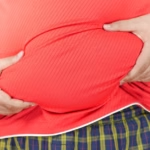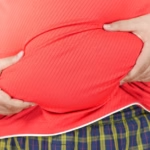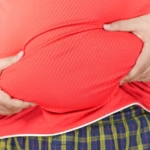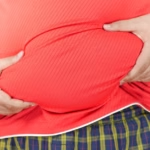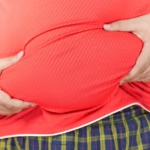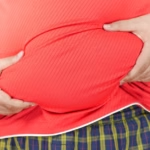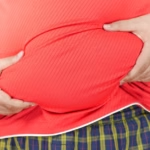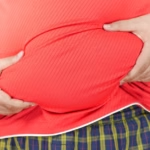
Have you ever asked yourself, “Why do I get bloated after dinner?” If you find yourself feeling like a balloon after your evening meal, you’re not alone! Bloating is a common complaint for many people, and it can be quite uncomfortable. For some, it might happen occasionally, while others may deal with it more regularly. Understanding the reasons behind why you feel this way can help you find some relief.
Bloating typically refers to a feeling of fullness or swelling in your belly, often accompanied by discomfort. This sensation can lead to questions about your diet, digestion, and overall gut health. In this article, we’ll explore common reasons that may trigger bloating after dinner, signs to watch for, and what can be done to help alleviate the discomfort. So let’s dig in and uncover the answers together!
What Does Bloating Mean?
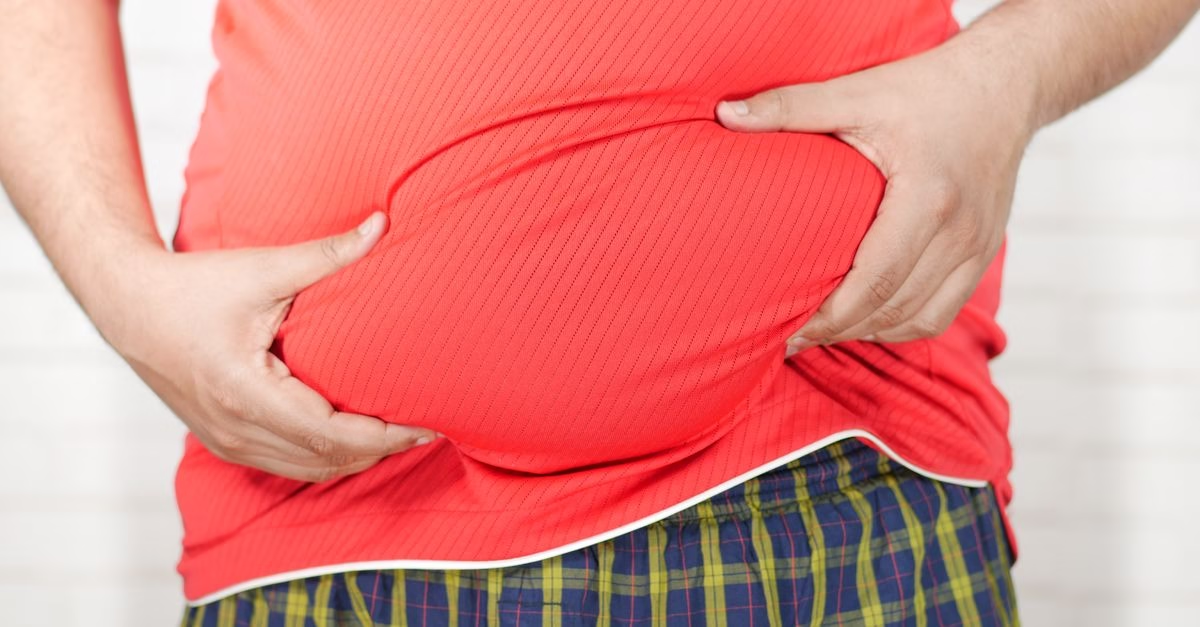
Bloating occurs when your stomach feels full and tight, often resulting in a visibly swollen abdomen. It can happen after eating, especially a large meal, when gas builds up in the digestive tract. The digestive process involves breaking food down and moving it through your intestines, but sometimes things don’t go as smoothly as they should.
Important terms to know include “gas,” which is a natural byproduct of digestion, and “digestion,” the process by which your body converts food into energy and nutrients. When digestion is slowed down or hindered, it can lead to an uncomfortable feeling of fullness or swelling. Overall, bloating is your body’s way of signaling that something isn’t quite right.
Why Does This Happen?
Several factors can contribute to your bloating experience after dinner. One possible reason is the type and amount of food you consume. Foods that are high in fiber, like beans or cruciferous vegetables (think broccoli and cauliflower), can produce more gas as they are digested. Another common factor is simply eating too quickly—when you rush through your meal, you might swallow air, which can also lead to that bloated feeling.
In some people, underlying digestive conditions like irritable bowel syndrome (IBS) might play a role, making it even more crucial to identify any persistent symptoms. Research suggests that maintaining a food diary can help you pinpoint specific foods that may trigger your bloating. It’s all about understanding how your body reacts to different meals!
Common Causes
Identifying the root cause of bloating can be tricky, as everyone’s digestive system is unique. However, here are some common causes to consider:
- Diet: Eating heavy meals or those packed with gas-producing foods can result in bloating. If you notice that certain foods consistently make you feel uncomfortable, try reducing their intake.
- Eating Habits: Rushing through meals or eating while stressed can lead to swallowing air, causing bloating. Try to create a calming dining atmosphere and chew your food slowly.
- Food Intolerances: Some people may not properly digest certain foods, such as dairy or gluten. If you suspect this may be the case for you, consider asking a healthcare professional for advice on testing for food intolerances.
- Constipation: When stool builds up in the colon, it can cause bloating. Drinking enough water and eating plenty of fiber-rich foods can keep things moving smoothly!
- Stress: Believe it or not, stress can affect digestion. When you’re feeling anxious, your gut may have a hard time processing food, leading to bloating.
Signs and Symptoms to Watch For
While bloating is generally not harmful, it’s helpful to keep an eye on any accompanying symptoms. Common signs of bloating may include:
- Feeling of fullness or heaviness in the abdomen
- Visible distension (your stomach looks swollen)
- Discomfort or pain in the stomach area
- Excessive belching or flatulence
Persistent bloating or associated symptoms like severe abdominal pain, blood in stool, or unexplained weight loss could indicate a more serious condition and warrant a conversation with a healthcare professional.
What Can Make it Worse?
There are certain behaviors and lifestyle choices that may worsen bloating, such as:
- Poor Dietary Choices: High-fat foods, overly sweet snacks, or processed foods can slow digestion and lead to bloating.
- Lack of Hydration: Not drinking enough water can lead to constipation, making bloating more likely.
- Inadequate Sleep: Poor sleep habits can negatively impact your digestive health, contributing to bloating.
- Smoking or Excessive Alcohol Intake: These can irritate the gastrointestinal tract, causing discomfort.
Foods and Drinks Related to Bloating
While everyone’s digestive system reacts differently to foods, certain items are commonly associated with bloating:
- Foods that May Worsen Bloating: Beans, lentils, dairy products (if you’re lactose intolerant), carbonated drinks, and foods high in salt can all contribute to a bloated feeling.
- Foods that May Help: Lactose-free dairy, ginger, peppermint, and non-carbonated herbal teas may ease digestion and help reduce bloating.
It’s important to track your own experiences with different foods, as individual responses can vary.
What Can We Do?
If you’re wondering how to manage the bloating sensation, here are a few practical steps that may help:
- Eat Slowly: Take your time during meals, and chew your food thoroughly. Enjoy every bite—this can aid in better digestion.
- Stay Active: Mild physical activity, like going for a walk after dinner, can help stimulate digestion and ease bloating.
- Hydrate: Drinking plenty of water throughout the day can prevent constipation and may help reduce bloating.
- Monitor Food Intake: Keep a food diary to identify any items that consistently lead to bloating, and try reducing or eliminating them.
- Practice Stress-Relief Techniques: Engaging in relaxation activities like yoga, meditation, or simple breathing exercises can help your digestive system work more efficiently.
When Should You See a Doctor?
If you experience persistent, severe, or concerning symptoms, it’s best to consult with a healthcare professional. You should consider reaching out if you notice:
- Severe abdominal pain
- Blood in stool
- Unexplained weight loss
- Persistent vomiting or nausea
- Difficulty swallowing
- If bloating becomes worse despite trying lifestyle changes
Frequently Asked Questions
Why am I always bloated after dinner?
There can be various reasons behind consistent bloating after meals, including dietary choices, eating habits, and underlying digestive issues. Keeping track of your meals and symptoms can help identify patterns.
Can food cause bloating?
Yes, certain foods—especially those high in fiber or sugar—can contribute to bloating. Identifying food intolerances might also play a role.
When should I worry about bloating?
If bloating is persistent, severe, or accompanied by concerning symptoms like pain or blood in stool, it’s advisable to consult a healthcare provider.
Does stress affect bloating?
Absolutely! Stress can disrupt your digestive system, leading to discomfort and bloating. Finding ways to manage stress can benefit your gut health.
Can drinking water help with bloating?
Staying well-hydrated can help prevent constipation, which could, in turn, reduce bloating. It’s generally a good practice to drink water throughout the day.
Is exercise helpful for reducing bloating?
Mild exercise can stimulate digestion and help alleviate bloating. A simple walk after dinner might be all you need!
Are there any medications for bloating?
While some over-the-counter medications may help relieve gas and bloating, it’s always wise to talk to a healthcare professional before trying anything new.
Does eating slowly really make a difference?
Yes! Eating slowly can help minimize swallowed air and lead to better digestion, both of which may reduce bloating.
What the Research Says About Why Do I Get Bloated After Dinner?
A recent review published by the American Gastroenterological Association highlights that diet and eating habits play significant roles in bloating. Studies indicate that managing portion sizes, avoiding gas-producing foods, and slow eating can be effective strategies. Additionally, a systematic review on dietary approaches to IBS suggests that certain diets, like the low-FODMAP diet, can help reduce gas and bloating for individuals with digestive issues.
Simple Daily Habits That May Support Better Health
Incorporating a few positive habits can go a long way in managing bloating:
- Hydrate regularly: Make it a habit to carry a water bottle with you.
- Practice mindfulness: Taking time to relax and eat mindfully can improve digestion.
- Stay active: Schedule regular walks or physical activities in your day.
Final Thoughts
Experiencing bloating after dinner can be frustrating, but it’s important to remember that this is a common issue. By understanding potential causes and making small adjustments to your eating habits, you may find relief from that uncomfortably full feeling. Our bodies are marvelous, and they often signal when something isn’t quite right, which is why paying attention to those signals matters so much. If bloating becomes a consistent problem or is accompanied by other concerning symptoms, don’t hesitate to seek advice from a healthcare professional.
Ultimately, we can take charge of our health by making informed choices about our diet and lifestyle. Each small step counts, and we’re all on this journey together!
Sources and References
National Institute of Diabetes and Digestive and Kidney Diseases: Digestive Disorders. 2023. https://www.niddk.nih.gov
Cleveland Clinic: Bloating: Causes and How to Get Relief. 2023. https://my.clevelandclinic.org/
Mayo Clinic: Gassy Stomach: Symptoms and Causes. 2023. https://www.mayoclinic.org/
American Gastroenterological Association: Bloating and Gas: What’s Normal? 2023. https://www.gastro.org
Harvard T.H. Chan School of Public Health: The Low-FODMAP Diet for IBS. 2023. https://www.hsph.harvard.edu/
Medical Disclaimer
This article is for general educational and informational purposes only. It is not intended to provide medical advice, diagnosis, or treatment. Health conditions can affect people differently, and information that is appropriate for one person may not be appropriate for another. If you have persistent, severe, or concerning symptoms, speak with a qualified healthcare professional for personalized advice.
Further Reading
Ivf Shot Schedule: 10 Things You Should Know
Omeprazole and Alcohol: Is It Safe to Mix?
what does a growth spurt in pregnancy feel like
Photo by Towfiqu barbhuiya on Pexels.