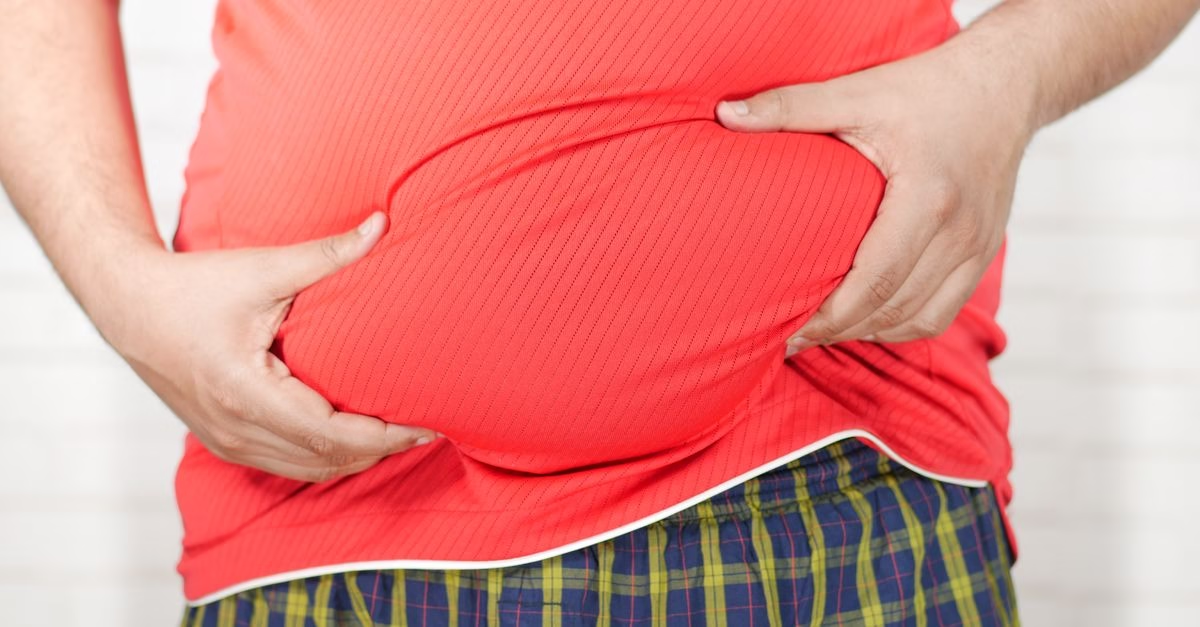
If you’ve ever asked yourself, “Why is my stomach bloated but I’m not gaining weight?” you’re not alone. Many people experience bloating, which is that uncomfortable feeling of fullness or swelling in the abdomen, without any noticeable weight gain. This can leave you puzzled and wondering what’s happening inside your body. You might be searching for answers because while bloating can sometimes be a minor annoyance, it can also be a sign of something that needs your attention.
Bloating can stem from various factors, including what you eat, how you eat, digestion, and even stress levels. Understanding why this happens is important since many of us want to feel comfortable in our bodies. In this article, we’ll dive into the reasons behind bloating while not seeing any weight gain, what you can do about it, and when it might be wise to consult a healthcare professional.
What Does This Mean?
When we talk about your stomach being bloated but not gaining weight, it usually refers to a feeling of fullness or swelling in the abdomen without an increase in body weight. Bloating can happen for several reasons, and understanding these can be quite helpful. Basically, it’s a symptom rather than a condition itself. Some people might feel gassy, while others may notice their stomach appears larger than normal. It’s often temporary and can vary from person to person.
Some important terms we might encounter when discussing this topic include:
- Bloating: Swelling or distension in the abdomen.
- Gas: A byproduct of digestion that can cause discomfort and bloating.
- Digestion: How your body breaks down the food you eat.
Why Does this Happen?
There’s no one-size-fits-all answer to why your stomach might feel bloated, but several possible reasons could apply to your situation. One possible reason is that your digestive system might be processing food slower than normal, or your gut may be producing extra gas. Another common factor can be the foods you eat; certain items are known to cause bloating in some people. Additionally, eating too quickly or not chewing food properly can lead to swallowing air, which can add to the bloating feeling.
Common Causes
Let’s look closely at some common causes of stomach bloating without weight gain:
Food Intolerances
Food intolerances refer to the body’s difficulty in digesting certain foods, leading to digestive discomfort. Foods like lactose (found in dairy), gluten (found in wheat), or even certain fruits and vegetables can trigger bad reactions. If you’re sensitive to any of these, bloating might occur without resulting in weight gain. Noticing patterns after eating specific foods can help you identify potential culprits. If this sounds familiar, consider keeping a food diary and discuss it with a healthcare provider.
Gas and Digestive Issues
Your body naturally produces gas when breaking down food. If gas builds up, it can lead to bloating. Some people are known to produce more gas while digesting fiber-rich foods, beans, or carbonated beverages. Keeping track of your diet and noting when bloating occurs can help pinpoint problematic items. A friendly note: over-the-counter medications designed to reduce gas may offer some relief, but it’s also important to notice how your body responds.
Constipation
Constipation can also cause bloating, as it leads to slow-moving waste in your digestive track. If you’re experiencing fewer bowel movements, this can lead to a buildup of gas and distension in your abdomen. Adequate hydration and a fiber-rich diet are key for keeping things moving.
Hormonal Changes
Women, in particular, may notice bloating linked to hormonal changes during their menstrual cycle. This type of bloating is often temporary and resolves on its own. If you notice patterns in relation to your cycle, it might be a normal part of your body’s natural rhythm.
Eating Habits
How you eat can matter just as much as what you eat. Eating too quickly can lead to swallowing air, contributing to bloating. Similarly, large meals or not chewing food well can make digestion harder. Taking your time to eat slowly can help reduce the amount of air swallowed and make digestion easier.
Signs and Symptoms to Watch For
While occasional bloating is usually harmless, being aware of other symptoms can be important. Common symptoms associated with bloating include:
- Feeling of fullness or tightness in the stomach
- Abdominal discomfort or mild pain
- Increased gas or belching
If you experience any of the following symptoms, it may be wise to consult a healthcare professional:
- Severe or persistent abdominal pain
- Blood in your stool
- Unexplained weight loss
- Persistent vomiting
- Difficulty swallowing
What Can Make it Worse?
Several lifestyle choices and environmental factors can exacerbate bloating. Let’s explore some:
Diet
As mentioned earlier, certain foods tend to cause bloating more than others, like beans, cruciferous vegetables (like broccoli and cabbage), rich sauces, and carbonated beverages. Keeping an eye on your diet can help manage bloating symptoms.
Eating Habits
Eating too quickly can lead to swallowing air, resulting in more bloating. Taking your time with meals, eating smaller portions, and chewing thoroughly can improve digestion.
Hydration
Being adequately hydrated helps digestion, while dehydration can lead to constipation, making bloating worse. Drinking enough water throughout the day is a simple yet important habit.
Stress
Stress can impact our digestion. It can slow down digestive processes or contribute to habits, like overeating, that lead to bloating. Finding ways to manage stress through physical activity or relaxation techniques can be beneficial.
Lack of Physical Activity
Our digestive system relies on movement to function well. Regular exercise can help alleviate bloating by stimulating the digestive tract.
Foods and Drinks Related to the Topic
Different foods and drinks can play a significant role in bloating. Here are some common associations:
Foods That May Worsen Bloating
- Beans and legumes
- Cruciferous vegetables (broccoli, cauliflower)
- Dairy products (for those with lactose intolerance)
- Carbonated beverages (sodas, sparkling water)
Foods That May Help
- Ginger: Known for aiding digestion, ginger may help soothe bloating.
- Bananas: They can help with potassium balance and reduce sodium retention.
- Pineapple: Contains bromelain, an enzyme that may aid digestion.
- Herbal teas: Peppermint or chamomile teas can sometimes soothe digestive issues.
Remember, individual responses can vary, so it’s wise to listen to your body and see what’s best for you.
What Can We Do?
If you’re looking for practical steps to manage bloating, here are some tips:
Keep a Food Diary
Tracking what you eat and drink, along with any bloating episodes, can help identify food intolerances or patterns.
Practice Mindful Eating
Taking your time to chew food thoroughly and enjoy your meals can help reduce the air swallowed, making digestion smoother.
Stay Hydrated
Drinking enough water supports digestion and can help reduce constipation, which reduces bloating.
Incorporate Regular Exercise
Engaging in physical activity regularly, whether it’s walking, yoga, or another form of exercise, encourages healthy digestion.
Incorporate Probiotics
Probiotics, found in yogurt, sauerkraut, and various supplements, may help maintain gut health. Some people find this can support digestion.
When Should You See a Doctor?
While occasional bloating is typically harmless, it’s essential to reach out to a healthcare professional when faced with warning signs. If bloating becomes severe or persistent, or if it is accompanied by any of the following symptoms, it’s wise to seek medical advice:
- Severe or lasting abdominal pain
- Changes in bowel habits, such as persistent diarrhea or constipation
- Unexplained weight loss
- Intense fatigue or weakness
Frequently Asked Questions
Why am I always bloated but not gaining weight?
Persistent bloating can be caused by factors such as food intolerances, digestive issues, or hormonal changes, even if you are not gaining weight.
Can food cause bloating without weight gain?
Yes, some foods can lead to gas and bloating due to digestion difficulties but may not necessarily impact your weight.
Why does my stomach hurt when I’m bloated?
Bloating can put pressure on your stomach and intestines, leading to discomfort. This discomfort varies from person to person.
When should I worry about bloating?
If bloating is severe, persistent, or accompanied by other concerning symptoms like unexplained weight loss or pain, consult a healthcare professional.
Is it normal to feel bloated every day?
While occasional bloating is common, feeling bloated every day may indicate an underlying issue worth discussing with a doctor.
Do stress and anxiety contribute to bloating?
Yes, stress and anxiety can negatively impact digestive function, potentially leading to symptoms like bloating.
Can I treat bloating at home?
Many people effectively manage bloating with lifestyle changes, diet adjustments, and over-the-counter medications, but persistently severe bloating should be evaluated by a doctor.
Does drinking water help with bloating?
Staying hydrated can support digestion and may help reduce bloating, especially if dehydration is contributing to the issue.
What the Research Says About Why is my stomach bloated but I’m not gaining weight?
Research into bloating often focuses on digestive health and food tolerances. According to the National Institutes of Health (NIH), food intolerances and sensitivities can lead to digestive symptoms, including bloating. Studies have indicated that individuals with gluten sensitivity or lactose intolerance often report bloating as a significant symptom without apparent weight gain. Furthermore, research published by the Mayo Clinic suggests that gas production can lead to abdominal discomfort as food is processed in the gut. While more research is needed to fully understand bloating’s mechanisms, it’s clear that dietary habits and digestion play vital roles.
Simple Daily Habits That May Support Better Health
Alongside understanding your body better, there are straightforward habits you could try to support your digestive health:
- Stay active: Regular physical activity helps stimulate digestion.
- Practice mindful eating: Chewing well and eating slowly can ease digestive processes.
- Stay hydrated: Drinking adequate water can help prevent constipation.
- Manage stress: Finding relaxation techniques that work for you can positively impact your gut health.
Final Thoughts
We often face bloating without apparent weight gain, leading us to ask important questions about our health. Understanding the causes of bloating can empower us to make lifestyle and dietary adjustments that may alleviate discomfort. If we notice persistent symptoms that don’t seem to improve, it’s always wise to check in with a healthcare professional. In the end, listening to our bodies, tracking our habits, and making small but effective changes can go a long way. We all deserve to feel good and comfortable in our own skin!
Sources and References
National Institutes of Health: Understanding the Causes of Bloating. Available at: www.nih.gov
Mayo Clinic: Gas and Bloating Symptoms. Updated June 2023. Available at: www.mayoclinic.org
Cleveland Clinic: Bloating: 9 Ways to Ease It. Updated September 2023. Available at: my.clevelandclinic.org
CDC: Healthy Living. Available at: www.cdc.gov
American Gastroenterological Association: Gastrointestinal Symptoms: What You Need to Know. Available at: www.gastro.org
Medical Disclaimer
This article is for general educational and informational purposes only. It is not intended to provide medical advice, diagnosis, or treatment. Health conditions can affect people differently, and information that is appropriate for one person may not be appropriate for another. If you have persistent, severe, or concerning symptoms, speak with a qualified healthcare professional for personalized advice.
Further Reading
Ivf Shot Schedule: 10 Things You Should Know
Omeprazole and Alcohol: Is It Safe to Mix?
what does a growth spurt in pregnancy feel like
Photo by Towfiqu barbhuiya on Pexels.