How to Get Rid of Bloating Fast
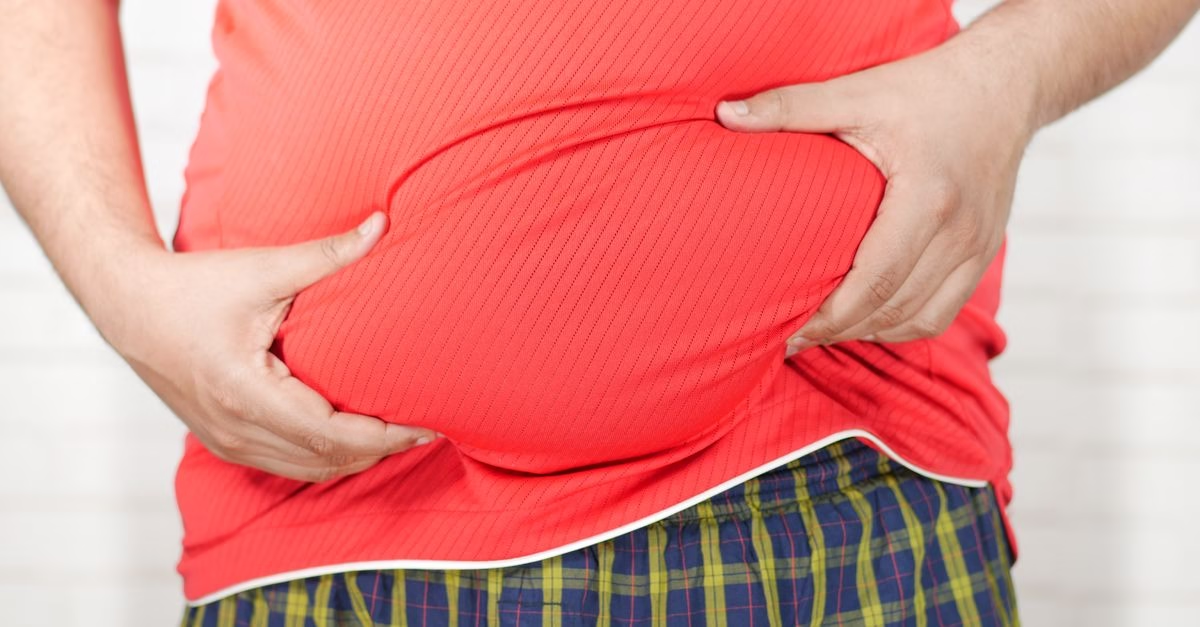
Have you ever felt like your stomach is a balloon ready to pop? If you’re here searching for how to get rid of bloating fast, you’re not alone! Bloating is that uncomfortable sensation where your tummy feels swollen or full, often accompanied by gas or discomfort. It can make you feel self-conscious and sluggish, and the good news is that there are plenty of ways to help ease this pesky problem quickly.
Understanding what causes bloating and how to relieve it can make a big difference in your day-to-day life. Sometimes, it’s the foods we eat, how we eat them, or even simple habits that lead to this uncomfortable feeling. By the end of this article, you’ll know practical tips that can help bring you relief and get you back to feeling your best!
What Does This Mean?
Bloating is when your stomach feels tight, full, or swollen after eating or drinking. It can happen to anyone and is usually due to excess gas or air in the digestive system. You might feel it after certain meals, or it might be related to other digestive processes. When someone searches for “how to get rid of bloating fast,” they are typically looking for quick relief options to get back to their routine without that uncomfortable feeling in their gut.
Some common terms related to bloating include “gas,” which is the buildup of air in your intestines, and “indigestion,” which refers to discomfort in your stomach. Understanding these basics can help you figure out the best ways to tackle bloating when it strikes.
Why Does This Happen?
There are various reasons for experiencing bloating, and it’s important to remember that not every cause applies to everyone:
- Eating Habits: Sometimes, it’s just how you eat! Eating too quickly can cause you to swallow air, which leads to bloating. Taking your time can help.
- Diet Choices: Certain foods are more likely to cause bloating, especially those high in fiber or specific carbohydrates. Think beans, broccoli, and carbonated drinks!
- Food Intolerances: If your body struggles to break down certain foods, like dairy or gluten, it can lead to uncomfortable bloating.
- Digestive Conditions: In some cases, conditions like IBS (Irritable Bowel Syndrome) or gastrointestinal issues can be the culprits.
- Constipation: If you’re not having regular bowel movements, your stomach might feel fuller due to backup.
Research suggests that understanding these factors can help you manage bloating more effectively.
Common Causes
Understanding the major causes of bloating can help you identify when and why it occurs. Here are some common culprits:
1. Rapid Eating
Eating quickly can lead to swallowing air, contributing to a feeling of bloating. When you rush, you might also overeat without realizing it.
What to do: Try to take smaller bites and chew thoroughly. Enjoy your meal and take your time!
2. Certain Foods
Some foods are notorious for causing bloating, especially those high in fiber or certain sugars like lactose (in dairy) and fructose (in fruits).
What to do: If you notice specific foods lead to bloating, consider reducing them or keeping a food diary to pinpoint trouble spots.
3. Carbonated Beverages
Soda and sparkling water can introduce gas into your digestive system.
What to do: Swap out carbonated drinks for water or herbal teas.
4. Food Intolerances
If your body has difficulty digesting certain foods, this can lead to gas and bloating.
What to do: Speak with a healthcare professional if you suspect an intolerance. They can help guide you.
5. Stress and Anxiety
Your mental state can affect your tummy. Stress may slow digestion, leading to bloating.
What to do: Activities such as yoga or meditation can be great ways to relieve stress, potentially helping your tummy feel better.
Signs and Symptoms to Watch For
Common symptoms of bloating include:
- Feeling full or tight in your stomach.
- Visible swelling or distention of the abdomen.
- Gas and flatulence.
- Discomfort or mild pain.
If these symptoms are occasional, they’re usually not a cause for concern. However, if bloating becomes persistent or if you experience severe symptoms, like:
- Severe abdominal pain.
- Unexplained weight loss.
- Blood in stool.
- Persistent vomiting.
It’s a good idea to speak with a healthcare professional.
What Can Make it Worse?
Various lifestyle choices can amplify bloating:
- Poor Diet: High-fat foods and excessive sugar can exacerbate bloating.
- Inadequate Hydration: Not drinking enough water might lead to constipation, making bloating worse.
- Late Night Eating: Eating before going to bed can affect digestion and lead to bloating.
- Lack of Exercise: Physical activity helps keep your digestive system working smoothly.
Foods and Drinks Related to Bloating
Some foods can help alleviate or worsen bloating:
- Helpful Foods: Ginger, peppermint, and bananas are often soothing for an upset stomach.
- Avoid these: Beans, lentils, cruciferous vegetables (like broccoli and cabbage), and carbonated drinks can trigger bloating for some.
- Neutral Foods: Plain rice and chicken are generally easy on the stomach.
Everyone’s digestive system is different, so it’s important to pay attention to your body’s reactions.
What Can We Do?
Here are some practical steps you can take for managing bloating effectively:
- Stay Hydrated: Drink plenty of water throughout the day to help your digestion.
- Gentle Exercise: A light walk after meals can aid digestion and relieve bloating.
- Peppermint Tea: This herbal tea can help soothe your digestive system.
- Probiotics: Foods rich in probiotics, like yogurt, can support gut health and may help with bloating.
- Mind Your Portions: Eating smaller meals more frequently can ease the workload on your digestive system.
When Should You See a Doctor?
If you frequently experience bloating or have concerning symptoms, it’s wise to consult a healthcare professional. Key warning signs include:
- Pain that is severe and persistent.
- Blood in your stool or urine.
- Unexplained weight loss.
- Continuous vomiting or nausea.
- Difficulty swallowing or breathing.
These symptoms might be unrelated to bloating but warrant further investigation.
Frequently Asked Questions
Why am I always bloated?
Chronic bloating may be due to food intolerances, digestive issues, or even stress. Keeping a food diary can help identify potential triggers.
Can food cause bloating?
Yes, certain foods can cause bloating, particularly those high in carbohydrates or those that your body may struggle to digest.
When should I worry about bloating?
If bloating is persistent, severe, or accompanied by other symptoms like weight loss or severe pain, consult a healthcare professional.
Is bloating a serious problem?
In most cases, temporary bloating is not serious; however, if it continues or worsens, it’s a good idea to seek medical advice.
How can I prevent bloating?
Eating smaller portions, drinking water, and being mindful of your food choices can help prevent bloating.
Does stress contribute to bloating?
Yes, stress can affect digestion, leading to bloating for many people. Finding ways to manage stress can greatly help!
Are there any medications for bloating?
Some over-the-counter medications may help with gas and bloating. Speak with your healthcare professional for advice tailored to you.
Does walking help relieve bloating?
Yes! Gentle exercise like walking can help stimulate digestion and reduce bloating.
What the Research Says About How to Get Rid of Bloating Fast
Research supports a variety of methods for managing bloating. Studies indicate that probiotics are beneficial for gut health, potentially easing bloating (source: National Institutes of Health). Other studies suggest that dietary changes, such as reducing processed foods and incorporating fiber slowly, may help reduce bloating (source: Mayo Clinic). Additionally, gentle physical activity is consistently recommended for digestive health.
Simple Daily Habits That May Support Better Health
Incorporating small habits into your daily routine can have a big impact on reducing bloating:
- Take regular walks, especially after meals.
- Drink water consistently to stay hydrated.
- Maintain a regular eating schedule with smaller meals.
- Practice relaxation techniques to reduce stress.
Final Thoughts
We often feel bloated for a variety of reasons, from what we eat to how we live. It’s important for us to listen to our bodies and recognize the signs. While there are many strategies to help us get rid of bloating fast, remember that what works for one person may not work for another. If you find that bloating persists or causes discomfort, consulting with a healthcare professional is always a good idea. Take care of yourself, and with some gentle adjustments, you’ll soon be on your way to feeling much better!
Sources and References
National Institute of Diabetes and Digestive and Kidney Diseases: “Gas and gas pains.” Last updated 2022. Online resource link.
Mayo Clinic: “Bloating: Overview.” 2023. Online resource link.
Cleveland Clinic: “Understanding Bloating.” 2023. Online resource link.
Harvard T.H. Chan School of Public Health: “Nutrition and digestion.” 2023. Online resource link.
American Gastroenterological Association: “Bloating: What you need to know.” 2023. Online resource link.
Medical Disclaimer
This article is for general educational and informational purposes only. It is not intended to provide medical advice, diagnosis, or treatment. Health conditions can affect people differently, and information that is appropriate for one person may not be appropriate for another. If you have persistent, severe, or concerning symptoms, speak with a qualified healthcare professional for personalized advice.
Further Reading
Ivf Shot Schedule: 10 Things You Should Know
Omeprazole and Alcohol: Is It Safe to Mix?
what does a growth spurt in pregnancy feel like
Photo by Towfiqu barbhuiya on Pexels.