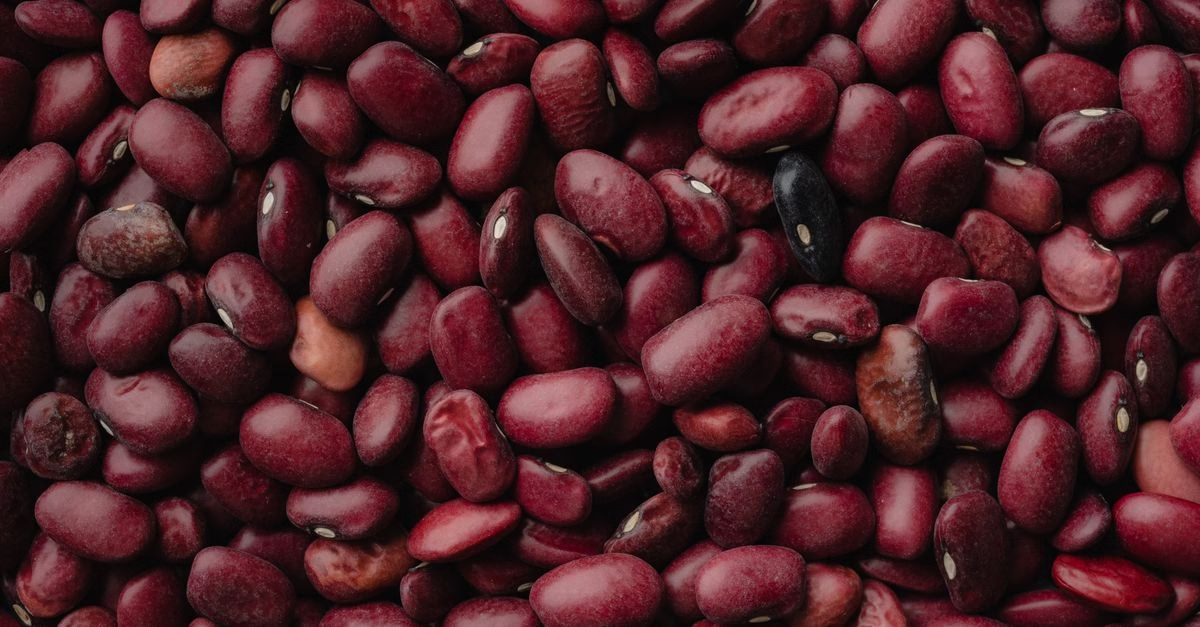
If you’ve ever wondered, “Why do I have gas after eating beans?” you’re not alone! Many people experience this pesky problem after enjoying a hearty bean dish. Beans are known for being nutritious and full of fiber, but they can also cause bloating and gas for various reasons. This isn’t just an inconvenience; it can be quite uncomfortable and lead you to rethink your meal choices.
Beans are a staple in many diets and provide excellent protein and nutrients, but they do come with side effects for some folks. Understanding why this happens can help you tackle the situation and enjoy your meals without the unwanted side effects. Let’s explore the reasons behind this, what you can expect, and what you might do to help manage it!
What Does This Mean?
When we talk about having gas after eating beans, we are referring to the buildup of air in the digestive system. This happens when we digest certain foods, including beans, which contain specific sugars that can be hard for our bodies to break down. When undigested foods reach the colon, they are fermented by bacteria, leading to the release of gas. For many, this can result in bloating and discomfort.
Some important terms here are fiber—a type of carbohydrate that our bodies cannot digest—and fermentation, the process where gut bacteria break down food, producing gas as a byproduct. People might search for this information due to discomfort or to find ways to enjoy beans while minimizing gas.
Why Does This Happen?
There are a few different factors at play here. One possible reason for gas after eating beans is that they are rich in oligosaccharides, a type of sugar that can be challenging for our bodies to digest. Another common factor is that people might be eating beans in larger amounts than their digestive system can handle. In some cases, new eaters of beans might not be accustomed to the fiber increase, leading to gas production.
Research suggests that the way we prepare beans can also influence how gassy they might be. Soaking beans before cooking can help reduce these complex sugars, which may ease some digestive discomfort.
Common Causes
Let’s explore some of the primary causes of why you might experience gas after eating beans:
1. Oligosaccharides
Oligosaccharides found in beans can be difficult for some people to digest. These sugars pass into the colon, where bacteria ferment them. This fermentation can lead to gas and bloating. If you notice an increase in gas after consuming beans, this could be the reason.
2. High Fiber Content
Beans are also high in fiber, which is excellent for digestion but can be tough on your stomach if you eat too many at once. If you aren’t used to a high-fiber diet, your body might take time to adjust. Adding beans slowly to your meals may help ease things.
3. General Digestive Sensitivity
Some people simply have more sensitive digestive systems. If beans upset your stomach consistently, it might be worth keeping track of how often you consume them and how they make you feel.
4. Cooking Method
The way you prepare your beans can make a difference! Cooking them properly—such as soaking and rinsing before cooking—can help reduce the oligosaccharides that cause gas. When beans are not cooked properly, they might remain harder to digest, leading to more gas.
Signs and Symptoms to Watch For
Common symptoms associated with gas after eating beans include:
- Bloating or a feeling of fullness in your abdomen.
- Excessive burping or flatulence.
- Discomfort or pain in the abdominal area.
These symptoms are typically mild but can be bothersome. If you notice these symptoms occasionally after enjoying beans, it may not be a cause for concern. However, if you experience persistent or severe pain, it may be wise to consult a healthcare professional. Persistent discomfort could signal digestive issues, and talking to someone could provide peace of mind.
What Can Make it Worse?
Several factors may contribute to increased gas after eating beans:
- Diet: A diet high in other gas-producing foods, such as broccoli, cabbage, and carbonated drinks, can exacerbate gas issues.
- Eating Speed: Eating too quickly can lead to swallowing air, which can increase gas levels.
- Hydration: Not drinking enough water can sometimes lead to digestion issues. Proper hydration helps with digestive health and may lessen gas.
- Stress: Stress can affect digestion, leading to bloating and gas for some individuals.
Foods and Drinks Related to the Topic
While beans are delicious and nutritious, certain practices and other foods can impact how you feel afterward. Generally, it’s best to observe your body and note any foods that contribute to increased gas. Some people find that:
- Pineapple and ginger: These foods may help reduce gas due to their digestive properties.
- Fruits high in sorbitol: such as apples and cherries could contribute to gas when combined with beans.
- Whole grains: If you’re increasing fiber, pairing beans with whole grains can be beneficial.
Remember, everyone’s digestion is unique, and what works for you may differ from someone else!
What Can We Do?
Here are some practical steps that may help you enjoy beans without the uncomfortable side effects:
- Soaking and Rinsing: Before cooking dried beans, soak them in water for several hours (or overnight) and then rinse. This can help remove some oligosaccharides.
- Gradual Introduction: If you’re not used to eating beans, start with small amounts and gradually increase to give your digestive system time to adapt.
- Cooking Techniques: Pressure cooking beans may help break down tough fibers and sugars better than boiling.
- Over-the-Counter Remedies: Some over-the-counter products contain enzymes that help digest beans and may reduce gas. Check with a pharmacist or healthcare professional for recommendations.
When Should You See a Doctor?
It’s essential to listen to your body. Speak with a healthcare professional if you experience any of the following:
- Severe or persistent abdominal pain.
- Blood in your stool or unusual changes in bowel habits.
- Unexplained weight loss.
- Persistent nausea or vomiting.
- Symptoms that suddenly become worse or do not improve with dietary changes.
These warning signs are not to be ignored and warrant a professional consultation to rule out any underlying health issues.
Frequently Asked Questions
Why am I always gassy after eating beans?
It’s likely due to the oligosaccharides in beans that your body may find challenging to digest, leading to gas production in the gut.
Can food cause gas and bloating?
Yes, many foods can cause gas, especially those high in certain sugars or fiber, including beans, carbonated drinks, and cruciferous vegetables.
When should I worry about gas after eating beans?
If you’re experiencing consistent and pronounced discomfort, or if gas is accompanied by severe symptoms like pain or changes in bowel habits, it’s time to seek medical advice.
Do all beans cause gas?
Most beans can cause gas due to their oligosaccharide content, but some types might be easier for some people to digest than others. You might want to experiment with different kinds and cooking methods.
How can I reduce gas before eating beans?
Soaking beans overnight and cooking them thoroughly can help cut down on gas. You can also consider taking digestive enzymes that can assist in processing beans.
Are canned beans better for gas than dry beans?
Canned beans are often pre-cooked and can sometimes have less oligosaccharides burred excess water thoroughly, making them easier to digest.
Does rinsing canned beans help with gas?
Yes, rinsing canned beans can wash away some of the sugars and salt, making them easier to digest. This is especially helpful for those who experience gas.
Should I avoid beans altogether if they make me gassy?
Not necessarily! If beans are causing gas but you enjoy them, consider trying smaller amounts or different preparation methods to lessen their effects.
What the Research Says About Why Do I Have Gas After Eating Beans?
The connection between beans and gas is well-studied. Research has shown that oligosaccharides, particularly raffinose and stachyose, are the main culprits behind gas production after bean consumption (Mayo Clinic). A systematic review by the American Gastroenterological Association concluded that while beans are a healthy source of protein and fiber, they may still present digestive challenges for some individuals (J Gastroenterol Hepatol). While many people can enjoy beans, some may need to find a balance.
Simple Daily Habits That May Support Better Health
Alongside learning about beans, general healthy habits can also support digestion:
- Stay Hydrated: Drinking plenty of water can aid digestion and reduce bloating.
- Chew Food Thoroughly: Taking your time while eating helps minimize air swallowing, leading to less gas buildup.
- Balance Your Diet: Incorporating a variety of foods can contribute positively to your gut health.
- Exercise Regularly: Physical activity helps your digestive system function better and can reduce bloating.
Final Thoughts
We often enjoy the goodness of beans, reveling in their tasty flavors and health benefits. However, dealing with gas after eating beans can feel uncomfortable. Understanding the reasons behind this can help us navigate our diets better. We may need to rethink how we prepare beans or consider ways to ease our digestive discomfort.
It’s essential for us to listen to our bodies and note any persistent or severe symptoms we might experience. Slower adjustments to our bean intake, combined with healthy cooking techniques, can make dining a more pleasant experience. If discomfort continues, it’s always wise to consult with a healthcare professional for personalized guidance.
Sources and References
Mayo Clinic: Gas and Gas Pains. Last updated: 2023. https://www.mayoclinic.org/diseases-conditions/flatulence/symptoms-causes/syc-20351171
American Gastroenterological Association: Oligosaccharides and Some Effects on Gas Production. Last updated: 2023. https://www.gastro.org/practice-tools/clinical-practice-updates/20-oligosaccharides
Harvard T.H. Chan School of Public Health: Fiber – The Nutrition Source. Last updated: 2023. https://www.hsph.harvard.edu/nutritionsource/fiber/
Medical Disclaimer
This article is for general educational and informational purposes only. It is not intended to provide medical advice, diagnosis, or treatment. Health conditions can affect people differently, and information that is appropriate for one person may not be appropriate for another. If you have persistent, severe, or concerning symptoms, speak with a qualified healthcare professional for personalized advice.
Further Reading
Ivf Shot Schedule: 10 Things You Should Know
Omeprazole and Alcohol: Is It Safe to Mix?
what does a growth spurt in pregnancy feel like
Photo by Marina Leonova on Pexels.