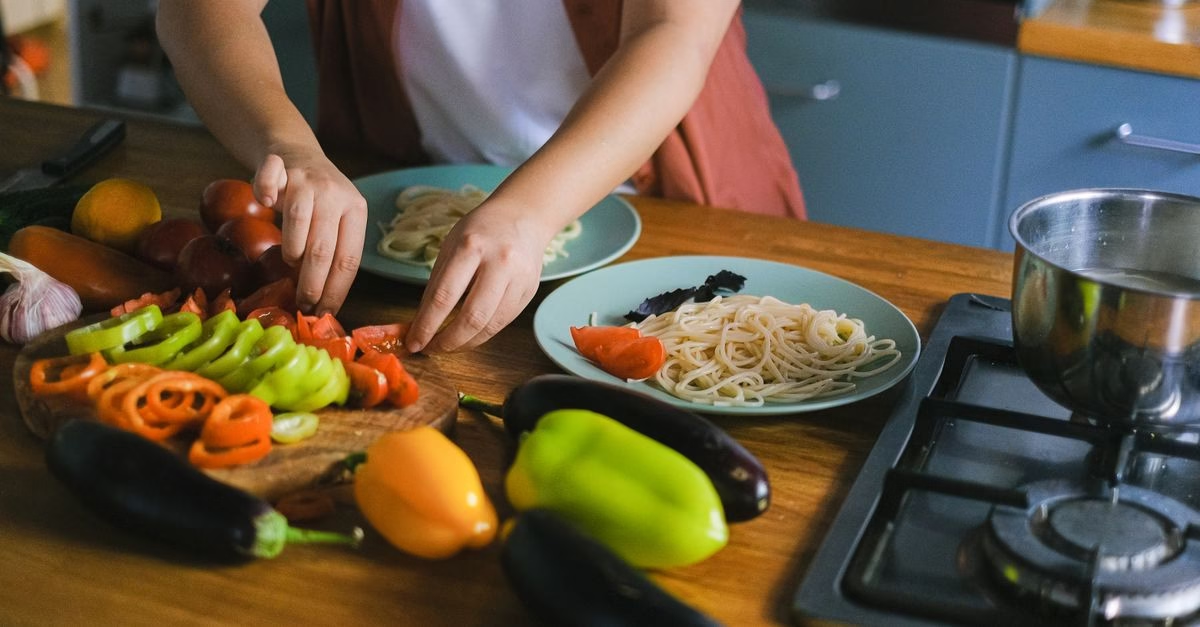
Why do I have gas after eating vegetables?
If you’ve ever wondered, “Why do I have gas after eating vegetables?” you’re not alone! Many people experience this after incorporating more veggies into their meals. Vegetables are usually considered a healthy part of our diets, rich in fiber, vitamins, and minerals. However, some individuals notice that consuming them can lead to gas and bloating. Understanding the reasons behind these symptoms can help you continue enjoying your veggies without discomfort.
So, what’s going on? When we eat vegetables, certain types can be more challenging to digest. Gas is often created when our body breaks down food in the digestive system, and some veggies can lead to more gas compared to others. Let’s explore the science behind this and find out what you can do to enjoy your greens without feeling gassy!
What Does This Mean?
When we talk about having gas after eating vegetables, we’re referring to feelings of bloating or discomfort in the stomach due to the fermentation of food that isn’t fully digested. This is common and can happen for several reasons related to how our bodies process different foods. While gas is a normal part of digestion, it can be uncomfortable and lead many to question their dietary choices.
Several types of vegetables, especially those high in certain fibers or sugars, can produce more gas in your intestines. Understanding what happens in your body could make it easier to manage this issue.
Why Does This Happen?
One possible reason for experiencing gas after eating vegetables is that many veggies contain complex carbohydrates and fibers that our bodies struggle to break down completely. These substances pass into the large intestine, where helpful bacteria work to ferment them, producing gas as a byproduct. This process is a normal part of digestion, but in some individuals, it can lead to discomfort.
Another common factor is food sensitivities. Some people might have difficulty digesting certain vegetables due to specific sugars or starches present. For instance, the sugar raffinose is found in vegetables like broccoli, cabbage, and Brussels sprouts, and can be responsible for the gassy feeling many experience.
In some individuals, changes in the gut microbiota (the community of bacteria in the digestive tract) may also influence how well they tolerate certain vegetables. Research suggests that a diverse gut microbiome can improve digestion and reduce gas production.
Common Causes
Let’s break down some of the major causes of why you might be experiencing gas after eating vegetables:
1. High-Fiber Content
Many vegetables are high in fiber, and while fiber is essential for good digestion, it can also lead to increased gas, especially if your body isn’t used to it. When you suddenly increase your fiber intake, your digestive system may take time to adjust, causing gas and bloating.
To help, try gradually increasing your fiber intake and drinking more water to aid digestion.
2. Specific Sugars
Certain vegetables contain sugars like fructose and raffinose, which can be tricky for some people to digest. When these sugars hit the gut, they can ferment and produce gas. Common culprits include beans, broccoli, and onions.
Identifying which vegetables cause you the most trouble may help you adjust your diet accordingly.
3. Eating Quickly
How you eat can also play a role! Eating quickly might lead to swallowing more air, which can contribute to gas. Chewing your food thoroughly can ease the digestive process and reduce the amount of air you swallow.
4. Gut Health
Your overall gut health can significantly affect how your body reacts to vegetables. If your gut bacteria are out of balance, it might lead to more gas production. Probiotics, which are beneficial bacteria, may help support a healthier gut and improve digestion.
Consider including probiotic-rich foods like yogurt or fermented foods in your diet to support gut health.
Signs and Symptoms to Watch For
Gas after eating vegetables can come with a variety of symptoms, and while occasional discomfort is normal, there are signs you shouldn’t ignore:
- Common Symptoms: Bloating, burping, and excess gas are typical after consuming vegetables, especially those that are harder to digest.
- Symptoms Requiring Attention: Consider speaking with a healthcare professional if you experience severe pain, significant bloating that lasts for a long time, or any changes in your stool patterns.
It’s essential to differentiate between occasional discomfort and persistent or worsening symptoms, which may indicate something requiring medical evaluation.
What Can Make It Worse?
Several factors may worsen the gas you experience after eating vegetables:
- Diet: High-fat or fried foods can slow digestion, contributing to gas buildup.
- Eating habits: Consuming large meals or eating too quickly can lead to more air swallowing and potential gas issues.
- Hydration: Not drinking enough water can make it harder for fiber to do its job and may contribute to constipation and gas.
- Physical Activity: A lack of movement can slow digestion, leading to feelings of fullness and gas.
Foods and Drinks Related to the Topic
Some foods and drinks can influence your experience with gas and vegetables:
- Foods that may cause problems include broccoli, cauliflower, beans, onions, and whole grains.
- While these foods are nutritious, it might help to consume them in moderation and monitor how your body reacts.
- On the other hand, drinking plenty of water and consuming foods high in potassium, like bananas, may help alleviate gas.
What Can We Do?
If you’re looking to reduce gas after eating vegetables, consider these practical tips:
- Introduce fiber gradually: When increasing fiber in your diet, do it slowly to give your digestive system time to adjust.
- Stay hydrated: Drink plenty of fluids to assist with digestion.
- Eat mindfully: Take your time while eating, chew your food well, and avoid gulping down air.
- Maintain a food diary: Tracking what you eat can help you identify any specific vegetables or foods that lead to discomfort.
- Consider probiotics: Foods like yogurt can help balance your gut bacteria and may improve digestion.
When Should You See a Doctor?
If you’re experiencing persistent or severe symptoms, it’s smart to consult a healthcare professional. Here are some warning signs to look for:
- Severe or consistent abdominal pain
- Blood in your stool
- Unexplained weight loss
- Persistent vomiting or nausea
- Difficulty swallowing
Don’t hesitate to reach out to a doctor if you’re concerned about your symptoms.
Frequently Asked Questions
Why am I always gassy after eating vegetables?
Being gassy after eating vegetables can stem from the high fiber content and specific sugars in certain veggies, which can be harder for some people to digest.
Can food allergy cause gas after eating vegetables?
Yes, food allergies or intolerances can lead to gas. If you suspect a specific vegetable is causing issues, consider discussing this with a healthcare professional.
How long does gas from vegetables last?
Gas can typically last for a few hours after eating, but it varies by individual and what was consumed. If gas persists, consult a doctor.
Are cooked vegetables easier to digest?
For many people, cooking vegetables can break down some of the fiber and sugar content, making them easier to digest and less likely to cause gas.
Should I avoid gas-producing vegetables completely?
Avoiding them isn’t necessary. You can still enjoy them in moderation and through methods like cooking or pairing with digestive aids such as ginger or peppermint.
How can I prevent gas from fiber?
Introduce high-fiber foods gradually into your diet and ensure you’re drinking plenty of water to help with digestion.
Are there specific vegetables that cause more gas?
Some common culprits include beans, broccoli, cabbage, and Brussels sprouts due to their fiber content and specific sugars.
Is there a difference between dietary fiber types?
Yes, there are two types of fiber: soluble and insoluble. Soluble fiber can help manage gas, while insoluble fiber can sometimes lead to more gas if consumed in large amounts.
What the Research Says About Why do I have gas after eating vegetables?
Research highlights that gas production is a normal part of the digestive process, especially when consuming fiber-rich foods. Studies show that individuals who gradually increase fiber in their diet report fewer digestive discomforts over time. Additionally, having a diverse microbiome is vital for healthy digestion and has been linked to lower instances of gas production.
According to the American Gastroenterological Association, understanding our individual tolerances to certain foods, including specific vegetables, can aid in managing gas more effectively.
Simple Daily Habits That May Support Better Health
Incorporating some simple habits into your daily routine can support better digestion and reduce gas:
- Stay active: Regular physical activity can encourage healthy digestion.
- Mind your meals: Eating at a slower pace can prevent swallowing too much air and may help with gas reduction.
- Hydrate regularly: Keep fluids up to assist with fiber digestion.
- Monitor your vegetables: Note the types of veggies that cause you discomfort so you can manage your intake better.
Final Thoughts
We often enjoy the health benefits that vegetables bring to our meals, but it’s natural to wonder, “Why do I have gas after eating vegetables?” With a little understanding, you can navigate this issue more smoothly. Remember that while occasional gas might be common, there are many practical strategies you can try to alleviate discomfort and enjoy your meals. If gas is persistent or severe, reaching out to a healthcare professional for personalized advice is always a wise step.
Our bodies respond differently based on what we eat, so being mindful of how certain foods affect you can make a big difference. Keep experimenting with your meals, and soon, you might find the balance that works for you!
Sources and References
National Institute of Diabetes and Digestive and Kidney Diseases: “Gas and Bloating.” Publication Date: 2022. https://www.niddk.nih.gov/health-information/digestive-diseases/gas-bloating
Mayo Clinic: “Gas Symptoms and Causes.” Last updated November 2022. https://www.mayoclinic.org/diseases-conditions/gas/symptoms-causes/syc-20379387
American Gastroenterological Association: “Good Gut Health.” Published Date: 2023. https://www.gastro.org/nutrition/good-gut-health
Cleveland Clinic: “Why Am I Gassy?” Updated May 2023. https://my.clevelandclinic.org/health/diy/22381-why-am-i-gassy
Harvard T.H. Chan School of Public Health: “Fiber: The good, the bad, and the ugly.” Published Date: 2023. https://www.hsph.harvard.edu/nutritionsource/fiber/
Medical Disclaimer
This article is for general educational and informational purposes only. It is not intended to provide medical advice, diagnosis, or treatment. Health conditions can affect people differently, and information that is appropriate for one person may not be appropriate for another. If you have persistent, severe, or concerning symptoms, speak with a qualified healthcare professional for personalized advice.
Further Reading
Ivf Shot Schedule: 10 Things You Should Know
Omeprazole and Alcohol: Is It Safe to Mix?
what does a growth spurt in pregnancy feel like
Photo by Anna Shvets on Pexels.