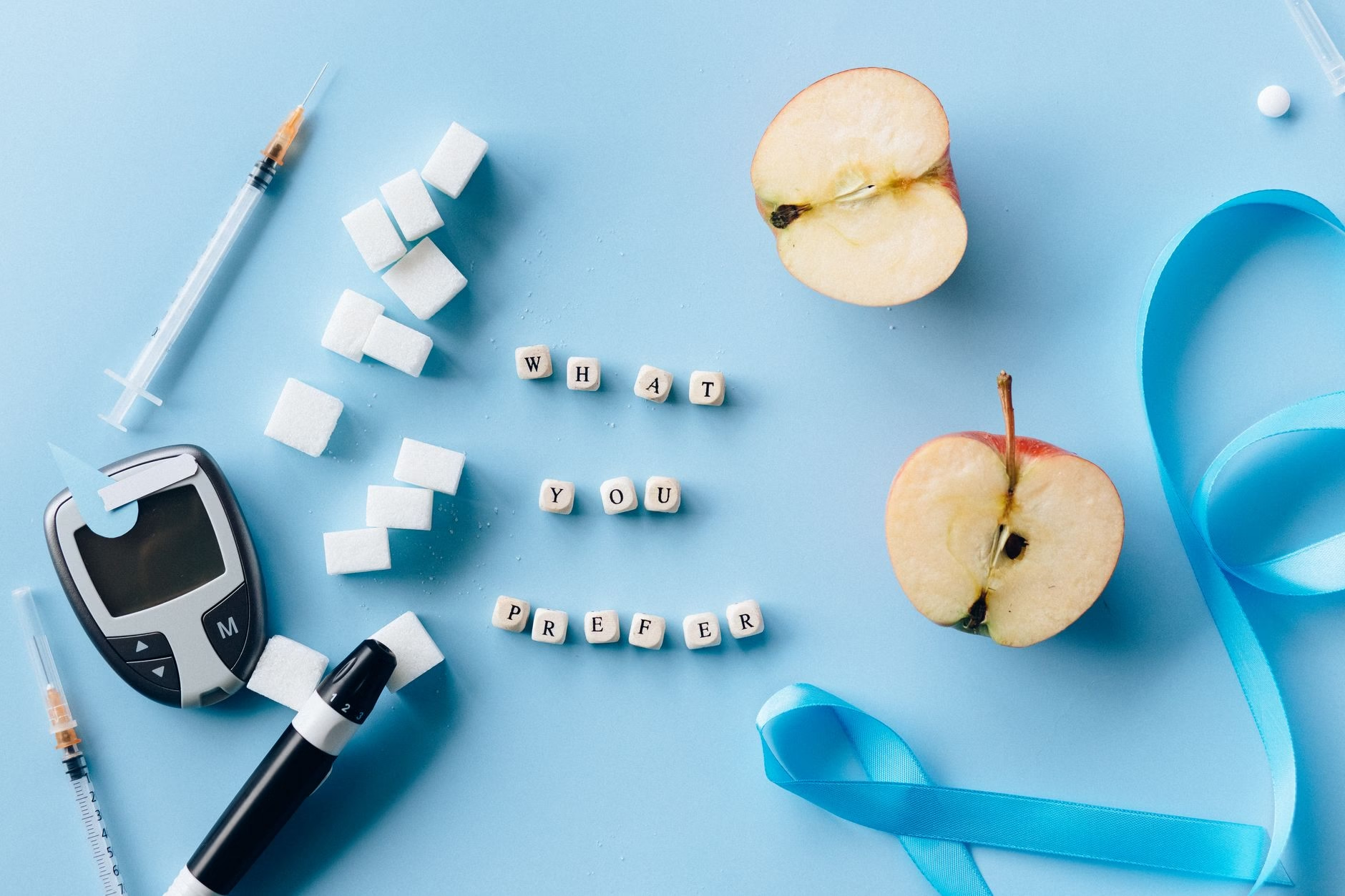
what happens when you stop eating sugar can surprise many people. Sugar hides in foods you may not suspect. It is in bread, sauce, and drinks. It adds taste but no nutrients. If you take sugar out of your diet, your body will need time to adjust. In the first days, you may feel tired or have a headache. You may also feel low in mood. Many people may get strong cravings for sweets.
These feelings may last a few days or up to two weeks. Then your energy may feel more steady. You may sleep better at night. After a few weeks, you can see shifts in your weight. You may lose a bit of weight if you keep your calories down. You may also see your blood sugar and blood pressure change. Your heart and your blood vessels can feel the change. Your mood may even feel brighter after the first hard days.
This guide will explain the main steps your body goes through when you cut out sugar. We will cover both short and long term changes. You will also learn when to get help from a pro. You can feel better and live a healthier life.
Key Takeaways
| Takeaway | Details |
|---|---|
| Energy shifts | Your energy can level out, a clear sign of what happens when you stop eating sugar. |
| Dental health | Your risk for cavities can drop when you act on what happens when you stop eating sugar. |
Facts
what happens when you stop eating sugar: immediate changes
When you quit sugar, the first days can feel hard. Your body has less quick fuel. You may get headaches. You may feel weak or tired. You may have strong cravings. You may even feel moody. These signs come from a change in brain signals. Your brain used to get a fast sugar boost. Now it gets stable fuel. You may also feel some mild pain or dizziness. Most of these signs pass in a few days. They can last up to two weeks for some people.
Biology of sugar withdrawal
Sugar is a simple carb. It breaks down fast in your gut. It pushes glucose into your blood. Your body makes insulin to control that glucose. When you stop sugar, you cut down on insulin spikes. That can ease your blood sugar work. Some people with high sugar also see lower blood fats. They may see lower triglycerides. This can help health of your heart. The Harvard T.H. Chan School of Public Health shows that lower sugar can cut weight gain risk.
Common considerations
what happens when you stop eating sugar: long term health
After a month or more, you may see new gains. Your waist may shrink. Your blood pressure may fall. You may see your fasting glucose go down. Your lipids may shift. Some people note lower triglycerides and better cholesterol. If you have prediabetes, you may slow its rise. People with type 2 diabetes often see steadier glucose. You may sleep more soundly. Many report better mood over time.
why what happens when you stop eating sugar can vary
Not all bodies act the same. Your age, weight, genes, and habits change your path. Your daily moves and your other food choices matter. How much fiber or protein you eat makes a big difference. Your stress, your work, and your rest also play a role. A steady meal plan helps you stick to low sugar. If you choose whole foods, you gain more good hits for your gut and your cells.
How to reduce sugar intake
You can cut sugar slowly. Go day by day. Swap sweet drinks for water or tea. Read food labels to spot sugars. Pick fruit instead of candy. Use spices like cinnamon for taste. Eat more lean meat, eggs, beans, or nuts. Choose whole grains in place of white bread. Add veggies to fill your plate. Plan snacks with protein and fiber. Keep fruit or nuts on hand for sweet taste.
When to see a doctor
Most sugar changes are safe on their own. But do get help if you have a health condition. If you take glucose meds, see your clinician first. They can guide you on dose shifts. If you have an eating issue, ask a dietitian to plan your path. Do not drop sugar fast if it leads to binges. If you feel very weak, confused, or faint, seek care. If you have chest pain or short breath, call for help right away.
Dental benefits of sugar reduction
Your teeth love low sugar. Bacteria in your mouth use sugar to stick to teeth. They make acid that can eat enamel. If you cut added sugars, you cut acid drives. You may see less plaque and fewer cavities. You still need to brush, floss, and see a dentist. Good oral habits plus low sugar can keep your teeth strong for years.
Nutrition swaps for sugar
You need good fuel when you drop sugar. You can pick plain yogurt instead of sweet yogurt. You can eat a piece of fruit instead of juice. Try oats with nuts rather than sweet cereal. Use whole grain toast with nut butter instead of jam. You can add berries to plain food for taste. You can pick carrots with humus instead of chips. Swap cookies for a handful of raisins or dates.
Managing cravings
Cravings can feel real and loud. Plan for times you may want sweets. Drink water when you feel a desire. Eat a small snack with protein first. Take a short walk or do a chore. Chew gum or suck on a mint. Call a friend to talk. Try a hobby to shift your mind. Cravings fade in days. They get much less in a few weeks.
Safety & care
Sugar cut can be safe for most people. Some must be cautious. If you have diabetes, work with your doctor. If you have an eating disorder, see a pro. If you are pregnant or nursing, get tailored advice. If you are under age 18, ask a parent or doctor. Do not go under the daily sugar limit set by American Heart Association.
Uncertainties
Research still has gaps on long term gains. We know short term shifts in weight and blood markers. But we need more data on years of change. We see mood and sleep improve for some. But that may link to other diet swaps. We are not sure how big blood pressure drops get. Some studies mix sugar cut with salt or fat drop. We need more on varied groups of people.
Conclusion
Cutting added sugar can be hard at first. But most signs ease in days or weeks. You may feel less tired and moody. You may lose weight and see better blood tests. Your teeth can also stay strong for longer. Plan cuts with whole foods and water. Get help from a pro if you have a health issue. A steady plan is safer than a fast fix. With time and care you can build new habits. You can keep a low sugar way of life. This can lead to better health now and in the years ahead.