Key Takeaways
- A diverse gut microbiome supports digestion, immunity, and mental well-being.
- Fiber-rich foods act as prebiotics to fuel beneficial gut bacteria.
- Fermented foods like yogurt and kefir provide helpful probiotic bacteria.
- Stress, dehydration, and processed foods can negatively impact your digestive balance.
Best Foods for Gut Health
Have you ever felt a bit off in your tummy? Maybe you’ve been searching for the best foods for gut health because you want to feel your best every day. Our gut health plays a significant role in our overall well-being, influencing everything from digestion and absorption of nutrients to our mood and immune system. If you’ve been feeling bloated, tired, or just out of sorts, you might be wondering what you can eat to support a healthier gut.
The term “best foods for gut health” refers to those foods that help promote a balanced gut microbiome, a diverse community of microorganisms living in your digestive tract. These microbes help break down food, produce beneficial compounds, and fend off harmful bacteria. But have no fear! There are plenty of delicious options out there that can nourish these little guys and keep your gut happy.
What Does This Mean?
Gut health refers to the well-being of your digestive system, specifically the balance of microorganisms in your intestines. These microorganisms help digest food, produce vitamins, and support your immune system. A well-functioning gut can lead to improved overall health. Important terms to consider include:
- Microbiome: The collection of trillions of microbes, including bacteria, viruses, fungi, and other microorganisms, that live in your gut.
- Probiotics: Live beneficial bacteria that can help restore balance to your gut microbiome.
- Prebiotics: Types of fiber that feed the good bacteria in your gut, helping them thrive.
Why Does This Happen?
If you’re curious about what can affect your gut health, there are several factors to consider. One possible reason your gut may feel off could be due to your diet. Foods that are high in sugar, fat, and processed ingredients can disrupt the delicate balance of your gut microbiome. Another common factor is stress, it can have a negative impact on your digestion and even lead to symptoms like bloating or discomfort.
Research suggests that certain foods can help promote a healthy gut, while others might encourage an imbalance. Everybody’s gut is unique, so what works for one person might not work for another. It’s essential to pay attention to your body and find what feels right for you.
Common Causes
Understanding what contributes to gut health can help you make informed decisions. Here are some common factors:
- Dietary Choices: Consuming a diet rich in fruits, vegetables, whole grains, and lean proteins can nourish your gut bacteria. Foods high in sugar and unhealthy fats can harm it.
- Antibiotic Use: While antibiotics can be important for treating infections, they can also disrupt the balance of beneficial bacteria in your gut.
- Lack of Fiber: Fiber is crucial for gut health. It acts like fertilizer for your gut bacteria. A fiber-poor diet can hinder their growth.
Signs and Symptoms to Watch For
Being aware of your gut health can help you notice any changes that may need attention. Common symptoms of an imbalanced gut may include:
- Feelings of bloating or gas
- Frequent heartburn
- Unintentional weight change
- Fatigue and low energy levels
- Skin irritations
While occasional symptoms are normal, you should call your doctor if you experience persistent or worsening issues, like severe pain, blood in your stool, or prolonged changes in bowel habits.
What Can Make It Worse?
Several lifestyle and dietary factors might contribute to gut health issues:

- Poor Diet: High-sugar, high-fat diets can contribute to inflammation in the gut.
- Dehydration: Staying hydrated helps with digestion and absorption of nutrients.
- Stress: Stress can alter gut permeability and lead to discomfort.
- Lack of Sleep: Poor sleep can impact the body’s bacteria balance.
Foods and Drinks Related to Gut Health
When it comes to supporting your gut health, the foods you choose to eat matter! Here’s a list of some of the best foods that tend to promote gut health:
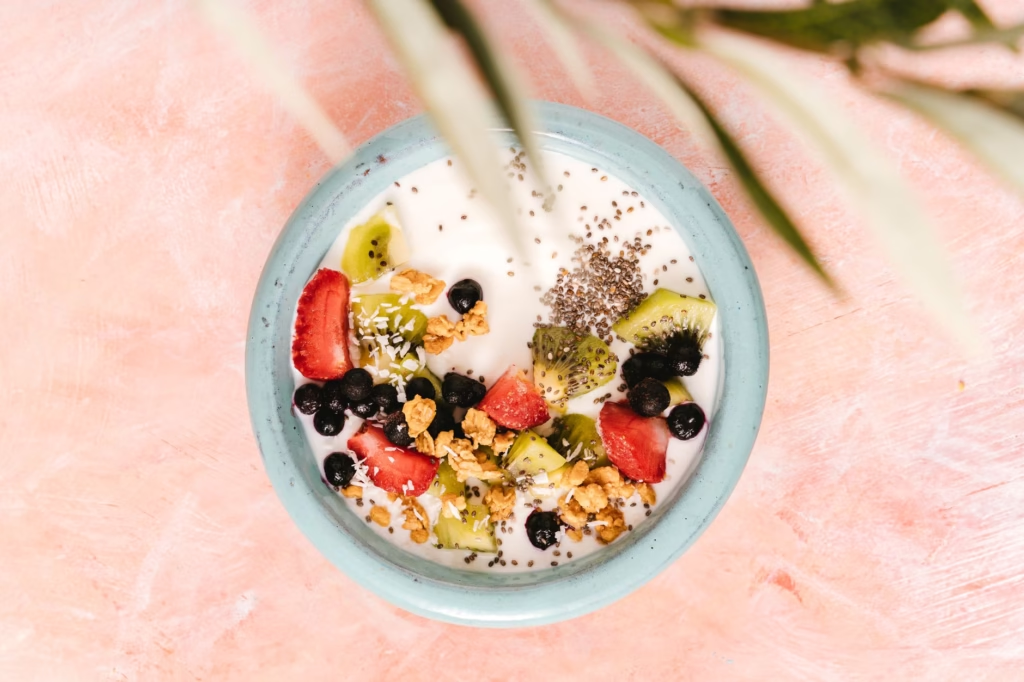
- Yogurt: A great source of probiotics, which can help replenish good bacteria.
- Kefir: Similar to yogurt, this fermented drink is rich in probiotics.
- Whole Grains: Oats, brown rice, and quinoa are high in fiber and can support healthy bacteria.
- Fruits and Vegetables: Bananas, apples, asparagus, and garlic are all good sources of prebiotics.
- Legumes: Beans and lentils are fiber-packed and nourish the microbiome.
It’s important to remember that every person’s body reacts differently to food. What helps one individual may not work for another. Focus on a balanced diet rather than labeling foods as simply “good” or “bad.”
What Can We Do?
Here are some practical, evidence-based steps you can consider for supporting your gut health:
- Incorporate Probiotics: Adding foods like yogurt and kefir to your diet may help introduce beneficial bacteria.
- Eat More Fiber: Aim for a variety of fruits, vegetables, whole grains, and legumes to provide different types of fiber.
- Stay Hydrated: Drinking enough water supports digestion and overall gut function.
- Manage Stress: Engage in relaxation techniques such as yoga, meditation, or simple breathing exercises.
- Limit Processed Foods: Minimize your intake of sugary and highly processed foods that can negatively affect your gut.
When Should You See a Doctor
Consulting with a healthcare professional is important when you notice concerning symptoms. Signs that warrant a doctor’s visit may include:
- Severe or persistent abdominal pain
- Blood in stools or black stool
- Unexpected weight loss
- Chronic diarrhea or constipation
- Symptoms that worsen despite your lifestyle changes
Frequently Asked Questions
Why is gut health important?
Gut health is crucial because it influences digestion, nutrient absorption, and immune function, as well as mental health and mood.
Can food affect my gut health?
Yes, the foods you eat can greatly impact the balance of bacteria in your gut. A healthy diet can promote good gut bacteria.
What are some common signs of poor gut health?
Common signs include bloating, gas, changes in bowel movements, fatigue, and skin issues.
How can I improve my gut health?
You can improve your gut health by eating a balanced diet rich in fiber, consuming fermented foods, staying hydrated, and managing stress.
Should I take probiotics?
Probiotics can be beneficial, particularly after antibiotic use or if you have digestive issues. It’s best to discuss with a healthcare professional for personalized advice.
Can I eat gluten if I have gut health issues?
Some people with certain gut conditions may need to limit or avoid gluten. It’s important to assess your body’s individual response.
How do I know if I need more fiber?
If you experience constipation or irregular bowel movements, it may be a sign to increase your fiber intake.
What role does stress play in gut health?
Stress can disrupt gut function and lead to symptoms like bloating and discomfort. Reducing stress can positively impact your gut health.
What The Research Says About Best Foods for Gut Health
Research has shown that diverse diets rich in fiber, fermented foods, and whole grains can support a healthy gut microbiome. Systematic reviews reveal that probiotics may benefit gut health, especially after antibiotic treatment and in managing certain gastrointestinal issues like irritable bowel syndrome (IBS) (source: NIH). Other studies suggest that high-fiber diets can decrease the health risks associated with gut diseases (source: National Institutes of Health).
While evidence is building regarding the importance of gut microbiota, it’s vital to remember that individual responses can vary. What supports gut health in one person might not work for everyone. Ongoing research continues to explore the complex interactions between diet, lifestyle, and gut health.
Simple Daily Habits That May Support Better Health
Incorporating small, consistent habits can help maintain a healthy gut:
- Try adding a small serving of yogurt or kefir to your breakfast.
- Include vegetables in every meal.
- Make a habit of drinking plenty of water throughout the day.
- Engage in regular physical activity, even light exercise like walking.
Final Thoughts
We often overlook the important role our gut plays in our health, but by focusing on the best foods for gut health, we can positively impact our overall well-being. The right foods can help maintain a balanced microbiome and improve digestion. Remember that it’s all about balance! If we notice uncomfortable symptoms persisting despite dietary changes, talking to a healthcare professional can provide the guidance we need.
Let’s support our gut health together by making informed food choices, managing stress, and listening to our bodies. Here’s to a happy and healthy gut!
Sources and References
NIH: Probiotics: A practical clinical guideline. Updated August 15, 2023. [Link](https://www.ncbi.nlm.nih.gov/pmc/articles/PMC6313425/)
National Institutes of Health: Dietary Fiber and Health. Updated January 12, 2023. [Link](https://www.ncbi.nlm.nih.gov/pmc/articles/PMC4632630/)
Mayo Clinic: Probiotics: What you need to know. Updated April 17, 2022. [Link](https://www.mayoclinic.org/drugs-supplements-probiotics/expert-answers/probiotics/faq-20058011)
Cleveland Clinic: Gut Health: What You Need to Know. Updated July 31, 2023. [Link](https://my.clevelandclinic.org/health/articles/8824-gut-health)
Harvard T.H. Chan School of Public Health: The Nutrition Source: Carbohydrates. Updated May 1, 2023. [Link](https://www.hsph.harvard.edu/nutritionsource/carbohydrates/fiber/)

Medical Disclaimer
This article is for general educational and informational purposes only. It is not intended to provide medical advice, diagnosis, or treatment. Health conditions can affect people differently, and information that is appropriate for one person may not be appropriate for another. If you have persistent, severe, or concerning symptoms, speak with a qualified healthcare professional for personalized advice.
Further Reading
Ivf Shot Schedule: 10 Things You Should Know
Omeprazole and Alcohol: Is It Safe to Mix?
what does a growth spurt in pregnancy feel like
Photo by Andri Wijayanto on Pexels.
Frequently Asked Questions
Can coffee affect my gut health?
For many, coffee can stimulate bowel movements due to its effect on the digestive tract muscles. However, some people find that high caffeine intake or added sweeteners can cause discomfort. It is best to observe how your body reacts to your daily cup.
Should I avoid all sugar for a healthy gut?
You do not need to eliminate all sugar, but limiting added sugars is beneficial. High amounts of refined sugar can feed harmful bacteria and contribute to inflammation. Focus on whole foods and enjoy sweet treats in moderation.
Does taking a multivitamin help my gut?
A multivitamin may help if you have a specific nutrient deficiency, but it is not a substitute for fiber-rich foods. Real food provides essential prebiotics and nutrients that supplements often lack. Consult your doctor before adding supplements to your routine.
How long does it take to see improvements in gut health?
Changes to your diet can lead to noticeable improvements in digestion within a few weeks. Consistency is key, as your microbiome needs time to adjust to new eating habits. Be patient and listen to your body as you make these positive shifts.
The Bottom Line
Supporting your gut health is a rewarding journey that begins with the food on your plate. By choosing fiber-rich whole foods and including fermented options, you provide the essential fuel your microbiome needs to thrive. Remember that every body is unique, so focus on consistency and gentle habits that make you feel your best. If you have any ongoing concerns, your doctor is always your best partner in health.