If you’ve ever woken up with a feeling of discomfort, wondering, “Why am I constipated in the morning?”, you’re not alone. This is a common issue many people face, and it can be both frustrating and confusing. Morning constipation can disrupt your day, and trying to figure out the cause can feel like a puzzle with missing pieces. Understanding why this happens is important, and it can help you find ways to ease your discomfort.
Morning constipation typically refers to difficulty in passing bowel movements upon waking up, which many people often notice right after breakfast or when they try to use the bathroom. It can stem from a variety of reasons, from lifestyle habits to dietary choices. Knowing the underlying causes can assist you in making small, practical changes that might ease the situation. Let’s explore what could be happening in your body and what you can do about it!
What Does This Mean?
Constipation is defined as having fewer than three bowel movements a week and often includes difficulties in passing stools. If you find yourself straining or feeling as though you aren’t completely finished after a bowel movement, you may be experiencing constipation. When it becomes a morning issue, it might be linked to various factors unique to your sleep, diet, or lifestyle. The goal is to understand these factors and take steps toward feeling more comfortable.
Why Does This Happen?
There are several reasons why someone might experience constipation in the morning. One possible reason could be how your body’s internal clock, or circadian rhythm, interacts with your digestive system. Another common factor could be lifestyle habits such as dehydration or insufficient physical activity. In some people, shifts in diet or stress can also play a role. It’s important to note that each body is different, and what affects one person may not affect another in the same way.
Common Causes
Dehydration: One common cause of morning constipation is not drinking enough water. When you’re dehydrated, your body absorbs more water from the food waste in your intestines, resulting in harder stools that are more difficult to pass. Try to include enough fluids throughout the day, and especially first thing in the morning, to keep things flowing.
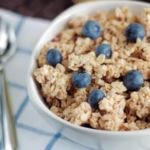
Dietary Choices: What you eat plays a significant role in digestion. A lack of fiber—often found in fruits, vegetables, and whole grains—can lead to constipation. If your breakfast lacks fiber or you skip it altogether, it might be harder for your body to have a bowel movement in the morning. Including a high-fiber breakfast, like oatmeal or a smoothie with fruits and veggies, might help.
Physical Inactivity: Many people aren’t as active during the night, which can slow down your metabolism and digestive movements. Inactivity can contribute to constipation. If you’re not regularly exercising, even a short morning walk can help stimulate your digestive system and push everything along.
Changes in Routine: Any change in routine, like travel, new jobs, or significant life shifts, can unsettle your body’s natural rhythm, including digestion. When your body begins to operate differently, so might your bowel habits.
Signs and Symptoms to Watch For
Common signs of morning constipation may include:
- Infrequent bowel movements
- Straining during bowel movements
- Hard or lumpy stools
- Sensation of incomplete evacuation
It’s essential to differentiate between occasional issues and symptoms that persist over time. If you only experience constipation in the mornings now and then, it might not be a cause for concern. However, if it becomes a routine problem, or if you experience other symptoms like sharp abdominal pain, blood in your stool, or unexplained weight loss, it’s time to consult a healthcare professional.
What Can Make it Worse?
Several factors can worsen morning constipation, including:
- Poor Diet: Diets high in processed foods often contain little fiber, which can contribute to constipation.
- Lack of Hydration: Remembering to drink water can be easy to overlook, especially if your morning routine is rushed.
- Low Physical Activity: Lack of regular exercise slows down digestion.
- High Stress Levels: When life becomes hectic, stress can impact how our bodies function, including digestion.
Foods and Drinks Related to Morning Constipation
Certain foods and drinks can influence how your digestive system functions. Foods high in fiber, like beans, lentils, whole grains, nuts, seeds, fruits, and vegetables, can help prevent constipation by adding bulk to the stool. On the other hand, foods high in fat and sugar may contribute to constipation symptoms, as they often lack the necessary fiber. Foods that can worsen constipation include processed snacks, cheeses, and white bread. It’s essential to remember that every body is different, and adding variety to your diet while keeping track of how certain foods affect your digestion can lead to a more balanced approach.
What Can We Do?
Here are some practical steps to help ease morning constipation:
- Hydrate: Make it a habit to start your day with a glass of water. Keeping hydrated throughout the day is essential for good digestion.
- Add Fiber: Begin your day with a fiber-rich breakfast—like a smoothie or oatmeal. Try to include fruits and veggies in your meals.
- Stay Active: Incorporate gentle exercises or stretches into your morning routine to stimulate your digestive system.
- Establish a Routine: Try to set a consistent time for breakfast and bathroom use, as this can help regulate your body’s natural rhythms.
When Should You See a Doctor?
If you consistently find yourself asking, “Why am I constipated in the morning?” and have implemented changes without improvement, it may be time to speak with a healthcare professional. Likewise, if you experience severe or persistent pain, blood in your stool, unexplained weight loss, or any other concerning symptoms, don’t hesitate to seek medical advice. It’s always better to be cautious when it comes to your health.
Frequently Asked Questions
Why am I always constipated in the morning?
Morning constipation can be due to various factors including dietary habits, levels of physical activity, and even hydration. It’s important to evaluate your lifestyle to see what changes might help.
Can food cause constipation in the morning?
Yes, certain foods can lead to constipation if they are low in fiber or high in fat and sugars. Eating a balanced diet with plenty of fiber can alleviate issues.
When should I worry about constipation in the morning?
If constipation becomes persistent, is accompanied by pain or blood in your stool, or if you notice other unusual symptoms, it is advisable to seek medical attention.
Does stress impact morning constipation?
Absolutely! Stress can affect digestion and may lead to constipation. Finding ways to manage stress can help improve your digestive health.
Can dehydration lead to morning constipation?
Yes, not drinking enough fluids can contribute to constipation. Staying well-hydrated helps your digestive system function properly.
Is there a connection between sleep and morning constipation?
Yes, your sleep patterns can affect your body’s natural functions, including digestion. Lack of quality sleep can lead to irregularities in bowel movements.
How much fiber should I be eating daily?
Most adults should aim for about 25 to 30 grams of fiber each day. Gradually increasing your fiber intake and drinking plenty of water can help.
What is the best way to relieve morning constipation?
Making small lifestyle changes, such as staying hydrated, increasing fiber intake, and staying active can help relieve morning constipation.
What the Research Says About Why Am I Constipated in the Morning?
Research indicates that several factors contribute to constipation, including diet, hydration, and physical activity levels. A systematic review published by the National Institutes of Health demonstrated the importance of fiber and hydration in maintaining regular bowel function. Additionally, studies suggest that stress management and establishing regular routines can benefit digestive health in the general population. However, individual responses can vary widely, which is essential to keep in mind.
Simple Daily Habits That May Support Better Health
Incorporating simple daily habits can improve your overall health and support a more regular digestive process. Keep a consistent wake-up time, establish a routine that includes hydration and eating breakfast, and incorporate movement into your day. Not only can these habits help improve your digestion, but they can also enhance your overall well-being.
Final Thoughts
We often overlook how our daily habits influence our body’s functions, including digestion. If you find yourself wondering, “Why am I constipated in the morning?”, it’s crucial to evaluate several factors—like diet, hydration, stress, and routine. While occasional constipation can be normal, persistent issues should be addressed. Remember that our bodies are unique, and what works for one person may not work for another. If your symptoms persist, consulting with a healthcare professional can provide personalized insights that help you feel more comfortable. Here’s to smoother mornings ahead!
Sources and References
National Institute of Diabetes and Digestive and Kidney Diseases: Constipation. Last updated April 2022. https://www.niddk.nih.gov/health-information/digestive-diseases/constipation
Mayo Clinic: Constipation. Last updated February 2023. https://www.mayoclinic.org/diseases-conditions/constipation/symptoms-causes/syc-20365268
American Gastroenterological Association: Gastrointestinal Health and Constipation. Last updated June 2022. https://www.gastro.org/patient-center/digestive-health/constipation
Harvard T.H. Chan School of Public Health: Dietary Fiber. Last updated September 2022. https://www.hsph.harvard.edu/nutritionsource/fiber/
Cleveland Clinic: Constipation – Symptoms, Diagnosis, Treatment. Last updated March 2023. https://my.clevelandclinic.org/health/diseases/9298-constipation
Medical Disclaimer
This article is for general educational and informational purposes only. It is not intended to provide medical advice, diagnosis, or treatment. Health conditions can affect people differently, and information that is appropriate for one person may not be appropriate for another. If you have persistent, severe, or concerning symptoms, speak with a qualified healthcare professional for personalized advice.
Further Reading
Ivf Shot Schedule: 10 Things You Should Know
Omeprazole and Alcohol: Is It Safe to Mix?
what does a growth spurt in pregnancy feel like
Photo by Ruslan Sikunov on Pexels.