Have you ever found yourself pondering, “Why am I always constipated?” This is a common concern for many people in the United States. Constipation can make you feel uncomfortable, bloated, and frustrated, and it might lead you to search for an explanation. Understanding this issue is the first step toward finding some relief. Whether it’s infrequent bowel movements, straining during bathroom visits, or discomfort, exploring the reasons behind persistent constipation can bring a little clarity to your day-to-day life.
In this article, we’ll take a friendly stroll through the world of constipation, uncovering common causes, signs to look out for, and practical steps you can take to help your digestive health. The more you know, the better prepared you’ll be to address your constipated woes—after all, our bodies are pretty amazing, and understanding them is key to feeling our best!
What Does This Mean?
Constipation is usually defined as having fewer than three bowel movements a week. For many, this can mean straining during stools or feeling like your bowels aren’t emptying completely. It’s more than just an occasional hassle; it can become a persistent issue that affects your quality of life. Knowing what constipation truly means can help you understand why you might be feeling this way. Important terms to know include:
- Bowel movement: This refers to the process and result of passing stool (or bodily waste) from the digestive tract.
- Feces: This is simply the waste material that comes out after your body takes what it needs from food.
Why Does This Happen?
So, you might be wondering, why am I always constipated? There isn’t just one reason that applies to everyone. Several factors could be influencing your digestive health. Here are some to consider:
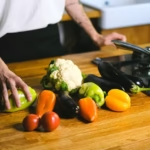
One possible reason is your diet. Are you getting enough fiber? Foods high in fiber, like fruits, vegetables, and whole grains, are essential for keeping things moving in your digestive system.
Another common factor is hydration. Drinking enough water helps soften your stool and can make it easier to pass. If you’re not sipping enough fluids, constipation might be knocking at your door.
In some people, lifestyle choices like lack of physical activity can also contribute. Regular exercise can help stimulate digestion and improve your bowel habits.
Research suggests that stress can have a significant impact on your gut health, too. Emotional stress can lead to changes in your digestive process, often resulting in constipation.
Common Causes
Let’s dig deeper into some common causes of constipation:
1. Low Fiber Diet
A diet lacking in fiber can be a significant reason. Fiber helps to bulk up your stool and speeds up its journey through your intestines. If you notice your meals skip on fruits and veggies, that might be a clue. Try gradually adding more fibrous foods like apples, beans, and oats to your plate.
2. Dehydration
Not drinking enough water? That can definitely lead to constipation! Adequate hydration keeps your stool soft and easier to pass. Aim for about eight 8-ounce glasses a day; more if you’re active or it’s hot outside!
3. Sedentary Lifestyle
Sitting too much without some activity can slow down your digestive system. If you find yourself on the couch a lot, try adding some gentle exercises or even short walks into your day. Movement can help get things moving in your gut!
4. Medications
Some medications, including certain pain relievers, antidepressants, and iron supplements, can cause constipation as a side effect. If you feel like your meds might be the culprit, chatting with your doctor could help find alternatives.
5. Stress and Anxiety
Mental health plays a powerful role in digestion. Stress or changes in your routine can disrupt normal bowel patterns, sometimes causing constipation. Finding techniques to manage stress, like deep breathing or meditation, may help your gut too!
Signs and Symptoms to Watch For
Constipation might come with some telltale signs. Here’s what to keep an eye out for:
- Infrequent bowel movements: Less than three times a week.
- Straining: Difficulty or pain when trying to pass stool.
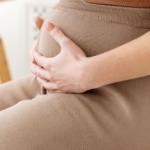
- Bloating: Feeling swollen or full in the abdomen.
- Hard stools: Stools that are dry or lumpy.
- Feeling incomplete: A sensation of not fully emptying your bowels.
While occasional constipation isn’t alarming, if it becomes persistent or you experience severe pain, blood in your stool, or unexplained weight loss, it’s a good idea to talk to your healthcare provider.
What Can Make it Worse?
Sometimes it’s the little things in life that can worsen our constipation. Here are some factors you might want to consider:
Diet
A diet low in fiber or high in processed foods can contribute to constipation. Pay attention to what you’re eating regularly.
Eating Habits
How you eat can play a role too. Eating too quickly or not allowing enough time to relax during meals can impact digestion.
Hydration
Not drinking enough water can lead to hard stools. Make hydration a habit!
Stress
High-stress levels from work or personal life can impact your gut. Try to find ways to de-stress and see if your digestive symptoms improve.
Physical Activity
Being inactive can slow digestive processes. Incorporate some movement, whether it’s walking after meals or doing simple stretches.
Foods and Drinks Related to Constipation
What you put on your plate can make a difference for constipation. Foods that are high in fiber can help, while others might make symptoms worse. Here are some considerations:
Foods that Help
- Fruits: Apples, pears, and berries are fiber-rich.
- Vegetables: Broccoli, spinach, and carrots boost fiber intake.
- Whole Grains: Oats, bran, and whole grain breads provide added fiber.
- Legumes: Beans and lentils pack fiber and protein.
Foods to Enjoy Moderately
- Processed foods: Chips, cookies, and fast food can lack fiber.
- High-fat foods: Foods rich in fat may slow digestion.
Keep in mind that everyone’s body reacts differently to foods. It can be helpful to notice which foods cause discomfort and adjust accordingly.
What Can We Do?
If you’re wondering, “What can I do about my constant constipation?” Here are some practical, evidence-based suggestions:
1. Increase Fiber Gradually
To support better digestion, try to gradually increase fiber in your diet. Aim for about 25–30 grams of fiber daily.
2. Stay Hydrated
Make an effort to drink enough water each day. Carrying a water bottle with you can serve as a reminder to hydrate.
3. Get Moving
Incorporate more physical activity into your routine. A daily walk or some gentle stretching can stimulate digestion.
4. Manage Stress
Finding ways to unwind can have positive effects on your gut. Techniques like yoga, meditation, or deep breathing exercises can be beneficial.
5. Establish a Routine
Try to set a regular time for bowel movements, especially after meals. Creating a routine can signal your body to “go.”
When Should You See a Doctor
While it’s often a nuisance, constipation can sometimes be a sign that something more serious is going on. Here are situations when it’s best to seek medical advice:
- Severe or persistent abdominal pain
- Blood in your stool
- Unexplained weight loss
- Persistent vomiting
- Symptoms that suddenly worsen despite lifestyle changes
Consulting a healthcare professional can ensure you receive the proper evaluation and guidance tailored to your situation.
Frequently Asked Questions
Why am I always constipated?
Constant constipation may result from a variety of factors, including diet, hydration, physical inactivity, stress, and certain medications. It’s essential to consider these aspects when seeking solutions.
Can food cause constipation?
Yes, certain foods, particularly those low in fiber or high in fats, can lead to constipation. Incorporating more fibrous foods in your diet can help alleviate this issue.
When should I worry about constipation?
While occasional constipation is common, you should consult a healthcare provider if you experience severe pain, blood in your stool, or unexplained weight changes.
How much water should I drink to prevent constipation?
Staying well-hydrated is key. Aim for about eight 8-ounce glasses of water per day, adjusting based on your activity levels and climate.
Does exercise help with constipation?
Yes! Regular physical activity can stimulate digestion and may help alleviate constipation.
What role does stress play in constipation?
Stress can impact gut health significantly, leading to slower digestive processes. Finding ways to reduce stress may help improve symptoms.
Can over-the-counter medications help?
Some over-the-counter remedies can provide relief from constipation. However, it’s a good idea to consult with a healthcare provider before beginning any new treatment.
Are there any foods to avoid with constipation?
It may be best to limit highly processed foods, cheese, and fatty foods, which can worsen constipation for some individuals.
What the Research Says About Why Am I Always Constipated?
Research into constipation has revealed valuable insights. A 2019 review in the journal Gastroenterology emphasized the importance of dietary fiber and hydration, noting the relationship between low intake and increased constipation incidences. The National Institute of Diabetes and Digestive and Kidney Diseases (NIDDK) also indicates that lifestyle modifications can be effective for managing constipation.
However, while studies highlight common factors, it’s important to remember that everyone’s situation is unique. Not all interventions work for everyone, and ongoing research continues to explore the underlying mechanisms of constipation and its treatments.
Simple Daily Habits That May Support Better Health
Building small daily habits can contribute to better digestive health over time. Here are a few ideas to snatch and integrate into your life:
- Start Each Day with Water: Drinking water first thing in the morning may help kick-start your digestive system.
- Plan Meals with Fiber: Make it a point to include a source of fiber in each meal.
- Walk Regularly: Incorporating daily walks can make a big difference in your digestive rhythm.
- Stay Mindful: Pay attention to your body’s signals and avoid ignoring the urge to go.
Final Thoughts
Constipation can feel frustrating, but knowing the reasons behind it can bring you some reassurance. Whether it’s through dietary changes, managing stress, or adjusting your lifestyle, small steps can lead to improvements in your digestive health. We all have days when our bodies seem out of whack, and that’s perfectly normal.
Remember, if your symptoms persist or worsen, it is always best to have a conversation with a healthcare professional to explore your unique situation. Let’s be kind to our bodies and give them the care they deserve as we work toward feeling our best together!
Sources and References
National Institute of Diabetes and Digestive and Kidney Diseases: Constipation. 2020. https://www.niddk.nih.gov/health-information/digestive-diseases/constipation
Mayo Clinic: Constipation. 2023. https://www.mayoclinic.org/diseases-conditions/constipation/symptoms-causes/syc-20368956
Cleveland Clinic: Constipation. 2023. https://my.clevelandclinic.org/health/diseases/21525-constipation
American Gastroenterological Association: Gastrointestinal Health. 2022. https://www.gastro.org/
Harvard T.H. Chan School of Public Health: The nutrition source: Fiber. 2021. https://www.hsph.harvard.edu/nutritionsource/fiber/
Medical Disclaimer
This article is for general educational and informational purposes only. It is not intended to provide medical advice, diagnosis, or treatment. Health conditions can affect people differently, and information that is appropriate for one person may not be appropriate for another. If you have persistent, severe, or concerning symptoms, speak with a qualified healthcare professional for personalized advice.
Further Reading
Ivf Shot Schedule: 10 Things You Should Know
Omeprazole and Alcohol: Is It Safe to Mix?
what does a growth spurt in pregnancy feel like
Photo by Miriam Alonso on Pexels.