Key Takeaways
- Slow digestion often results from dietary habits, stress, or inadequate hydration rather than serious illness.
- Increasing fiber intake through fruits, vegetables, and whole grains helps food move efficiently through your system.
- Mindful eating and regular physical activity are simple, effective ways to support a healthy digestive rhythm.
- Persistent digestive issues should be evaluated by a healthcare professional to rule out underlying medical conditions.
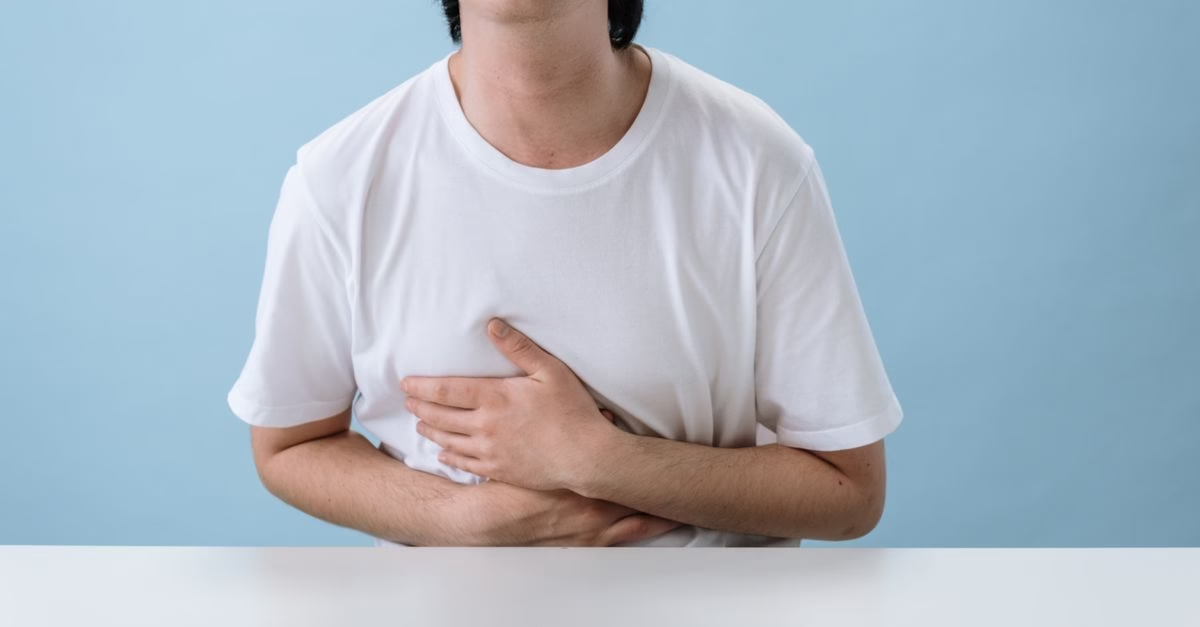
Are you asking yourself, “Why is my digestion so slow?” If so, you’re not alone! Many people experience digestive woes, leading them to wonder about their gut health. Slow digestion can manifest as bloating, discomfort, and an overall feeling of heaviness after meals. Understanding simple aspects of digestion is key to addressing these issues. You might be searching for answers because you’ve noticed your regular digestive rhythm isn’t what it used to be, and it’s affecting your daily life.
Slow digestion, also known as delayed gastric emptying, can arise from various factors like what we eat, how we eat, or even how we feel. It’s not always a sign of a serious condition, but it can certainly be uncomfortable. In this article, we’ll dive into the possibilities, helping you understand the reasons behind your slow digestion and what you might be able to do about it. Ready to unlock those tummy troubles? Let’s get started!
What Does This Mean?
Slow digestion generally refers to the delayed process in which food moves through your digestive tract. This process usually involves multiple organs, including the stomach and intestines. When something isn’t quite right, this movement can slow down, leading to a range of uncomfortable symptoms.
In this context, *digestion* means breaking down the food you eat into nutrients that your body can use for energy, growth, and repair. Important terms to know include:
- Gastric emptying: This is the process of food moving from your stomach into your small intestine. When this takes longer than normal, it can lead to feelings of fullness or bloating.
- Constipation: Regularly having difficulty passing stool can contribute to a sluggish digestive system.
- Gut microbiome: This refers to the community of bacteria in your intestines that play a crucial role in digestion and gut health.
Why Does This Happen?
So, let’s explore some of the reasons you might be experiencing slow digestion. One possible reason can be related to your dietary choices. Research suggests that certain foods may impact how quickly your body processes what you eat. Here’s a look at what could be causing your slow digestion:
Common Causes
Everyone’s body is unique, and several factors can contribute to slow digestion. Here are some common causes to consider:
Dietary Choices
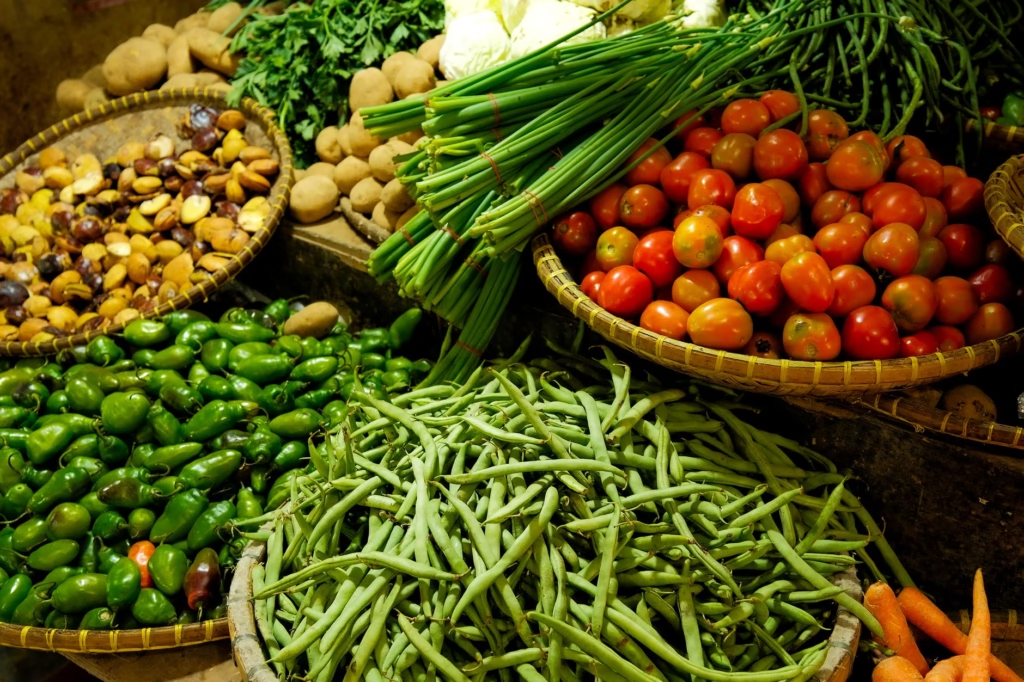
What you eat plays a big role in how quickly food moves through your digestive system. Foods that are high in fat or sugar can slow down the process. Additionally, a lack of fiber, which helps keep things moving, can also contribute.
Keep an eye on what you’re eating! Transitioning to a balanced diet rich in fruits, vegetables, and whole grains may help. If you’re curious about fiber, aim for at least 25 grams a day for women and 38 grams for men. You can consult a nutritionist for personalized advice.
Eating Habits
How you eat is just as important as what you eat. If you eat quickly or while distracted, your body may not be signaling when it’s full. This can lead to overconsumption and a feeling of heaviness.
Try eating slowly, savoring every bite, and listening to your body’s hunger cues. Mindful eating can support better digestion.
Dehydration
Not drinking enough water can lead to constipation, making digestion sluggish. Staying hydrated helps soften stool and keeps things moving smoothly.
Make a habit of having a glass of water before meals. Aim for at least 8 cups a day, but adjust based on your activity level and climate.
Stress and Anxiety
Believe it or not, your mental health can influence your gut. High stress or anxiety can trigger the *fight-or-flight response*, which can slow down digestion.
Finding ways to manage stress, such as through relaxation techniques or physical activity, can benefit your overall health as well as your digestion.
Medical Conditions
In some cases, slow digestion can be a sign of a medical condition, such as gastroparesis, which slows the movements of food from the stomach to the small intestine. If you have a chronic issue with slow digestion, it’s important to consult a healthcare professional.
Signs and Symptoms to Watch For
Everyone experiences slow digestion from time to time, but it’s crucial to notice patterns. Common symptoms of slow digestion can include:
- Bloating
- Feeling full after eating only small amounts
- Frequent belching or gas
- Heartburn or acid reflux
- Constipation
Occasional bloating or discomfort is common and can often be managed with simple lifestyle changes. However, if these symptoms become severe or persistent, it may be time to speak with a doctor.
What Can Make it Worse?
Several factors may contribute to or worsen slow digestion, including:
- Poor diet: Low fiber, high fat, and sugary foods can exacerbate issues.
- Ineffective eating habits: Eating too fast or without focus can hinder digestion.
- Inadequate hydration: Low water intake can lead to constipation.
- Physical inactivity: Regular movement supports healthy digestion.
- Medications: Some medications can influence digestive speed; consult with your physician for concerns.
Foods and Drinks Related to the Topic
Your food choices can either help or hinder your digestion. Foods rich in fiber, like whole grains, fruits, and vegetables, generally promote good digestion. Meanwhile, spicy or fatty foods can sometimes lead to discomfort if you have a sensitive gut.
Here’s a friendly guideline for your diet:
- Good for digestion: Oats, berries, leafy greens, and plenty of water.
- Be cautious: Greasy foods, processed snacks, and excessive caffeine may slow digestion for some people.
What Can We Do?
Feeling frustrated with slow digestion? You’ve got options! Here are some practical, evidence-based steps that may help:
- Eat Fiber-Rich Foods: Incorporate more fruits, vegetables, and whole grains into your meals. This may help move food efficiently through your digestive tract.
- Stay Hydrated: Keep a water bottle handy; sip throughout the day to promote good digestion.
- Practice Mindful Eating: Slow down at mealtime, enjoy each bite, and listen to your body’s signals.
- Get Moving: Regular physical activity can stimulate digestion. Aim for at least 150 minutes of moderate activity each week.
- Manage Stress: Incorporate stress-relief techniques such as meditation, yoga, or simple deep-breathing exercises.
When Should You See a Doctor?
If you find that slow digestion is a persistent problem that affects your daily life, it may be a good idea to consult with a healthcare professional. Watch for red flags such as:
- Severe or persistent abdominal pain
- Blood in your stool
- Unexplained weight loss
- Persistent vomiting
- Pain when swallowing
If you notice any of these symptoms, don’t hesitate to reach out to a doctor for personalized guidance and treatment.
Frequently Asked Questions
Why am I always feeling bloated?
Bloating can stem from various factors like eating too quickly, specific food intolerances, or dietary choices high in sugar and fat.
Can food cause slow digestion?
Absolutely! Foods high in fat, sugar, and low in fiber can slow the digestive process.
When should I worry about slow digestion?
If symptoms are persistent, worsening, or accompanied by troubling signs like weight loss or severe pain, it’s a good idea to consult with a healthcare professional.
How can I improve my digestion quickly?
Focus on drinking enough water, eating fiber-rich foods, and practicing mindful eating to improve your digestion gradually.
Are there medications that can help with slow digestion?
Some medications can influence digestion. Always talk to a healthcare provider before starting or stopping any medication.
Could my stress levels affect my digestion?
Yes! Stress can significantly impact your gut health. Finding ways to manage stress is crucial for a healthy digestive system.
Does age affect digestion?
Aging can slow digestive processes, but lifestyle factors play a crucial role as well. Maintaining a healthy diet and regular physical activity can help.
Can probiotics help my digestion?
Probiotics may promote a healthy gut microbiome, which can support digestion. Speak with a healthcare provider for advice on specific strains and dosages.
What the Research Says About Why is My Digestion So Slow?
Research consistently highlights the importance of diet, hydration, and mental health on digestion. Studies have shown that high fiber intake is linked to improved digestive health, while stress can delay gastric emptying (Mayo Clinic). According to the National Institutes of Health (NIH), understanding individual responses to specific foods can help manage digestive discomfort effectively.
There’s also ongoing research into probiotic use for enhancing gut health; while some studies suggest positive effects, more research is needed to draw definitive conclusions (Harvard T.H. Chan School of Public Health).
Simple Daily Habits That May Support Better Health
By incorporating small, consistent habits into your daily routine, you can support better digestion:
- Hydrate: Start your day with a glass of water.
- Move: Take a brisk walk after meals.
- Savor meals: Spend time enjoying your food without distractions.
- Stay organized: Meal prep to ensure you have healthy options available.
Final Thoughts
We often overlook our digestive health, but it’s essential to listen to our bodies. If you find yourself pondering, “Why is my digestion so slow?” remember that there are several potential causes, from dietary choices to lifestyle factors. By making informed changes, we can often find a path to smoother digestion. Keep track of what you eat, how you eat, and your emotional health, as these can significantly influence your gut.
If your digestion continues to be an issue, it’s important to reach out to a healthcare professional. Our bodies are intricate systems, and sometimes a check-in with an expert is the best way to ensure everything is working as it should. Until then, let’s strive for better habits together and prioritize our health!

Sources and References
National Institute of Diabetes and Digestive and Kidney Diseases: Gastroparesis. Updated 2023. www.niddk.nih.gov
Mayo Clinic: Digestive health: Tips for listening to your body. Updated 2023. www.mayoclinic.org
Harvard T.H. Chan School of Public Health: The gut microbiome and digestion. Updated 2023. www.hsph.harvard.edu
Cleveland Clinic: Fiber: The benefits and how much you need. Updated 2023. www.clevelandclinic.org

Medical Disclaimer
This article is for general educational and informational purposes only. It is not intended to provide medical advice, diagnosis, or treatment. Health conditions can affect people differently, and information that is appropriate for one person may not be appropriate for another. If you have persistent, severe, or concerning symptoms, speak with a qualified healthcare professional for personalized advice.
Further Reading
Ivf Shot Schedule: 10 Things You Should Know
Omeprazole and Alcohol: Is It Safe to Mix?
what does a growth spurt in pregnancy feel like
Photo by cottonbro studio on Pexels.
Frequently Asked Questions
Can chewing gum affect my digestion?
Chewing gum can lead you to swallow excess air, which may cause bloating and gas. If you have a sensitive stomach, this habit might contribute to feelings of discomfort after meals.
Is it better to eat small, frequent meals?
Eating smaller, more frequent meals can be easier on your stomach than consuming large, heavy portions. This approach may help prevent the feeling of fullness and sluggishness associated with slow digestion.
Do carbonated drinks cause slow digestion?
Carbonated drinks release gas in the stomach, which can lead to bloating, belching, and pressure. Limiting these beverages may help you feel more comfortable if you are prone to digestive issues.
Does posture affect how I digest food?
Maintaining an upright posture while eating and for a short time afterward can help gravity assist the digestive process. Slouching or lying down immediately after a meal may increase the risk of acid reflux.
The Bottom Line
Understanding why your digestion feels slow is the first step toward feeling better. By focusing on fiber, hydration, and mindful habits, you can often improve your comfort levels significantly. Remember that your body is unique, so pay attention to what works best for you and consult a professional if concerns persist.