Key Takeaways
- Digestive health is influenced by your diet, hydration, stress levels, and overall physical activity patterns.
- Common symptoms like bloating or constipation often respond well to fiber-rich foods and regular movement.
- Mindful eating habits, such as chewing thoroughly and eating slowly, support more efficient digestion.
- Persistent or severe symptoms require consultation with a healthcare professional to rule out underlying conditions.
Why Do I Have Poor Digestion?
If you’ve been feeling discomfort after meals or find yourself running to the restroom more often than you’d like, you might be asking, “Why do I have poor digestion?” Digestion problems can take many forms, including bloating, gas, constipation, or diarrhea. Each person’s digestive health is unique, and there can be a variety of reasons behind these uncomfortable symptoms. The search for answers is worth it because understanding how your body works can help you feel better and make more informed choices!
Understanding the root cause of your digestive issues is important. You may be wondering how your diet, lifestyle, and even stress levels are connected to digestion. By delving into these aspects, we can gain insights and find ways to improve your digestive health. So, let’s take a friendly journey together into the fascinating world of digestion and explore what might be going on in your gut!
What Does Poor Digestion Mean?
When we talk about poor digestion, we’re referring to difficulties your body faces in breaking down food and absorbing nutrients. This process is largely managed by your gastrointestinal (GI) tract, which includes your stomach and intestines. If food isn’t properly processed, it can lead to symptoms like bloating, heartburn, or irregular bowel movements.
Common terms related to digestive health include:
- Bloating: A feeling of fullness or swelling in the abdomen often caused by gas.
- Constipation: Infrequent or difficult bowel movements.
- Diarrhea: Loose or watery stools, often occurring several times a day.
- Gastroesophageal reflux disease (GERD): A chronic condition where stomach acids flow back into the esophagus, leading to heartburn.
Why Does this Happen?
There are several reasons why you might be experiencing poor digestion. Let’s explore some of them to understand this better.
One possible reason for digestive issues could be your diet. Certain foods may be harder for some people to digest. Another common factor can be how quickly you eat. If you rush through meals, you might swallow air or not chew your food properly, both of which can lead to discomfort. Research suggests that stress can also affect digestion. When stressed, our bodies can enter “fight or flight” mode, which can slow digestion down or lead to stomach discomfort.
Common Causes
Dietary Choices
Your meals can greatly impact your digestion. Eating high-fat, processed foods can slow down the digestive process. On the other hand, a diet low in fiber can contribute to constipation. Foods like beans, whole grains, and fruits support healthy digestion by adding bulk to our stool and promoting regularity.
If you notice symptoms worsening after certain foods, like dairy or gluten, you might be dealing with a food intolerance. Keeping a food diary can help identify potential culprits. If you’re unsure, it might be time to consult with a healthcare professional or registered dietitian.
Eating Habits
The way we eat is just as important as what we eat. Eating too quickly, skipping meals, or eating large meals can throw off digestion. Take time to savor your food, this not only enhances the experience but also aids your digestive process. Try smaller portions and well-spaced meals to see if that helps.
Hydration
Water plays a vital role in digestion by helping break down food and preventing constipation. Being dehydrated can make digestion sluggish. Aim for around 8 cups (or about 2 liters) of fluids daily, adjusting for activity levels and climate.
Stress and Anxiety
When we’re stressed, our bodies can have difficulty digesting food. Stress hormones divert blood flow away from the digestive organs. In some people, this leads to stomach pain or diarrhea, while others experience constipation. Finding stress management techniques, such as mindfulness, yoga, or exercise, may be beneficial for your digestion.
Lack of Physical Activity
Your body’s natural rhythm is influenced by movement. Regular physical activity can promote a healthy digestive tract and reduce symptoms like bloating or constipation. Aim for a mix of aerobic activity and strength training to keep things moving smoothly.
Signs and Symptoms to Watch For
Common symptoms of poor digestion can include:
- Bloating or fullness after meals
- Gas or flatulence
- Constipation or difficulty having a bowel movement
- Diarrhea or loose stools
- Heartburn or acid reflux

It’s important to notice the difference between occasional discomfort and more persistent symptoms. If these issues become frequent or severe, professional medical advice is recommended. Keep an eye out for symptoms such as:
- Severe or persistent abdominal pain
- Blood in your stool
- Unexplained weight loss
- Persistent vomiting
- Difficulty swallowing
What Can Make it Worse?
Many different lifestyle factors can exacerbate digestion issues. Here are some key areas to consider:
Diet
As already mentioned, a diet high in processed foods and low in fiber can negatively impact digestion. Additionally, excessive caffeine or alcohol consumption can also lead to digestive upset.
Eating Habits
Rushing through meals and not chewing food properly can interfere with digestion. Mindful eating can be helpful, allowing your body to signal when it feels full.
Hydration
Being inadequately hydrated can lead to constipation and slower digestive processes. Ensuring your body has enough water can improve digestion.
Lack of Sleep
Not getting enough sleep can lead to a variety of health issues, including impaired digestion. Aim for 7-9 hours of restful sleep each night to support your body’s overall function.
Stress Levels
Lowering stress through relaxation techniques may ease digestive issues. Consider activities that bring you joy, whether it’s reading a book, spending time outdoors, or practicing meditation.
Foods and Drinks Related to Digestion
When it comes to foods, some may help while others may worsen your digestive health:
Beneficial Foods
- Fiber-rich foods: Whole grains, fruits, vegetables, and legumes can help keep digestion smooth.
- Probiotics: Foods like yogurt, kefir, and fermented vegetables can support gut health.
- Ginger: This natural herb can help reduce nausea and support digestive health.
Foods to Limit
- High-fat foods: Greasy burgers, fries, and fatty snacks can slow digestion.
- Dairy: For those lactose intolerant, dairy can worsen digestive symptoms.
- Processed foods: Foods high in sugar and preservatives can negatively affect gut health.
Since everyone’s body is unique, some foods that are great for one person might not sit well with another. Pay attention to how different foods affect you.
What Can We Do?
Here are some practical steps you can take to promote better digestion:
- Eat a balanced diet: Focus on whole, unprocessed foods that are rich in nutrients and fiber.
- Practice mindful eating: Slow down, chew your food well, and avoid distractions during meals.
- Stay hydrated: Make it a habit to drink plenty of water throughout the day.
- Incorporate fiber: Gradually include fiber-rich foods in your diet to benefit digestion.
- Manage stress: Use relaxation techniques daily to help balance your mind and body.
- Get moving: Aim for at least 30 minutes of moderate exercise, like walking, most days of the week.
When Should You See a Doctor?
Being aware of when to seek help is important. If you notice:
- Severe or persistent abdominal pain
- Blood in your stool or dark, tarry stools
- Unexplained weight loss
- Persistent vomiting or nausea
- Difficulty swallowing or ongoing heartburn
- Any concern that symptoms are worsening or not improving despite dietary or lifestyle changes
Reaching out to a healthcare professional can provide clarity and peace of mind.
Frequently Asked Questions
Why am I always wondering, “Why do I have poor digestion?”
Many people face digestive issues at some point in their lives, leading to inquiries about their gut health. It’s common to seek answers, especially when experiencing discomfort.
Can food cause my digestive issues?
Absolutely! Certain foods can trigger digestive troubles for some individuals. Identifying and avoiding these foods can improve your symptoms.
When should I worry about my digestion?
Consult a healthcare professional if you experience persistent or severe symptoms that disrupt your daily life, especially if they are accompanied by warning signs.
How does stress impact my digestion?
Stress can cause your body to reroute energy away from digestion, potentially leading to various GI symptoms. Learning to manage stress may support better digestive health.
Is exercise really good for digestion?
Yes! Regular exercise helps keep your digestive system moving and maintains a healthy gut. Just make sure to balance activity with rest.
What is the best diet for digestion?
A diet rich in fiber, fruits, vegetables, and whole grains can support digestive health. Each individual may find different foods work best for them.
Are there any over-the-counter remedies for digestion?
Over-the-counter medications like antacids can sometimes help with occasional heartburn or discomfort. However, it’s best to consult a doctor for long-term issues.
Can aging affect digestion?
As we age, our digestive systems can change, often leading to slower processing and an increased likelihood of issues. Staying active and maintaining a balanced diet can help.
What the Research Says About Why Do I Have Poor Digestion?
Research shows that digestion is influenced by a variety of factors, including diet, lifestyle, and underlying health conditions. Systematic reviews indicate that high fiber intake is consistently correlated with improved digestive health and decreased symptoms of constipation (Source: NIH). Additionally, studies highlight the benefits of a diverse gut microbiome, which can be supported by probiotics found in foods like yogurt (Source: NIH).
Another important area of research is the gut-brain connection, which connects emotional stress to digestive issues. Emerging evidence points to how stress can negatively affect gut health and vice versa (Source: American Gastroenterological Association).
Simple Daily Habits That May Support Better Health
Establishing healthy habits can make a significant difference in your digestive health. Here are a few daily practices you might consider:
- Stay consistent with meal times: Regular eating schedules can help with digestion.
- Incorporate relaxation techniques: Meditation, deep breathing, or yoga can decrease stress and support digestion.
- Engage in cooking: Preparing your meals can boost your awareness of ingredients, which can impact digestion.
- Limit processed foods: Opting for whole foods most of the time can lead to better overall digestion.
Final Thoughts
We often take our digestion for granted until something goes awry. Understanding why you might be experiencing poor digestion is a vital part of caring for your health. From dietary changes to lifestyle adjustments, there are many ways to support your gut health. Remember, our digestive systems, like any other body system, need proper care to function optimally. If your symptoms persist or worsen, don’t hesitate to seek professional advice. Taking proactive steps can lead to a happier, healthier you!

Sources and References
National Institutes of Health: Digestive Health. Publication date: 2023. https://www.nih.gov/digestive-health
American Gastroenterological Association: Stress and Gut Health. Publication date: 2023. https://www.gastro.org/stress-gut-health
Mayo Clinic: Dietary Fiber: Essential for a Healthy Diet. Updated: 2023. https://www.mayoclinic.org/diets/fiber
Cleveland Clinic: Preventing Constipation: Tips for Everyday Life. Updated: 2023. https://my.clevelandclinic.org/health/diseases/20531-constipation
Harvard T.H. Chan School of Public Health: The Nutrition Source – Fiber. Updated: 2023. https://www.hsph.harvard.edu/nutritionsource/fiber-2/

Medical Disclaimer
This article is for general educational and informational purposes only. It is not intended to provide medical advice, diagnosis, or treatment. Health conditions can affect people differently, and information that is appropriate for one person may not be appropriate for another. If you have persistent, severe, or concerning symptoms, speak with a qualified healthcare professional for personalized advice.
Further Reading
Ivf Shot Schedule: 10 Things You Should Know
Omeprazole and Alcohol: Is It Safe to Mix?
what does a growth spurt in pregnancy feel like
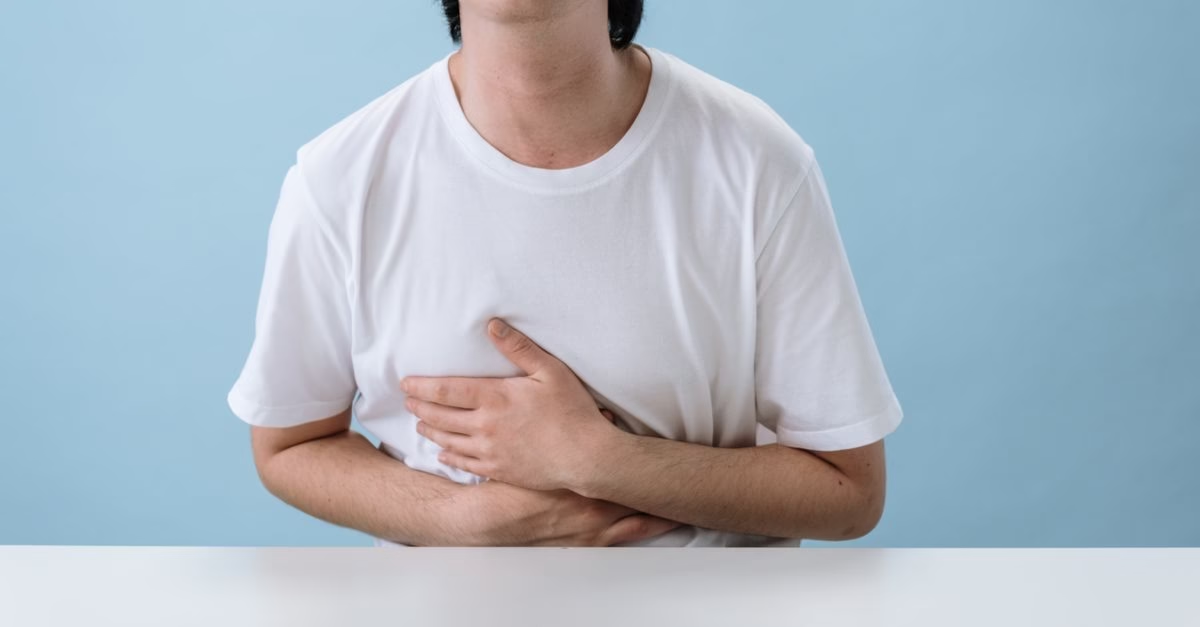
Photo by cottonbro studio on Pexels.
Frequently Asked Questions
Can chewing gum cause digestive issues?
Yes, chewing gum can lead to swallowing excess air, which may contribute to bloating and gas. If you experience these symptoms, you may want to limit gum usage to see if it provides relief.
Does caffeine make digestive problems worse?
Caffeine can stimulate the digestive tract and may act as a laxative for some people. It can also increase stomach acid, potentially worsening symptoms of heartburn or acid reflux.
How does sleep deprivation affect my gut?
Lack of quality sleep can disrupt the hormones that regulate hunger and digestion. Over time, poor sleep patterns may negatively impact your gut microbiome and overall digestive efficiency.
Should I try a gluten-free diet for better digestion?
You should only eliminate gluten if you have been diagnosed with celiac disease or a non-celiac gluten sensitivity. It is best to consult with a doctor or dietitian before making significant dietary changes.
The Bottom Line
Understanding your digestion is a journey toward better overall wellness. By focusing on fiber, hydration, and mindful eating, you can often soothe common discomforts naturally. Remember that your gut is unique, so listen to your body and seek professional guidance if symptoms do not improve. Taking small, consistent steps today can help you feel more comfortable and energized.