Key Takeaways
- Fiber is essential for health but can cause bloating if added to your diet too quickly.
- Bacteria in your gut ferment fiber, which naturally creates gas as a byproduct during digestion.
- Gradually increasing fiber intake and drinking plenty of water helps your body adjust comfortably.
- Persistent pain or digestive changes should always be evaluated by a healthcare professional.
Have you ever wondered, “Why does fiber make me bloated?” If you find yourself asking this question, you’re not alone! Many people experience bloating after upping their fiber intake, especially if they dive into high-fiber foods all at once. For some, this discomfortable sensation can feel confusing and frustrating. Bloating isn’t just annoying; it can signify that your body is processing something differently. Understanding why fiber sometimes causes bloating can help you enjoy its benefits while minimizing discomfort.
Fiber is essential for digestive health and can help maintain a healthy weight and lower the risk of certain diseases. However, when your body isn’t used to it, suddenly increasing your fiber can lead to bloating. This article will explore the reasons fiber might make you feel gassy or full, signs to watch for, and tips on how to manage those pesky symptoms. So, let’s dig into the fascinating world of fiber and digestion!
What Does This Mean?
When we talk about fiber, we’re usually referring to the part of plant foods that our bodies can’t digest fully. There are two main types of fiber: soluble and insoluble. Soluble fiber dissolves in water and can help lower cholesterol and regulate blood sugar levels. Insoluble fiber does not dissolve and helps keep your digestive system moving by adding bulk to stools. As great as fiber is for our health, it’s also known to produce gas, which can lead to a bloated feeling.
Now you might be wondering, why exactly does this happen? Well, our gut contains bacteria that break down fiber in a process called fermentation. While this is beneficial, it can produce gas as a byproduct. If you suddenly start eating more fiber-rich foods, your body may need time to adjust, leading to bloating. It’s crucial to understand how your body reacts to fiber, and this means paying attention to how much you eat and how it makes you feel.
Why Does This Happen?
One possible reason fiber can cause bloating is that our digestive system may not be ready for a sudden increase in fiber intake. When you eat high-fiber foods, your intestines work hard to process them. This extra work can create gas, leading to that uncomfortable feeling in your stomach. Another common factor is the type of fiber consumed; some sources of fiber, like beans and lentils, are more likely to lead to gas than others.
In some people, certain underlying digestive issues can make them more sensitive to fiber. Research suggests that conditions like irritable bowel syndrome (IBS) can heighten sensitivity to bloating when consuming high-fiber foods. If you have any specific digestive conditions, it could be worth discussing your fiber intake with a healthcare professional to find out what works best for you.
Common Causes
There are a few key reasons why fiber can lead to bloating. Let’s explore them:
1. Sudden Increase in Fiber Intake
When you suddenly add a lot of fiber to your diet, your digestive system may struggle to keep up. This can cause bloating and discomfort. To ease into a higher fiber diet, try gradually increasing your fiber intake over time. This way, your body can adjust more comfortably.
2. Type of Fiber Source
Not all fiber is created equally! Some foods, especially beans, lentils, and certain vegetables, contain fermentable fibers that can lead to extra gas. You might notice that after eating these foods, you’re feeling a bit more bloated. It might help to soak beans before cooking them, as this can reduce their gas-causing properties.
3. Overall Diet and Lifestyle
Your entire diet may also play a role in bloating. If you’re eating a lot of fiber but not drinking enough water, you could experience constipation and bloating. Stay hydrated to help ease this issue. Additionally, if you eat quickly or don’t chew your food well, this can also cause air to build up in your stomach.
Signs and Symptoms to Watch For
Common symptoms of bloating include:
- A feeling of fullness or pressure in your stomach
- Visible swelling of the abdomen
- Discomfort or pain in the stomach area
- Excessive gas or flatulence

While occasional bloating is normal, you should keep an eye out for warning signs that might indicate a need for medical attention. If you experience severe or persistent pain, blood in your stool, unexplained weight loss, or symptoms that worsen despite lifestyle changes, it’s essential to consult a healthcare professional.
What Can Make it Worse?
Several lifestyle and dietary factors may contribute to or worsen bloating:
- Poor Hydration: Not drinking enough water can make it difficult for fiber to do its job, leading to constipation and bloating.
- Eating Quickly: Gulping down food can cause air to enter your digestive tract, which can add to your bloated feelings.
- High-Stress Levels: Stress and anxiety can affect your gut health and lead to digestive discomfort.
- Not Chewing Well: Not chewing your food thoroughly can make it harder for your body to break down and digest fiber.
Foods and Drinks Related to the Topic
While many high-fiber foods are beneficial, some may lead to more bloating for certain individuals. Foods like:
- Beans and legumes
- Certain vegetables such as broccoli and cauliflower
- High-fiber grains like wheat products
- Dairy products (for those who are lactose intolerant)
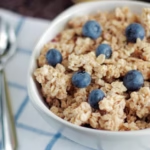
These foods can cause extra gas and discomfort in some people. On the other hand, foods high in soluble fiber, like oats and apples, may be easier for some individuals to digest.
What Can We Do?
Here are some practical steps to help mitigate bloating related to fiber intake:
- Gradually Increase Fiber: Adjust your fiber intake slowly over several days or weeks to help your body adjust.
- Stay Hydrated: Drinking plenty of water can help fiber do its job effectively and reduce the risk of constipation.
- Mind Your Eating Habits: Chew your food well and try to eat more slowly to avoid swallowing excess air.
- Mix Fiber Sources: Combine different types of fiber in your diet. A mix of soluble and insoluble fiber can help balance digestion.
- Consider Probiotics: Some people find that adding probiotics may help improve digestion and reduce bloating.
When Should You See a Doctor
If you frequently experience bloating that bothers you, it’s wise to speak with a healthcare professional. Pay attention to warning signs such as:
- Severe or persistent pain
- Difficulty swallowing or persistent heartburn
- Blood in your stool or rectal bleeding
- Unexplained weight loss
- Symptoms that suddenly become much worse
These signs could indicate a more serious underlying condition that requires professional evaluation.
Frequently Asked Questions
Why am I always bloated after eating fiber-rich foods?
Feeling bloated after consuming fiber-rich foods can happen because your digestive system is working extra hard to process the fiber, especially if you’re not used to it.
Can food intolerances cause fiber to make me bloated?
Yes! Conditions like lactose intolerance and gluten sensitivity can heighten your sensitivity to fiber-rich foods, leading to more bloating. It might be helpful to track how your body reacts to certain foods.
Should I avoid fiber entirely if it gives me bloating?
Not necessarily! Instead of eliminating fiber, aim to adjust your intake gradually and experiment with different fiber sources to find out what works best for you.
Is it normal for fiber to cause bloating?
It’s common for some people to experience bloating when first increasing their fiber intake. However, monitoring your symptoms and making gradual adjustments can help manage this situation.
Can drinking carbonated beverages worsen bloating?
Yes, carbonated drinks can introduce extra air into your digestive system, potentially worsening feelings of bloating.
Are there types of fiber that are easier to digest?
Soluble fiber found in oats, apples, and berries tends to be easier to digest than some insoluble fibers, particularly those found in wheat bran and certain vegetables.
Will probiotics help with fiber-related bloating?
Some individuals find that taking probiotics can help improve gut health and reduce bloating over time by balancing microflora in the intestines.
When should I worry about my bloating?
If your bloating is accompanied by concerning symptoms like severe pain, changes in bowel habits, or occurs frequently without clear reason, consult a healthcare provider.
What the Research Says About Why Does Fiber Make Me Bloated?
Studies have shown that fiber plays a crucial role in digestive health, but some people can be more sensitive to its effects than others. According to research published in the American Journal of Gastroenterology, fibers like those from beans may result in gas production due to their fermentable nature. Additionally, research from the NIH indicates that gradual increases in fiber are beneficial for reducing digestive discomfort.
That said, while some studies suggest fiber can cause bloating due to fermentation, more research is necessary to fully understand individual variabilities in responses to different fiber sources. Always consult with healthcare professionals when considering significant dietary changes for personal guidance.
Simple Daily Habits That May Support Better Health
Incorporating small, consistent habits can help support digestive health and potentially reduce bloating:
- Drink enough water: Aim for at least 8 cups of water daily to stay hydrated.
- Increase physical activity: Exercise can help encourage digestion and alleviate bloating.
- Practice mindfulness: Stress management techniques like deep breathing can support gut health.
Final Thoughts
We often hear about the benefits of fiber, but it’s equally important to recognize how it can lead to bloating for some people. If you’ve experienced this discomfort, you’re not alone! Adjusting your fiber intake gradually, staying hydrated, and paying attention to your diet can go a long way toward helping you enjoy the advantages of fiber without feeling uncomfortably bloated.
Our bodies are unique, and what works for one person may not work for another. It’s essential to listen to your body and seek help from a healthcare professional if you have persistent or concerning symptoms. By taking small steps, we can find ways to enjoy fiber safely and stay healthy!

Sources and References
National Institute of Health: Fiber and health, 2021. Available at: https://www.nih.gov/health-topics/fiber
Cleveland Clinic: Understanding Fiber, February 2022. Available at: https://my.clevelandclinic.org/health/articles/8855-fiber-and-your-health
Mayo Clinic: Diet and Fiber, 2023. Available at: https://www.mayoclinic.org/healthy-lifestyle/nutrition-and-healthy-eating/in-depth/fiber/art-20044263
American Gastroenterological Association: Dietary Fiber, 2020. Available at: https://www.gastro.org/practice-guidance/clinical-practice-resources/dietary-fiber
Harvard T.H. Chan School of Public Health: Fiber: The Food Revolution You can’t Ignore, 2023. Available at: https://www.hsph.harvard.edu/nutritionsource/fiber/

Medical Disclaimer
This article is for general educational and informational purposes only. It is not intended to provide medical advice, diagnosis, or treatment. Health conditions can affect people differently, and information that is appropriate for one person may not be appropriate for another. If you have persistent, severe, or concerning symptoms, speak with a qualified healthcare professional for personalized advice.
Further Reading
Ivf Shot Schedule: 10 Things You Should Know
Omeprazole and Alcohol: Is It Safe to Mix?
what does a growth spurt in pregnancy feel like
Photo by Towfiqu barbhuiya on Pexels.
Frequently Asked Questions
Does fiber intake affect how often I have a bowel movement?
Yes, fiber adds bulk to stool and helps keep your digestive system moving regularly. While it can cause temporary bloating, adequate fiber is generally helpful for preventing constipation.
Can I use fiber supplements to reach my daily goal?
Fiber supplements can be an effective way to increase your intake, but they should be introduced gradually just like dietary fiber. Always drink a full glass of water with your supplement to help it move through your system.
Why does cooked fiber often cause less gas than raw fiber?
Cooking vegetables and legumes can help break down some of the complex carbohydrates before they reach your gut. This process makes them slightly easier to digest and can reduce the amount of gas produced during fermentation.
Is bloating from fiber a sign that I am unhealthy?
Not necessarily, as it is a common reaction when your gut bacteria are adjusting to new dietary changes. It is usually a normal sign that your body is processing the increased fiber load.
The Bottom Line
Fiber is a vital part of a healthy diet, but introducing it too fast can lead to uncomfortable bloating. By increasing your intake slowly and staying well-hydrated, you can support your digestive system through the transition. Remember that everyone reacts differently, so listen to your body and reach out to a doctor if you have concerns.