Key Takeaways
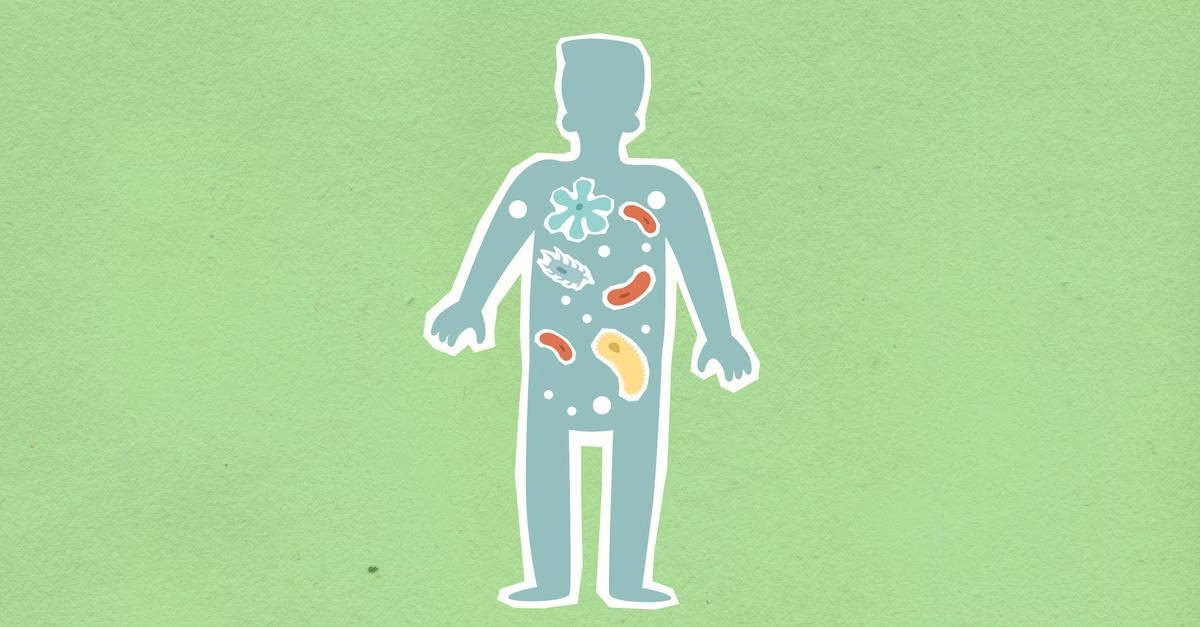
- The gut microbiome consists of trillions of microorganisms that support digestion, immunity, and overall well-being.
- Factors like poor diet, antibiotic use, and chronic stress can disrupt the balance of gut bacteria.
- Symptoms of gut imbalance may include bloating, fatigue, digestive issues, and mood fluctuations.
- You can support gut health through fiber-rich foods, stress management, and maintaining healthy lifestyle habits.
Have you ever wondered, “What damages the gut microbiome?” It’s an important question because our gut microbiome plays a vital role in our overall health. Just like we have good and bad bacteria in our environment, our gut is home to trillions of microorganisms that help with digestion, support our immune system, and even influence our mood. When something upsets this delicate balance, it can lead to various health issues, from digestion troubles to more severe conditions. If you’re seeking practical answers about how to maintain a healthy gut, you’ve come to the right place!
This article will break down the factors that can negatively impact your gut microbiome. Whether you’re experiencing bloating, fatigue, or just want to know how to keep your digestive health in check, understanding what damages the gut microbiome can provide you with valuable insights. So, let’s dive into the world of gut health and learn more about what keeps it thriving and what may cause problems.
What does this mean?
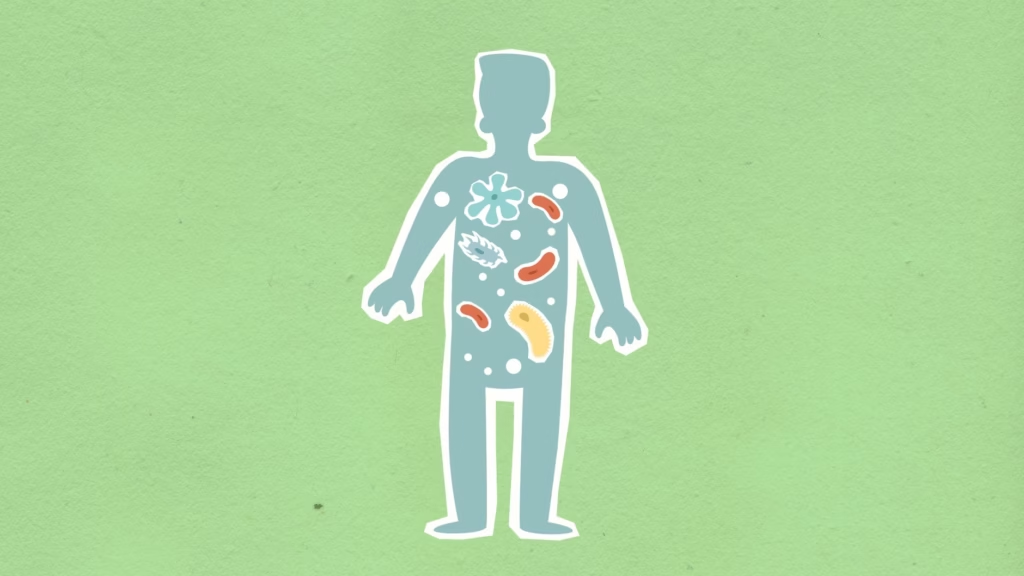
The gut microbiome refers to the community of microorganisms living in our digestive tract. This community consists mainly of bacteria, but also includes viruses, fungi, and other tiny life forms. When we refer to the health of the gut microbiome, we’re talking about the balance of these microorganisms. A balanced microbiome is critical for proper digestion, nutrient absorption, and immune function.
While a healthy gut can significantly improve our well-being, many things can disrupt this balance. These disruptions can lead to a condition known as dysbiosis, which means an imbalance of gut bacteria. When dysbiosis occurs, it can manifest through symptoms such as stomach pain, bloating, or even mood swings. Understanding the factors that can damage the gut microbiome will help you cultivate a healthier gut!
Why Does This Happen?
One possible reason for gut microbiome damage is our modern lifestyle. Factors like diet, stress, medications, and environmental toxins can all play a role. For example, eating a diet high in processed foods and sugars may allow harmful bacteria to thrive, leading to an imbalance in your gut bacteria. On the other hand, consuming a variety of fruits, vegetables, whole grains, and fermented foods can boost beneficial bacteria.
Another common factor is the use of antibiotics. While these medications are essential for treating bacterial infections, they can indiscriminately kill both harmful and beneficial bacteria in the gut, disrupting its balance. After a course of antibiotics, one might notice digestive disruptions, which can sometimes take weeks or months to resolve.
Research suggests that stress also plays a significant role in gut health. High-stress levels can affect digestion and alter gut bacteria composition, potentially triggering digestive issues. Stress management techniques, like mindfulness and regular exercise, can help in cultivating a healthier gut.
Common Causes
Poor Diet
A diet lacking in diverse foods can harm your gut microbiome. Consuming processed foods, sugars, and unhealthy fats can encourage the growth of harmful bacteria. To counter this, consider incorporating high-fiber foods such as fruits, vegetables, legumes, and whole grains, which can nourish beneficial gut bacteria.
Antibiotic Use
While antibiotics can be life-saving, they are unfortunately a double-edged sword; they don’t only attack the bad bacteria but can also wipe out the good ones. If you’ve recently taken antibiotics, consider discussing options to restore your gut health with your healthcare provider, like taking probiotics or eating fermented foods.
High-Stress Levels
Chronic stress triggers the release of hormones that can negatively affect gut health. You might notice your tummy feeling off when you’re stressed. Finding ways to relax, such as through meditation, yoga, or enjoying a leisurely walk, can help improve your gut health.
Environmental Toxins
Exposure to pollutants, chemicals, and toxins can upset the balance of your gut microbiome. Although we can’t avoid all toxins, maintaining a clean living environment and opting for natural cleaning and personal care products can help reduce your exposure.
Signs and Symptoms to Watch For
When it comes to gut health, pay attention to how you feel. Some common symptoms associated with gut microbiome damage may include:
- Bloating
- Gas
- Diarrhea or constipation
- Unexplained fatigue
- Food intolerances
- Skin issues like eczema
- Mood fluctuations, such as anxiety or depression
While occasional discomfort can happen to anyone, if these symptoms persist or worsen, it may be time to speak with a healthcare professional. Remember, it’s important to differentiate between temporary symptoms and long-term issues that need attention.
What Can Make it Worse?
Certain lifestyle and dietary choices can contribute to gut damage. For example, excessive alcohol intake can disrupt gut bacteria balance. Smoking can also negatively impact gut health, leading to inflammation and dysbiosis.
Additionally, a lack of sleep can lead to stress, which, as we mentioned, can further damage the gut microbiome. Aim for 7-9 hours of quality sleep each night to help support your body’s natural rhythms, including gut health.
Foods and Drinks Related to the Topic
When it comes to food, some may help support a healthy gut microbiome, while others might not. Here are a few food categories worth considering:
Foods that may help:
- Fiber-Rich Foods: Whole grains, legumes, fruits, and vegetables feed the good bacteria.
- Fermented Foods: Yogurt, kefir, sauerkraut, and kimchi promote the growth of beneficial bacteria.
- Prebiotic Foods: Garlic, onions, and asparagus contain prebiotics, which nourish the good bacteria.
Foods that may worsen gut health:
- Sugary and Processed Foods: These can encourage harmful bacteria growth and reduce diversity.
- High-Fat Diets: Diets high in saturated fats may disturb gut bacteria balance.
- Artificial Sweeteners: Some studies suggest they might negatively affect gut microbiome composition.
It’s important to remember that everyone’s body reacts differently to food. What works for one person might not work for another.

What Can We Do?
If you’re looking to support your gut microbiome, consider the following steps:
- Eat a Balanced Diet: Aim to include a variety of whole, colorful foods in your diet, particularly those that are high in fiber.
- Stay Hydrated: Drinking enough water can help keep your digestive system running smoothly.
- Practice Stress-Reduction Techniques: Engage in activities like yoga, meditation, or regular exercise that can help mitigate the effects of stress.
- Consider Probiotics: After consulting a healthcare provider, consider adding a quality probiotic to your routine to support gut health.
- Limit Processed Foods: Try to minimize sugar and artificial additives in your diet.
Remember, these steps may help support a healthier gut, but they are not guarantees. Everyone’s experience is unique, so listening to your body is key!
When Should You See a Doctor?
If you notice persistent symptoms like severe or constant pain, blood in your stool, unexplained weight loss, difficulty swallowing, or symptoms that significantly worsen, it’s crucial to seek professional medical advice. Talking to a healthcare professional can help address your concerns and guide you in the right direction.
Frequently Asked Questions
Why am I always bloated?
Bloating can be caused by a variety of factors, including diet, overeating, food intolerances, or changes in gut flora. If it persists, it’s best to consult a doctor.
Can food cause damage to the gut microbiome?
Yes, a poor diet, especially one high in sugar and processed foods, can harm the gut microbiome. A balanced diet rich in fiber and fermented foods is generally recommended for gut health.
How long does it take to heal the gut microbiome?
The time it takes varies from person to person, depending on dietary changes and lifestyle modifications. Some people may notice improvements within a few weeks, while for others, it could take months.
Can stress really affect my gut?
Absolutely! Chronic stress can alter gut bacteria and lead to digestive issues. Managing stress through healthy practices can support your gut health.
Should I take probiotics?
Probiotics may help restore gut health, especially after taking antibiotics. However, it’s best to consult with a healthcare provider before starting any supplement.
Is all bacteria in my gut harmful?
No, not all bacteria are harmful! Our gut contains both good and bad bacteria, and maintaining a balance is crucial for good health.
Can antibiotics hurt my gut microbiome?
Yes, antibiotics can disrupt the balance of bacteria in your gut. It’s essential to use them only when prescribed and to discuss potential impacts with your doctor.
What role do fermented foods play?
Fermented foods are great for gut health as they contain live bacteria that can support a healthy microbiome. Foods like yogurt, kimchi, and sauerkraut are beneficial options.
What the Research Says About What Damages the Gut Microbiome?
Research has identified various factors that can impact gut health. Studies from reputable sources like the NIH and the American Gastroenterological Association indicate that a balanced diet, avoidance of antibiotics when not necessary, and managing stress levels are essential for maintaining a healthy gut microbiome.
For example, a systematic review published in Nature highlighted how dietary fiber and diverse foods support a robust gut microbiome. Similarly, research from the CDC emphasizes the connection between gut health and overall well-being, linking dysbiosis to increased risk for conditions like obesity, diabetes, and inflammatory bowel diseases.
It’s essential to stay informed about ongoing research as our understanding of the gut microbiome continues to evolve. However, always consult healthcare professionals for tailored advice based on the latest evidence.
Simple Daily Habits That May Support Better Health
Incorporating small, daily habits can make a significant difference in supporting your gut microbiome:
- Adopt a Colorful Plate: Aim for a variety of colors on your plate, fruits, veggies, and whole grains can diversify your gut bacteria.
- Move Your Body: Regular physical activity, like walking or dancing, can promote a healthy digestive system.
- Mindful Eating: Slow down and savor your food. This can help improve digestion and prevent overeating.
- Stay Social: Interacting with others can help reduce stress, which in turn may support your gut health.
Final Thoughts
Maintaining a healthy gut microbiome is undoubtedly important for our overall well-being. We often overlook the factors that can damage our gut, including poor diet, stress, and antibiotic use. Understanding what damages the gut microbiome empowers us to make healthier choices and cultivate a thriving gut.
If we notice persistent digestive issues or concerning symptoms, it’s important for us to reach out to a healthcare professional who can provide personalized advice. Small, consistent habits can lead to significant improvements in gut health, allowing us to support our digestive system and overall quality of life. Remember, everyone’s journey is unique, so be patient with yourself as you work toward a healthier gut.

Sources and References
National Institutes of Health: “Gut Microbiome.” September 2022. https://www.nhlbi.nih.gov/
Cleveland Clinic: “Gut Health: Understanding Your Microbiome.” August 2023. https://my.clevelandclinic.org/
Mayo Clinic: “Dietary Fiber: Essential for a Healthy Diet.” March 2023. https://www.mayoclinic.org/
American Gastroenterological Association: “Probiotics and Gut Health.” February 2023. https://www.gastro.org/
National Institute of Diabetes and Digestive and Kidney Diseases: “Your Gut: Know Your Microbiome.” March 2022. https://www.niddk.nih.gov/
Medical Disclaimer
This article is for general educational and informational purposes only. It is not intended to provide medical advice, diagnosis, or treatment. Health conditions can affect people differently, and information that is appropriate for one person may not be appropriate for another. If you have persistent, severe, or concerning symptoms, speak with a qualified healthcare professional for personalized advice.
Further Reading
Ivf Shot Schedule: 10 Things You Should Know
Omeprazole and Alcohol: Is It Safe to Mix?
what does a growth spurt in pregnancy feel like
Photo by Monstera Production on Pexels.