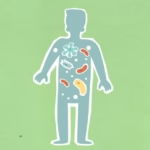
Can Probiotics Help With Bloating?
If you’ve been feeling a bit uncomfortable after meals, you might be wondering, “Can probiotics help with bloating?” This common digestive issue is something many people experience, often leaving them feeling full, puffy, or just plain uneasy in their stomachs. Bloating can occur for various reasons, including how we eat, what we eat, and even changes in our gut health. Given this discomfort, it’s natural to look for easy solutions, and some folks have turned to probiotics with the hope they might help.
So, what exactly are probiotics, and how can they possibly relieve bloating? Probiotics are live microorganisms, often referred to as “good bacteria,” that can provide health benefits when consumed in adequate amounts. These tiny allies can be found in foods like yogurt, kombucha, and various fermented products, or taken as supplements. Understanding how they work in our digestive system may provide some insights into whether they can assist with those uncomfortable bloated feelings.
What Are Probiotics?
Probiotics are beneficial bacteria that live in our bodies, especially in our intestines. They play a vital role in digestive health by helping break down food, producing vitamins, and even supporting our immune system. When you take probiotics, you’re essentially adding more of these good bacteria to your gut flora.
Gut flora refers to the complex community of microorganisms in your intestines. An imbalance in this community, known as dysbiosis, may lead to digestive issues like bloating, gas, and even diarrhea. By restoring balance, probiotics can help ease tummy troubles for some people.
Why Does This Happen?
Bloating can happen for a variety of reasons. One possible reason is the food we consume. Foods high in sugar and starch, particularly those that are not easily digestible, can cause gas buildup. Another common factor is how we eat; for instance, if we eat too quickly, we may swallow air, which can contribute to feeling bloated.
Research suggests that stress might also play a role, as anxiety can impact digestion. In some people, underlying conditions like irritable bowel syndrome (IBS) or lactose intolerance can also lead to frequent bloating. When the gut is not functioning optimally, it can lead to discomfort.
Common Causes
Understanding the common causes of bloating can help us figure out how probiotics might play a role. Here are a few factors to consider:
Dietary Choices
One reason for bloating may be the food we eat. Certain foods, such as beans, broccoli, and dairy products, can produce gas as they are digested. If your body struggles to break down these foods, you might feel bloated. Incorporating probiotics into your diet with yogurt or fermented foods might support digestion and help reduce this issue.
Eating Habits
Another common factor is how quickly we eat. Eating too fast can lead to swallowing air, which contributes to bloating. Taking your time during meals and chewing food properly not only aids digestion but can also prevent feelings of fullness.
Gut Health
In some people, an imbalance of gut bacteria can lead to bloating. Probiotics may help restore that balance. If your gut flora is out of whack, you might notice symptoms like bloating or gas after meals. Regular intake of probiotics could support a healthier gut environment.
Signs and Symptoms to Watch For
Bloating can present in various ways. Common signs include:
- A feeling of fullness or tightness in the abdomen
- Visible swelling of the stomach
- Gas or belching
- Discomfort or pain in the abdomen
However, not all bloating is the same. Occasional bloating after a big meal is often normal, but if you experience persistent or severe symptoms, it could indicate an underlying condition that needs professional attention.
What Can Make It Worse?
Several lifestyle and environmental factors can worsen bloating:
- Diet: High-fiber foods are healthy but should be introduced gradually to avoid bloating.
- Eating Habits: Eating quickly or while distracted can lead to swallowing more air.
- Hydration: Not drinking enough water can lead to constipation, which can contribute to bloating.
- Stress: High-stress levels can negatively impact digestion.
- Physical Activity: Lack of movement can slow digestion and contribute to bloating.
Foods and Drinks Related to the Topic
When considering bloating, it’s essential to look at the foods we consume:
- Foods That May Help: Foods rich in probiotics such as yogurt and kefir may support gut health and lessen bloating.
- Foods That May Worsen Bloating: Foods high in sugar, certain vegetable families like beans and cruciferous vegetables (broccoli, cauliflower), and dairy can contribute to bloating for some individuals.
- Drinks: Carbonated beverages can increase bloating due to gas. Instead, herbal teas may be soothing for your digestion.
What Can We Do?
If you’re considering probiotics to help with bloating, here are some practical steps:
- Try Probiotic-Rich Foods: Include yogurt, sauerkraut, and kimchi in your diet to support gut health.
- Keep a Food Diary: Track what you eat and identify foods that may be causing bloating.
- Eat Slowly: Take your time at meals to avoid swallowing excess air.
- Stay Hydrated: Drinking plenty of water can help with digestion and prevent constipation.
- Manage Stress: Consider mindfulness practices or exercise to help reduce stress.
When Should You See a Doctor?
If bloating becomes a frequent or painful occurrence, it’s essential to consult a healthcare professional. You should seek medical advice if you experience:
- Severe or persistent abdominal pain
- Blood in your stool
- Unexplained weight loss
- Persistent vomiting
- Difficulties in swallowing
- Symptoms worsening despite making lifestyle adjustments
Frequently Asked Questions
Why am I always bloated?
Chronic bloating might be due to diet, stress, or underlying digestive conditions. Keeping track of what you eat can help identify patterns.
Can food cause bloating?
Yes, certain foods can lead to bloating, particularly those that are high in sugar, fiber, or fat, as well as certain gas-producing vegetables.
When should I worry about bloating?
Worry if you experience persistent bloating, severe pain, or other unusual gastrointestinal symptoms. It’s best to consult a healthcare provider.
Can probiotics help reduce bloating?
Probiotics can support gut health and may help some individuals reduce bloating, but results can vary from person to person.
How long does it take for probiotics to work?
Some people may notice improvements in digestion within a few days, while for others, it might take a few weeks to see any changes.
Are there any side effects of taking probiotics?
While most people tolerate probiotics well, some may experience gas or mild digestive upset when they first start taking them.
Can stress cause bloating?
Yes, stress can greatly affect digestion, contributing to bloating and other gastrointestinal issues.
Is all bloating a sign of a serious problem?
Not all bloating indicates a severe health issue. It can often be linked to food choices or eating habits, but persistent or severe symptoms warrant medical attention.
What the Research Says About Can Probiotics Help With Bloating?
Research on probiotics and their effects on bloating is growing, and some studies show promise. A systematic review published in 2020 found that probiotics can help alleviate symptoms of bloating, particularly in individuals with IBS and functional gastrointestinal disorders. However, results can differ, highlighting the need for more individualized approaches (Mayo Clinic). Understanding how your body responds to probiotics may take some experimentation.
It’s essential to consider the strain of probiotics, as different bacteria may have varying effects on digestion. The American Gastroenterological Association suggests that some probiotic strains are more effective than others for specific digestive symptoms, including bloating.
Simple Daily Habits That May Support Better Health
In addition to considering probiotics, here are some daily habits that may support better digestive health:
- Regular Physical Activity: Gentle activities like walking can promote digestion.
- Mindful Eating: Paying attention to your meals can enhance digestion and limit bloating.
- Consistent Hydration: Drinking enough water aids digestion and reduces bloating.
- Balanced Diet: Focus on a diet rich in whole foods, including fruits, vegetables, and lean proteins.
Final Thoughts
Dealing with bloating can be uncomfortable and frustrating, but understanding its causes and considering options like probiotics can make a difference. We often find that simple lifestyle changes, including being aware of how we eat and what we consume, can help improve our digestion.
While probiotics may be beneficial for some individuals, they might not work for everyone. It’s essential to listen to your body and note how you feel after making changes. If bloating persists or if you have concerns, reaching out to a healthcare professional is crucial for personalized advice. Our gut health plays an important role in overall wellness, so taking small steps toward better digestive health can go a long way!
Sources and References
National Institutes of Health: Probiotics. Available at: https://ods.od.nih.gov/factsheets/Probiotics-HealthProfessional
Mayo Clinic: Probiotics: What you need to know. Updated April 2021. Available at: https://www.mayoclinic.org/drugs-supplements-probiotics/art-20045933
Cleveland Clinic: Everything You Need to Know About Bloating. Updated June 2022. Available at: https://my.clevelandclinic.org/health/diseases/21345-bloating
American Gastroenterological Association: Probiotics: What They Are and How They Work. Available at: https://www.gastro.org/news/probiotics-what-they-are-and-how-they-work
Harvard T.H. Chan School of Public Health: The Benefits of Probiotics. Available at: https://www.hsph.harvard.edu/nutritionsource/probiotics/
National Institute of Diabetes and Digestive and Kidney Diseases: Bloating. Updated November 2020. Available at: https://www.niddk.nih.gov/health-information/digestive-diseases/bloating
Medical Disclaimer
This article is for general educational and informational purposes only. It is not intended to provide medical advice, diagnosis, or treatment. Health conditions can affect people differently, and information that is appropriate for one person may not be appropriate for another. If you have persistent, severe, or concerning symptoms, speak with a qualified healthcare professional for personalized advice.
Further Reading
Ivf Shot Schedule: 10 Things You Should Know
Omeprazole and Alcohol: Is It Safe to Mix?
what does a growth spurt in pregnancy feel like
Photo by Towfiqu barbhuiya on Pexels.