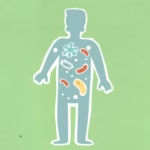
Key Takeaways
- Bloating is a common, often temporary side effect when starting probiotics as your gut microbiome adjusts to new bacteria.
- The fermentation process of new probiotic strains can produce excess gas, leading to a feeling of abdominal fullness.
- Starting with a lower dose and staying hydrated can help your digestive system transition more comfortably to probiotics.
- Persistent or severe symptoms like blood in your stool or unexplained weight loss require attention from a medical professional.
If you’ve recently started taking probiotics and noticed an unwelcome feeling of bloating, you’re not alone! Many people wonder, “Why do probiotics make me bloated?” This question is pretty common as probiotics are often recommended to improve gut health and digestion. So, why might they be causing discomfort instead? Let’s break it down together.
Probiotics are live bacteria that can provide health benefits, mainly for digestion. They’re found in foods like yogurt, kefir, and fermented products, and also come in supplement form. For some, these beneficial microbes work wonders for digestion, but for others, they can lead to feelings of fullness, gas, and bloating. When searching for answers, you may be hoping to understand why this happens and if it’s something to be concerned about.
What Does This Mean?
First, let’s clarify what we mean when we talk about probiotics and bloating. Probiotics are not just any bacteria; they are “good” bacteria that help maintain a healthy balance in your gut. Meanwhile, bloating is a distension or feeling of fullness in your abdomen, often accompanied by gas. It can feel uncomfortable and sometimes painful.
Understanding that you might experience bloating when you first start taking probiotics can be reassuring. The bloating can be temporary and may indicate your gut is adjusting to the new bacteria. But knowing the ‘why’ behind it can help you navigate this journey more comfortably.
Why Does This Happen?
There are several reasons you might feel bloated after starting probiotics. One possibility is that your gut microbiome, which is a community of microorganisms living in your intestines, is responding to the introduction of new strains. The sudden influx of beneficial bacteria can sometimes cause an imbalance, leading to bloating.
Another common factor is the fermentation process that probiotics initiate. While probiotics are breaking down certain types of fibers in your food, gases can be produced as a byproduct. This is a natural part of digestion, but for some, it can result in noticeable bloating.
Research even suggests that for some people, their gut microbiota might not react kindly to specific probiotic strains, leading to uncomfortable symptoms. So, if you’re feeling bloated, it could be your unique gut responding to the new bacteria.
Common Causes
Let’s dive into the most common reasons why probiotics might be causing bloating.
- Adjustment Period: If you’re new to taking probiotics, your gut might need time to adjust. During the first few days or weeks, you may experience gas and bloating as your body gets used to the new bacteria.
- Dosage: Taking higher doses than recommended can lead to excess gas production. If you’re taking a probiotic supplement, be sure to follow the instructions and perhaps start with a lower dose to see how your body reacts.
- Probiotic Strains: Not all probiotics are created equal. Some strains may not be well-tolerated by your specific gut flora, causing bloating as your body tries to adjust.
- Food Choices: The foods you pair with probiotics can also play a role. If you consume a lot of fiber-rich foods along with probiotics, this can exacerbate bloating as your gut handles the increased fermentation.
Signs and Symptoms to Watch For
The primary symptom people report when probiotics lead to bloating is a sensation of fullness in the abdomen, often accompanied by gas. Keep an eye out for:
- Occasional bloating after starting probiotics.
- Gas that dissipates after some time.

If you notice symptoms such as severe or persistent pain, blood in your stool, unexplained weight loss, or ongoing discomfort that doesn’t improve, it’s important to reach out to a healthcare professional. These could be signs of a more serious underlying condition.
What Can Make It Worse?
Several lifestyle and dietary factors can worsen discomfort when taking probiotics:
- A High-Fiber Diet: If you’re increasing fiber intake alongside taking probiotics, this could contribute to extra gas and bloating.
- Eating Habits: Eating too quickly or consuming large meals can overwhelm your digestive system, especially when introducing probiotics.
- Dehydration: Not drinking enough water can affect your digestion. Probiotics require fluid to help with their work, so keep that hydration up!
- Stress: High-stress levels can impact gut health and make bloating and discomfort worse.
Foods and Drinks Related to the Topic
What Foods Might Help?
Certain foods can support gut health and might ease bloating:
- Fermented Foods: Foods like yogurt, sauerkraut, and kimchi are also rich in probiotics and can help boost gut health.
- Bone Broth: This is gentle on the digestive system and may help soothe bloating.
Which Foods Might Worsen It?
Some foods can trigger bloating when taking probiotics:
- High-Fiber Options: While fiber is crucial for digestion, too much, too fast can increase gas.
- Dairy Products: If you’re lactose intolerant, consuming dairy can lead to bloating.
What Can We Do?
Here are a few practical steps to consider that may help reduce bloating while taking probiotics:
- Start Slow: If you’re new to probiotics, consider starting with a smaller dose and gradually increasing it as your body adjusts.
- Stay Hydrated: Drinking enough water is essential for digestion. Make sure you’re staying hydrated throughout the day.
- Monitor your Diet: Pay attention to your food choices and how they interact with probiotics. Keeping a food journal can help identify any triggers.
- Consult a Professional: If bloating continues, speak with a healthcare provider or a registered dietitian for personalized advice.
When Should You See a Doctor
If you experience persistent or severe symptoms that don’t seem to improve or if they escalate, it’s wise to talk to a doctor. Watch for warning signs like:
- Severe or persistent abdominal pain
- Blood in your stool or other unusual bowel changes
- Unexplained weight loss
- Persistent vomiting or difficulty swallowing
- Symptoms that suddenly worsen or that do not improve despite dietary changes
Frequently Asked Questions
Why am I always bloated after taking probiotics?
If you’re frequently bloated after starting probiotics, it may be your body adjusting to the new bacteria. For some, this adjustment takes time, while others might not tolerate specific probiotic strains well.
Can food cause bloating when taking probiotics?
Absolutely. Certain foods, especially those high in fiber, can exacerbate bloating when combined with probiotics. It helps to monitor how different foods affect your digestion.
Do all probiotics cause bloating?
No, not all probiotics cause bloating, but some people are more sensitive to certain strains. It’s important to find the right one that suits your gut.
How long does bloating last with probiotics?
Bloating can vary from a few days to a couple of weeks as your body adjusts. If it persists beyond that, consider evaluating your diet or consulting a healthcare provider.
Should I continue taking probiotics if I experience bloating?
It might be beneficial to give your body some time to adjust. However, if bloating becomes uncomfortable or doesn’t subside, you may want to stop and discuss it with a healthcare professional.
What’s the best time of day to take probiotics?
Timing can vary depending on the type of probiotic. Generally, taking them with food can help minimize digestive discomfort and improve effectiveness.
Are there any foods I should avoid while on probiotics?
While on probiotics, it’s often a good idea to limit high-fiber foods initially, as they can contribute to bloating. Focus on balanced meals that support your digestive health.
When should I worry about bloating?
If bloating is accompanied by severe pain, blood in your stool, unexplained weight loss, or if it significantly affects your lifestyle, it’s time to seek medical advice.
What the Research Says About Why do probiotics make me bloated?
Research on probiotics and digestive health has shown mixed results. A systematic review published in 2018 in the journal **Frontiers in Microbiology** highlighted that while probiotics can lead to improvements in digestive health for some, they can also cause gastrointestinal symptoms, such as bloating and gas, especially in new users (Vaughan et al., 2020). Another study in the **American Journal of Clinical Nutrition** indicates that the type of strain and the individual’s gut microbiome play significant roles in how one might react to probiotics.
Moreover, a study described in the journal **Gastroenterology** acknowledged that the first few weeks on probiotics often involve temporary bloating as the gut adjusts to a new balance of bacteria. This body of research points out that while probiotics can be beneficial for many, personalized approaches are essential, as not everyone will experience the same effects.
Simple Daily Habits That May Support Better Health
Incorporating small daily habits can support your digestive health:
- Eat Mindfully: Slow down during meals to aid digestion. Chew food thoroughly and enjoy the flavors to help your gut.
- Stay Active: Engage in regular physical activity to help regulate digestion.
- Manage Stress: Practice relaxation techniques, as stress can affect gut health, consider yoga, meditation, or deep breathing.
Final Thoughts
We often find our bodies have unique reactions, especially when introducing new supplements like probiotics. If you experience bloating, it’s crucial to understand that this may be a normal adjustment phase for your gut. By taking things slowly and listening to your body, you can work towards a balance that makes probiotics beneficial for you.
Our bodies are complex, and they sometimes respond in unexpected ways. Keeping track of your symptoms and dietary changes can provide insights into what works best for you. Ultimately, if bloating persists or if you have concerns, speaking with a healthcare professional can ensure a comfortable and healthy path forward.
Sources and References
National Institutes of Health: Probiotics and Prebiotics. (2020). https://www.nih.gov/research-training/medical-research-initiatives/nutrition/probiotics-prebiotics

American Journal of Clinical Nutrition: Meta-analysis: Effects of probiotics on gastrointestinal symptoms in healthy volunteers. (2019). https://academic.oup.com/ajcn/article/110/5/1093/5875209
Frontiers in Microbiology: Probiotics and Their Effect on Cancer: A Review. (2020). https://www.frontiersin.org/articles/10.3389/fmicb.2020.00292/full
Gastroenterology: Probiotics: Clinical Considerations and Mechanisms of Action. (2021). https://www.gastrojournal.org/article/S0016-5085(21)00391-0/fulltext
Cleveland Clinic: Probiotics: What You Need to Know. (2021). https://health.clevelandclinic.org/everything-you-need-to-know-about-probiotics/

Medical Disclaimer
This article is for general educational and informational purposes only. It is not intended to provide medical advice, diagnosis, or treatment. Health conditions can affect people differently, and information that is appropriate for one person may not be appropriate for another. If you have persistent, severe, or concerning symptoms, speak with a qualified healthcare professional for personalized advice.
Further Reading
Ivf Shot Schedule: 10 Things You Should Know
Omeprazole and Alcohol: Is It Safe to Mix?
what does a growth spurt in pregnancy feel like
Photo by Towfiqu barbhuiya on Pexels.
Frequently Asked Questions
Can probiotics cause diarrhea as well as bloating?
Yes, some people may experience changes in bowel habits, including diarrhea, when first introducing new bacterial strains to their gut. This is often part of the temporary adjustment period. If diarrhea is severe or lasts more than a few days, it is best to consult your doctor.
Should I take probiotics on an empty stomach?
While instructions vary by product, taking probiotics with a meal is often recommended to help protect the bacteria from stomach acid. This can also reduce the likelihood of experiencing digestive discomfort like bloating.
Are there specific probiotic strains known to cause less gas?
Individual tolerance varies significantly, so a strain that causes gas in one person may not in another. You might consider trying a different formulation or brand if your current supplement causes persistent discomfort after the initial adjustment period.
Can probiotics help with chronic bloating?
Probiotics are often used to support gut health and may help reduce chronic bloating for some individuals. However, because bloating can have many causes, it is important to work with a doctor to identify the underlying reason for your symptoms.
The Bottom Line
Experiencing some bloating when you first begin a probiotic regimen is usually a normal sign that your gut is adapting. By adjusting your dosage, staying hydrated, and monitoring your food choices, you can often minimize this discomfort. Remember that your digestive health is unique, so listen to your body and reach out to a professional if your symptoms persist.