
Key Takeaways
- Choose bland, easily digestible foods like bananas, rice, and toast to help calm an irritated stomach.
- Stay hydrated with clear liquids like water or broth to support recovery and prevent dehydration.
- Avoid fatty, spicy, or processed foods that can trigger further digestive distress or discomfort.
- Consult a healthcare professional if you experience severe symptoms like persistent pain or blood in your stool.
What Should I Eat When My Stomach Is Upset?
When you’re feeling under the weather, especially with an upset stomach, your mind may turn to the question: What should I eat when my stomach is upset? It’s a common concern, and many people want to find the best foods to ease their discomfort. An upset stomach can be caused by a variety of factors, including stress, food intolerances, or simply eating something that doesn’t agree with you. Understanding which foods can be soothing can make a huge difference in your recovery and comfort level.
Finding the right foods isn’t just about soothing your symptoms; it’s also about helping your body heal. You might be experiencing nausea, cramping, gas, or diarrhea, and each of these symptoms may require a different approach to your diet. Don’t worry! We’ll dig into the types of foods that are gentle on your stomach and how you can use nutrition to feel better. So, let’s explore what to eat and what to avoid during those uncomfortable times.
What Does This Mean?
So, let’s clarify what we mean when we talk about an upset stomach. An upset stomach doesn’t refer to a single issue; rather, it can encompass various symptoms like nausea, bloating, indigestion, cramping, and diarrhea. These symptoms can be mild or severe and can occur for numerous reasons, including overeating, food intolerances, infections, or stress. It’s important to listen to your body and figure out what works best for you.
Why Does This Happen?
There are various factors that can lead to an upset stomach. One possible reason might be related to what you had for your last meal. Foods that are high in fat, spicy, or rich can trigger discomfort for some people. Another common factor is food intolerances, some individuals might find that dairy or gluten doesn’t sit well with them. Overeating or eating too quickly can also cause digestive distress, leading to bloating or indigestion.
Research suggests that psychological factors can play a role as well. Stress and anxiety may affect digestion, leading to symptoms like nausea and cramping. In some cases, it might also be related to a viral or bacterial infection, in which case more serious care might be needed. Understanding the cause of your upset stomach will better guide your food choices. However, if your symptoms persist or worsen, it’s crucial to consult a healthcare professional.
Common Causes
Let’s look at some common causes of an upset stomach:
Food Choices: Foods that are fried, overly sweet, or heavily processed can contribute to an upset stomach. If you’ve recently indulged in a heavy meal, it might be time to cut back on those greasy treats.
Food Intolerances: Certain individuals may have intolerances that lead to discomfort. For instance, lactose intolerance can cause bloating and cramping when dairy is consumed. Keeping a food diary may help pinpoint any triggers.
Stress: Stress and anxiety can significantly impact gut health. Those butterflies in your stomach when you’re anxious can sometimes lead to real discomfort. Finding ways to manage stress, like practicing relaxation techniques, may aid digestion.
Infections: Sometimes, a stomach bug can cause symptoms. Viral gastroenteritis, for example, can lead to nausea and diarrhea for several days. If you suspect you have a virus, staying hydrated is key.
It’s important to remember that everyone is different, and what causes discomfort for one person may not affect another in the same way. Always listen to your body and err on the side of caution if you’re unsure.
Signs and Symptoms to Watch For
An upset stomach can come with various signs. Common symptoms include:
- Nausea
- Vomiting
- Bloating
- Gas
- Diarrhea

While these symptoms can often be unpleasant, they don’t usually necessitate a trip to the doctor. However, if you notice severe pain, blood in your stool, unexplained weight loss, or if symptoms persist for more than a few days, it might be a good idea to reach out to a healthcare professional for personalized advice.
What Can Make It Worse?
Several factors can exacerbate an upset stomach:
- Poor Diet: Consuming spicy, fatty foods or excessive caffeine can lead to deeper distress.
- Eating Habits: Eating too quickly can cause bloating and make the discomfort worse.
- Stress Levels: High stress can disturb your digestive system. Finding ways to manage stress is essential.
- Lack of Hydration: Dehydration can worsen symptoms and slow recovery. Drinking clear fluids can help.
Being mindful of these factors can empower you to take steps toward addressing your discomfort.
Foods and Drinks Related to the Topic
When considering what to eat when your stomach is upset, some foods can be helpful, while others might not be ideal. Here are a few to consider:
- Ginger: Ginger tea or ginger ale (with real ginger) may help soothe nausea.
- Bananas: Easy to digest and gentle on the stomach, bananas are part of the BRAT diet (Bananas, Rice, Applesauce, Toast) often recommended for stomach discomfort.
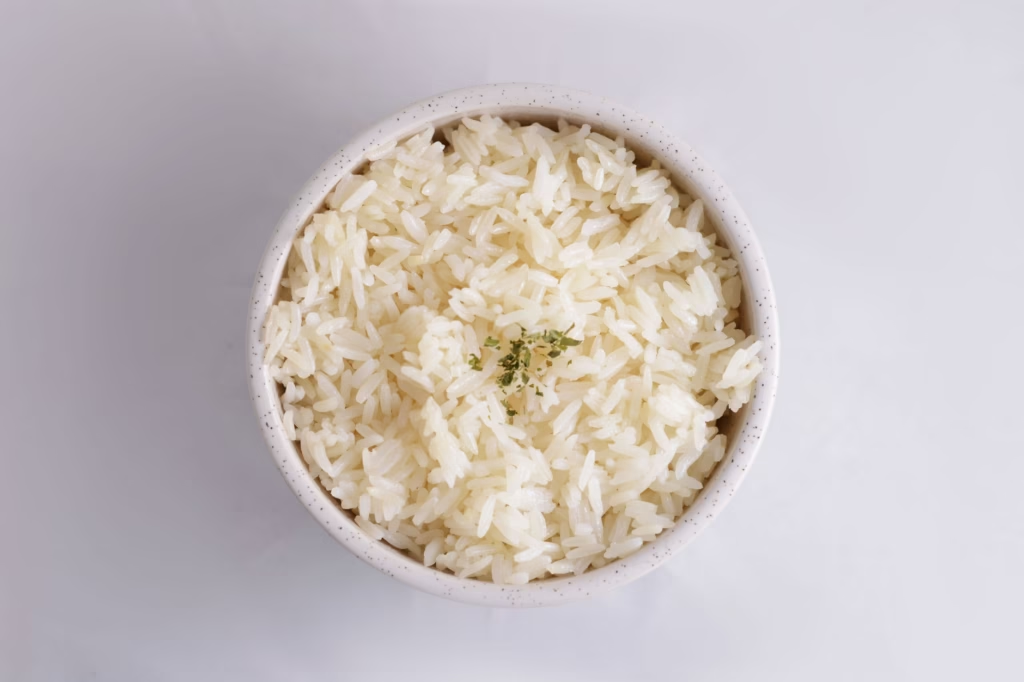
- Rice: Plain white rice is bland, making it an excellent option when your stomach is upset.
- Plain Toast: Just like rice, plain toast is easy on the stomach and can provide necessary carbohydrates.
- Applesauce: A great option because it’s gentle and easy to digest.
However, it’s important to understand that everyone’s body reacts differently to different foods. Some foods may provide comfort for one person but cause problems for another. Listening to your body is essential!
What Can We Do?
Here are some practical ways to help manage an upset stomach:
- Stay Hydrated: Drinking clear fluids like water, broth, or herbal teas can help. Hydration is key, especially if you’ve been vomiting.
- Eat Small Meals: Eating smaller, more frequent meals can ease the burden on your digestive system. Try sticking to bland foods until you feel better.
- Exercise Lightly: Gentle movement, like walking, can help move gas through the digestive system.
- Rest: Giving your body time to heal by resting can be beneficial.
These tips may help you feel a bit more comfortable. Remember that you can always seek professional guidance if needed!
When Should You See a Doctor
While most cases of upset stomach can be managed at home, some warning signs should prompt you to contact a healthcare professional:
- Severe or persistent pain
- Blood in stool
- Unexplained weight loss
- Persistent vomiting
- Difficulty swallowing
- Fever
- Severe weakness
- Symptoms that worsen or do not improve after a few days
Trust your instincts! If something doesn’t feel right, it’s best to get in touch with a healthcare provider.
Frequently Asked Questions
Why Do I Always Have an Upset Stomach?
It could be due to various factors, including dietary choices, food intolerances, stress, or underlying health conditions. Keeping a food diary can help identify triggers.
Can Food Cause an Upset Stomach?
Yes, certain foods can lead to discomfort. Fatty, spicy, or rich foods may cause symptoms, especially in people with food intolerances.
When Should I Worry About an Upset Stomach?
If you experience severe symptoms like persistent vomiting, blood in your stool, or severe pain, it’s important to seek medical attention.
What Foods Should I Avoid With an Upset Stomach?
Avoid greasy, spicy, or rich foods, as they may irritate your stomach further. It’s best to stick with bland foods when feeling unwell.
Is Ginger Good for an Upset Stomach?
Yes! Ginger has been shown to help reduce nausea and can be beneficial for an upset stomach.
How Long Does an Upset Stomach Usually Last?
It varies. Most cases resolve within a few days. If symptoms persist, consult a healthcare professional.
Can Hydration Help an Upset Stomach?
Absolutely! Staying hydrated is crucial, especially if you’ve experienced vomiting or diarrhea. Consuming clear liquids can help.
Is it Safe to Work Out With an Upset Stomach?
Gentle exercise, like walking, may help, but intense workouts could make symptoms worse.
What the Research Says About What Should I Eat When My Stomach Is Upset?
Research indicates that dietary choices can significantly affect digestive health. Studies have shown that a bland diet may aid recovery from gastrointestinal upset. A systematic review published in The American Journal of Gastroenterology notes that the BRAT diet is often recommended for managing mild gastrointestinal symptoms.
Additionally, a meta-analysis in Nutrition Reviews highlights ginger’s role in alleviating nausea. Evidence supports its effectiveness, particularly in cases of morning sickness or post-operative nausea. Eating small, frequent meals is also advocated in the literature as a method to ease digestive stress.
While research provides a good foundation, it’s essential to consider individual responses to food. One person’s remedy may not work for another, underscoring the importance of personalized nutrition.
Simple Daily Habits That May Support Better Health
To promote overall digestive health, consider these simple daily habits:
- Stay Hydrated: Drinking enough water helps maintain the body’s functions, including digestion.
- Eat Balanced Meals: Incorporate a variety of fruits, vegetables, whole grains, and lean proteins into your diet.
- Manage Stress: Techniques such as yoga, meditation, or deep-breathing exercises can help reduce stress levels.
- Practice Mindful Eating: Chewing your food well and eating slowly can enhance digestion.
Final Thoughts
Ultimately, understanding what to eat when your stomach is upset is key to feeling better. We often find comfort in simple, bland foods like bananas and rice while avoiding spicy or rich meals. It’s important for us to listen to our bodies and learn what works best for us individually.
If we notice persistent or severe symptoms, seeking guidance from a healthcare professional can ensure we have the support we need. Remember, while an upset stomach is common and often manageable at home, you don’t have to endure it alone!
Sources and References
National Institutes of Health: Digestive Health. Available at: https://www.nih.gov/health-information/digestive-health
Mayo Clinic: Upset Stomach. Updated March 2023. Available at: https://www.mayoclinic.org/diseases-conditions/upset-stomach/symptoms-causes/syc-20355300
Cleveland Clinic: Causes of an Upset Stomach. Available at: https://my.clevelandclinic.org/health/diseases/11745-upset-stomach
Harvard T.H. Chan School of Public Health: The Nutrition Source: Carbohydrates. Available at: https://www.hsph.harvard.edu/nutritionsource/carbohydrates/
American Gastroenterological Association: What Is Gastroenterology? Available at: https://www.gastro.org/guidelines

Medical Disclaimer
This article is for general educational and informational purposes only. It is not intended to provide medical advice, diagnosis, or treatment. Health conditions can affect people differently, and information that is appropriate for one person may not be appropriate for another. If you have persisting, severe, or concerning symptoms, speak with a qualified healthcare professional for personalized advice.
Further Reading
Ivf Shot Schedule: 10 Things You Should Know
Omeprazole and Alcohol: Is It Safe to Mix?
what does a growth spurt in pregnancy feel like
Photo by cottonbro studio on Pexels.
Frequently Asked Questions
Can I drink coffee when my stomach is upset?
It is generally best to avoid coffee and other caffeinated beverages while your stomach is upset. Caffeine can increase stomach acid production and may irritate the lining of your digestive tract, potentially worsening your symptoms.
Should I try to exercise if I have diarrhea?
It is usually best to rest until your symptoms improve. Intense exercise can dehydrate you further and divert blood flow away from the gut, which may aggravate digestive distress, so stick to gentle movement like slow walking if you feel up to it.
Are dairy products okay to eat during a stomach bug?
Dairy can be difficult to digest when your stomach is irritated, even if you are not usually lactose intolerant. It is safer to stick to bland, dairy-free options until your digestion has fully returned to normal.
Does heat therapy help an upset stomach?
Applying a warm compress or a heating pad on a low setting to your abdomen may help relax cramping muscles and provide some comfort. Ensure the heat source is not too hot to protect your skin.
The Bottom Line
Managing an upset stomach is often about returning to the basics of gentle nutrition and proper hydration. By choosing bland foods and listening to your body, you can support your digestive system as it heals. Always remember that while home care works for many, professional guidance is essential if your symptoms are severe or do not improve.