Key Takeaways
- Localized pain on the outside of the ankle is the primary indicator.
- Instability and a feeling of the ankle giving way are common signs.
- Activities like walking on uneven ground often trigger or worsen discomfort.
- Professional diagnosis is essential to rule out fractures or ligament tears.
Understanding Sinus Tarsi Syndrome Symptoms
If you have been feeling a persistent, nagging pain on the outside of your ankle that just will not go away, you might be dealing with a condition known as sinus tarsi syndrome. Recognizing Sinus tarsi syndrome symptoms is the first step toward getting back on your feet and enjoying your daily activities without discomfort. This condition involves inflammation of the sinus tarsi, a small canal located between the heel bone and the talus, which is the bone that connects the foot to the leg.
While it might sound like a complex medical diagnosis, it is essentially an irritation of the structures within that tiny tunnel. Understanding how this manifests in your body helps you communicate more effectively with your healthcare provider. This guide will walk you through the signs, causes, and management strategies to help you navigate this condition with confidence.
What is the Sinus Tarsi?
The sinus tarsi is a small, tunnel-like space located on the lateral, or outside, aspect of the foot. It sits right between the calcaneus, which is your heel bone, and the talus, the bone that forms the bottom part of your ankle joint. This area is packed with crucial structures, including nerves, blood vessels, and ligaments that help stabilize your foot and provide sensory feedback to your brain about your foot position.
When this area becomes inflamed, it disrupts the delicate balance of your foot mechanics. Because this tunnel is so small, even minor swelling can cause significant pressure on the nerves within. This leads to the characteristic sensations that individuals often describe when they visit a clinic for foot pain.
Think of the sinus tarsi as a vital hinge for your ankle. When the hinge is clean and lubricated, movement is smooth. When it becomes jammed or inflamed, the entire mechanism of your foot suffers. This is why addressing the inflammation early is key to preventing long-term discomfort.

Recognizing Key Sinus Tarsi Syndrome Symptoms
The most prominent sign of this condition is localized pain on the outer side of the ankle. This pain is often described as a dull ache that may intensify during specific movements. Unlike a sharp, shooting pain from a fracture, this sensation tends to persist and can become quite frustrating over time.
Another classic indicator is a feeling of instability. Many people report that their ankle feels weak or as if it might give way when they are walking, especially on uneven surfaces. This sense of instability can make you feel hesitant to participate in sports or even go for a simple walk in the park.
- Localized tenderness directly over the outer ankle area.
- A sensation of the ankle feeling wobbly or insecure.
- Pain that worsens when you step on uneven or rocky terrain.
- Stiffness in the ankle joint, particularly in the morning.
- Discomfort that lingers even after resting for long periods.
Common Triggers and Causes
Sinus tarsi syndrome is frequently linked to past ankle injuries, such as a severe sprain. When the ligaments in the ankle do not heal perfectly, it can lead to chronic instability. This repetitive, abnormal movement of the bones can irritate the tissues inside the sinus tarsi, leading to inflammation and pain.
Another common cause is flat feet or excessive pronation. When your foot rolls inward too much during walking, it changes the way the bones in your ankle interact. This constant, abnormal stress on the sinus tarsi can wear down the protective tissues over time, eventually triggering symptoms.
Sometimes, it is simply a matter of overuse. Individuals who spend a significant amount of time on their feet, such as athletes or those in service industries, may develop this condition if they are wearing improper footwear or if their gait is not properly supported. It is a condition of mechanical stress.
Diagnostic Approaches
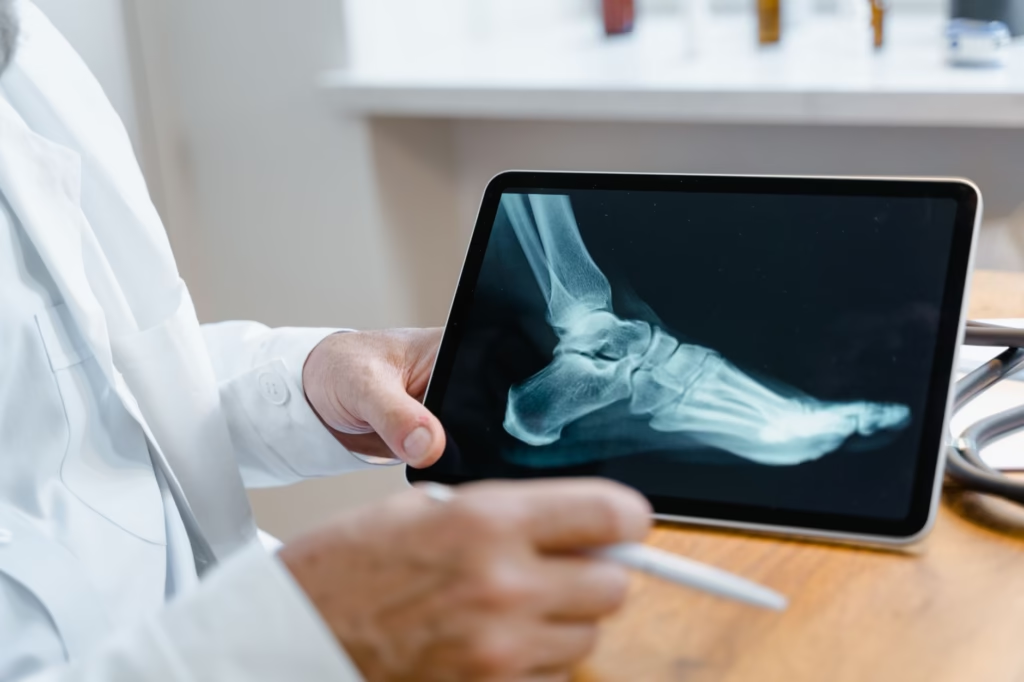
Because the symptoms of sinus tarsi syndrome can mimic other conditions like ligament tears or bone stress injuries, a professional medical evaluation is mandatory. Your doctor will likely start with a physical examination, checking for tenderness by pressing on the area and observing how your foot moves when you walk.
Imaging tests are often used to confirm the diagnosis. An X-ray might be taken to rule out bone issues, while an MRI is the gold standard for visualizing soft tissues. An MRI can show the inflammation within the sinus tarsi that is not visible on a standard X-ray. It helps your doctor see the full picture of what is happening inside your ankle.
Do not attempt to self-diagnose based on internet research alone. Many foot issues share similar symptoms, and applying the wrong treatment could potentially delay your recovery. Always consult with a podiatrist or orthopedic specialist to ensure you are receiving the correct care plan for your specific situation.
Conservative Management Strategies
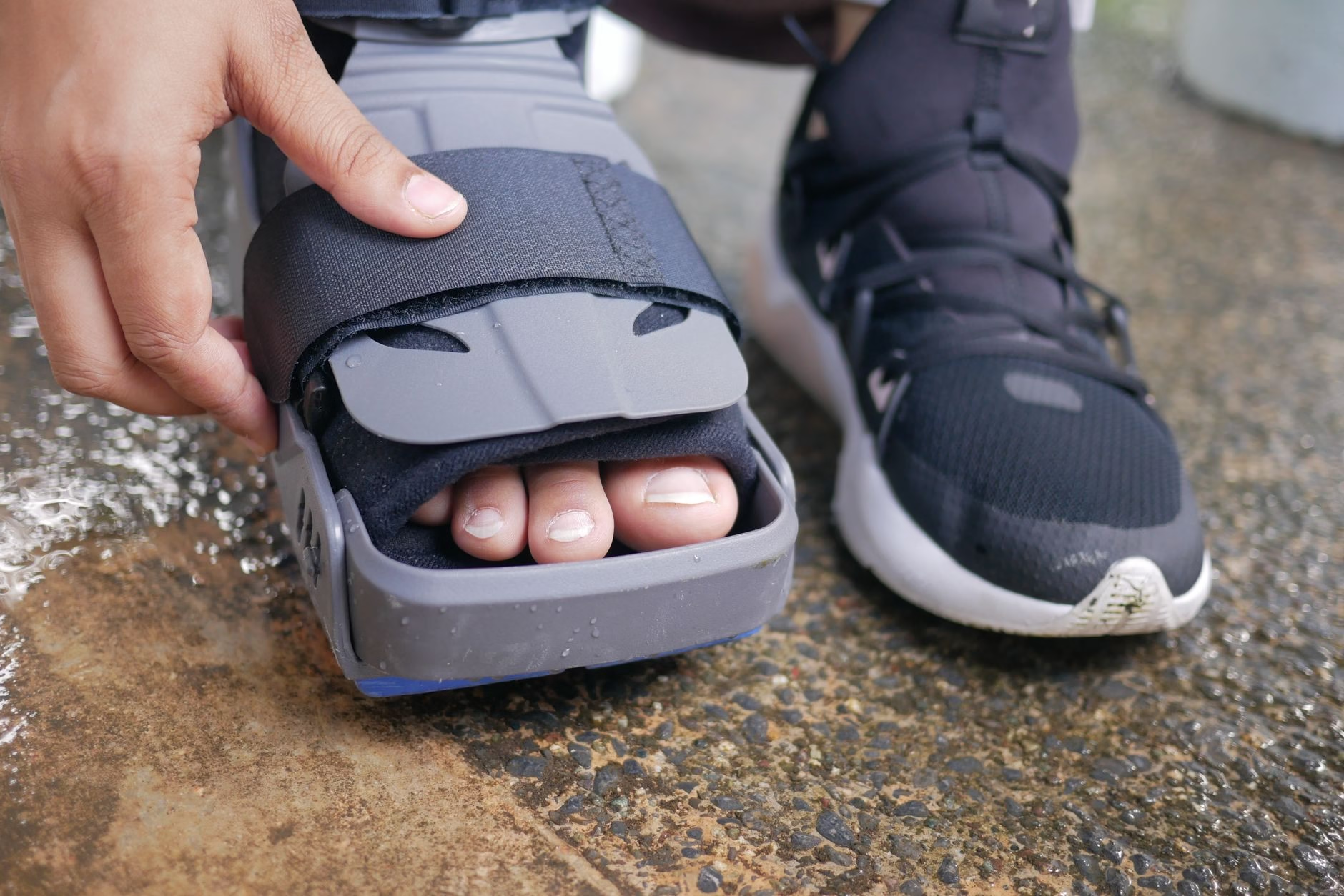
The good news is that many cases of sinus tarsi syndrome respond well to conservative, non-surgical treatments. The primary goal is to reduce inflammation and stabilize the ankle. Rest is essential, especially when you first notice the symptoms. Avoiding activities that cause pain allows the tissues to begin the healing process.
Physical therapy is often a cornerstone of recovery. A therapist can provide you with exercises to strengthen the muscles surrounding the ankle, which helps take the pressure off the sinus tarsi. They may also work with you on balance training to improve your overall stability and confidence.
Using orthotic inserts in your shoes can also make a world of difference. These inserts help correct your foot alignment, preventing the excessive pronation that often contributes to the syndrome. Proper footwear with good arch support is a simple yet effective tool in your daily management strategy.

Table of Management Options
| Method | Purpose | Benefit |
|---|---|---|
| Rest | Reduce stress on the area | Allows inflammation to subside |
| Physical Therapy | Strengthen stabilizing muscles | Improves long-term joint support |
| Orthotics | Correct foot alignment | Reduces mechanical irritation |
| Ice Packs | Control acute swelling | Provides temporary pain relief |
When to Consider Further Intervention
If conservative treatments do not provide relief after several months, your doctor may discuss more advanced options. This might include injections to help reduce inflammation directly at the source. These procedures are performed by medical professionals and are designed to provide targeted relief when rest and therapy are not enough.
In rare and persistent cases, surgical intervention might be considered. The procedure usually involves cleaning out the inflamed tissue within the sinus tarsi. This is typically reserved for patients who have not found success with any other methods and whose quality of life is significantly impacted by the pain.
Always have an open conversation with your doctor about the risks and benefits of any intervention. Understanding every step of the process will help you feel more in control of your health journey. Remember that surgery is almost always the final option, and many people achieve full recovery without it.
Biomechanical Factors Influencing Recovery
The Role of Foot Arch Mechanics
Foot posture significantly impacts the mechanical stress placed upon the sinus tarsi space. Individuals with excessive pronation often experience increased compression within the lateral hindfoot as the talus shifts medially. This persistent misalignment can prevent the tissues within the sinus tarsi from healing effectively during conservative therapy. Correcting these mechanics is vital for long-term symptom resolution.
Impact of Ankle Instability
Chronic ankle instability is a frequent precursor to sinus tarsi syndrome. When the lateral ligament complex fails to provide adequate support, the sinus tarsi must absorb increased rotational forces during weight bearing. This additional strain leads to chronic inflammation of the interosseous talocalcaneal ligament. Strengthening the surrounding musculature is therefore essential for stabilizing the joint.
- Use of orthotic inserts to support the medial longitudinal arch
- Targeted strengthening of the peroneus longus and brevis muscles
- Proprioceptive training to improve functional joint stability
Neuromuscular Rehabilitation Techniques
Proprioception and Balance Training
Restoring proprioception is a critical component of rehabilitating the sinus tarsi region. Following an injury, the sensory feedback loop from the mechanoreceptors in the sinus tarsi is often disrupted. Engaging in balance board exercises helps recalibrate these signals and improves postural control. Consistent practice helps the brain better manage the weight distribution across the subtalar joint.
Gait Retraining Protocols
Analyzing walking patterns can reveal subtle compensations that exacerbate sinus tarsi pain. Many patients unconsciously alter their gait to avoid lateral foot pain, which can lead to secondary issues in the knees or hips. Physical therapists utilize gait analysis to identify and correct these faulty movement patterns. Adopting a more neutral foot strike can significantly reduce the pressure applied to the sinus tarsi during the stance phase of walking.
Long-term Prevention and Lifestyle Adjustments
Footwear Selection and Modification
Proper footwear is instrumental in managing the load applied to the hindfoot. Shoes with excessive wear on the lateral heel or insufficient arch support can aggravate existing sinus tarsi symptoms. Patients are encouraged to replace footwear regularly and opt for shoes with a firm heel counter. These features provide the necessary structural integrity to protect the subtalar joint from excessive motion.
Activity Modification Strategies
Managing the intensity of physical activity is necessary to prevent flare-ups of sinus tarsi syndrome. High-impact sports that involve rapid cutting or pivoting movements place excessive strain on the sinus tarsi. Transitioning to low-impact activities like swimming or cycling allows for cardiovascular health without overloading the hindfoot. Gradual reintroduction of high-impact loading should only occur once the patient is pain-free and has regained full range of motion.
Frequently Asked Questions
Can sinus tarsi syndrome heal on its own?
While some mild cases may improve with rest and lifestyle changes, it is important to address the underlying cause. If you continue to place the same stress on your foot, the symptoms are likely to return. Seeking professional advice ensures you are managing the root cause effectively.
How long does recovery take?
Recovery time varies significantly from person to person. It depends on the severity of the inflammation and your adherence to physical therapy. Most people notice a gradual improvement over several weeks to months as they follow a structured recovery plan.
Are there specific exercises to avoid?
You should avoid high-impact activities that cause sharp pain, such as running on uneven trails or jumping, until your doctor or therapist clears you. Focus instead on low-impact movements like swimming or stationary cycling, which keep you active without stressing the ankle joint.
Will I need surgery?
Surgery is not the first line of defense. The vast majority of individuals find relief through physical therapy, orthotics, and rest. Surgery is only considered when other methods have been exhausted and the pain remains chronic and debilitating.
The Bottom Line
Sinus tarsi syndrome symptoms can be disruptive, but they are manageable with the right approach. By paying attention to signs like outer ankle pain and instability, you can seek early intervention and prevent the condition from worsening. Prioritize resting your foot, wearing supportive shoes, and working with a qualified healthcare professional to build a personalized recovery plan. With patience and consistent care, you can restore your ankle health and return to the activities you love.