





“`html
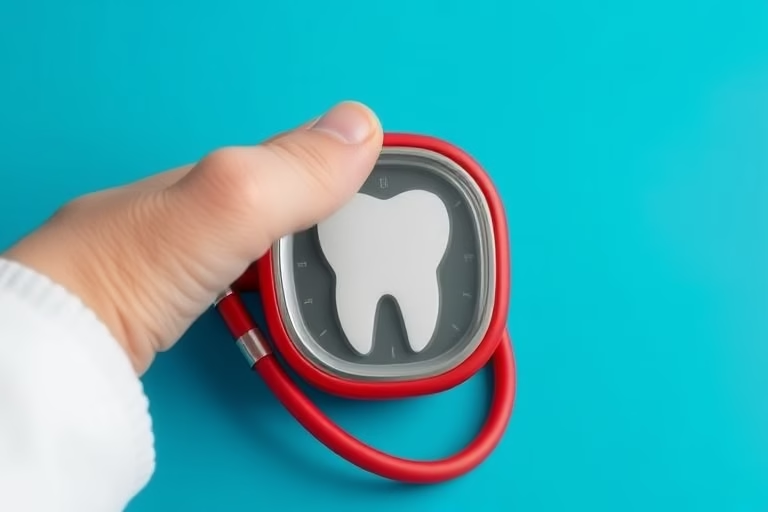
We will be talking about can high blood pressure cause toothache. High blood pressure, also known as hypertension, is a pressing health concern that affects millions worldwide. It is a condition characterized by the elevation of blood pressure in the arteries, which can lead to serious health issues such as heart disease, stroke, and kidney failure. However, many may not realize the far-reaching effects of high blood pressure on oral health. Chronic hypertension can potentially lead to dental issues, including toothache. Understanding the relationship between these two health conditions is critical for effective prevention and management. This article delves into the intricacies of how elevated blood pressure can influence oral pain, symptoms, and dental health, as well as preventative measures that can be taken.
Understanding High Blood Pressure
High blood pressure occurs when the force of your blood against the artery walls is too high. This condition is often termed the “silent killer” because it usually has no noticeable symptoms until it has progressed to a more severe stage. The typical blood pressure reading is around 120/80 mmHg. Hypertension may stem from various factors including genetics, poor diet, lack of exercise, and excessive alcohol consumption. When left unchecked, high blood pressure can lead to various health complications, including cardiovascular diseases. But, how does it relate to dental health?
Link Between High Blood Pressure and Oral Health
Research indicates that there is a significant connection between high blood pressure and oral health. People with hypertension may experience issues such as dry mouth, gum disease (periodontitis), and even toothaches. The underlying mechanisms involve decreased blood flow to the gums and teeth as high blood pressure may affect the microcirculation within the oral region. This might lead to an increased vulnerability to infections and inflammation.
Gum Disease and Tooth Pain
Gum disease is one of the most prevalent oral health issues associated with high blood pressure. The inflammation of gum tissue can progress from gingivitis to more advanced stages, ultimately leading to toothache. High blood pressure can exacerbate gum disease symptoms by restricting blood flow, which may hinder the healing process and worsen inflammation. Subsequently, a painful toothache may arise from the infection and irritation of the gums.
Medication Side Effects
Individuals who are prescribed antihypertensive medications might suffer from side effects that impact their oral health. Many of these drugs can lead to dry mouth, an environment conducive to bacterial growth and potential tooth decay. This dry mouth may also result in gum irritation and lead to toothache, particularly if oral hygiene is not rigorously maintained. Understanding these side effects can help patients take protective measures.
Stress and Its Impact on Blood Pressure
Stress is a significant contributor to high blood pressure, and it can also directly affect oral health. Individuals under stress may be more prone to teeth grinding (bruxism), which can lead to tooth pain and discomfort. Additionally, stress can lead to a neglect of oral hygiene habits, exacerbating existing dental conditions, further increasing the risk of painful toothaches.
Nutrition and Oral Health
Diet plays a crucial role in managing both blood pressure and oral health. A diet rich in fruits, vegetables, whole grains, and lean proteins helps maintain normal blood pressure levels and supports healthy gums and teeth. Conversely, diets high in sodium, sugar, and refined carbohydrates may exacerbate high blood pressure and contribute to dental decay. Understanding how nutrition affects both your heart and oral health is vital for overall well-being.
Regular Dental Check-Ups
Annual dental examinations are essential for preventing and managing oral health complications. Regular check-ups allow for the early detection of gum diseases, cavities, and any signs of tooth decay linked to high blood pressure. Dental professionals can provide personalized care and offer recommendations tailored to individuals with hypertensive issues, thereby minimizing the risk of painful tooth conditions.
Maintaining Good Oral Hygiene
Good oral hygiene practices are crucial in preventing tooth pain associated with high blood pressure. Routine brushing and flossing help prevent gum disease and cavities, both of which contribute to toothaches. Proper oral hygiene should be complemented with the use of antibacterial mouth rinses and regular visits to a dentist to help maintain healthy teeth and gums in individuals with high blood pressure.
Preventive Measures for High Blood Pressure and Toothaches
Preventive health measures are fundamental in effectively managing high blood pressure and, consequently, reducing the risk of toothaches. Lifestyle modifications, such as reducing salt intake, quitting smoking, and incorporating physical activity, can have a positive impact. Furthermore, staying hydrated and addressing any dental issues promptly can prevent complications linked to hypertension.
Conclusion
In summary, the relationship between high blood pressure and toothache is multifaceted. While high blood pressure itself does not directly cause tooth pain, the associated conditions—gum disease, medication side effects, stress, and poor nutritional habits—play significant roles in influencing oral health. Regular dental check-ups, excellent oral hygiene, and a healthy diet can mitigate the risks of toothaches for individuals with hypertension. Thus, acknowledging the interplay between these health conditions can empower individuals to take proactive steps to improve both cardiovascular and oral health.
Frequently Asked Questions
1. Can high blood pressure directly cause toothache?
No, high blood pressure does not directly cause toothache. However, it can lead to conditions, such as gum disease and medication side effects, that may result in tooth pain.
2. What is the connection between gum disease and high blood pressure?
Individuals with high blood pressure are more susceptible to gum disease, which can result in inflammation and tooth pain.
3. How can I prevent toothaches if I have high blood pressure?
Maintain good oral hygiene, visit your dentist regularly, eat a balanced diet, and manage your blood pressure effectively to help prevent toothaches.
4. Are there specific medications that worsen oral health in hypertensive patients?
Yes, certain antihypertensive medications like diuretics may cause dry mouth, which can lead to increased risk of tooth decay and gum issues.
5. Can stress impact both my blood pressure and dental health?
Absolutely. Stress can elevate blood pressure and may lead to teeth grinding, which can cause tooth pain and discomfort.
“`
Further Reading
What Type of Psychotherapy Is Best for Anxiety?