





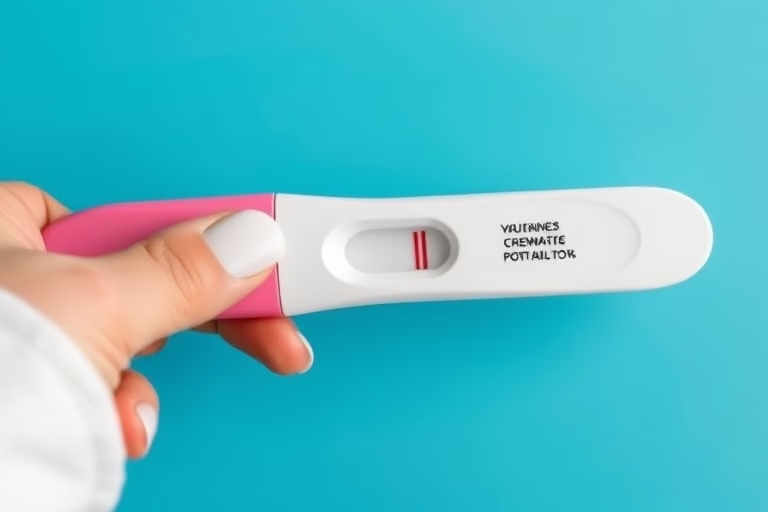
Understanding Implantation Bleeding
Implantation bleeding is typically light spotting that occurs when a fertilized egg attaches itself to the lining of the uterus. This happens around the time when a person would expect their menstrual period, often within 6 to 12 days after conception. Many women may notice this spotting as a sign of early pregnancy, but it is often confused with a light menstrual period. Understanding the nature of implantation bleeding helps in determining the timing of pregnancy tests.
When it comes to taking a pregnancy test during implantation bleeding, the key lies in understanding hormone levels, especially human chorionic gonadotropin (hCG). This hormone begins to be produced shortly after implantation and can sometimes be detected in urine as early as a few days after implantation bleeding occurs. This raises the question of when testing is advisable for accurate results.
Can You Take a Pregnancy Test During Implantation Bleeding?
Taking a pregnancy test during implantation bleeding can be a bit complex. The accuracy of a pregnancy test during this time depends on several factors including the timing of the test and the sensitivity of the test used. Most experts recommend waiting a few days after the bleeding has stopped to ensure that hCG levels are high enough for an accurate result.
Implantation bleeding can mimic menstrual bleeding, leading to Potential confusion about whether to test or wait. Recognizing the difference is essential for accurate testing. It may be advisable to consult with a healthcare provider for guidance on the best time to take a pregnancy test and what signs to watch for.
Understanding Pregnancy Tests
Pregnancy tests measure the presence of hCG in the urine. Home pregnancy tests vary in sensitivity; some can detect lower levels of hCG than others. Tests taken too early may yield false negatives because the hormone levels may not be high enough to detect yet.
When considering when to take a test, it’s generally advised to wait until the first day of a missed period. This allows hCG levels to rise sufficiently, improving the reliability of the test result. However, if a woman believes she is experiencing implantation bleeding, testing a few days to a week later may provide a clearer answer.
Be aware of the manufacturer’s instructions as they provide specific guidelines regarding the best time for testing for optimal results.
Recognizing the Signs of Implantation Bleeding
Recognizing the signs of implantation bleeding can help discern whether to take a pregnancy test. Implantation bleeding often appears lighter in color than menstrual blood, typically a light pink or brown rather than bright red. It usually lasts a few hours to a couple of days and does not possess the heavier flow associated with a period.
Other symptoms that accompany implantation bleeding may include mild cramping, breast tenderness, or fatigue. Knowing these signs can guide an individual in deciding whether to take a pregnancy test immediately or wait. Keeping a record of the menstrual cycle can also be beneficial in understanding one’s body better and making informed decisions regarding pregnancy testing.
Factors Affecting Pregnancy Test Accuracy
The accuracy of pregnancy tests can be influenced by several factors. These include the sensitivity of the test, the timing of the test, and individual hormonal differences. If a home pregnancy test is taken too early, it may not detect hCG levels adequately, leading to false negatives.
Additionally, factors such as fluid intake can dilute urine and affect test accuracy. It is often recommended to take the test with first-morning urine for the most concentrated hCG levels. Other factors such as expired tests or improper testing technique can also affect results.
For those who receive a negative result but suspect pregnancy, retesting in a few days can provide a clearer picture as hormone levels increase with time. Consulting with a healthcare professional for further testing methods, like blood tests, can provide confirmation of pregnancy.
Understanding False Negatives
False negatives can present a significant challenge when determining pregnancy early on. Many expectant mothers might receive a negative result when they are indeed pregnant. This can happen especially during the time of implantation bleeding due to low hCG levels.
Pregnancy tests may not necessarily detect levels of hCG until approximately one week after implantation bleeding, which can lead to misunderstanding one’s situation. If facing continued symptoms of pregnancy or changes in the body, consulting a healthcare provider is essential for further examination and testing.
Keeping track of the menstrual cycle and symptoms can help navigate uncertainties and inform testing decisions. It’s important to remain patient as the body’s hormonal levels fluctuate during early pregnancy, and the timing of testing is key for accurate results.
Consulting Healthcare Professionals
Consulting with healthcare professionals can provide valuable insights into taking pregnancy tests and addressing any concerns regarding implantation bleeding. Healthcare providers can recommend the best types of pregnancy tests available and the optimum timing for testing.
Many times, a blood test done in a medical facility can provide a definitive answer more rapidly. Healthcare professionals can also give guidance on what to do in case of odd symptoms or prolonged bleeding. Early consultation supports better caregiving and prepares the individual for next steps if a pregnancy is confirmed.
Listening to one’s body while also seeking professional advice creates a comprehensive approach to understanding pregnancy signs and making informed testing decisions.
Final Thoughts
In summary, the relationship between taking a pregnancy test and experiencing implantation bleeding is intricate but essential for understanding early signs of pregnancy. Recognizing implantation bleeding and its signs is crucial for deciding whether to take a pregnancy test. While it is possible to test during implantation bleeding, waiting a few days after it stops is advised to increase the chances of accurate results.
Pregnancy tests vary in sensitivity, and individual differences affect how and when hCG is detected. Individual symptoms should be documented, as they help piece together the puzzle of potential pregnancy. It’s essential to be aware of factors that can lead to false negatives, including testing too early. Consulting medical professionals for additional information and guidance is extremely beneficial.
Pregnancy impacts not just the individual but the entire family dynamic. Understanding one’s body and learning the signs may ease anxiety and prepare for what lies ahead. Remain informed about one’s reproductive health and seek assistance when necessary. Thus, can you take a pregnancy test while experiencing implantation bleeding? The answer lies in patience, observation, and understanding your unique situation.
Frequently Asked Questions
A test taken immediately after may be unreliable. It’s better to wait a few days.
Light pink or brown spotting that stops quickly without a heavy flow is likely implantation bleeding.
If symptoms persist, consider retesting in a few days or consulting a healthcare provider.
Implantation bleeding generally doesn’t last long. If bleeding persists, seeking medical advice is vital.
Tests that detect lower levels of hCG and can be used on the first day of a missed period are often more accurate.
Further Reading
What Type of Psychotherapy Is Best for Anxiety?