





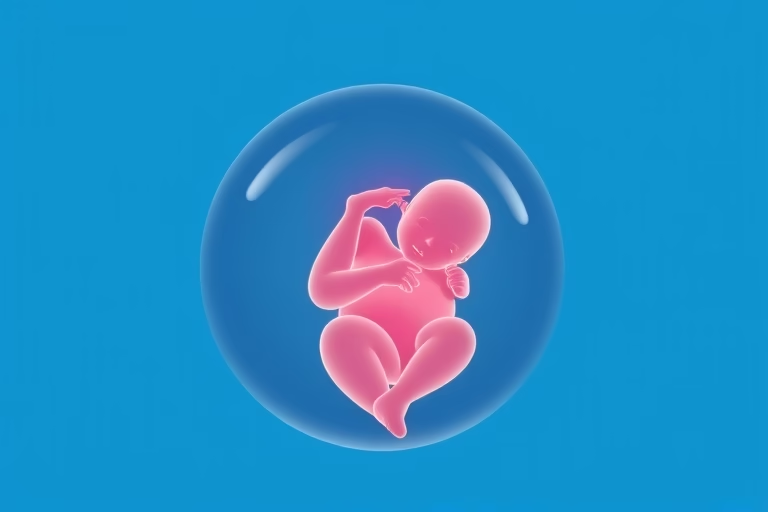
We will be talking about chances of second IVF success after IVF baby. For many couples facing fertility challenges, In Vitro Fertilization (IVF) represents a hopeful opportunity. After welcoming their first child through IVF, many parents wonder about the chances of conceiving another child through subsequent IVF cycles. Understanding the possibilities and factors that influence these outcomes can be crucial for those planning to expand their family. In this article, we will explore how the experience of having one IVF baby may impact the likelihood of a second IVF success.
Defining the chances of second IVF success after having an IVF baby involves understanding various factors including maternal age, health conditions, egg quality, sperm quality, embryo quality, the fertility clinic’s expertise, and the type of IVF treatment used. Each of these elements plays a significant role in determining the success rates of additional IVF cycles. Studies suggest that previous success may increase the likelihood of future IVF success. However, personal circumstances vary, demonstrating the necessity for individualized assessments and planning. This article will cover crucial elements related to second IVF success, as well as answer common queries couples may have.
Coping with Emotional Challenges After First IVF Success
Embarking on the journey of IVF can be emotionally turbulent. After successfully conceiving one child, parents may feel a mix of joy and anxiety about the process for a second child. It is important to acknowledge the emotional strain, which may include fear of failure, pressures about timelines, and anxiety over potential complications. Support systems are vital during this time. Connecting with a support community can offer comfort and valuable insights from those with similar experiences.
Parents should consider counseling or support groups if they feel overwhelmed. Open communication between partners is also necessary to share feelings, expectations, and fears. This emotional foundation can bolster resilience and a positive mindset as they approach another IVF cycle.
Impact of Maternal Age on Second IVF Success
Maternal age significantly influences IVF success rates. As women age, particularly after 35, egg quality and quantity tend to decline, which can impact the success of IVF treatments. Understanding this relation is essential for couples considering additional attempts at IVF. Studies indicate that women in their late 20s to early 30s have higher success rates than those older than 35.
However, maternal age is not the only factor. Younger women who have had successful IVF cycles may continue to achieve good outcomes in subsequent attempts. Regular health check-ups and discussions with fertility specialists can provide a clearer picture of individual circumstances related to maternal age and fertility potential.
Health Factors Influencing IVF Success Rates
Overall health significantly contributes to the chances of second IVF success. Pre-existing health conditions such as polycystic ovary syndrome (PCOS), endometriosis, or autoimmune diseases can affect fertility. A thorough health evaluation is crucial at this stage. Lifestyle alterations such as maintaining a balanced diet, regular exercise, avoiding alcohol and tobacco, and managing stress can enhance reproductive health.
Engaging with a healthcare professional to address any health concerns is advisable. Many clinics also offer preconception counseling, helping couples identify and mitigate potential health risks prior to undergoing IVF. A focus on health can lead to better outcomes in additional IVF cycles.
Quality of Eggs and Sperm: Its Role in IVF Success
The quality of eggs and sperm is a key aspect in determining IVF success rates. Factors such as age, lifestyle choices, and overall health can directly impact the quality of the reproductive cells. After successfully having a child through IVF, it is essential to evaluate if any changes have occurred in these parameters since then.
Fertility clinics often recommend lifestyle improvements and may provide options such as ovarian reserve testing or semen analysis to assess reproductive health. Making necessary adjustments can lead to improved conception rates during subsequent IVF attempts. Focus on optimizing egg and sperm quality provides a significant boost to success rates.
Embryo Quality and Transfer Techniques
Embryo quality is a crucial determinant in IVF outcomes. Advances in embryo selection and transfer techniques, like preimplantation genetic testing (PGT), have greatly enhanced success rates. After having an IVF baby, many parents are familiar with these terms, which can help inform decisions in subsequent cycles. Maximizing embryo potential involves using the best available embryos and precise transfer methods.
Consultation with a fertility specialist can help in selecting the best embryos for transfer, ensuring that the chances of a successful pregnancy are maximized. Following best practices in embryo quality focuses on retaining high standards and improving overall IVF outcomes.
Expertise of the Fertility Clinic
The choice of fertility clinic can influence the chances of second IVF success. Clinics with extensive experience, solid success rates, and advanced technologies can offer a more favorable setting for future IVF cycles. After having one child through IVF, parents should research clinics, read reviews, and seek referrals to ensure they select a clinic that aligns with their needs and expectations.
A reputable clinic will assess individual medical histories and tailor treatment options accordingly, increasing the likelihood of success in subsequent IVF efforts. Establishing a strong partnership with the fertility specialists is vital for achieving desirable outcomes.
The Role of Lifestyle Changes on IVF Success
Certain lifestyle choices can significantly affect IVF success. Following the birth of their first child, couples may wish to adopt healthier routines, such as improving their diet, increasing physical activity, and managing stress levels. A nutritious diet rich in antioxidants, omega-3 fatty acids, and whole grains can improve overall reproductive health.
Regular exercise can enhance blood circulation and hormone balance, both of which are beneficial for fertility. Stress management techniques, from yoga to meditation, support emotional wellbeing, facilitating a healthier mindset during the IVF journey. A commitment to healthier living can boost the chances of a successful second IVF attempt.
Timing and Planning: Important considerations
Timing between IVF attempts can be a deciding factor in success. Couples should focus on the right spacing between cycles and consult with their healthcare providers on the ideal timeline based on their health and emotional readiness. Taking time to recover both physically and emotionally from the first IVF cycle can set the stage for a more favorable second attempt.
Planning includes discussing potential treatment options and understanding the timeline for medication and procedures. Being well-prepared ensures that couples approach the next IVF cycle with confidence and clarity, enhancing the likelihood of success.
Final Thoughts
The journey through IVF can be rewarding, especially after welcoming an IVF baby. However, each additional attempt presents a unique set of challenges and considerations. The chances of second IVF success after having one IVF baby depend on various factors such as maternal age, health conditions, egg and sperm quality, the expertise of the fertility clinic, and lifestyle choices. Couples should keep in mind that while previous success can be encouraging, individual circumstances will vary.
Emotional support, lifestyle changes, and proper planning can significantly enhance the likelihood of achieving another successful pregnancy through IVF. Engaging in thoughtful discussions with health care experts will help identify potential obstacles and develop a personalized strategy that best suits each couple’s needs. The path to second IVF success may pose challenges, but with informed planning and support, achieving another miracle is entirely possible.
Frequently Asked Questions
Factors such as maternal age, health status, egg and sperm quality, past IVF success, and the fertility clinic’s expertise all play important roles in determining chances of success.
Emotional health has a profound impact on IVF outcomes as stress can affect hormone regulation and, subsequently, reproductive health. Maintaining a supportive environment and stress management is vital.
Yes, adopting a balanced diet, engaging in regular exercise, avoiding smoking and alcohol, and incorporating stress-reduction techniques can positively influence IVF success rates.
While individual circumstances may vary, a previous IVF success can encourage a more optimistic outlook and may indicate that both partners responded well to the treatment.
The choice of fertility clinic is critical, as advanced technology and experience significantly contribute to the chances of successful IVF cycles. Research and consultations can help ensure you select the right clinic.
Further Reading
What Type of Psychotherapy Is Best for Anxiety?