In this article, we will be talking about estrogen-producing cysts and IVF (in vitro fertilization), providing insight into their relationship and relevance for individuals struggling with fertility issues. Understanding how these two subjects interconnect can empower those affected to make informed decisions regarding their reproductive health. Estrogen-producing cysts, such as functional ovarian cysts, can influence hormone levels in women, thereby affecting their menstrual cycle and fertility. IVF is a widely recognized assisted reproductive technology that can help couples conceive when natural methods fail. This article aims to shed light on the importance of understanding estrogen-producing cysts in the context of IVF, facilitating better health outcomes and decision-making for those in need.
What are Estrogen Producing Cysts?
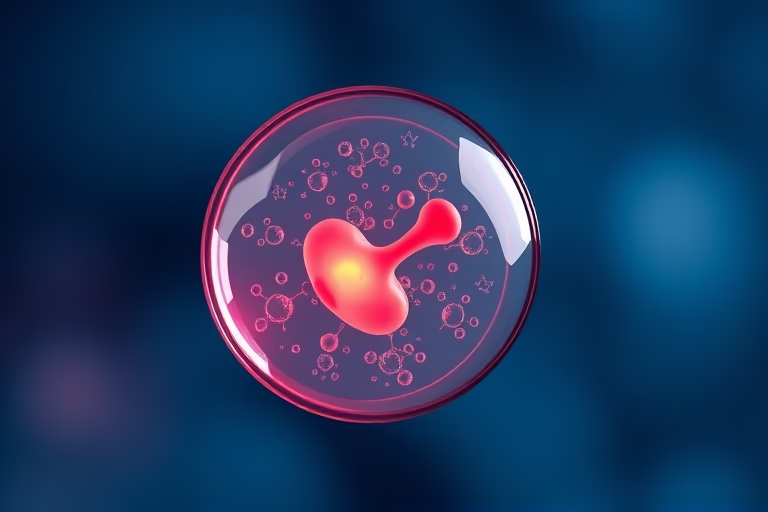
Estrogen-producing cysts refer to fluid-filled sacs that form on the ovaries and secrete estrogen, a key hormone regulating various bodily functions. The most common types of estrogen-producing cysts are functional ovarian cysts, which include follicular cysts and corpus luteum cysts. These cysts usually develop during the menstrual cycle when the ovaries release eggs. When the egg is not released or fertilized, it can lead to cyst formation. While many women may experience these cysts during their reproductive years, they often go unnoticed and resolve on their own without causing significant issues.
What makes these cysts significant is their potential impact on estrogen levels within the body. Elevated estrogen can lead to symptoms such as irregular periods, heavy bleeding, and in some cases, infertility. If a woman is trying to conceive, understanding the relationship between estrogen-producing cysts and her overall reproductive health becomes crucial, as it can influence treatment decisions, particularly when considering IVF.
In summary, estrogen-producing cysts can play a critical role in a woman’s fertility journey. Recognizing their metabolic and hormonal significance may assist individuals and healthcare providers in developing more tailored and effective treatment plans while pursuing reproductive goals.
How Estrogen Affects Fertility
Estrogen is a hormone that plays an essential role in the regulation of the menstrual cycle, ovulation, and overall reproductive health. It is primarily produced in the ovaries, with significant contributions from the adrenal glands and fat tissues.
When estrogen levels are balanced, a woman’s body functions optimally for conception. It helps prepare the uterus for potential implantation of a fertilized egg and promotes healthy follicular development. However, if excess estrogen is present, particularly due to estrogen-producing cysts, several complications may arise:
In cases where women have high estrogen levels due to cysts, consulting with healthcare professionals can provide guidance on optimal fertility strategies. Addressing hormonal imbalances may optimize the chances of successful conception through both natural and assisted reproductive methods, including IVF.
Impact of Estrogen Producing Cysts on IVF
In vitro fertilization is a powerful option for individuals facing infertility challenges. Understanding how estrogen-producing cysts can affect the IVF process is essential for those considering this path.
During IVF, the natural ovulation process is replaced by hormonal medication to stimulate the ovaries to produce multiple eggs. If estrogen-producing cysts are present, they can affect ovarian response to medication and hormones used in the IVF process. These factors might include:
Healthcare providers often monitor ovarian health closely before embarking on IVF treatment, and if estrogen-producing cysts are detected, they may choose to address these issues prior to starting IVF. This ensures that the hormonal environment is suitable for successful embryo development and implantation.
Diagnosis of Estrogen Producing Cysts
Identifying estrogen-producing cysts often involves a multifaceted approach, combining clinical evaluation and diagnostic imaging techniques. Women experiencing symptoms of hormonal imbalance, such as irregular periods or pelvic pain, should consult healthcare professionals for assessment.
Common methods for diagnosing estrogen-producing cysts include:
Early diagnosis of estrogen-producing cysts is crucial for effective management and treatment options, especially for women pursuing fertility treatments such as IVF. By understanding the implications of these cysts, women can engage in conversations with their healthcare providers regarding the best course of action for their reproductive health.
Treatment Options for Estrogen Producing Cysts
The treatment of estrogen-producing cysts varies based on factors such as cyst type, size, symptoms, and the woman’s overall reproductive goals. In many cases, treatment may not be necessary, as functional ovarian cysts often resolve on their own without intervention. However, when intervention is required, several options are available:
For women considering IVF, managing estrogen-producing cysts prior to commencing treatment can optimize hormone levels and enhance the likelihood of success. Persistent discussions with a specialist can ensure a tailored approach, allowing women to make informed choices that align with their reproductive health goals.
Preparing for IVF with Estrogen Producing Cysts
When preparing for IVF, especially in the presence of estrogen-producing cysts, a comprehensive plan is vital to optimize outcomes. Here are steps to consider:
Taking proactive steps toward understanding and managing estrogen-producing cysts enhances women’s confidence while pursuing IVF. Seeking guidance and maintaining open communication with healthcare providers can lead to better outcomes in this often challenging journey toward parenthood.
Final Thoughts
Estrogen-producing cysts present unique challenges for women who are attempting to conceive, especially through methods like IVF. Acknowledging the implications of these cysts can lead to a clearer understanding of one’s reproductive health and the complexities involved in fertility treatments.
Through proper diagnosis, management, and treatment options, women can take charge of their fertility journey. It’s crucial to monitor hormone levels, maintain a healthy lifestyle, and engage in open conversations with healthcare professionals while navigating the complexities of estrogen-producing cysts and IVF. Balance in hormonal health not only optimizes the IVF process but also promotes overall well-being.
In summary, understanding the connection between estrogen-producing cysts and IVF highlights the importance of comprehensive reproductive care. With the right support and information, women can face fertility challenges with confidence and resilience.
Frequently Asked Questions:
- What are the symptoms of estrogen-producing cysts?
Common symptoms include irregular menstrual cycles, pelvic pain, excessive bleeding, and hormonal imbalance-related issues. - Can estrogen-producing cysts affect my chances of getting pregnant?
Yes, elevated estrogen levels due to these cysts can interfere with ovulation and fertility, making it more challenging to conceive. - What treatments are available for managing estrogen-producing cysts?
Treatments may include watchful waiting, hormonal medications, or surgery, depending on the size and symptoms of the cysts. - Is IVF safe for someone with estrogen-producing cysts?
IVF can be safe, but it is essential to manage cysts beforehand as they can influence hormonal levels and ovarian response to medication. - How can I prepare for IVF if I have estrogen-producing cysts?
Preparation includes consulting a fertility specialist, monitoring hormone levels, maintaining a healthy lifestyle, and managing stress effectively.
Further Reading
What Type of Psychotherapy Is Best for Anxiety?