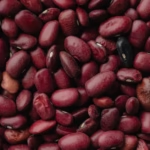
Foods That Cause Excessive Gas
If you’ve ever felt like a balloon about to pop, you’re not alone! Many people experience excessive gas, which can be uncomfortable and even embarrassing. So, what are these foods that cause excessive gas we’re talking about? Well, gas is a natural byproduct of digestion, but certain foods can make it worse. This article will help you understand which foods can contribute to your bloating and discomfort, and maybe even give you some ideas on how to manage it.
Understanding why certain foods lead to gas can be the first step toward relief. You might be wondering if you’re eating something wrong or if there’s a deeper issue at play. We’ll dive into the common culprits, explore why they affect some people more than others, and discuss practical tips on what you can do about it. Let’s navigate this together!
What Does This Mean?
When we talk about foods that cause excessive gas, we refer to those items that, when digested, produce gas in the digestive tract. Gas is made up of air swallowed while eating or drinking, along with gases produced by bacteria in the intestines as they break down food. This natural process can lead to everything from simple bloating to more complex digestive discomfort.
Some common terms to know include:
- Fermentable fibers: These are types of carbohydrates that can’t be digested in the small intestine. Instead, they are broken down by bacteria in the large intestine, producing gas.
- Probiotics: These are beneficial bacteria that can help balance your gut flora and might aid in digestion, but the wrong balance can also lead to gas issues.
Why Does This Happen?
So, why do certain foods seem to create more gas than others? One possible reason is that some foods are harder for our bodies to digest. They may have high amounts of fiber, starches, or sugars that lead to fermentation, causing gas.Another common factor may be your eating habits—like eating too quickly, which can introduce extra air into your system.
Research suggests that individual gut microbiomes (the unique community of microorganisms in your intestines) respond differently to certain foods. In some people, a healthy gut can break down certain fibers without generating extra gas, while others might experience discomfort no matter what they eat.
Common Causes
Let’s highlight some of the foods that frequently create problems:
Legumes
Beans, lentils, and peas contain a type of carbohydrate called oligosaccharides, which can lead to gas production when they are broken down in the gut. If you find yourself feeling bloated after that bean chili, you’re not imagining it!
Dairy Products
For many people, dairy can be a culprit due to lactose, the sugar found in milk. If someone is lactose intolerant, their body has trouble digesting lactose, leading to gas, cramping, and even diarrhea in some cases.
Cruciferous Vegetables
Broccoli, cauliflower, cabbage, and Brussels sprouts contain sulfur compounds and fiber that can contribute to gas production. While they’re incredibly nutritious, you might want to enjoy them in moderation if you’re prone to gas.
Whole Grains
Foods like whole wheat bread and cereals provide great fiber but can sometimes lead to gas, especially if your body isn’t used to such a high-fiber diet. Gradually increasing your fiber intake can help your gut adjust.
Some Fruits
Apples, pears, and cherries are delicious but can also cause gas due to their high fiber and fructose content. If you notice bloating after enjoying a fruit salad, you might consider cutting down on these fruits temporarily.
In general, paying attention to how different foods make you feel can be a valuable way to manage gas.
Signs and Symptoms to Watch For
Common symptoms associated with excessive gas include:
- Bloating
- Belching
- Flatulence
- Stomach cramps or discomfort
While these are typical reactions, it’s important to recognize the difference between occasional discomfort and chronic symptoms. If you’re feeling bloated after most meals or notice blood in your stool, it might be time to consult a healthcare professional. Persistent symptoms can suggest underlying issues that may need further evaluation.
What Can Make It Worse?
Several lifestyle and dietary factors may contribute to or worsen gas production:
- Diet: High-fiber diets are great, but jumping in too fast can lead to discomfort.
- Eating Habits: Eating too quickly or talking while eating can cause you to swallow air, adding to gas issues.
- Hydration: Not drinking enough water can lead to constipation, which can worsen gas and bloating.
- Stress: High stress can affect digestion, sometimes leading to increased gas.
Adjusting these habits can help support better gut health.
Foods and Drinks Related to the Topic
When it comes to foods that cause excessive gas, it’s important to note that everyone’s digestive systems are unique. While some may react strongly to certain foods, others might not notice any difference. Generally, here are some foods to keep in mind:
- Potential culprits: Beans, broccoli, garlic, and carbonated drinks.
- Safer options: Foods such as bananas and plain rice tend to be easier on the stomach.
Remember, moderation can often be your best friend when navigating this topic.
What Can We Do?
If you’re feeling the squeeze from gas, here are some practical steps you can consider:
- Monitor Your Diet: Keep track of what you eat and the symptoms that follow. This can help identify specific triggers.
- Eat Slowly: Take time to chew your food, which can help reduce swallowed air and promote proper digestion.
- Stay Hydrated: Drinking water can help your digestion and prevent constipation.
- Consider Probiotics: Some people find that probiotics help balance their gut bacteria, leading to less gas.
While these steps may help, it’s important to remember that results can vary from person to person.
When Should You See a Doctor?
If you’re experiencing any concerning symptoms, it might be a good idea to consult a healthcare provider. Some warning signs to look out for include:
- Severe or persistent abdominal pain
- Blood in stool
- Unexplained weight loss
- Persistent vomiting
- Difficulty swallowing
Having these symptoms doesn’t always mean something is seriously wrong, but it’s always wise to get a professional opinion for peace of mind.
Frequently Asked Questions
Why am I always experiencing gas?
Many factors can contribute to excessive gas, including dietary choices, eating habits, and even certain health conditions. If it’s a frequent occurrence, analyzing your diet might help.
Can food allergies cause excessive gas?
Yes, food allergies or intolerances, like lactose intolerance, can significantly contribute to gas production and discomfort.
When should I worry about excessive gas?
If you notice persistent symptoms, blood in your stool, or severe discomfort, it’s best to reach out to a healthcare professional.
Is it normal to have gas every day?
Yes, passing gas is a normal bodily function. However, if it’s accompanied by discomfort, you might want to take a look at your diet.
Can drinking carbonated beverages cause more gas?
Yes, carbonated drinks can introduce extra air, leading to more gas in your digestive system.
Does peppermint help with gas?
Some people find peppermint tea soothing for digestive issues, though it may not work for everyone.
Are there medications for excessive gas?
Over-the-counter medications like simethicone can help relieve gas symptoms, but it’s always a good idea to consult a professional before starting any new treatment.
Do probiotics really help with gas?
Some research suggests that probiotics can improve gut health and may help reduce gas for some individuals.
What the Research Says About Foods That Cause Excessive Gas
Research has shown a variety of foods can lead to excessive fermentation and gas production in the digestive system. For example, studies published in the Journal of the American Dietetic Association have highlighted how legumes and certain vegetables can lead to increased gas due to their fiber content. Lactose intolerance has also been confirmed through various studies, with the National Institutes of Health (NIH) noting that many adults lack the enzyme needed to digest lactose effectively.
It’s important to remember that everyone’s digestive response is individual, and ongoing research continues to explore the relationship between dietary factors and gut health. While some foods are consistently identified as problematic, the extent to which they affect individuals can vary greatly.
Simple Daily Habits That May Support Better Health
Incorporating small, healthy habits can play a role in reducing gas levels:
- Regular Exercise: Staying active can support digestion and reduce bloating.
- Mindful Eating: Taking the time to eat slowly can help prevent gas by reducing swallowed air.
- Hydration: Drinking plenty of water can aid in digestion and help prevent constipation.
These tips may not eliminate gas completely, but they can create a healthier routine that supports your digestive system.
Final Thoughts
Dealing with excessive gas can be a real challenge, but understanding the foods that cause excessive gas and how they interact with your body can help you manage it better. We often find that our diet and lifestyle choices play a big role in our digestive health. If we notice that certain foods lead to discomfort, we can make changes that may help reduce our symptoms.
It’s essential for us to listen to our bodies and keep track of what works for us personally. If issues persist, don’t hesitate to reach out to a healthcare professional for personalized advice. Together, we can work towards a more comfortable and happy belly!
Sources and References
National Institutes of Health: Dietary Fiber. Available at: https://ods.od.nih.gov/factsheets/Fiber-HealthProfessional/
Mayo Clinic: Lactose intolerance. Date Updated: November 2022. Available at: https://www.mayoclinic.org/diseases-conditions/lactose-intolerance/symptoms-causes/syc-20314468
Cleveland Clinic: Gas and Bloating: A Comprehensive Guide. Available at: https://my.clevelandclinic.org/health/diseases/9489-gas-and-bloating
American Gastroenterological Association: Understanding Gas. Available at: https://www.gastro.org/guidelines/gas
Medical Disclaimer
This article is for general educational and informational purposes only. It is not intended to provide medical advice, diagnosis, or treatment. Health conditions can affect people differently, and information that is appropriate for one person may not be appropriate for another. If you have persistent, severe, or concerning symptoms, speak with a qualified healthcare professional for personalized advice.
Further Reading
Ivf Shot Schedule: 10 Things You Should Know
Omeprazole and Alcohol: Is It Safe to Mix?
what does a growth spurt in pregnancy feel like
Photo by Letícia Alvares on Pexels.