Key Takeaways
- Rice is a staple food with varying calorie counts depending on the type and preparation.
- One cup of cooked white rice contains approximately 205 calories.
- Brown rice is a healthier alternative, offering more fiber and nutrients.
- Portion control is key to managing calorie intake when consuming rice.
When it comes to staple foods around the world, rice is one of the most consumed grains. If you’re wondering, “How many calories in rice” specifically, you are not alone. Understanding the calorie content of rice is essential, especially for those who are monitoring their diet or looking to manage their weight.
Rice comes in various types, each with its unique flavor, texture, and nutritional profile. This article will explore how many calories are in different types of rice, how they are prepared, and what nutritional benefits they offer.
As we delve into the world of rice, we’ll provide you with practical information that can help you make informed dietary choices. Let’s begin by examining the calorie content of the most common types of rice.
Calorie Content in Different Types of Rice
White Rice
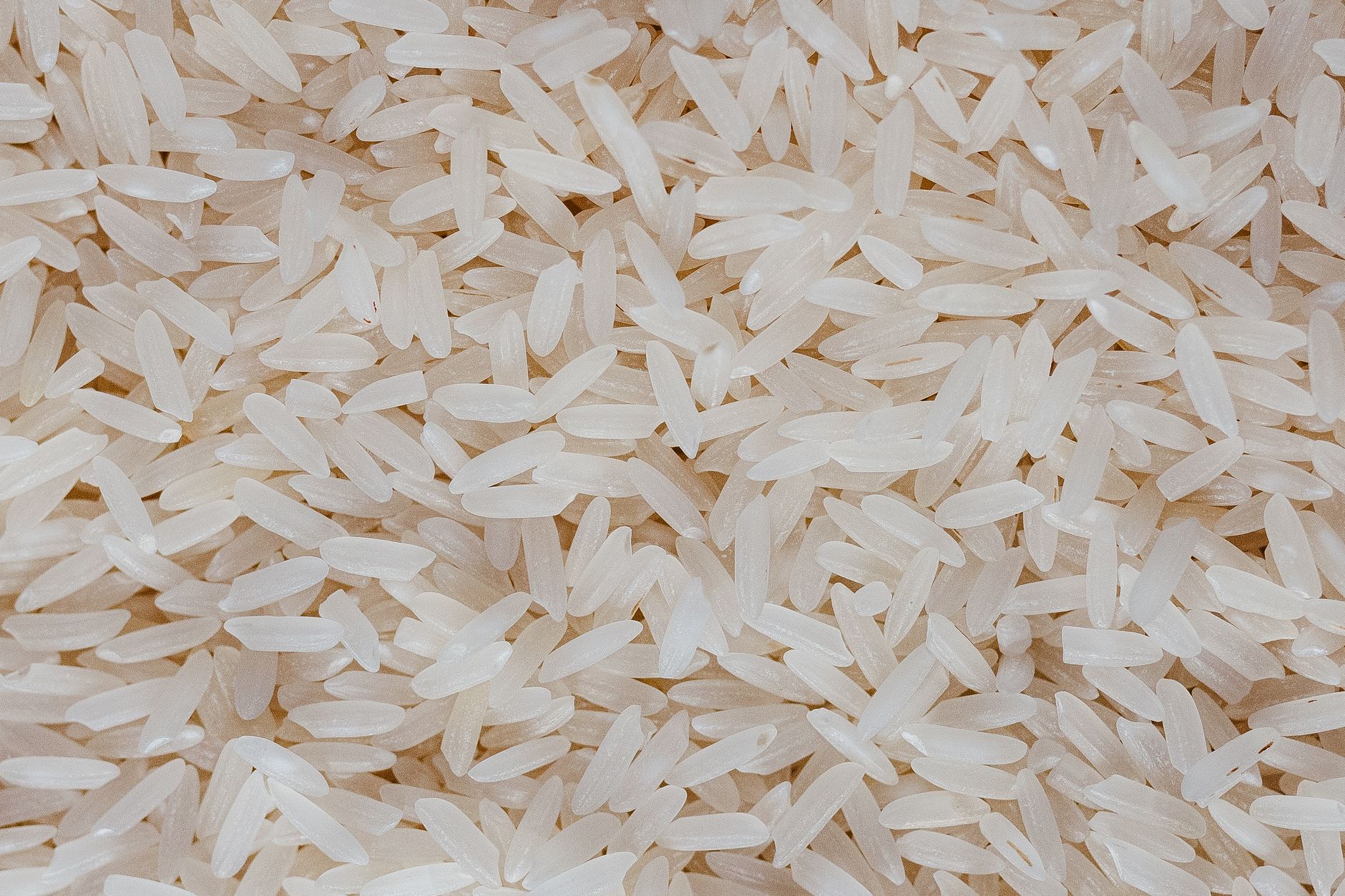
White rice is the most commonly consumed type of rice around the globe. It is milled and polished, which removes the husk, bran, and germ, leaving only the starchy endosperm. This process results in a softer texture and a quicker cooking time, but it also strips away some nutrients.
On average, one cup (about 158 grams) of cooked white rice contains approximately 205 calories. The calorie breakdown is primarily from carbohydrates, with about 45 grams per serving. White rice is low in fiber, which means it can raise blood sugar levels more quickly than whole grain options.
Brown Rice
Brown rice is a whole grain that retains its bran and germ, making it a more nutritious option compared to white rice. This type of rice is often recommended for those looking to increase their fiber intake and improve their overall health.
One cup of cooked brown rice (about 195 grams) contains approximately 218 calories. The higher calorie content compared to white rice is largely due to its fiber and nutrient content, which includes healthy fats and proteins. Brown rice provides around 5 grams of protein and 3.5 grams of fiber per serving, making it a filling choice.
Other Types of Rice
Beyond white and brown rice, there are numerous other varieties available, each with its unique calorie content:
- Jasmine Rice: One cup cooked (about 140 grams) contains roughly 205 calories.
- Basmati Rice: One cup cooked (about 163 grams) has around 210 calories.
- Wild Rice: One cup cooked (about 164 grams) has about 166 calories.
- Arborio Rice: One cup cooked (about 130 grams) contains approximately 220 calories.
Nutritional Benefits of Rice
Rice is not just about calories; it also brings various nutritional benefits to the table. Understanding these benefits can help you appreciate this versatile grain beyond its calorie count.
Firstly, rice is a significant source of energy. The carbohydrates in rice provide fuel for the body, making it an excellent food choice for athletes or those with active lifestyles. It is easily digestible, which means it can be a good option for individuals with digestive issues.
Secondly, certain types of rice, particularly brown rice, offer a range of essential nutrients. Brown rice is rich in magnesium, phosphorus, and B vitamins, all of which play critical roles in maintaining overall health. These nutrients support energy production, bone health, and metabolic functions.
How Rice Preparation Affects Caloric Content
The way rice is prepared can significantly influence its calorie count. Cooking rice with added fats or oils, such as butter or olive oil, increases its overall calorie content. For example, a tablespoon of butter adds approximately 100 calories to your dish.
Additionally, serving rice with sauces or accompaniments, such as stir-fries or curries, will also contribute additional calories. It’s essential to consider these factors when calculating your total meal calorie intake.
Here are some common methods of preparing rice and their impact on calorie content:
- Boiled Rice: Typically retains the calorie content of the rice itself (e.g., 205 calories for white rice).
- Fried Rice: Can significantly increase calories due to added oils, proteins, and vegetables.
- Rice with Broth: May lower calories slightly if using low-calorie broth but still adds flavor.
Portion Control and Serving Sizes
Portion control is crucial when consuming rice, especially for those managing their weight. A typical serving size for cooked rice is about one cup. However, many people may unknowingly consume larger portions, leading to higher calorie intake.
Here are some practical tips for controlling your rice portions:
- Use Measuring Cups: Measure your rice before cooking to ensure you know how much you are consuming.
- Visual Cues: A serving of rice is typically about the size of your fist. Use this as a rough guide when serving.
- Balance your Meal: Pair rice with vegetables and lean protein to create a balanced meal that is satisfying without excessive calories.
Rice in a Balanced Diet
Incorporating rice into a balanced diet can be beneficial if done mindfully. Rice can provide a foundation for various meals, but it’s essential to pair it with other food groups. A balanced meal includes vegetables, proteins, and healthy fats.
Here are some ideas for creating balanced meals with rice:
- Rice Bowls: Combine brown rice with grilled chicken, steamed broccoli, and a drizzle of teriyaki sauce.
- Stir-Fries: Use white rice as a base for a colorful stir-fry loaded with bell peppers, carrots, and tofu.
- Rice Salads: Mix cooked rice with black beans, corn, diced tomatoes, and avocado for a refreshing salad.
Rice and Its Glycemic Index
Understanding Glycemic Index
The glycemic index (GI) is a ranking of carbohydrates in foods according to how they affect blood glucose levels. Foods with a high GI are quickly digested and absorbed, resulting in a rapid rise in blood sugar. In contrast, low GI foods are digested and absorbed at a slower rate, leading to a more gradual increase in blood sugar levels. Understanding the glycemic index of rice can help individuals make informed dietary choices, especially those managing diabetes or looking to maintain stable energy levels.
Glycemic Index of Different Rice Varieties
Different types of rice have varying glycemic indices, which can impact their suitability for certain diets. For example, white rice has a higher GI compared to brown rice. The following list summarizes the glycemic indices of several common rice varieties:
- White Rice: GI of 70
- Brown Rice: GI of 50
- Jasmine Rice: GI of 68
- Basmati Rice: GI of 58
- Wild Rice: GI of 45
Choosing rice with a lower glycemic index can be beneficial for those looking to control blood sugar levels, as it tends to promote better satiety and sustained energy. Brown rice, for instance, not only has a lower GI but also contains more fiber, vitamins, and minerals compared to its white counterpart.
Impact of Cooking Methods on Glycemic Index
The cooking method can also affect the glycemic index of rice. For instance, cooking rice al dente (firm to the bite) can result in a lower GI compared to overcooking it until it becomes mushy. Here are some common cooking methods and their potential impact on the GI:
- Boiling: This method generally yields a higher GI, especially when rice is overcooked.
- Steaming: Steaming can help maintain a lower GI by cooking the rice evenly without making it mushy.
- Cooling: Allowing cooked rice to cool and then reheating it (a process known as retrogradation) can lower its GI, making it a better option for blood sugar control.
Rice and Its Role in Gluten-Free Diets
The Gluten-Free Movement
With the increasing prevalence of celiac disease and gluten sensitivity, many individuals are adopting gluten-free diets. Rice serves as a staple food for those avoiding gluten, as it is naturally gluten-free. This makes it an essential component for people who cannot consume wheat, barley, or rye. Additionally, rice can be a versatile ingredient in gluten-free cooking, providing texture and substance to a variety of dishes.
Types of Rice Suitable for Gluten-Free Diets
While all rice is gluten-free, some varieties are particularly popular among those adhering to gluten-free diets. Here’s a list of rice types that are widely accepted:
- Brown Rice
- White Rice
- Wild Rice
- Jasmine Rice
- Basmati Rice
These types of rice can be used in various dishes, ensuring that those without gluten can still enjoy a diverse and fulfilling diet. Furthermore, rice flour is often used as a gluten-free alternative in baking and cooking, providing a suitable option for gluten-free recipes.
Cross-Contamination Risks and Considerations
Although rice itself is gluten-free, cross-contamination can occur during processing or preparation in facilities that handle gluten-containing grains. It is crucial for individuals with celiac disease or severe gluten sensitivity to look for certified gluten-free rice products. Here are some tips for minimizing cross-contamination:
- Purchase rice labeled as gluten-free from reputable brands.
- Use separate cooking utensils and equipment for gluten-free foods.
- Be cautious with pre-packaged rice products or mixes that may contain gluten as additives.
Rice in Cultural Diets Around the World
Rice as a Staple Food
Rice is one of the most consumed staple foods globally, particularly in Asia, where it forms the basis of many traditional diets. The versatility of rice allows it to be incorporated into a variety of dishes, ranging from savory to sweet. In countries like China, India, and Japan, rice is not merely a side dish but often serves as the main component of meals.
Regional Variations and Unique Dishes
Different regions have unique rice dishes that showcase local flavors and cooking methods. Here are some popular rice dishes from various cultures:
- Paella: A Spanish dish featuring saffron-infused rice cooked with seafood, meat, and vegetables.
- Biryani: A fragrant Indian dish made with spiced rice, meat, and sometimes vegetables.
- Sushi: A Japanese dish that uses vinegared rice paired with seafood, vegetables, and occasionally tropical fruits.
- Risotto: An Italian creamy rice dish, typically made with Arborio rice, cooked slowly with broth and often finished with cheese.
These dishes not only highlight the culinary diversity of rice but also its ability to adapt to various flavors and ingredients, making it a beloved food across cultures.
Health Considerations in Cultural Rice Consumption
While rice is a staple in many diets, its health implications can vary based on preparation and accompanying ingredients. For example, fried rice dishes, while delicious, can often be high in calories and unhealthy fats. Additionally, the nutritional value of rice can be affected by the type of cuisine it is incorporated into. For instance, rice served with a variety of vegetables and lean proteins can enhance its health benefits:
- Increased fiber intake
- Improved micronutrient consumption
- Better overall balance of macronutrients
By being mindful of how rice is prepared and paired with other foods, individuals can enjoy this staple while promoting better health outcomes.
Frequently Asked Questions
1. Is white rice unhealthy?
White rice is not inherently unhealthy, but it is lower in fiber and nutrients compared to brown rice. Moderation is key, and it can be part of a balanced diet.
2. Can I eat rice on a low-carb diet?
Rice is high in carbohydrates, making it less suitable for strict low-carb diets. However, portion control and choosing whole-grain options like brown or wild rice can help.
3. How can I make rice healthier?
You can enhance the nutritional value of rice by cooking it with vegetables, using low-sodium broth, or mixing in legumes like lentils or beans.
4. What is the best type of rice for weight loss?
Brown rice is generally considered better for weight loss due to its higher fiber content, which can promote satiety and help regulate blood sugar levels.
The Bottom Line
Understanding how many calories are in rice and the various types available can help you make informed dietary choices. Rice is a versatile food that can be part of a balanced diet when consumed in moderation. Whether you prefer white, brown, or other varieties, consider your portion sizes and pair rice with nutrient-rich foods to enhance its health benefits.
Note: This article is for general information only and is not medical advice. See a qualified health professional about your own situation.