Key Takeaways
- Gingivitis is an early stage of gum disease caused by plaque buildup.
- Good oral hygiene can reverse gingivitis effectively.
- Regular dental check-ups are essential for prevention and treatment.
- Ignoring gingivitis can lead to more serious dental issues.
Understanding Gingivitis
When people ask, “Is gingivitis reversible?” they are often concerned about their oral health. Gingivitis is a common and mild form of gum disease that causes irritation, redness, and swelling of the gingiva, the part of your gum around the base of your teeth. This condition is primarily caused by the accumulation of plaque, a sticky film of bacteria that forms on teeth. If not addressed, gingivitis can lead to more severe dental issues.
Gingivitis is often painless, making it easy to overlook. However, recognizing the symptoms early and understanding that it can be reversed with proper care is crucial for maintaining good oral health. Most cases of gingivitis can be resolved with effective oral hygiene practices and professional dental care.
In this article, we will explore the causes, symptoms, treatment options, and preventive measures for gingivitis. We aim to provide you with comprehensive insights to answer the question, “Is gingivitis reversible?” and help you maintain a healthy smile.
What Causes Gingivitis?
Gingivitis primarily occurs due to poor oral hygiene, allowing plaque to build up on teeth and harden into tartar. Here are some common causes of gingivitis:
- Poor Oral Hygiene: Inadequate brushing and flossing lead to plaque buildup, which can irritate gums.
- Tobacco Use: Smoking or chewing tobacco can make gum disease more likely.
- Hormonal Changes: Fluctuations due to puberty, menstruation, pregnancy, or menopause can make gums more sensitive.
- Certain Medical Conditions: Diabetes, HIV/AIDS, and certain autoimmune diseases can affect the body’s ability to fight infections, including gum disease.
- Medications: Some drugs decrease saliva flow, which is essential for maintaining oral health.
- Nutritional Deficiencies: Lack of essential nutrients, particularly vitamin C, can contribute to gum disease.
Symptoms of Gingivitis
Identifying the symptoms of gingivitis early can help you take action to reverse the condition. Common symptoms include:
- Red or Swollen Gums: Healthy gums should be pink and firm. Inflammation causes them to appear red and puffed.
- Bleeding Gums: Gums may bleed during brushing or flossing, indicating inflammation.
- Bad Breath: Persistent bad breath can be a sign of plaque buildup and gum disease.
- Receding Gums: Gums may pull away from the teeth, exposing more of the tooth or its root.
- Change in Bite or Tooth Position: A shift in the alignment of teeth can occur as gum disease progresses.
Is Gingivitis Reversible?
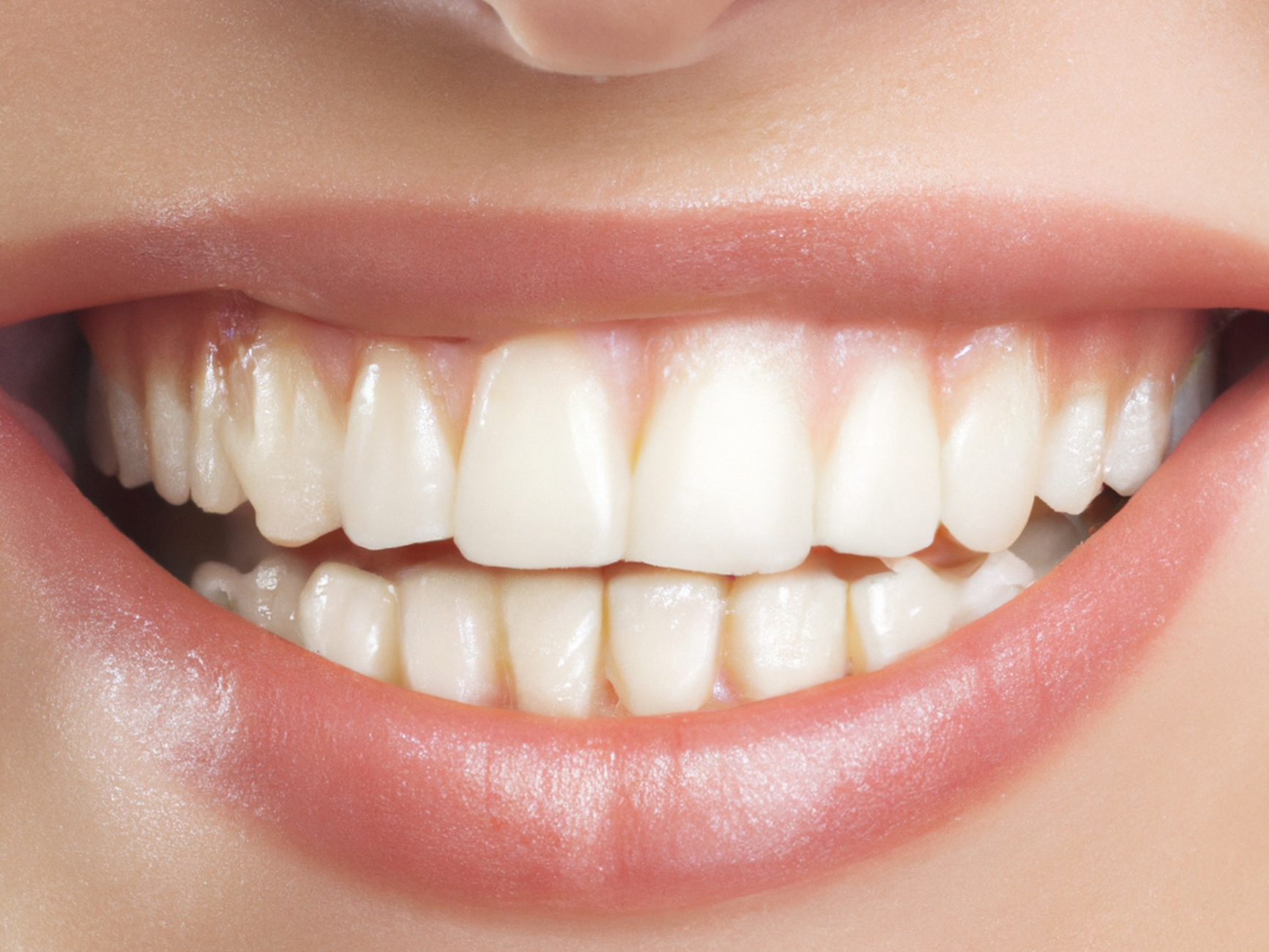
The answer is a resounding yes, gingivitis is reversible! With proper treatment and care, you can effectively manage and heal your gums. Here’s how:
- Improved Oral Hygiene: Regular brushing and flossing can remove plaque before it hardens into tartar.
- Professional Dental Cleanings: A dentist can remove tartar and provide guidance on maintaining oral health.
- Antiseptic Mouthwash: Using mouthwash regularly can help reduce plaque and fight bacteria.
Steps to Reverse Gingivitis
To effectively reverse gingivitis, follow these steps:
- Brush Twice Daily: Use a soft-bristled toothbrush and fluoride toothpaste to clean your teeth thoroughly.
- Floss Daily: Flossing removes food particles and plaque from areas your toothbrush can’t reach.
- Visit the Dentist Regularly: Schedule cleanings and check-ups at least twice a year.
- Consider a Mouthwash: An antibacterial mouthwash can help reduce plaque accumulation.
- Maintain a Healthy Diet: A balanced diet rich in vitamins can support gum health.
The Role of Diet in Gum Health
Your diet plays a significant role in your oral health. Certain foods can promote healthy gums, while others can worsen gum disease. Here are some dietary tips:
- Include Vitamin C: Foods rich in vitamin C, such as oranges, strawberries, and bell peppers, can strengthen gums.
- Stay Hydrated: Drinking water helps wash away food particles and bacteria.
- Avoid Sugary Snacks: Reduce consumption of sweets and sticky foods that can cling to teeth.
- Eat Crunchy Fruits and Vegetables: Carrots, apples, and celery can help clean teeth naturally.
- Limit Alcohol: Excessive alcohol can lead to dry mouth and increase the risk of gum disease.
When to See a Dentist
While gingivitis can often be treated at home, there are times when you should seek professional help. Here are some indications that you should see a dentist:
- Persistent Symptoms: If symptoms like bleeding or swollen gums persist despite home care, consult a dentist.
- Severe Pain: Experiencing significant discomfort when chewing or brushing is a sign to see a professional.
- Changes in Teeth or Bite: Any noticeable changes in how your teeth fit together should be evaluated.
- History of Gum Disease: If you have had gum disease before, regular check-ups are essential.
Preventing Gingivitis
Preventing gingivitis is easier than treating it. Here are effective strategies to keep your gums healthy:
- Maintain Regular Dental Visits: Regular check-ups help catch issues early and keep your teeth clean.
- Practice Good Oral Hygiene: Consistency is key; brush and floss daily without fail.
- Use Fluoride Products: Fluoride toothpaste and mouth rinses can help strengthen enamel and prevent decay.
- Avoid Tobacco: Quitting smoking or chewing tobacco can significantly reduce your risk of gum disease.
- Manage Stress: High stress can impact your immune system, making it harder to fight infections, including gum disease.
Maintaining Oral Hygiene
Here are some tips for optimal oral hygiene:
- Choose the Right Toothbrush: Use a soft-bristled toothbrush to avoid damaging gums.
- Brush Correctly: Use gentle circular motions and brush for at least two minutes.
- Replace Your Toothbrush Regularly: Change your toothbrush every three to four months or sooner if the bristles are frayed.
- Use Dental Tools: Consider using tools like interdental brushes or water flossers for thorough cleaning.

Understanding the Connection Between Stress and Gingivitis
The Physiological Impact of Stress on Oral Health
Stress is a common part of life, but its physiological effects can have a profound impact on oral health. Chronic stress can lead to increased levels of cortisol, which may suppress the immune system and make the body more susceptible to infections, including those affecting the gums. When the immune response is compromised, it can enable the bacteria that cause gingivitis to thrive.
Moreover, stress often leads to behaviors that can exacerbate gum problems, such as neglecting oral hygiene or increased consumption of sugary foods. Stress-induced teeth grinding, or bruxism, can also contribute to gum recession and vulnerability to periodontal disease.
Identifying Stress-Related Symptoms of Gingivitis
Individuals experiencing stress may notice specific symptoms that could indicate gingivitis. These symptoms can include swollen or bleeding gums, persistent bad breath, and difficulty chewing. Identifying these signs early can help in managing both stress and oral health.
- Swollen gums
- Gums that bleed during brushing or flossing
- Persistent bad breath
- Gum tenderness
- Changes in gum color (red or darkened)
Strategies to Mitigate Stress for Better Gum Health
To manage stress effectively and protect gum health, individuals can adopt various strategies. Regular physical activity can reduce stress and improve overall well-being, which in turn can benefit oral health. Mindfulness practices such as meditation and deep-breathing exercises can also help in lowering stress levels. Additionally, maintaining a structured oral hygiene routine can provide a sense of control and enhance gum health.
Other helpful strategies include:
- Establishing a regular sleep schedule
- Practicing yoga or tai chi
- Engaging in hobbies or activities that promote relaxation
- Seeking professional counseling or therapy if needed
The Importance of Regular Dental Cleanings in Managing Gingivitis
Role of Professional Cleanings in Gum Health
Regular dental cleanings play a crucial role in managing and reversing gingivitis. During these appointments, dental professionals can remove plaque and tartar that regular brushing and flossing may miss. This helps to minimize inflammation and allows the gums to heal more effectively.
Typically, it is recommended to visit the dentist for a cleaning every six months. However, individuals with a history of gingivitis or gum disease may need to schedule more frequent visits, potentially every three to four months, depending on their dental health.
What to Expect During a Dental Cleaning
A dental cleaning usually involves several steps. First, a dental hygienist will examine your mouth and may take X-rays if necessary. Next, they will use specialized tools to remove plaque and tartar buildup from your teeth and gum line. This process is often followed by polishing the teeth and applying fluoride treatment, which can help in strengthening the enamel and preventing cavities.
- Examination of gums and teeth
- Removal of plaque and tartar
- Polishing of teeth
- Fluoride application
- Education on proper oral care techniques
How to Maximize the Benefits of Dental Cleanings
To maximize the benefits of dental cleanings, patients should maintain an open line of communication with their dental professionals. Discussing any concerns regarding gum health, oral hygiene practices, and lifestyle factors can help in developing an effective oral care plan. Additionally, adhering to a thorough home care routine that includes brushing at least twice a day and flossing daily is essential for long-term gum health.
Also, consider scheduling cleanings at times when you are less stressed, as this can enhance your experience and ensure you receive the most benefit from your appointment.
The Impact of Hormonal Changes on Gum Health
Understanding Hormonal Influences
Hormonal changes can significantly affect gum health, particularly in women. Fluctuations in hormones during puberty, menstruation, pregnancy, and menopause can lead to increased sensitivity in the gums. This sensitivity can make individuals more susceptible to gingivitis and other periodontal diseases.
For instance, during pregnancy, heightened levels of progesterone can increase blood flow to the gums, making them more prone to inflammation and bleeding. It is crucial for pregnant women to maintain regular dental visits to monitor and manage any potential gum issues.
Signs of Hormonal-Related Gingivitis
Individuals experiencing hormonal changes should be vigilant for signs of gingivitis. Symptoms may include swollen, tender gums, changes in gum color, or increased gum bleeding. Recognizing these symptoms early can facilitate timely intervention and treatment.
- Gum swelling and redness
- Increased bleeding during brushing
- Changes in gum texture
- Persistent bad breath
Managing Hormonal Effects on Gum Health
To manage the effects of hormonal changes on gum health, individuals should maintain a rigorous oral hygiene regimen and schedule regular dental check-ups. Additionally, staying informed about hormonal changes and their potential impact on oral health can empower individuals to take proactive measures. Incorporating a balanced diet rich in vitamins and minerals that support gum health, such as vitamin C, can also be beneficial.
Women should also feel comfortable discussing their hormonal health with dental professionals, as they may provide tailored advice or treatments to help mitigate gingivitis-related concerns.
Treatment Options for Gingivitis
Professional Dental Treatments
Professional interventions play a crucial role in treating gingivitis. Dentists can perform scaling and root planing, which involves removing plaque and tartar build-up below the gum line. This procedure not only cleans the teeth but also smooths the root surfaces, making it harder for bacteria to adhere. Regular check-ups are vital, as they allow for monitoring the effectiveness of treatment.
At-Home Care Strategies
In addition to professional treatments, patients can adopt various at-home care strategies to manage and reverse gingivitis. These include:
- Brushing twice daily with fluoride toothpaste.
- Flossing at least once a day to remove food particles and plaque between teeth.
- Using an antimicrobial mouthwash to help reduce bacteria in the mouth.
- Choosing a soft-bristled toothbrush to prevent gum irritation.
Consistency is key in these efforts, as neglecting oral hygiene can lead to the progression of gum disease.
Natural Remedies for Gum Health
Herbal Solutions
Some individuals seek natural remedies to support gum health. Certain herbs have antimicrobial properties that may help reduce inflammation and fight bacteria. For example, neem and sage are often cited for their beneficial effects on oral health. However, these should be used as adjuncts to, not replacements for, standard dental care.
Essential Oils and Their Benefits
Essential oils such as tea tree oil and eucalyptus oil can be used in diluted form as mouth rinses. Their antibacterial properties may help in controlling plaque build-up when used alongside proper oral hygiene practices. Always consult with a healthcare professional before introducing new substances into your oral care regimen.
The Link Between Systemic Health and Gingivitis
Gingivitis and Heart Health
Emerging research suggests a potential link between gingivitis and cardiovascular health. Chronic inflammation in the gums may contribute to systemic inflammation, which can affect heart health. Studies indicate that individuals with periodontal disease may have a higher risk of heart disease.
Diabetes and Gingivitis
Diabetes can impact the body’s ability to fight infections, making individuals more susceptible to gum disease. Conversely, gingivitis can make it more challenging to control blood sugar levels. Maintaining good oral hygiene is crucial for those with diabetes to prevent complications.
Frequently Asked Questions
Can gingivitis lead to tooth loss?
While gingivitis itself does not cause tooth loss, if left untreated, it can progress to periodontitis, a more severe form of gum disease that can result in loss of teeth and bone.
How long does it take to reverse gingivitis?
With proper oral hygiene and professional care, gingivitis can begin to improve within a few days, but complete healing may take a few weeks.
Is it painful to treat gingivitis?
Treating gingivitis typically does not involve pain if addressed early. However, advanced gum disease may require more intensive treatment, which could be uncomfortable.
Can I treat gingivitis at home?
Yes, mild cases of gingivitis can often be treated at home through diligent oral hygiene practices, including brushing, flossing, and using an antibacterial mouthwash.
The Bottom Line
In summary, the answer to the question, “Is gingivitis reversible?” is yes. With proper care, gingivitis can be effectively managed and reversed. Maintaining good oral hygiene, attending regular dental check-ups, and following a healthy diet are crucial components of gum health. Don’t ignore the signs of gingivitis; take action early to preserve your smile.
Note: This article is for general information only and is not medical advice. See a qualified health professional about your own situation.