Key Takeaways
- Understanding the roles in PPE training is crucial for workplace safety.
- Employers must ensure comprehensive PPE training for their workers.
- Effective PPE training reduces workplace injuries and promotes health.
- Regular updates and retraining are vital for maintaining safety standards.
When considering workplace safety, a common question arises: Who is responsible for training workers on the use of ppe? Personal Protective Equipment (PPE) plays a critical role in minimizing exposure to hazards that can cause serious injuries or illnesses. The responsibility for training workers on proper PPE usage is shared among various stakeholders, including employers, safety officers, and sometimes external trainers.
Understanding who holds this responsibility can help ensure that all employees are adequately prepared to protect themselves. In this article, we will explore the roles and responsibilities involved in PPE training, the importance of such training, and best practices to implement it effectively.
Furthermore, providing a comprehensive overview will empower both employers and employees to foster a safer work environment. This guide will give you clarity on the process and importance of PPE training.
Understanding the Roles in PPE Training
Training on the use of PPE is a multifaceted responsibility that involves various parties within the workplace. Each entity plays a vital role in ensuring that workers understand how to use PPE correctly and effectively.
Employer Responsibilities
Employers are primarily responsible for ensuring that their workers receive adequate training on PPE. This includes:
- Identifying Hazards: Employers must identify potential hazards in the workplace that require PPE for protection.
- Providing Appropriate PPE: It is the employer’s duty to provide the right types of PPE based on the hazards associated with the job.
- Conducting Training Sessions: Employers must organize training sessions to educate employees on how to use, maintain, and store PPE correctly.
- Ensuring Compliance: Employers must ensure that the training complies with local, state, and federal regulations.
Safety Officers and Specialists
In many organizations, safety officers or specialists play a pivotal role in PPE training. Their responsibilities may include:
- Developing Training Materials: Safety officers often create training content that is tailored to specific hazards present in the workplace.
- Conducting Assessments: They may assess the effectiveness of existing PPE training programs and make necessary adjustments.
- Facilitating Training: Safety officers are often responsible for delivering the training sessions, ensuring that all aspects of PPE use are covered.
External Trainers and Consultants
In some cases, organizations may choose to hire external trainers or consultants to conduct PPE training. This can be beneficial for:
- Expertise: External trainers often bring specialized knowledge and experience that can enhance the training program.
- Objectivity: An outsider may provide an unbiased perspective on the training effectiveness.
- Resource Efficiency: Utilizing external trainers can save time and resources, allowing internal staff to focus on other responsibilities.
The Importance of PPE Training
PPE training is crucial for several reasons, all of which contribute to creating a safer work environment.
Reducing Workplace Injuries
Proper training on PPE usage significantly reduces the risk of workplace injuries. When workers understand how to use their equipment correctly, they are less likely to suffer from accidents. This is supported by various studies that indicate a direct correlation between comprehensive training and decreased injury rates.
Enhancing Employee Confidence
Training empowers employees by enhancing their confidence in using PPE. When workers know how to properly wear and utilize their protective gear, they feel more secure in their roles. This can lead to improved morale and productivity, as employees are less worried about potential hazards.
Compliance with Regulations
Training is not just a best practice; it is often a legal requirement. Many occupational health regulations stipulate that employers must provide proper training on the use of PPE. Failing to comply with these regulations can lead to legal repercussions, fines, and increased liability for the employer.
Best Practices for PPE Training
Implementing effective PPE training requires a structured approach that includes several best practices.
Creating a Training Program
A well-structured training program is crucial for effective PPE education. Key components include:
- Assessment of Hazards: Begin by conducting a thorough assessment of workplace hazards to determine what PPE is necessary.
- Development of Training Materials: Create easy-to-understand training materials that clearly outline the use and importance of PPE.
- Interactive Training Sessions: Utilize interactive training methods such as demonstrations, hands-on practice, and group discussions to engage employees.
Regular Training and Refresher Courses
One-time training is not sufficient. Regular training and refresher courses are essential to maintain knowledge and skills. Consider the following:
- Annual Refreshers: Schedule annual refresher courses to review PPE usage, especially when new equipment is introduced.
- Post-Incident Training: Provide additional training after an incident to address any gaps in knowledge or practice.
- Feedback Mechanism: Establish a system for employees to provide feedback on PPE training, allowing for continuous improvement.
Documenting Training
Documentation is a critical aspect of PPE training. Keeping records helps in several ways:
- Compliance Evidence: Documentation serves as evidence that training has been conducted, which is essential for compliance with regulations.
- Tracking Progress: Maintaining records allows employers to track employee progress and identify areas needing further training.
- Accountability: Having a documented training process holds both employers and employees accountable for safety practices.
Common Types of PPE and Their Uses
Understanding the types of PPE available and their appropriate uses is essential for effective training. Here are some common types:
| Type of PPE | Use | Examples |
|---|---|---|
| Head Protection | Protects against falling objects and head injuries. | Hard hats, helmets |
| Eye Protection | Prevents injuries from flying debris, chemicals, and radiation. | Safety glasses, goggles |
| Respiratory Protection | Protects against inhaling harmful dust, vapors, and gases. | Respirators, masks |
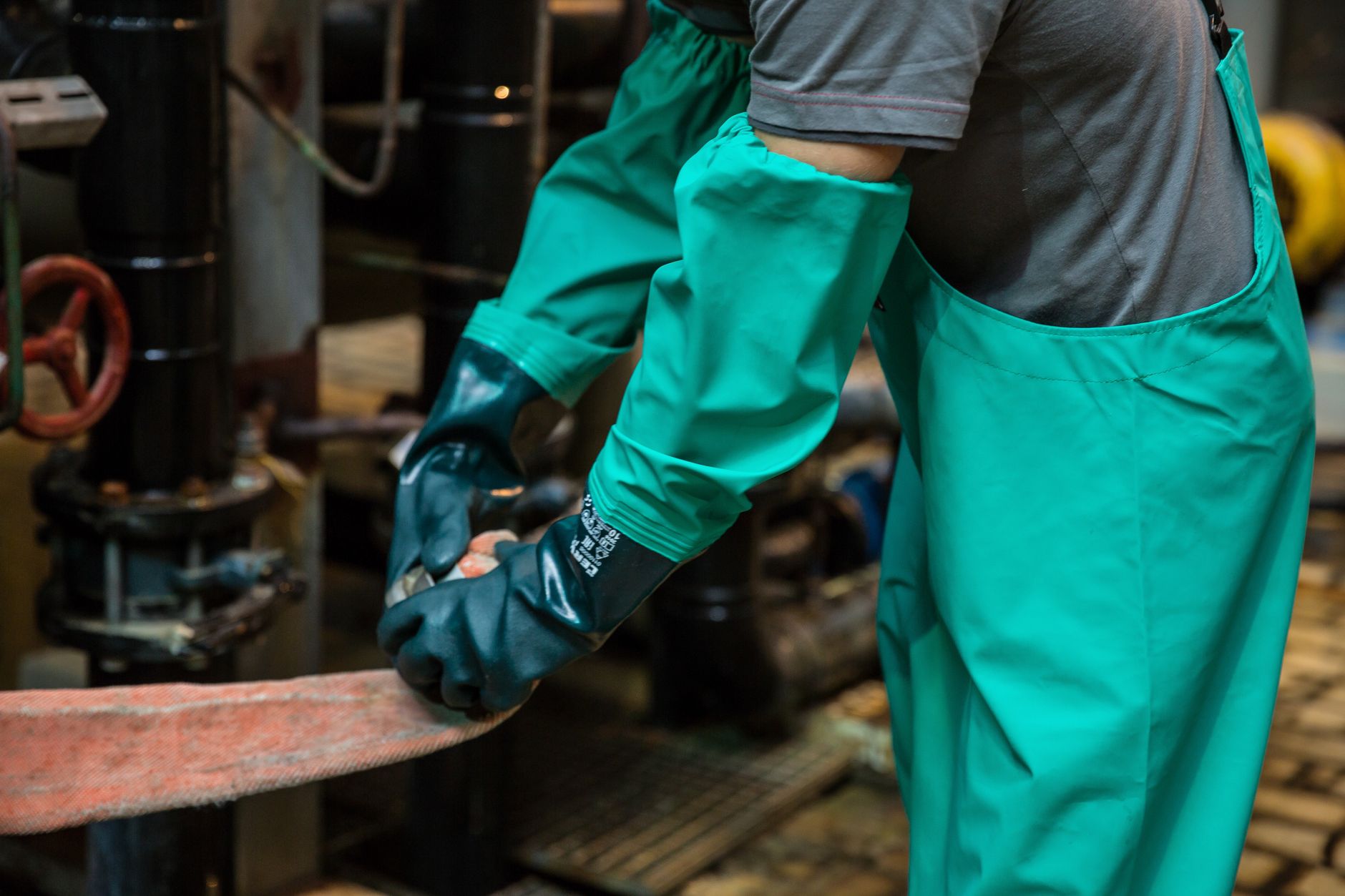
| Hand Protection | Protects against cuts, burns, and chemical exposure. | Gloves, gauntlets |
| Foot Protection | Prevents injuries from heavy objects and slips. | Steel-toe boots, slip-resistant shoes |
| Body Protection | Protects against chemical spills, heat, and sharp objects. | Coveralls, aprons, vests |

Legal and Regulatory Framework Governing PPE Training
Understanding OSHA Regulations
The Occupational Safety and Health Administration (OSHA) sets forth regulations that require employers to provide training on the proper use of personal protective equipment (PPE). Specifically, the OSHA standard for PPE, 29 CFR 1910.132, mandates that employers assess workplace hazards and provide appropriate PPE. Moreover, they must ensure that employees are trained to understand when PPE is necessary, what type is required, how to put it on and take it off, and how to maintain it.
Employers must document training sessions, demonstrating that their workforce is adequately informed about PPE. This documentation can be crucial during inspections or if workplace accidents occur. Failure to comply with OSHA regulations can result in significant penalties for employers, emphasizing the need for a structured training approach.
State-Specific Regulations
While OSHA regulations provide a federal baseline, individual states may have their own laws governing PPE training. For instance, California has its own Division of Occupational Safety and Health (Cal/OSHA) standards which may be more stringent than federal requirements. Employers operating in multiple states must be vigilant about complying with varying regulations, which may include additional training requirements or different types of PPE depending on industry standards.
- State regulations may address specific industries, such as construction or healthcare.
- Employers must stay updated on any changes in state laws.
- Regular audits can help ensure compliance with both federal and state regulations.
The Role of Industry Standards
In addition to OSHA and state regulations, industry-specific standards often dictate PPE training requirements. Organizations such as the National Fire Protection Association (NFPA) or the American National Standards Institute (ANSI) provide guidelines tailored to specific sectors. These standards may outline more detailed training protocols, such as the use of specialized gear for firefighters or healthcare workers dealing with infectious diseases.
Employers in regulated industries should integrate these standards into their training programs to ensure comprehensive coverage of all necessary PPE-related topics. This helps not only in compliance but also in fostering a culture of safety within the organization.
Evaluating the Effectiveness of PPE Training Programs
Assessment Methods
To ensure the effectiveness of PPE training, organizations should employ various assessment methods. These can include written tests, practical demonstrations, and observational assessments. Written tests can gauge theoretical knowledge, while practical demonstrations allow trainers to assess hands-on skills in using PPE correctly.
Observational assessments involve monitoring employees as they perform their tasks while wearing PPE. This method can help identify gaps in training that may not be apparent through tests alone. Regular evaluations can help in refining training programs and addressing challenges that employees face in the field.
- Written tests can cover basic PPE knowledge and regulations.
- Practical demonstrations should focus on correct donning and doffing techniques.
- Observational assessments can highlight real-world application and compliance.
Feedback Mechanisms
Incorporating feedback mechanisms into PPE training programs can significantly enhance their effectiveness. Employees should be encouraged to provide feedback about the training sessions, including content clarity, engagement levels, and practical applicability. This feedback can be collected through surveys, focus groups, or informal discussions.
Additionally, employers can create a culture of open communication, where employees feel comfortable sharing their experiences with PPE in the workplace. This not only helps trainers identify areas that require improvement but also empowers employees to take ownership of their safety.
Continuous Improvement Strategies
Continuous improvement in PPE training is essential for adapting to new technologies, materials, and regulations. Employers should regularly review and update training materials to reflect the latest industry standards and best practices. This may include integrating new instructional techniques, such as online modules or virtual reality simulations, to enhance learning experiences.
Moreover, organizations should schedule periodic refresher courses to reinforce training and keep PPE knowledge fresh in employees’ minds. This can be especially important in industries where new hazards frequently emerge.
- Update training materials annually or as needed.
- Incorporate modern technologies to enrich training delivery.
- Schedule regular refresher courses for all employees.
The Role of Technology in PPE Training
Online Learning Platforms
The advent of online learning platforms has revolutionized PPE training by making it more accessible and flexible. Employers can leverage these platforms to provide comprehensive training modules that employees can complete at their own pace. This is particularly beneficial for organizations with a geographically dispersed workforce or for those who need to train large numbers of employees simultaneously.
Online platforms can include video demonstrations, interactive quizzes, and assessments that provide immediate feedback. This technology not only enhances engagement but also allows for tracking progress and compliance easily.
Virtual Reality (VR) and Augmented Reality (AR)
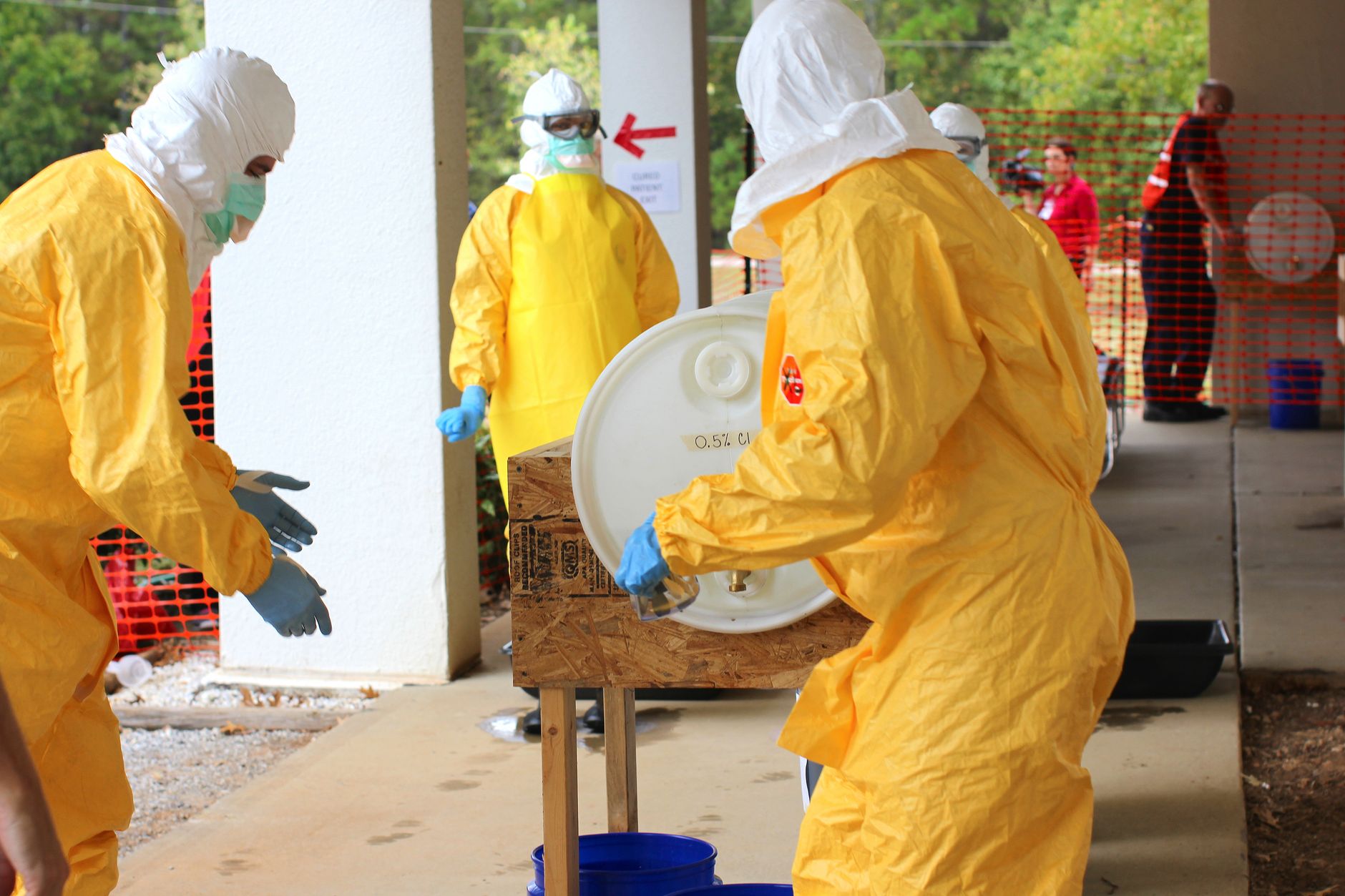
Virtual reality (VR) and augmented reality (AR) offer innovative training solutions that can simulate real-world scenarios. These technologies allow employees to practice donning and doffing PPE in a controlled environment, gaining valuable experience without exposure to actual hazards. VR can recreate emergency situations, providing employees with the opportunity to respond appropriately while wearing PPE.
Moreover, AR applications can provide real-time information and guidance while employees are on the job. For instance, AR can overlay instructions on a user’s field of vision, helping them understand how to use PPE effectively in varying situations.
- Online platforms provide flexibility and accessibility for training.
- VR can simulate high-risk environments for hands-on practice.
- AR offers real-time guidance and support during actual PPE use.
Data Analytics for Training Improvement
Data analytics plays a crucial role in improving PPE training effectiveness. By analyzing training data, employers can identify trends, such as common knowledge gaps or frequent mistakes made by employees during assessments. This information can guide the development of targeted training interventions to address specific issues.
Additionally, organizations can track incident reports related to PPE failures and correlate them with training data. This analysis can highlight whether inadequate training contributed to incidents, allowing employers to refine their programs accordingly.
- Track training completion rates and assessment scores.
- Analyze incident reports to identify training-related issues.
- Utilize data to develop targeted interventions for skill improvement.
Frequently Asked Questions
What is the main purpose of PPE training?
The main purpose of PPE training is to educate employees on how to use protective equipment effectively to minimize exposure to workplace hazards and reduce the risk of injuries.
How often should PPE training be conducted?
PPE training should be conducted regularly, typically annually, and also whenever new equipment is introduced or after an incident occurs that highlights the need for retraining.
Who can conduct PPE training?
PPE training can be conducted by employers, safety officers, or external trainers who have expertise in the subject matter and are familiar with the specific workplace hazards.
What should be included in PPE training sessions?
PPE training sessions should include an overview of workplace hazards, proper usage, maintenance, and storage of PPE, as well as hands-on practice and assessments to ensure understanding.
The Bottom Line
PPE training is a vital component of workplace safety that requires the collaboration of employers, safety officers, and sometimes external trainers. By understanding who is responsible for training workers on the use of ppe, organizations can ensure that their employees are well-informed and equipped to protect themselves from potential hazards. Implementing effective training programs not only reduces the risk of injury but also fosters a culture of safety within the workplace.
Note: This article is for general information only and is not medical advice. See a qualified health professional about your own situation.