Key Takeaways
- Indian food can be nutritious, rich in spices, vegetables, and whole grains.
- Moderation is key, as some dishes can be high in calories and fat.
- Cultural diversity in Indian cuisine offers a wide range of healthy options.
- Consult with a healthcare provider for personalized dietary advice.
When it comes to culinary traditions, few are as vibrant and diverse as Indian cuisine. If you find yourself asking, “Is indian food healthy?”, you’re not alone. Many people are curious about the nutritional value of the dishes that make up this rich heritage. Indian food is known for its variety, flavors, and use of spices, but what does this mean for your health?
Indian cuisine encompasses a wide array of ingredients and cooking methods, making it both delicious and potentially nutritious. However, not all Indian dishes are created equal. In this article, we will explore the health aspects of Indian food, the nutritional benefits of its components, and some tips on how to enjoy it healthily.
From the use of whole grains to the health benefits of traditional spices, we will delve into what makes Indian food a unique option in the world of nutrition. So, let’s answer the question: Is indian food healthy?
Nutritional Components of Indian Cuisine
Indian cuisine is a diverse tapestry of flavors and ingredients, often reflecting the varied geography and culture of the subcontinent. Understanding the key nutritional components can help assess the healthiness of Indian food.
Grains and Carbohydrates
At the heart of many Indian meals are grains, particularly rice and various types of bread such as naan, roti, and paratha. These staples are essential sources of carbohydrates, providing the energy needed for daily activities.
- Whole Grains: Many traditional Indian meals include whole grains, which are higher in nutrients and fiber compared to refined grains. Fiber helps maintain digestive health and can aid in weight management.
- Rice Varieties: While white rice is common, brown rice and other whole grain options are increasingly popular and offer more health benefits, including better blood sugar control.
- Gluten-Free Options: For those avoiding gluten, Indian cuisine offers a plethora of options such as rice, lentils, and chickpea flour, all of which are naturally gluten-free.
Vegetables and Legumes
Vegetables and legumes are staples in Indian cooking and are often featured prominently in various dishes.
- Variety of Vegetables: Dishes like sabzi, which is made with a mix of seasonal vegetables, are not only colorful but also packed with vitamins and minerals.
- Legumes as Protein: Pulses like lentils (dal), chickpeas, and kidney beans are excellent sources of plant-based protein and fiber, making them a great choice for vegetarians and vegans.
- Antioxidant Properties: Many vegetables used in Indian cuisine, such as spinach, tomatoes, and carrots, are rich in antioxidants, which can help protect the body from oxidative stress.
Dairy and Fermented Foods
Dairy is a common ingredient in Indian cooking, often used in the form of yogurt, paneer (cheese), or ghee (clarified butter).
- Yogurt Benefits: Yogurt is not only a good source of calcium but also contains probiotics, which are beneficial for gut health.
- Paneer as Protein: Paneer is a versatile ingredient providing a good source of protein, particularly for vegetarians.
- Ghee vs. Butter: Ghee, often used in Indian cooking, is considered more digestible than regular butter and has a high smoke point, making it suitable for frying.
The Role of Spices in Indian Cuisine
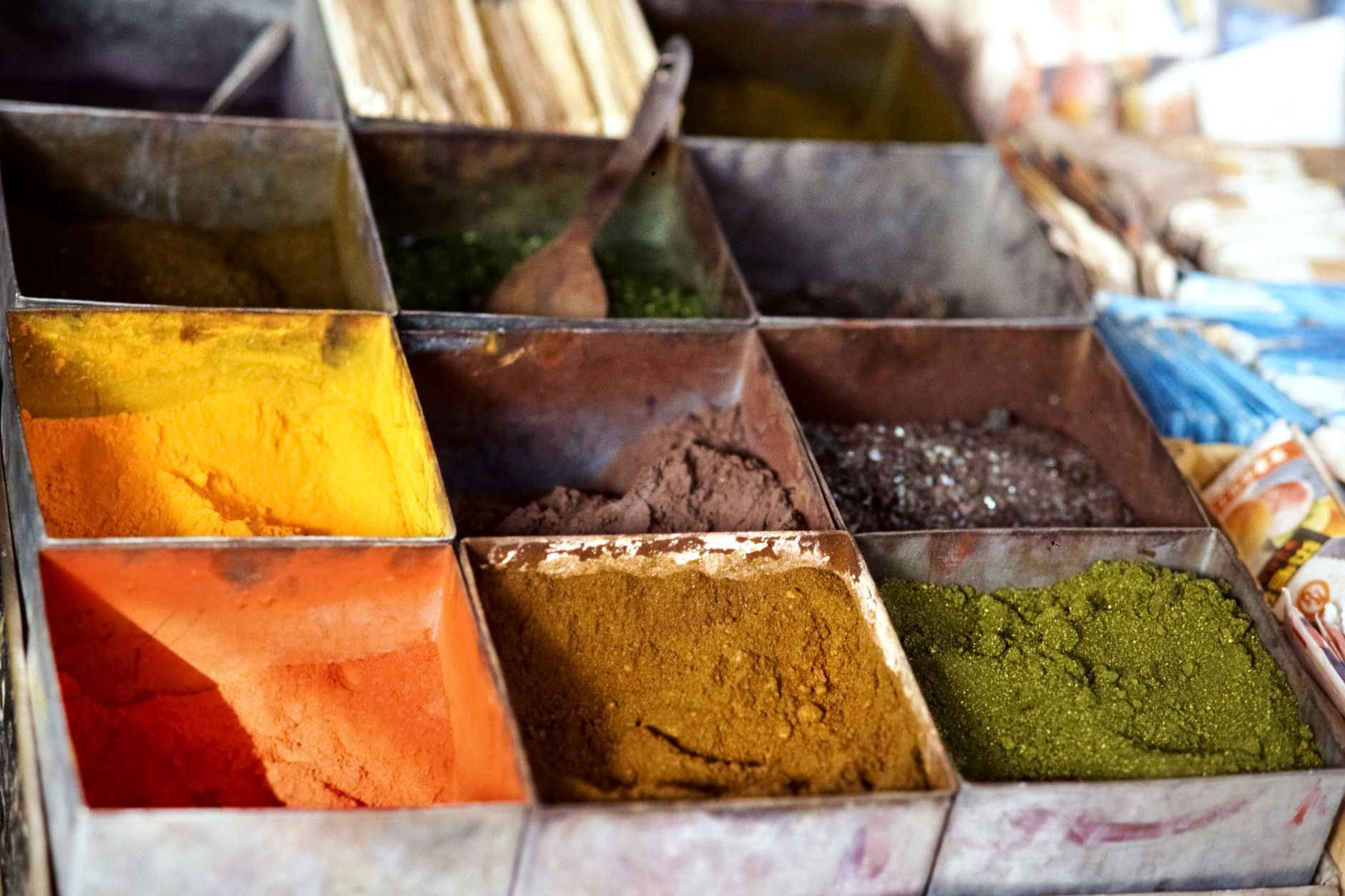
Spices are a defining characteristic of Indian food, not only enhancing flavors but also contributing various health benefits.
Health Benefits of Common Spices
Many spices used in Indian cooking have been studied for their health-promoting properties. Here are some commonly used spices and their potential benefits:
| Spice | Health Benefits |
|---|---|
| Turmeric | Contains curcumin, known for its anti-inflammatory and antioxidant properties. |
| Cumin | May aid digestion and has anti-inflammatory effects. |
| Coriander | Rich in antioxidants and may help lower blood sugar levels. |
| Ginger | Can help with nausea and has anti-inflammatory properties. |
| Cardamom | May aid digestion and has antioxidant properties. |
Spices and Metabolism
Spices can also have a positive effect on metabolism. For example, chili peppers contain capsaicin, which may boost metabolic rate and fat burning. Incorporating these spices into your meals can not only enhance flavor but also support overall health.
However, it’s important to note that the health benefits of spices can diminish when they are used excessively or in combination with unhealthy ingredients, such as excessive oil or sugar.
Potential Drawbacks of Indian Food
While Indian food can be nutritious, there are some potential drawbacks that you should be aware of.
High-Calorie Dishes
Some Indian dishes can be high in calories and fat, especially those that are deep-fried or made with rich sauces.
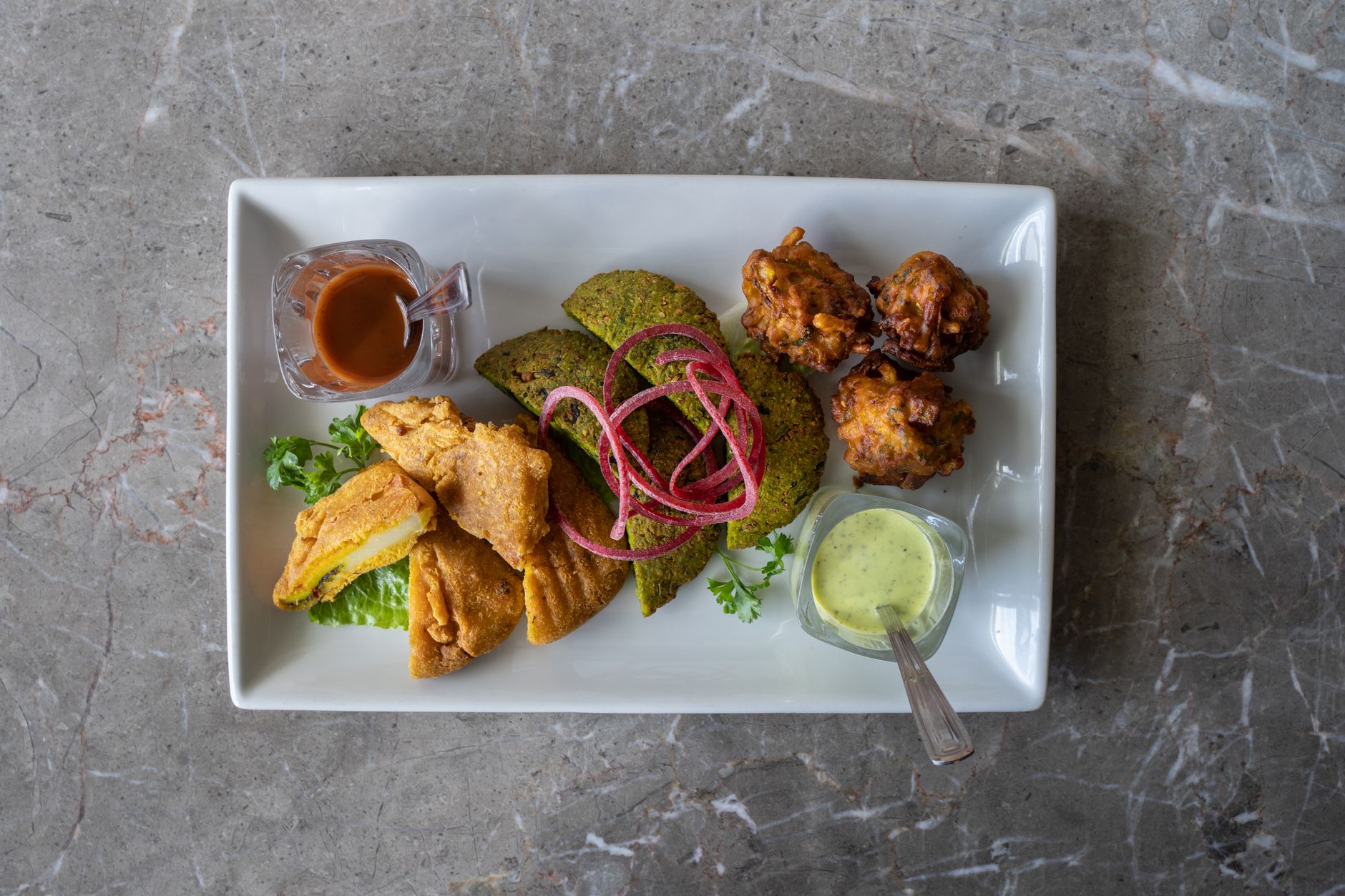
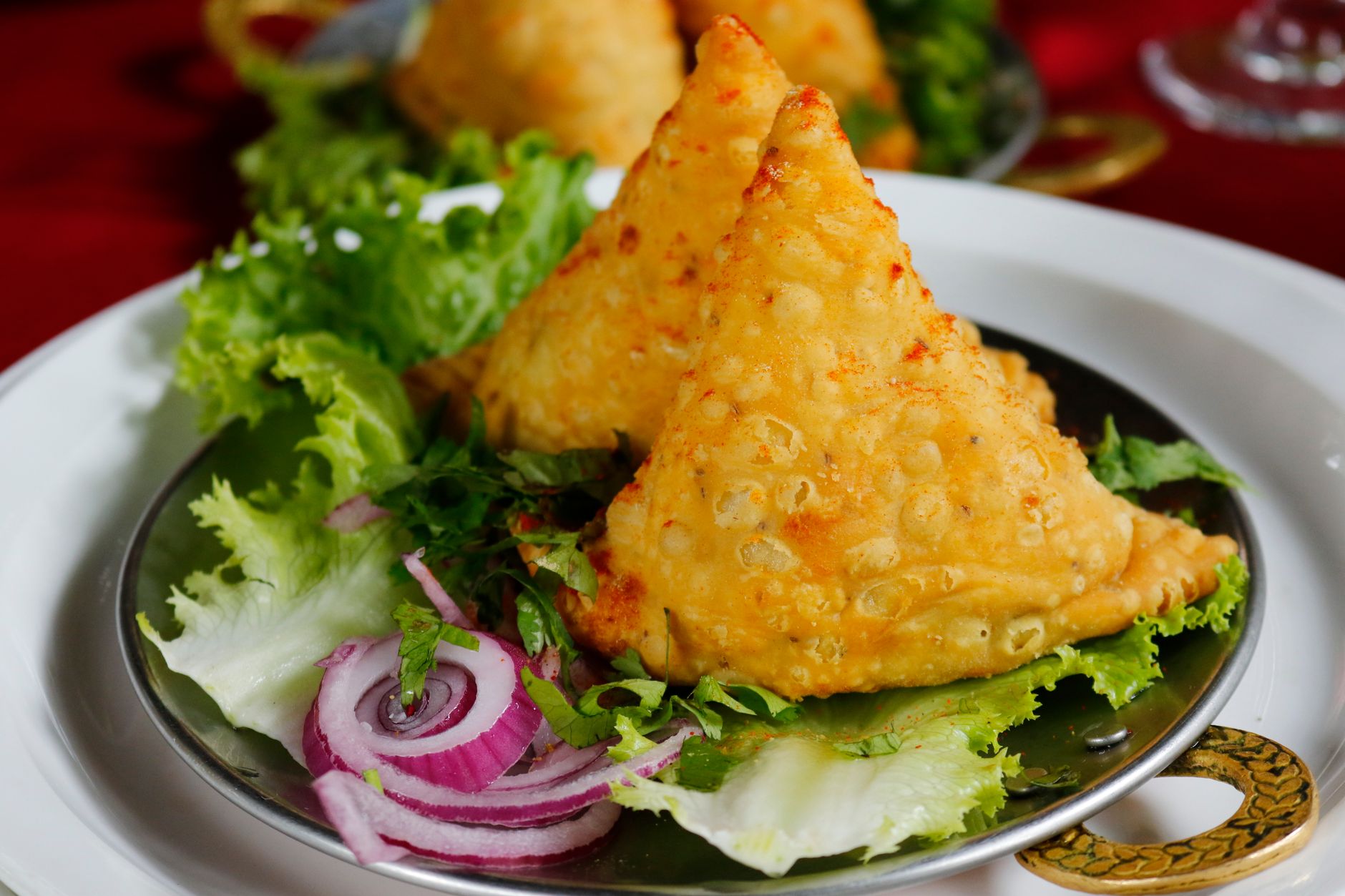
- Fried Snacks: Items like samosas and pakoras are delicious but can be high in calories due to their frying process.
- Rich Curries: Many curries are made with cream or coconut milk, adding extra calories and saturated fat.
- Portion Sizes: Indian meals are often served family-style, which can lead to larger portion sizes and increased calorie intake.
Sugar and Sodium Content
Some Indian dishes, particularly sweets and certain sauces, can be high in sugar and sodium, which may not be suitable for everyone, especially those managing conditions like hypertension or diabetes.
- Sweets: Traditional Indian sweets like gulab jamun and ladoos can be loaded with sugar and should be consumed in moderation.
- Sodium Levels: Many processed Indian foods can contain high levels of sodium, contributing to hypertension if consumed excessively.
Dietary Considerations
When enjoying Indian food, it’s crucial to consider dietary restrictions and health conditions. For instance, individuals with lactose intolerance may need to limit dairy products, while those with gluten sensitivities should opt for gluten-free grains.
Additionally, the use of certain spices may cause gastrointestinal discomfort for some individuals. It’s always best to listen to your body and choose foods that align with your health needs.
How to Enjoy Indian Food Healthily
Enjoying Indian food doesn’t have to compromise your health. Here are some tips to make healthier choices.
Choose Wisely
When dining out or preparing Indian dishes at home, consider these healthier options:
- Opt for Whole Grains: Choose brown rice, whole wheat roti, or other whole grains instead of their refined counterparts.
- Load Up on Vegetables: Select dishes that emphasize vegetables, such as vegetable curries or stir-fries.
- Limit Creamy Sauces: Ask for less cream or coconut milk in curries, or opt for tomato-based sauces instead.
Watch Portion Sizes
Portion control is vital for maintaining a balanced diet. Here are some strategies:
- Share Plates: Sharing dishes with friends or family can help control portion sizes while allowing you to try various options.
- Use Smaller Plates: Serving food on smaller plates can trick your brain into feeling satisfied with smaller portions.
Incorporate Healthy Cooking Methods
When cooking Indian food at home, consider healthier cooking methods:
- Grilling and Baking: Use grilling or baking to prepare proteins instead of frying.
- Steaming Vegetables: Steaming retains nutrients better than boiling, making it a great method for preparing vegetables.
- Use Healthy Oils: Opt for healthier oils like olive oil or avocado oil in moderation instead of ghee or butter.
Regional Variations in Indian Cuisine and Their Health Implications
North Indian Cuisine
North Indian cuisine is characterized by its rich flavors and use of dairy products, such as paneer and yogurt. Dishes like butter chicken and naan are popular but can be high in calories and saturated fats. However, the incorporation of lentils and chickpeas provides significant protein content, making it a balanced option when consumed in moderation.
Key health benefits of North Indian cuisine include:
- Protein-Rich Lentils: Essential for muscle repair and growth.
- Yogurt: Supports gut health through probiotics.
- Spices: Turmeric and cumin, often used, have anti-inflammatory properties.
South Indian Cuisine
South Indian food often emphasizes rice, lentils, and vegetables, making it lighter compared to its northern counterpart. Dishes like dosa and idli are fermented, promoting better digestion and nutrient absorption. Coconut is another prominent ingredient, which provides healthy fats beneficial for heart health.
Important aspects include:
- Fermentation: Enhances nutrient bioavailability and gut health.
- Vegetable Diversity: High fiber content from a variety of vegetables.
- Healthy Fats: Coconut and sesame oil provide omega-3 and omega-6 fatty acids.
Western Indian Cuisine
Western Indian cuisine, particularly from states like Gujarat and Maharashtra, often features vegetarian dishes rich in legumes and grains. Dishes such as dhokla and thepla are steamed or baked, reducing the need for oil. The use of jaggery instead of refined sugar provides a healthier alternative for sweetness.
Health advantages include:
- Low-Calorie Cooking Methods: Steaming and baking reduce fat intake.
- High Fiber: Legumes and whole grains aid digestion and promote satiety.
- Natural Sweeteners: Jaggery offers minerals and fewer calories compared to refined sugar.
The Impact of Cooking Methods on Nutritional Value
Traditional Cooking Techniques
Traditional Indian cooking methods such as steaming, boiling, and sautéing in minimal oil can help retain the nutritional integrity of ingredients. For example, dishes like khichdi, made from rice and lentils, are cooked together, preserving nutrients and enhancing digestibility. These methods usually require less added fat compared to frying, making them healthier choices.
Benefits of traditional cooking methods include:
- Retained Nutrients: Cooking with water helps dissolve vitamins while preventing their loss.
- Flavor Development: Slow cooking enhances the flavor profile without the need for excessive fat.
- Reduced Caloric Impact: Less oil means fewer empty calories in meals.
Modern Adaptations and Health Considerations
With the globalization of Indian cuisine, many dishes have been adapted to suit contemporary tastes, often leading to higher fat and sugar content. For instance, deep-fried items like samosas and pakoras are popular but can be detrimental to health if consumed excessively. Choosing baked or air-fried versions can significantly reduce fat intake.
Consider the following when evaluating modern adaptations:
- Portion Control: Eating smaller portions can help enjoy flavorful dishes without overindulging.
- Ingredient Substitutions: Using whole grains instead of refined flours can improve fiber intake.
- Healthy Cooking Oils: Opt for oils rich in unsaturated fats, such as olive or canola oil.
Influence of Meal Presentation
Meal presentation can also affect the perceived healthiness of a dish. Vibrant colors and diverse textures can make meals more appealing and encourage the consumption of a wider variety of nutrients. For example, a thali that includes various vegetables, grains, and proteins is not only visually appealing but also ensures a balanced intake of macro and micronutrients.
Benefits of diverse meal presentation include:
- Visual Appeal: Colorful plates may promote healthier eating habits.
- Balanced Nutrition: A variety of foods ensures a wide range of nutrients.
- Mindful Eating: Taking the time to appreciate presentation can enhance eating experiences and satisfaction.
Understanding Vegetarianism and Veganism in Indian Cuisine
The Vegetarian Tradition
Indian cuisine is renowned for its vegetarian options, largely due to cultural and religious beliefs. Many dishes are carefully crafted to provide balanced nutrition without meat. Ingredients like legumes, dairy, and a variety of vegetables ensure adequate protein, vitamins, and minerals.
Key vegetarian sources include:
- Legumes: Lentils, chickpeas, and beans are excellent protein sources.
- Whole Grains: Basmati rice and whole wheat chapati provide essential carbohydrates.
- Dairy Products: Yogurt and paneer contribute calcium and probiotics.
Vegan Options in Indian Cuisine
As veganism gains popularity, many Indian dishes can easily be adapted to fit a vegan diet. Traditional recipes can substitute dairy with plant-based alternatives, ensuring that vegans can enjoy the rich flavors of Indian cuisine. Dishes like chana masala and vegetable biryani are inherently vegan and packed with nutrients.
Consider these vegan-friendly ingredients:
- Coconut Milk: A creamy alternative for curries.
- Tofu: A versatile protein source that can be used in many dishes.
- Plant-Based Yogurt: Available in various flavors for dressings and dips.
Balancing Nutritional Needs
For both vegetarians and vegans, it’s crucial to ensure that meals are nutritionally balanced. This can be achieved by combining different food groups to meet essential nutrient needs. Pairing grains with legumes can provide complete proteins, while the inclusion of a variety of vegetables ensures a range of vitamins and minerals.
Strategies for balanced vegetarian and vegan meals include:
- Combining Proteins: Mixing legumes with grains or seeds.
- Colorful Plates: Ensuring a variety of vegetables for a broad nutrient profile.
- Supplementation: Considering B12 supplements for strict vegans.
Frequently Asked Questions
Is all Indian food unhealthy?
No, not all Indian food is unhealthy. Indian cuisine includes many nutritious options, such as dishes rich in vegetables, legumes, and whole grains. However, some dishes can be high in calories, fat, or sugar, so it’s important to choose wisely.
What are some healthy Indian dishes?
Healthy Indian dishes include chana masala (chickpeas), dal (lentils), vegetable curry, tandoori chicken, and salads made with fresh vegetables. These options are generally lower in calories and higher in nutrients.
Can I eat Indian food while on a diet?
Yes, you can eat Indian food while on a diet. Focus on portion control and opt for healthier dishes, such as those rich in vegetables and lean proteins. Avoid overly rich and fried foods.
Are there any allergens in Indian food?
Indian cuisine can contain common allergens such as gluten (in wheat-based breads), dairy (in yogurt and paneer), and nuts (in certain dishes). Always check with the chef or restaurant staff about ingredients if you have food allergies.
The Bottom Line
In summary, the question, “Is indian food healthy?” depends largely on the choices you make. Indian cuisine can be incredibly nutritious, offering a wide variety of vegetables, whole grains, and health-promoting spices. However, it’s essential to be mindful of portion sizes and the ingredients used in preparation. With some thoughtful choices, you can enjoy the rich flavors of Indian food while maintaining a healthy diet.
Note: This article is for general information only and is not medical advice. See a qualified health professional about your own situation.