





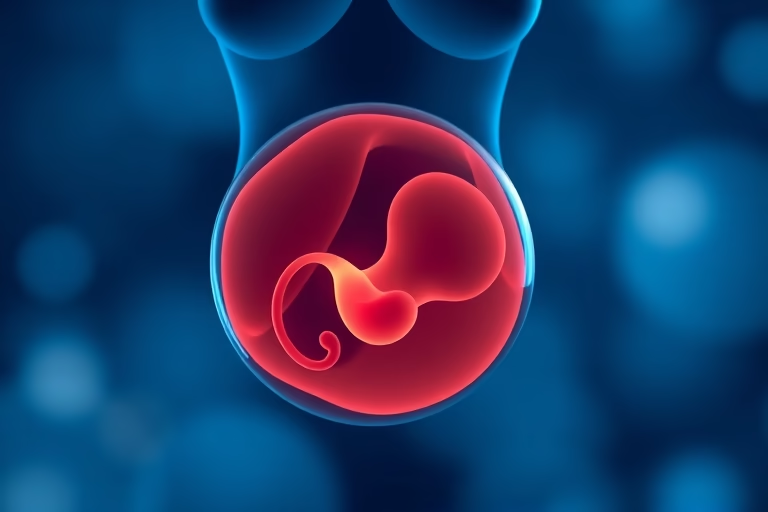
We will be talking about IVF chemical pregnancy. A chemical pregnancy is a term used in fertility circles to describe a very early miscarriage that occurs soon after implantation. In cases of in vitro fertilization (IVF), this refers to a situation where a fertilized egg implants in the uterine lining, resulting in a positive pregnancy test, yet fails to develop further. This means that despite initial confirmation of pregnancy through hormone levels or ultrasound, the embryo does not progress, leading to a subsequent loss. Chemical pregnancies are usually detected through blood tests or home pregnancy tests, which show positive results but may not lead to the continued development of an embryo. Many women experience this type of loss without realizing they were pregnant since it can happen before any significant symptoms appear. This highlights the sensitivity and complexity of reproductive health, particularly for individuals undergoing assisted reproductive technology such as IVF.
Understanding chemical pregnancies is essential as they are fairly common, especially in IVF procedures, and they can cause emotional distress for those trying to conceive. Research shows that chemical pregnancies account for a significant percentage of early pregnancy losses, often related to chromosomal abnormalities or other health factors affecting the embryo’s viability. While chemical pregnancies can be disheartening, they can also indicate that pregnancy is possible, as it confirms that fertilization and implantation have occurred. However, for those undergoing IVF, navigating the complexities associated with chemical pregnancies is crucial for emotional and physical wellbeing.
Understanding IVF Chemical Pregnancy
A chemical pregnancy typically occurs when an embryo implants but fails to grow, ending in a very early miscarriage. This may result in a faintly positive test result that shortly transitions to negative. The experience can be confusing for those involved in IVF, as they may have believed they were pregnant due to the initial positive test. Understanding the underlying biology of chemical pregnancies can help individuals process their experiences and determine next steps with their healthcare providers. Hormonal levels such as hCG, which detect pregnancy, may rise briefly yet fall soon after, indicating that while a conception event occurred, successful development did not follow. Accurate diagnosis often requires monitoring blood hormone levels and ultrasounds to assess the health of an embryo.
Common causes of chemical pregnancies include chromosomal abnormalities, discrepancies in hormonal balance necessary for embryo survival, or health issues that the mother may have. Women with a history of recurrent miscarriages or hormonal disorders might be at a higher risk. Various lifestyle factors can also play a role, including nutrition, smoking habits, and overall health. It is vital for anyone undergoing IVF treatment to discuss concerns about chemical pregnancies with their healthcare provider, who can provide insights and strategies for optimizing future attempts at conception.
Causes of Chemical Pregnancy
Understanding the causes behind chemical pregnancies can provide meaningful insights. Often, the majority of chemical pregnancies are associated with chromosomal abnormalities. When a sperm fertilizes an egg, genetic material combines, and if there is a complication during cell division, the embryo can develop with errors in chromosomes. These abnormalities can result in the body’s natural response to terminate the pregnancy at an early stage. Extras such as maternal age is a significant factor; women over 35 may show higher rates of chromosomal issues, leading to a greater prevalence of chemical pregnancies.
In addition to chromosomal errors, an impending chemical pregnancy may relate to hormonal imbalances. Healthy levels of estrogen and progesterone are essential for maintaining a viable pregnancy, and deficiencies can prevent embryos from developing appropriately, leading to a chemical pregnancy. Any underlying uterine conditions such as fibroids or endometriosis can likewise affect the environment of the uterus negatively, further complicating the health of an embryo.
Lifestyle choices also play a crucial role. Factors like smoking, excessive alcohol consumption, and obesity may increase risk. Stress levels and even age can add more complexity to the mix, thus necessitating a holistic approach towards health. Experts recommend evaluating these lifestyle factors as individuals prepare for IVF treatments, as optimizing overall well-being may help mitigate risks associated with chemical pregnancies.
Symptoms of Chemical Pregnancy
Recognizing the symptoms of a chemical pregnancy is crucial for any woman undergoing IVF. In many instances, the defining symptom is a positive pregnancy test followed by the arrival of an early period shortly after. Since the embryo develops very little during a chemical pregnancy, women often report few if any symptoms of pregnancy, which can lead to confusion.
Some women may experience slight cramping or bleeding akin to a normal menstrual cycle. Nevertheless, the absence of typical pregnancy symptoms—such as morning sickness or noticeable hormonal changes—can signal that a chemical pregnancy has occurred. Monitoring hormone levels through blood tests can provide additional clarity following a positive home test.
Given that chemical pregnancies often appear indistinguishable from an ordinary menstrual cycle to those not observing closely, it is important that women engaged in IVF take note of their symptoms and maintain communication with their healthcare providers. Early interventions guided by professional insight might help clarify any concerns stemming from these experiences.
How to Diagnosis Chemical Pregnancy
Diagnosing a chemical pregnancy requires a thorough understanding of reproductive health monitoring. After a positive home pregnancy test, a healthcare provider may recommend a series of blood tests to measure the levels of human chorionic gonadotropin (hCG). A rising hCG level typically indicates a normal pregnancy, while a declining level suggests a chemical pregnancy. As hCG tends to be detected in the bloodstream within a week after implantation, timing plays a crucial role in diagnosis.
In IVF practices, doctors often manage these diagnostics. If hCG levels do not rise adequately within 48 hours, it can raise suspicion for chemical pregnancy or ectopic pregnancies, prompting further evaluation through ultrasounds. The insight gained from such tests can form a solid understanding of the cause of the pregnancy loss, allowing for informed conversations about subsequent attempts at conception.
Additionally, monitoring the timeline from the initial IVF procedure can provide valuable context towards diagnosing a chemical pregnancy compared to expected norms for viable pregnancies.
Emotional Impact of Chemical Pregnancy
The emotional toll of experiencing a chemical pregnancy can be significant. For many women undergoing IVF, the journey to conception is already filled with emotional highs and lows. The initial positive pregnancy test often brings hope and excitement, only to be followed by disappointment and grief upon learning that the pregnancy is not viable. Recognizing that feelings of loss and sadness are valid is essential for coping mechanisms in the aftermath of a chemical pregnancy.
Women may find themselves grappling with a range of emotions, from anger and guilt to profound sadness. Support networks, such as friends, family, or counseling services, can provide spaces for expressing these complex feelings. Engaging in open conversations about grief can help women understand they are not alone in their experiences.
Moreover, fostering self-care habits and seeking help from mental health professionals can serve essential to process these feelings effectively. Practices like mindfulness, meditation, or attending support groups for individuals experiencing similar challenges can help improve emotional well-being, providing avenues for healing.
Future Considerations After a Chemical Pregnancy
After a chemical pregnancy, many women wonder what the future may hold for their fertility journey. It is crucial to recognize that chemical pregnancies can occur without compromising future fertility chances. In fact, having one may indicate that implantation is possible. However, consulting with a healthcare provider for personalized advice on the next steps is necessary.
Exploring potential underlying causes—such as hormonal imbalances, uterine conditions, or genetic factors—should be prioritized in subsequent cycles. A comprehensive evaluation may help guide strategies for improving reproductive health in preparation for future IVF attempts. This could include targeted lifestyle modifications and supplements to support hormonal health.
Additionally, setting realistic expectations for future attempts and maintaining communication with healthcare professionals helps build a supportive approach. Patience is vital for navigating the emotional and physical aspects of IVF treatments. Learning more about one’s body—understanding the timing of cycles and hormonal shifts—can empower individuals as they continue their paths toward family building.
Final Thoughts
In summary, IVF chemical pregnancy is an important concept that highlights the complexities of pregnancy, particularly for those dealing with infertility issues. Understanding its definition, causes, symptoms, diagnosis, emotional impacts, and further considerations can help men and women navigate this challenging experience. The realization that chemical pregnancies are frequent provides some comfort to those engaged in assisted reproductive technology, as it may indicate potential for pregnancy despite early loss.
Recognizing when to seek medical advice, fostering support networks, and being proactive about health and well-being are essential elements of successfully managing the unique challenges associated with chemical pregnancies. Engaging with healthcare professionals, as well as accessing emotional support, can help individuals cope with the emotional ramifications of these experiences. Anyone undergoing IVF should heed their feelings, ensure they’re well-informed, and pursue the care necessary for fostering their reproductive health. Every journey to parenthood is unique, and addressing the landscape of IVF chemical pregnancy provides the necessary knowledge for hopeful futures.
Frequently Asked Questions
- What is the difference between a chemical pregnancy and a regular pregnancy?
A chemical pregnancy occurs very early in pregnancy when a fertilized egg implants but fails to develop, resulting in a positive test followed by a negative one. In contrast, a regular pregnancy continues past early implantation and begins developing into a fetus.
- Can you have a chemical pregnancy after a successful IVF?
Yes, it is possible to have a chemical pregnancy even after a successful IVF cycle. It may indicate that the embryo implanted momentarily but did not develop properly. This situation does not necessarily affect future attempts.
- How often do chemical pregnancies occur in IVF?
Chemical pregnancies are relatively common in IVF, occurring in a significant percentage of cycles. Although precise statistics vary, many healthcare professionals note that they can account for up to 30% of early losses.
- Is a chemical pregnancy a sign of infertility?
Not necessarily. A chemical pregnancy does not indicate that a person is infertile. It suggests that fertilization has occurred, which is a positive sign. Couples experiencing such losses should consult their healthcare provider for evaluation.
- What should I do after having a chemical pregnancy?
After experiencing a chemical pregnancy, it is advisable to consult with your healthcare provider to discuss potential next steps. Considerations for your health, future IVF cycles, and emotional well-being should be addressed in these discussions.
Further Reading
What Type of Psychotherapy Is Best for Anxiety?