





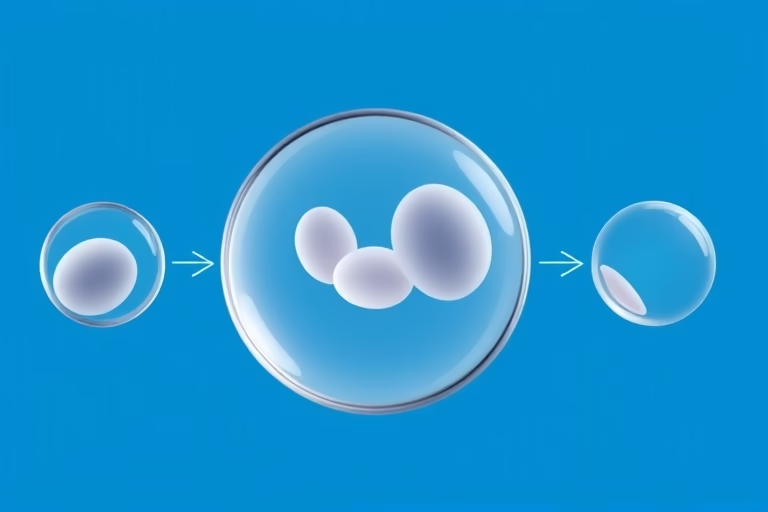
In this article, we will be talking about the IVF with donor egg process step by step. In vitro fertilization (IVF) with donor eggs is a fertility treatment used primarily by women who cannot use their own eggs due to age, medical conditions, or genetic disorders. This method involves retrieving eggs from a donor and fertilizing them with sperm in a laboratory setting. The resulting embryos are then transferred into the intended mother’s uterus, offering a pathway to achieve pregnancy when other options may not be viable. Understanding the detailed process is essential for anyone considering this option. In the following sections, we will examine each step of the process while addressing common concerns and questions.
Understanding IVF with Donor Eggs
IVF with donor eggs is a highly effective reproductive technology designed to assist individuals or couples facing challenges in conceiving. This process involves several stages. The first step is selecting a suitable egg donor. The selection can be based on various factors, including physical characteristics, ethnicity, and medical history. Once a donor is chosen, the eggs are retrieved and prepared for fertilization with sperm from the intended father or a designated sperm donor.
Following fertilization, the embryos develop in a controlled laboratory for several days before the best candidate(s) are selected for transfer to the recipient’s uterus. This method allows individuals or couples to have a chance at pregnancy without using their own eggs. It is important to understand that while the process is scientifically advanced, emotional and psychological support throughout the journey can be beneficial.
Step 1: Choosing an Egg Donor
The journey of IVF with donor eggs begins with selecting an appropriate donor. This choice plays a crucial role in the success of the process. Prospective parents often rely on fertility clinics that provide databases of potential donors. Criteria for selection may include:
- Genetic health: Evaluating the donor’s medical history and potential hereditary conditions.
- Physical characteristics: Height, weight, eye color, and hair color are typically considered.
- Ethnicity: Some families prefer donors who share similar cultural or ethnic backgrounds.
- Age: Younger donors are often preferred due to better egg quality.
It is also possible to select an anonymous donor or one who is known to the recipient. The decision process can be emotional and requires careful consideration. Engaging with a counselor or fertility specialist can be immensely helpful during this stage.
Step 2: Synchronizing Cycles
Once a donor is selected, the next step involves synchronizing the menstrual cycles of both the donor and the recipient. This synchronization is essential for the timing of egg retrieval and embryo transfer.
Typically, hormonal medications are utilized to achieve this synchronization. The donor undergoes ovarian stimulation, where medications encourage the ovaries to produce multiple eggs. Close monitoring through ultrasound and blood tests is necessary to ensure the donor’s response to the medications is appropriate.
The recipient will also take medications during this period to prepare her uterine lining, making it conducive for embryo implantation. Successful synchronization increases the chances of a successful pregnancy.
Step 3: Egg Retrieval and Fertilization
When the eggs are deemed ready, the egg retrieval procedure takes place. This minor surgical procedure is typically performed under sedation and involves using a thin needle guided by ultrasound to extract the mature eggs from the ovaries.
Following retrieval, the eggs are placed in a culture dish and fertilized with sperm from the intended father or donor sperm. In many cases, intracytoplasmic sperm injection (ICSI) is employed, where a single sperm is injected directly into an egg, enhancing fertilization chances.
After fertilization, the embryos will progress through several developmental stages while being monitored in the lab. The best-quality embryos are selected for transfer into the uterus.
Step 4: Embryo Transfer
Embryo transfer is a crucial part of the IVF with donor egg process. This simple procedure involves placing one or more embryos into the recipient’s uterus. It is typically performed using a thin catheter, and no sedation is required.
Once the embryos are transferred, the recipient will continue to take hormonal medications to support the uterine lining and improve the chances of embryo implantation. The timing of a follow-up pregnancy test will be determined based on the timing of the embryo transfer.
It is worth noting that not all embryos will implant successfully, so it may take multiple cycles to achieve a pregnancy successfully. Following the transfer, emotional and physical rest is recommended for the best outcomes.
Step 5: Managing the Emotional Journey
The IVF with donor egg process can bring about a wide range of emotions. Anxiety, excitement, and uncertainty about the results are common feelings experienced by individuals and couples undergoing this journey.
Support is vital during this time. Engaging in counseling or support groups can provide comfort and assistance in navigating the emotional complexities of the process. Learning about coping strategies and stress management techniques can also be beneficial and can help maintain a positive outlook throughout the journey.
Final Thoughts
The IVF with donor egg process step by step is an intensive but rewarding journey for those hoping to conceive a child. It involves multiple stages, including selecting an egg donor, synchronizing cycles, egg retrieval, fertilization, and embryo transfer. Each of these stages is crucial for the overall success of the process. Understanding each step can help manage expectations and prepare individuals or couples for the emotional and physical aspects of treatment.
It is essential for anyone considering this path to talk openly with their fertility specialists and emotional support resources. With the right guidance and support, many individuals and couples find success and fulfillment through IVF with donor eggs. Every journey will vary, but awareness and preparation can help ease the transitions along the way.
Frequently Asked Questions
Q1: How do I choose the right egg donor?
A1: Choosing an egg donor involves considering factors such as genetic health, physical characteristics, ethnicity, and personal preferences. Consulting a fertility specialist can help guide you through this process.
Q2: What if the embryo transfer does not result in pregnancy?
A2: If the embryo transfer does not result in pregnancy, it’s advisable to meet with your fertility specialist to discuss the next steps. It may involve additional cycles of treatment or exploring alternative options.
Q3: Can I use a known donor instead of an anonymous one?
A3: Yes, many individuals and couples choose to work with known donors. Make sure to consider the legal and emotional implications of using a known donor.
Q4: How many embryos should be transferred during a single cycle?
A4: The number of embryos transferred is based on several factors, including the age of the recipient and the quality of the embryos. It’s essential to discuss this thoroughly with your fertility specialist.
Q5: How long does the overall IVF with donor egg process take?
A5: The overall process can take several weeks to months, including preparation, ovarian stimulation, egg retrieval, fertilization, and embryo transfer. Be sure to consult your fertility clinic for specific timelines regarding your circumstances.
Further Reading
What Type of Psychotherapy Is Best for Anxiety?