Key Takeaways
- Sinus infections can cause pressure and pain around the eyes.
- Swelling, redness, and tearing are common side effects of sinusitis.
- Vision changes or severe pain require immediate medical attention.
- Most sinus issues are viral and resolve with rest and home care.
Understanding Sinus Infection in Eyes Symptoms
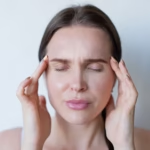
When you feel a deep, throbbing pressure behind your eyes, you might wonder if it is related to your sinuses. Researching sinus infection in eyes symptoms is a common step for many people experiencing discomfort during a cold or seasonal allergy flare-up. While your eyes are not directly part of the sinus cavities, the proximity of the ethmoid sinuses to the eye sockets means that inflammation can easily affect your vision and comfort.
A sinus infection, or sinusitis, occurs when the tissues lining your sinuses become inflamed or swollen. Because these air-filled pockets are located near your nose, cheeks, and eyes, the pressure buildup often radiates outward. Understanding how this process works can help you distinguish between standard sinus pressure and more serious conditions that might require professional medical intervention.
It is important to remember that while sinus-related eye discomfort is usually temporary and manageable, your eyes are delicate organs. This guide provides general information to help you identify when symptoms are typical of a sinus infection and when you should seek professional advice from a healthcare provider or an ophthalmologist.
How Sinusitis Affects Your Eyes
The human skull is designed with several sets of sinuses, which are hollow spaces filled with air. The ethmoid sinuses are located right between your eyes, near the bridge of your nose. When these specific sinuses become blocked due to infection or allergies, they cannot drain properly. This trapped fluid creates pressure that presses against the surrounding structures, including the bony walls of your eye sockets.
This pressure does not just cause pain. It can also lead to secondary symptoms that affect the appearance and function of your eyes. Because the nerves serving the sinus area are closely linked to those serving the eyes, your brain may interpret the sinus inflammation as eye pain. This is a classic example of referred pain, where the source of the problem is in one location, but the sensation is felt elsewhere.
In addition to pressure, the inflammation can cause the blood vessels around the eyes to dilate, leading to redness. You might also notice that your eyes feel heavy or that you have difficulty focusing. These sensations are rarely permanent, but they can be quite distracting and uncomfortable during the duration of your illness.

Common Sinus Infection in Eyes Symptoms
If you are suffering from a sinus infection, you may notice several distinct physical changes around your ocular area. These symptoms typically appear alongside other signs of sinusitis, such as a runny nose, congestion, or a sore throat. Recognizing these patterns is key to understanding the root cause of your discomfort.
- Pressure behind the eyes: This is often described as a dull, constant ache that feels like it is located deep in the socket.
- Swelling of the eyelids: Inflammation in the ethmoid sinuses can cause the soft tissues around the eyes to appear puffy, especially upon waking.
- Increased tearing: If the drainage pathways are blocked, your eyes may produce excess tears as a natural response to irritation.
- Redness or bloodshot eyes: Mild irritation can occur, making the whites of your eyes look pink or red.
- Sensitivity to light: Intense sinus pressure can occasionally make bright lights feel uncomfortable or aggravating.
Comparing Sinus Pain to Other Eye Conditions
It is easy to mistake sinus pressure for other common eye conditions. For example, eye strain from prolonged screen use can create similar feelings of fatigue and dull aching. However, eye strain is usually relieved by resting your eyes, whereas sinus-related pain tends to persist regardless of whether you are looking at a screen or resting.
Allergies are another common culprit. Seasonal allergies often cause itchy, watery eyes that are distinct from the heavy, pressure-filled sensation of a sinus infection. If your eyes are primarily itchy, it is more likely an allergic reaction than a bacterial or viral sinus infection. The following table helps summarize the differences between these common triggers.
| Symptom | Sinus Infection | Eye Strain | Allergies |
|---|---|---|---|
| Primary Sensation | Deep pressure | Tiredness or burning | Itching |
| Location | Behind the eyes | Surface of the eyes | Surface of the eyes |
| Duration | Days to weeks | Hours | Seasonal or constant |
| Associated Signs | Congestion, fever | Headache | Sneezing, runny nose |

When to Seek Medical Attention
While most sinus infections resolve on their own with rest, hydration, and over-the-counter support, there are times when you should not wait to see a doctor. If you experience a sudden change in your vision, such as blurriness, double vision, or a loss of sight, you should seek medical care immediately. These are not typical symptoms of a standard sinus infection and could indicate a more serious underlying issue.
Additionally, if the swelling around your eyes becomes severe, or if you develop a high fever, a stiff neck, or extreme confusion, please consult a healthcare professional right away. These signs can sometimes indicate that an infection has spread from the sinus cavity into the surrounding tissues, which requires prompt medical evaluation and potential treatment.
Always trust your instincts. If you feel that your symptoms are worsening despite home care, or if you simply feel concerned about the state of your vision, it is better to be evaluated by a professional. A doctor can perform a physical examination to rule out more serious complications like orbital cellulitis, which is a rare but serious infection of the tissues surrounding the eye.
Home Management and Comfort Measures
Managing the symptoms of a sinus infection at home focuses on reducing inflammation and encouraging proper drainage. Staying well-hydrated is one of the most effective ways to thin the mucus in your sinuses, which in turn helps reduce the pressure buildup behind your eyes. Aim to drink plenty of water, herbal tea, or clear broths throughout the day.
Using a humidifier in your bedroom can also prevent your nasal passages from drying out, which helps maintain clear drainage. Keeping your head elevated while sleeping by using an extra pillow can prevent fluid from pooling in your sinuses, which often helps reduce the puffiness you might notice under your eyes in the morning.
Over-the-counter options such as saline nasal rinses are highly effective at flushing out irritants and mucus from the nasal passages. By keeping the nasal passages clear, you reduce the pressure that is being exerted on the ethmoid sinuses, providing relief for your eyes. Always follow the instructions on the packaging or consult a pharmacist if you have questions about how to use these devices safely.

The Role of Environment and Lifestyle
Your environment plays a significant role in how often you experience sinus issues. Dry air, smoke, and air pollution can irritate the delicate linings of your nasal passages, leading to inflammation that eventually affects your eye comfort. Identifying and avoiding these triggers is a proactive way to maintain sinus health.
If you live in a climate with high levels of pollen or dust, keep your windows closed during peak allergy seasons and use an air purifier to keep your indoor air clean. Regularly changing the air filters in your home can also significantly reduce the number of allergens circulating in your living space, which can prevent the cycle of sinus inflammation from starting.
Lifestyle choices, such as avoiding smoking and limiting exposure to secondhand smoke, are also vital. Smoke is a potent irritant that causes the tissues in your nose and sinuses to swell, which directly contributes to the pressure behind the eyes. By maintaining a clean, humidified environment and avoiding known irritants, you can significantly reduce the frequency of your sinus troubles.
Frequently Asked Questions
Can a sinus infection cause permanent eye damage?
In the vast majority of cases, a sinus infection does not cause permanent eye damage. The pressure and discomfort are temporary and usually resolve as the infection heals. However, if an infection is left untreated and spreads to the area around the eye, it can lead to complications that require medical attention. Prompt treatment is the best way to prevent any long-term issues.
How do I know if my eye pain is from sinuses or something else?
Sinus-related eye pain is typically accompanied by other sinus symptoms like nasal congestion, facial tenderness, or a post-nasal drip. If your eye pain is isolated and occurs without any respiratory symptoms, it may be due to other factors like eye strain, dry eyes, or a vision-related issue. If you are unsure, a visit to your doctor can provide a definitive diagnosis.
Should I use eye drops for sinus eye pain?
Standard lubricating eye drops may provide temporary relief for surface dryness or irritation, but they will not treat the underlying sinus inflammation. If you are experiencing significant eye discomfort, it is better to address the sinus pressure directly through hydration, steam, or nasal irrigation. Consult a doctor before using medicated eye drops, as they are often intended for specific conditions like allergies or infections.
How long do sinus-related eye symptoms last?
Most viral sinus infections resolve within seven to ten days. If your eye symptoms persist beyond two weeks or if you notice your condition getting worse after initially improving, you should see a healthcare provider. This could indicate a bacterial infection that might require further medical treatment.
The Bottom Line
Dealing with a sinus infection can be an exhausting experience, and the added discomfort around your eyes often makes it feel worse. By understanding that these symptoms are typically caused by the proximity of your sinuses to your eyes, you can take practical steps to manage the pressure and focus on recovery. Remember to prioritize rest, stay hydrated, and keep your nasal passages clear to help your body heal naturally. While most sinus issues are minor and temporary, always listen to your body and reach out to a healthcare professional if your symptoms are severe, persistent, or accompanied by changes in your vision. Your health and comfort are the priority, and there is no harm in seeking a professional opinion to ensure you are on the right path to feeling better.