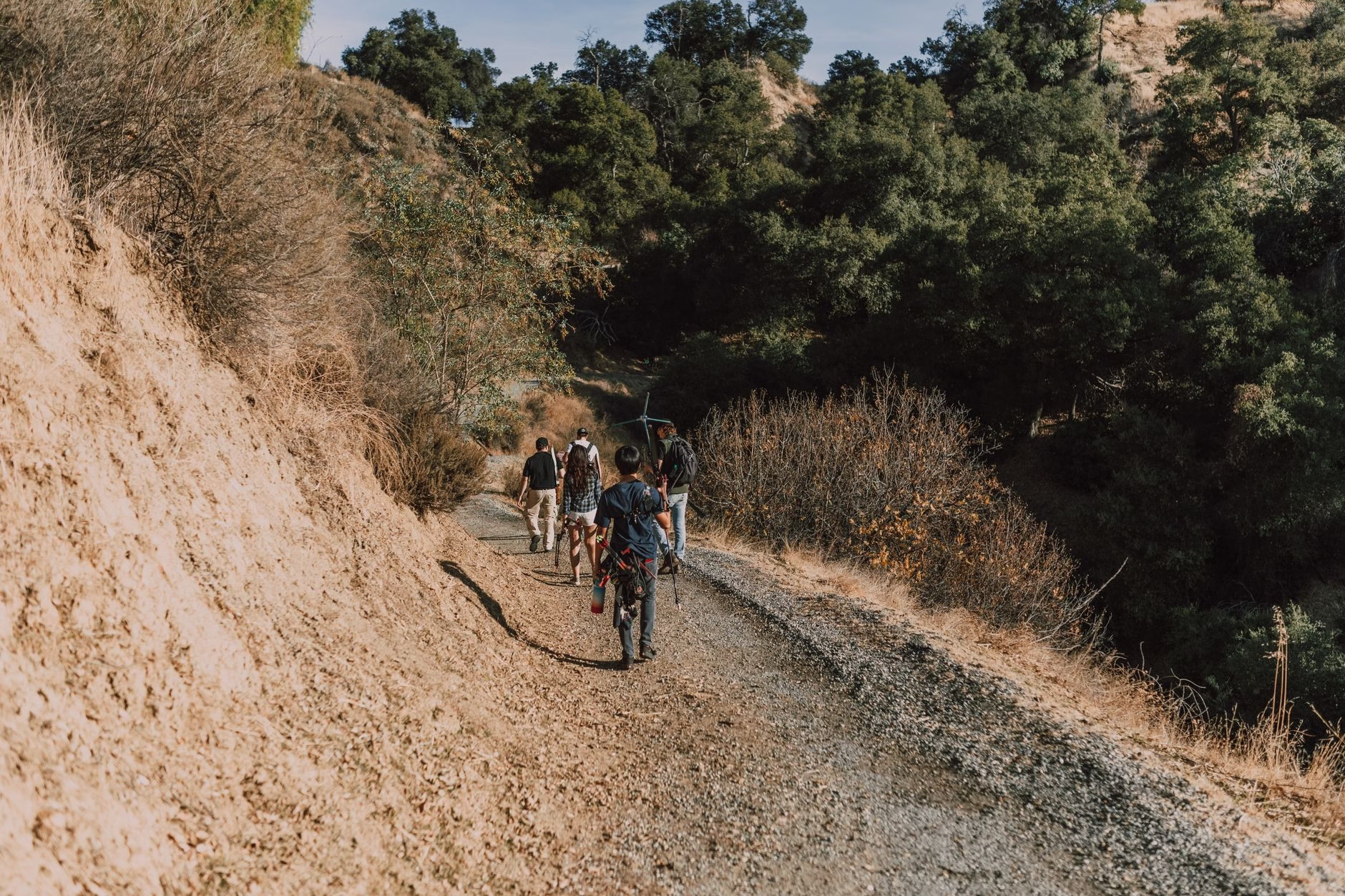
what happens when you walk every day is that your mind and body get many benefits. Walking is easy to do. You need no special gear. You can start at any time. A daily walk can help your heart. It can lower risk of heart disease and stroke. Studies show it can cut blood pressure. It can also help keep joints healthy. You use many muscles when you walk. This can make your bones stronger.
4It may help with weight control too. You burn calories when you move. You can start with just ten minutes. You can grow to thirty minutes each day. Walking can boost your mood. It can ease stress and ease mild depression. It may clear your mind. You may find it helps you think more clearly. You can walk alone or with a friend. You can walk inside or out. You can track your steps. You can make a plan. We share tips for safe walks. We share how to start slow and keep at it. You can learn when to seek help from a doctor. This guide is not a test. It is for info only. Ask a doctor if you have pain. Start slow.
Key Takeaways
| Takeaway | Explanation |
|---|---|
| what happens when you walk every day | Daily walks cut heart risk and improve blood flow. |
| Better mood | Walking boosts mood and can reduce anxiety. |
| what happens when you walk every day | Regular pace builds bone and muscle strength. |
what happens when you walk every day: an overview of benefits
Walking each day is one of the best ways to help your body. It is a type of aerobic exercise. It can lower your risk of heart disease. It can ease high blood pressure. It can help your body use sugar better. It can help you keep a healthy weight. It can make your bones and muscles strong. It can help your mood. It can bring a calm mind. It can help clear your head. It can help you sleep at night.
Even short walks can bring gains. You can see change in weeks. You need little gear to start. You can choose safe places. You can make it a habit. You can link a walk to daily chores. You can make it part of you day. Over time you see gains in your lab tests. You see lower blood sugar and lower bad fats. You may feel less anxiety. You may feel joy when you walk.
Experts say most adults should aim for at least thirty minutes of moderate walking on most days. You can split this into three ten minute walks. Even these small steps can matter. You do not need a gym or a trainer.
You can walk in a park, on a track, or even in a mall. You can walk with others or by yourself. A buddy can help you stay safe and have fun. Some walk with a pet. Others walk to work or school. You can use a step counter or a smart watch to track your steps and time. This can drive you to walk more.
You can add simple strength moves on your rest days. You can try kettlebell workouts for added power and bone health. For more on safe workouts at home see Kettlebell Workouts. You can add balance exercises and light stretches too. This helps your core and posture. A mix of work and rest can keep you safe and help you gain more from walking.
Tracking what happens when you walk every day in your health
Many people want to know what happens when you walk every day and how it can help their health. If you track steps you can see what happens when you walk every day in your blood sugar and blood pressure. When you record your steps you learn how much you move each day. You can also track your heart rate with a small device. This can show you how your heart works at rest and at work. It can guide you to walk at a pace that fits your goal.
In 2020 the CDC advised adults to get at least 150 minutes of moderate activity per week via its walking for health guide. You can also track your blood pressure at home. You may see it go down as you walk more. You can also track your blood sugar if you have diabetes. Even a small change can be good. Good changes may occur in a few weeks. You can ask your doctor about the test. You can ask for advice on how to start or grow your plan.
Understanding what happens when you walk every day in the long term
Over months, your body learns to use energy well. You may see lower bad fats in your blood. You may see better sugar control. You may see your blood pressure stay lower day and night. You may see your mind stay calmer. You may see your bones feel less weak. You may see less pain in your joints if you have mild osteoarthritis. It can help slow down bone loss. It can help slow down age changes. Your body may age slower. Your muscles may stay strong as you get older. You may feel more stable. You may fall less. You can keep your independence. You can keep doing daily tasks with ease.
According to Harvard Health, walking helps older adults keep a calm mind and better memory as reported by Harvard Health Publishing. This shows that small daily work can build over time. It can protect your mind and your body.
Heart and Blood Pressure Benefits
Regular walking is linked to heart health. It can lower your risk of a heart event. It can cut your chance of stroke. It can lower your resting heart rate. It can improve the work of your blood vessels. It can make them more flexible.
It can ease the load on your heart. It can lower blood pressure by a few points. These drops add up over time. A drop of 5 to 10 points can matter. It can lower your chance of heart disease by up to 30 percent. This is a big gain. These numbers come from major studies. They walked at a pace of about three miles per hour on flat ground. You can use a measure like 100 steps per minute for a brisk walk.
The American Heart Association notes that brisk walking for thirty minutes most days can strengthen the heart in its walking for a healthy heart guide. You can add short bursts of speed to push your heart more. You can also try small hills in your route. This can help your body adapt. It can help you burn more energy.
The World Health Organization notes that any physical activity like walking can cut the risk of heart disease and diabetes WHO Physical Activity Fact Sheet. A few weeks of steady walks can make a big change in your numbers.
It may take a few weeks to see change. You can test your blood pressure at home. You may see a drop of 5 mm Hg or more. This can lower your risk of stroke by 14 percent. It can lower your risk of dying from heart disease by 9 percent. These gains are from adults in many studies. They walked briskly and kept at it.
Metabolic Health and Weight Management
Walking uses energy. It can help you burn calories. It can help you keep a healthy weight when you keep an eye on what you eat. If you burn more energy than you eat, you lose weight. If you eat more than you burn, you gain weight.
Walking alone will not make you lose tons of weight. But it can help you keep weight off. It can make weight loss easier. It can help with your sugar. It can help your body use insulin well. It can cut your risk of type 2 diabetes. It can cut it by up to 30 percent. This is a big drop.
The Mayo Clinic notes that walking is a simple and effective form of exercise for most adults via its walking guide. It can raise your good fats a bit. It can help your body use sugar better. This can make you feel more even in your mood and energy. You can see a change in your lab tests in a few months.
Brain Health and Mood
It is clear what happens when you walk every day for mood, as studies link it to less depression. Walking can help your mind. It can cut mild depression and anxiety. It can boost your mood. It can help you think better. It can help your memory. It can help you focus. It can help you sleep better at night. It can help you feel less tired. It can ease stress. It can calm your thoughts.
You may feel more joy. You may feel more calm in hard times. You may find it easier to work or learn. It can help people of all ages. It can help kids, adults, and old people. It can help if you have a job that feels hard in your mind.
Some research shows that walking in nature can have extra gains for mood. It can help you feel calm and clear. You can choose green spaces when you can. This may add a big boost to your mind health.
Muscle and Bone Strength
Still, it is wise to note what happens when you walk every day if you have joint pain. Walking uses all the muscles in your legs. It uses your hips and lower back. It can help your core and arms if you use a swing.
It can make your bones stronger. It can cut your risk of bone loss as you age. It can help your joints stay healthy. It can help your knee and hip joint move well. But you need good shoes. You need a good way to walk. You need to avoid too-hard surfaces at first. You need to build up time and distance slow. Then you avoid pain. Then your walk can help you more. If you have severe joint pain, talk to a doctor first.
You can also try leg curl alternatives like those at Leg Curl Alternative to help your hamstrings. This can balance your muscle work. It can lower your risk of a pull or strain.
You can also work on ankle mobility with simple moves at Ankle Mobility Exercises. This can help your walk feel smooth and pain free.
Walking can also help your bones if you do it with a mild load. You can carry a small pack or wear a weighted vest. You can add hand weights in your hands. But only add a little weight. Ask a pro if you are not sure.
Safety and Environment
You need to keep safe on a walk. You need good shoes. You need shoes that fit well. You need to protect your skin from the sun. You need to drink water if it is hot. You need to watch your way. You need to watch for cars and uneven ground. You need to walk in well-lit areas at night. You need to walk with a friend if you feel unsafe or have a health issue.
You need to know the weather before you go. You need to avoid extreme heat or cold if you have heart issues or heat intolerance. You need to take breaks if you feel tired. You need to stop if you feel dizzy or pain. You need to see a doctor if you get chest pain, short breath, or faint.
You can also pick routes that have sidewalks or trails. You can wear bright clothes if you walk near traffic. You can plan a path that has water stops or shade. You can have a small light or flash at dawn or dusk. You can ask a friend to share your plan and your time. You can set a check in by phone if you walk alone.
Special Groups and When to Seek Care
Some people need to talk to a doctor before they start. If you have a heart issue, you need a go ahead. If you have an injury, a recent surgery, or severe joint pain, you need advice. If you have severe knee or hip osteoarthritis, a balance problem, or nerve damage in your feet, you need to see a pro. If you have diabetes and a low feeling or nerve problem in your feet, you need to check your feet every day.
If you see a red, hot, or swollen calf, you may have a blood clot. You need to seek care right away. You need care right away if you faint, or have new chest pain, or new weakness or trouble talking. These can be signs of a stroke or heart attack. Ask for help if you have new or strange symptoms.
How to Start Walking Safely from Zero
Setting Realistic Goals
Start with short walks. You can start with five to ten minutes a day. You can grow by five minutes each week. You can aim for thirty minutes a day most days. You can do three ten minute walks. You can break your goal into small steps. This helps you keep on track. You can write your goal in a note. You can tell a friend. You can stick a note on your fridge. You can use a step counter or phone app. This helps you see you have done work. This can help you stay with it.
Proper Footwear and Gear
You need good shoes. They need arch support and cushion. They need to fit your foot. You can shop later in the day when your foot is bigger. You can try on shoes and walk in them. You can wear socks you plan to wear on your walk. You can ask a shop pro for help. You can avoid shoes that squeeze your foot. You can avoid thin soles. You can avoid hard soles. You can wear clothes that let air flow. You can wear light colors in the sun.
Warm-Up and Cool-Down
It is good to warm up. You can walk slow for two to five minutes. You can swing your arms. You can move your legs easy. This lets your body wake up. You can then walk at your set pace. At the end, you can walk slow for two to five minutes. This lets your body rest. You can then do some gentle stretches. You can stretch your calves, quads, and hips. You can help your muscles stay long. You can avoid tight muscles and pain.
When to Increase Intensity
After you build a base, you can add more work. You can walk for a longer time. You can add small bursts of speed in your walk. You can do one minute fast then two minutes easy. You can do this a few times. This is like an interval. It can help your heart and lungs. It can help you burn more calories. You can also walk on small hills. This can help your legs and core. You can also add hand weights or a small pack. This can add work to your muscles.
You can aim to increase your time or distance by no more than ten percent each week. This helps you stay safe. It helps you avoid a pull or a strain. It helps your body adapt to more work.
Tracking Progress with Tools
You can use a step counter or phone app. You can use a watch that tracks your heart rate. You can use a journal. You can write down your time and steps. You can write down how you feel after a walk. You can check your blood pressure or blood sugar at home. You can work with a coach or peer. You can join a walking group. This can help you keep walking. You can set new goals. You can look back at your first walk. You can see how you have grown.
Many apps let you set reminders and share your work. You can link them to your phone calendar. You can see charts and graphs of your progress. You can share these with a friend or a coach. This can help you stay on track.
Common Concerns and Myths
In all, what happens when you walk every day shows how a small choice can shape your health. Some think walking does not burn much fat. But it can help if you do it long term. Some think you need fast runs. But many gain from slow to brisk pace. Some think you must sweat hard. But you can walk at a pace you like. Some think you will hurt your joints more. But walking in the right way can help your joints. Some think you must go far. But you can make gains with short walks. You can walk ten minutes at a time. You can walk to the bus stop. You can walk your dog. You can use stairs. You can make it fit your life.
Some also worry that walking is boring. You can listen to music, a podcast, or an audiobook. You can pick a new route. You can set a small reward for your week goal. You can walk in different spots. You can walk with friends or family. You can try a new time. This can keep your walks fun and fresh.
Real-Life Stories
Jane was in her sixties. She had high blood pressure and some knee pain. She started with five minute walks. She did this every day for a month. Her blood pressure dropped by ten points. Her knee pain eased a bit. She then walked fifteen minutes a day. Her knee pain eased more. Her mood was better. She said she felt more free. She can now do small chores without pain. She can play with her grandkids. She says she hopes to walk in her town park soon.
Mark was a busy dad of two. He sat at a desk most hours. He had weight to lose. He set a goal of one mile a day. He used a phone map to find safe roads. He met a neighbor on the same street. They walk at four thirty on weekdays. He has lost twenty pounds in six months. His doctor said his blood sugar is in the normal range. He feels more calm at home. He says his kids ask to walk with him now.
Alice was a college student. She felt worn out from her studies. She added a walk at lunch. She walked ten minutes and then ate. She did this every day for a term. She felt her focus and her mood improve. She said she found more energy in class. She said she felt less stressed before exams. She says she will keep her lunch walks in her after school years.
Staying Motivated
You can use many ways to keep at it. You can walk with a friend. You can join a group. You can find a local club. You can listen to music or a talk as you walk. You can change your route. You can pick a new park. You can set a small reward at a goal. You can share a photo of you on a walk. You can write in a journal. You can see your gains. You can set new goals. You can make walking part of your day with chores. You can walk while you drive a bit to park or bus. You can walk your dog. You can walk at work when you can. You can remind yourself why you start. This helps you keep going.
You can also keep your plan in your calendar. You can block time each day. You can set an alarm. You can use a habit app. You can check off each walk. You can share your plan with a friend or family. This creates a promise. This can help you stick with it.
Conclusion
Walking is a simple way to help your health. It is free and easy. It needs little gear. It can help your heart, muscles, bones, and mind. It can help you lose or keep weight. It can help your blood sugar and blood pressure. It can help your mood. It can help your sleep. It can work for most adults. As you learn what happens when you walk every day you gain power over your health. You can start slow and grow. You can choose your safe path. You can track your work. You can seek a pro if you see warning signs. You can make walking a habit. You can make a big change with small steps.
Sources
- Centers for Disease Control and Prevention (CDC) – Walking for health and fitness basics
- American Heart Association (AHA) – Walking for a healthy heart
- Mayo Clinic – Walking: A simple and effective form of exercise
- Harvard Health Publishing – Walking: A great exercise for everyone
- World Health Organization (WHO) – Physical activity fact sheet