Key Takeaways
- Babies smile during sleep due to natural reflexes.
- Dreaming in infants may contribute to smiling.
- Smiling in sleep reflects emotional development.
Why do babies smile in their sleep
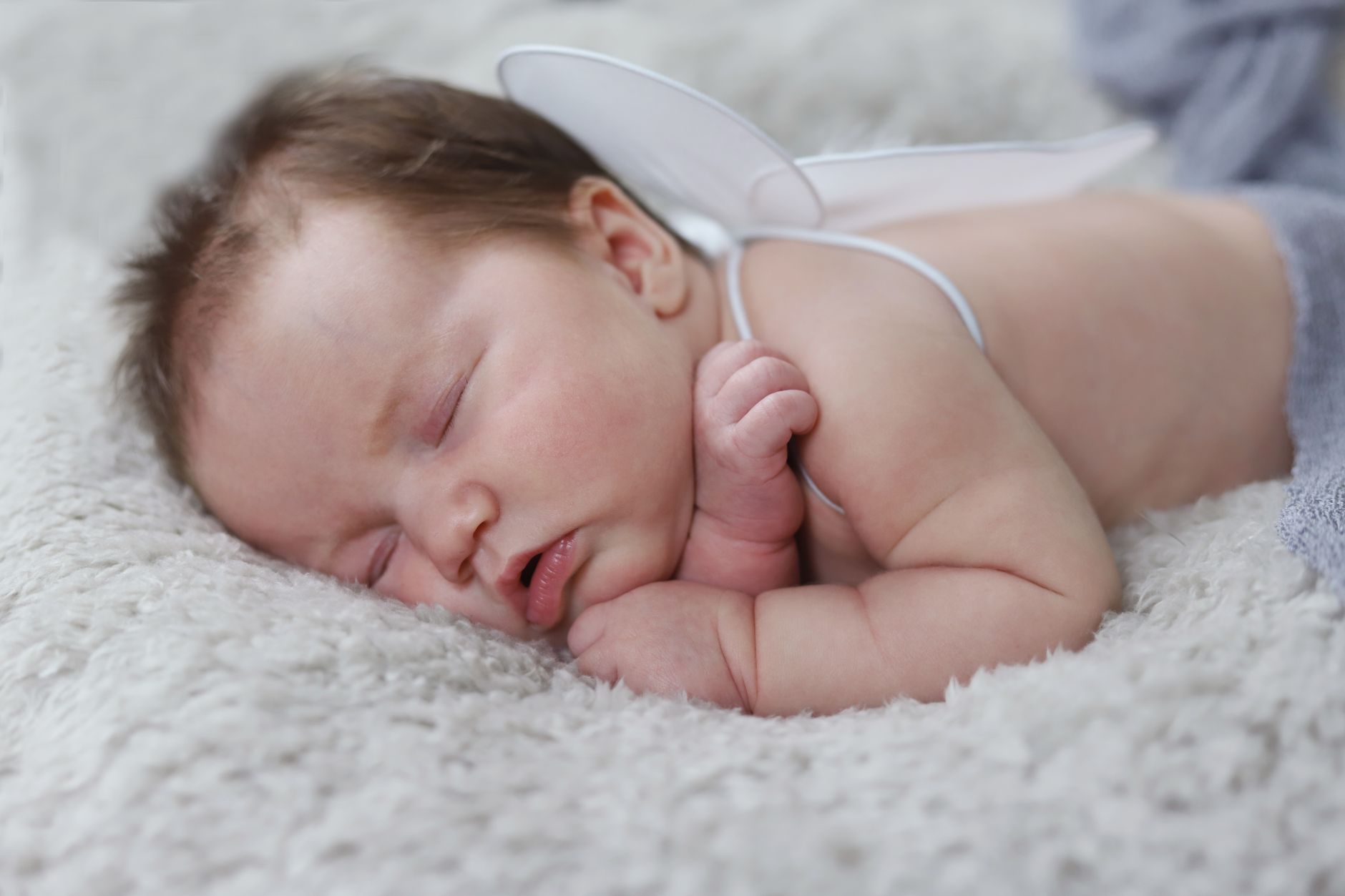
As new parents, you may find yourself watching your baby sleep, wondering about the many adorable expressions that cross their faces. One common and delightful observation is when babies smile in their sleep. This leads many to ask, “Why do babies smile in their sleep?” Understanding the reasons behind this phenomenon can provide insight into your baby’s development and emotional state.
Smiling during sleep is a common behavior among infants, and it can occur at various stages of their sleep cycle. While it may seem peculiar, this behavior is rooted in both biological and developmental processes. In this article, we will explore the reasons behind this phenomenon, including the science of sleep, the role of dreams, and the emotional growth of babies.
Parents often cherish these moments, interpreting them as signs of happiness or contentment. However, the actual reasons for these smiles can be more complex than they appear. This guide aims to unravel the mystery of why do babies smile in their sleep by examining various factors contributing to this endearing behavior.
The Sleep Cycle of Infants
To understand why babies smile in their sleep, it’s important to look at their sleep cycles. Infants experience sleep differently than adults, as their sleep patterns are characterized by shorter cycles and a higher proportion of REM (Rapid Eye Movement) sleep.
During REM sleep, which is when most dreaming occurs, the brain is highly active. Babies spend a significant amount of their sleep time in this stage, which may explain the smiles and other facial expressions observed. Here’s how the sleep cycle typically unfolds in infants:
- Light Sleep: In this stage, babies are easily awakened. They may twitch, smile, or make small movements.
- Deep Sleep: During deep sleep, the body is still, and it is harder to wake the baby. This stage is crucial for growth and development.
- REM Sleep: This is the stage where dreaming occurs, and it is associated with brain development. Babies may smile, frown, or exhibit other facial expressions during this phase.

The Role of Dreams in Infants
Dreaming is a fascinating aspect of sleep that can contribute to why babies smile in their sleep. While the content of an infant’s dreams is largely unknown, researchers believe that dreams may play a role in emotional regulation and cognitive development.
Some theories suggest that babies may dream about their experiences, interactions, and emotions. Since their waking hours are filled with new sights, sounds, and sensations, it is likely that their dreams reflect these experiences. The smiles observed during sleep could be a natural response to positive or happy memories from their day.
Additionally, dreaming and the associated brain activity during REM sleep can stimulate brain development. This is crucial for infants, as their brains are rapidly growing and forming connections. Here are some points to consider regarding the role of dreams:
- Emotional Processing: Dreams may help babies process their emotions and experiences, contributing to their overall emotional health.
- Brain Development: REM sleep is essential for brain development, aiding in memory consolidation and learning.
- Reflexive Smiling: Smiling during sleep could also be a reflexive response as the brain processes various stimuli.
Reflexive Responses: Smiling as a Natural Reflex
Smiling is a natural reflex that begins in infancy. Babies may smile in their sleep as a reflexive action rather than a conscious expression of happiness. This reflex is not solely limited to sleep; infants often smile or grimace in response to various stimuli during their waking hours.
Reflexive smiling is thought to be linked to the development of social and emotional skills. As babies grow, they learn to associate smiles with positive interactions and bonding with caregivers. Here are some key aspects of reflexive smiling:
- Developmental Milestones: Smiling is one of the first forms of communication for infants. It typically emerges around six weeks of age.
- Social Smiling: As babies develop, they begin to smile in response to social interactions, which is a significant milestone in their emotional growth.
- Reflexive Nature: Many smiles in early infancy are reflexive, meaning they occur without conscious thought and are part of normal physiological processes.
The Connection Between Sleep and Emotions
The emotional state of a baby can greatly influence their sleep patterns and behaviors. Emotional development is crucial during the early months of life, and sleep plays a significant role in this process. Babies, like adults, require adequate sleep to regulate their emotions and respond to their environment effectively.
Quality sleep contributes to emotional stability and resilience in infants. When babies smile in their sleep, it may reflect a sense of safety, comfort, and emotional well-being. Here are a few points about the connection between sleep and emotions:
- Safe Environment: Babies who feel secure and loved are more likely to experience restful sleep, which can lead to smiling during sleep.
- Emotional Regulation: Adequate sleep helps babies manage their emotions better, resulting in more positive expressions like smiling.
- Quality of Sleep: Babies who experience fragmented or poor-quality sleep may exhibit more negative emotional responses during their waking hours, affecting their overall demeanor.
When to Be Concerned About Sleep Smiles
While smiling in sleep is generally a normal behavior, there are instances when parents may need to be aware of other signs or symptoms that could indicate a potential issue. It’s essential to differentiate between typical smiling and other behaviors that might raise concern.
Here are some situations in which parents should consult a healthcare professional:
- Frequent Disturbances: If a baby frequently wakes up crying or appears distressed, it may indicate an underlying issue.
- Changes in Behavior: Sudden changes in sleep patterns or behavior may warrant a discussion with a pediatrician.
- Signs of Discomfort: If smiles are accompanied by grimacing or signs of pain, it is essential to assess the situation further.
Supporting Healthy Sleep for Babies
Creating a conducive sleep environment is crucial for promoting healthy sleep patterns in infants. Here are some tips and practices that can help support better sleep:
- Establish a Routine: Consistent bedtime routines can signal to babies that it is time to wind down and sleep.
- Comfortable Sleep Environment: Ensure the sleep area is safe, quiet, and comfortable to promote restful sleep.
- Monitor Sleep Duration: Infants require varying amounts of sleep based on their age. Keeping track of sleep can help identify patterns and needs.
Understanding the Neurological Development of Infants
The Brain’s Maturation Process
The brain of an infant undergoes rapid development in the first year of life. By the time a baby is four months old, their brain has grown to about half its adult size, and this growth is crucial for the development of motor skills, sensory perception, and emotional responses. During this period, the neural pathways that facilitate various functions, including facial expressions, are being established. These pathways are responsible for the involuntary smiles that can occur during sleep.
This neurological development is influenced by a variety of factors, including genetics, environment, and social interactions. The interplay between these elements shapes how babies respond not only to external stimuli but also to their internal states during sleep. As the brain matures, infants begin to exhibit a greater range of responses, including more deliberate smiles and emotional expressions.
Impact of Sleep on Brain Development
Sleep plays a critical role in an infant’s brain development. During sleep, particularly in the REM stage, the brain is actively processing information and forming new connections. This phase is crucial for memory consolidation and emotional regulation. Interestingly, studies have shown that infants who experience adequate sleep tend to have better cognitive and emotional outcomes as they grow older.
- Improved memory retention
- Enhanced learning capabilities
- Better emotional regulation
- Increased social interaction skills
Parents can support their baby’s sleep by creating a conducive sleep environment, promoting consistent sleep schedules, and recognizing the signs of sleep readiness. This not only aids in the immediate benefits of sleep but also supports the long-term neurological development of the child.
Linking Smiles to Brain Activity
Recent research has begun to explore how smiling during sleep can be linked to brain activity. Neuroimaging studies on older children and adults suggest that specific brain regions are activated during dreaming and emotional processing. While direct studies on infants are limited, it can be inferred that the same principles may apply.
When babies smile during sleep, it may indicate that their brains are processing positive experiences or emotions, even if those experiences are not fully formed memories. This highlights the importance of providing a nurturing environment filled with positive interactions, as these experiences can contribute to the overall emotional landscape that shapes a baby’s development.

The Role of Parental Interaction in Sleep Smiles
Importance of Early Bonding
Parental interactions play a significant role in the emotional and social development of infants. From their earliest days, babies rely on their caregivers for comfort and security. Positive interactions, such as cuddling, talking, and singing, can foster a strong attachment, which is crucial for emotional health. This bond can influence how babies express themselves, both awake and asleep.
Research indicates that secure attachments during infancy can lead to healthier emotional regulation and social behaviors later in life. These early experiences can contribute to the emotional richness that might be reflected in sleep smiles, as babies feel safe and content, even in their dreams.
Feeding and Sleep Connections
Feeding time is another critical interaction that can influence sleep and potentially lead to smiles during slumber. The act of being fed, whether through breastfeeding or bottle-feeding, provides not only nutrition but also a sense of comfort and bonding. These positive associations can contribute to the emotional well-being of the infant, making them more likely to smile during sleep.
- Breastfeeding and skin-to-skin contact promote bonding.
- Calm feeding environments can enhance a baby’s sense of security.
- Engaging in soothing activities post-feeding can lead to improved sleep.
Parents can enhance these interactions by ensuring a calm environment during feeding times and engaging in gentle, loving communication with their infants.
Creating a Positive Sleep Environment
The physical environment in which a baby sleeps can significantly impact their overall sleep quality and emotional state. A positive sleep environment is characterized by factors such as appropriate room temperature, comfortable bedding, and minimal noise. These elements can contribute to a sense of safety and relaxation, allowing babies to sleep more soundly and potentially smile during their slumber.
Parents should consider the following aspects when creating a sleep environment for their infant:
- Maintain a consistent sleep schedule.
- Use soft lighting or blackout curtains to promote restful sleep.
- Monitor room temperature to keep it comfortable and safe.
- Avoid loud noises and disruptions during sleep times.
By focusing on these factors, parents can promote better sleep quality, which may enhance the likelihood of positive expressions during sleep.
The Influence of Sensory Experiences on Sleep Smiles
Role of Sights and Sounds
Sensory experiences play a crucial role in an infant’s development and can influence their emotional states, even during sleep. Babies are particularly sensitive to their environment, and stimuli such as soft music, gentle voices, and soothing sounds can create a calming atmosphere that fosters positive emotional responses.
Research indicates that exposure to pleasant sounds and sights can lead to more positive emotional expressions in infants. This could explain why some babies smile in their sleep after being exposed to comforting stimuli before bedtime. Parents can enhance their baby’s sleep experience by incorporating gentle lullabies or nature sounds to create a peaceful sleep environment.
- Soft lullabies can soothe and relax infants.
- Visual stimuli, like gentle light projections, can captivate babies.
- Familiar voices can provide comfort and security.
By utilizing these sensory experiences, parents can help to create a tranquil sleep environment that may lead to smiling during sleep.
Tactile Comfort and Its Effects
The sense of touch is another critical element that influences an infant’s emotional state and can lead to smiles during sleep. Babies find comfort in being held, cuddled, and wrapped in soft fabrics. Tactile experiences not only enhance bonding but also promote relaxation and security, which are essential for quality sleep.
Parents can encourage positive tactile experiences by engaging in skin-to-skin contact or using soft blankets and sleep sacks. These comforting practices not only foster a sense of security but can also be an important part of the routine that precedes sleep, enhancing the likelihood of smiling during sleep.
The Impact of Playtime on Sleep Quality
Play is an essential aspect of an infant’s development and can significantly impact their emotional state during sleep. Engaging in playful interactions during the day can lead to increased happiness and comfort, potentially translating into smiles during nighttime rest. The laughter and joy experienced during playtime can create a positive emotional backdrop for sleep.
To foster this positive connection, parents can incorporate the following playful activities into their daily routine:
- Interactive games that encourage laughing and smiling.
- Gentle tickling or playful sounds that elicit joy.
- Encouraging exploration of safe toys that stimulate curiosity.
By ensuring that infants have ample opportunities for joyful play, parents can promote positive emotional experiences that may manifest as smiles during sleep.
Frequently Asked Questions
Do babies dream?
While it is not definitively known whether babies dream in the same way adults do, it is believed that they experience dreams during REM sleep. These dreams may relate to their daily experiences and emotions.
Is it normal for babies to smile while sleeping?
Yes, it is normal for babies to smile during sleep. This behavior is often a reflexive response and can also indicate positive emotional processing during their sleep cycles.
At what age do babies start smiling intentionally?
Babies typically begin to smile intentionally around six to eight weeks of age, progressing to social smiling in response to caregivers and familiar faces.
How can I promote better sleep for my baby?
To promote better sleep, establish a calming bedtime routine, ensure a comfortable sleep environment, and maintain consistent sleep patterns. Also, observe your baby’s sleep cues to help them settle down for rest.
The Bottom Line
Understanding why do babies smile in their sleep can provide reassurance to parents and caregivers. Smiling during sleep is generally a normal behavior rooted in the infant’s sleep cycle, emotional development, and reflexive actions. By fostering a supportive sleep environment and recognizing the signs of healthy sleep, parents can help ensure their babies thrive both emotionally and physically.
Note: This article is for general information only and is not medical advice. See a qualified health professional about your own situation.