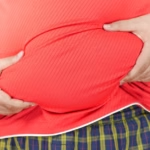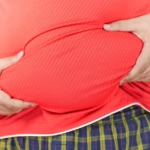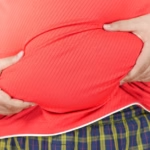
Why do I have gas after eating? This is a question many people ponder after finishing a meal and feeling a bit, well, bloated. Gas can be uncomfortable and embarrassing, leaving you wondering if it’s something you ate or just a normal part of digestion. It’s completely normal to experience some gas after meals; however, if it’s frequent or bothersome, it might be worth looking into the reasons behind it.
When we eat, the food we consume goes through a complex process of digestion, where our body breaks it down to absorb nutrients. During this process, gas is produced. Several factors can contribute to increased gas production, resulting in that uncomfortable feeling. In this article, we’ll discuss the common causes of gas after eating, what you can do about it, and when it’s a good idea to speak with a healthcare professional.
What Does This Mean?
Gas is a natural byproduct of digestion. When we eat, our stomach and intestines work hard to break down food. In the process, air gets trapped, and certain foods can ferment, producing gas. You might be experiencing gas if you notice bloating, belching, or flatulence after eating. While gas is typically harmless, it can be annoying and uncomfortable. Understanding the reasons behind why you have gas can help you manage it better.
Why Does This Happen?
One possible reason for gas after eating is how quickly you eat. When you eat fast, you may swallow air, which can lead to bloating and discomfort. Another common factor is the type of food you eat. Some foods are known to create more gas than others. Additionally, your digestive health plays a key role — conditions like irritable bowel syndrome (IBS) or food intolerances can make you more prone to gas. Research suggests that everyone’s digestive system is different, and reactions to food can vary from person to person.
Common Causes
Swallowing Air: When you eat or drink too quickly, you might swallow more air than usual. This excess air can get trapped in your digestive system, leading to discomfort and gas. To help reduce this, try eating more slowly and taking smaller bites.
Certain Foods: Some foods are notorious for causing gas. Beans, lentils, broccoli, and carbonated drinks are just a few examples. If you notice gas after consuming specific foods, it might be worth keeping a food diary to identify potential triggers.
Food Intolerances: If you have trouble digesting certain foods, such as dairy or gluten, this could lead to increased gas production. Lactose intolerance is a common issue where the body cannot properly digest lactose found in dairy products. For those with this intolerance, avoiding dairy can significantly help reduce gas.
Constipation: If you’re not having regular bowel movements, gas can build up in the intestines, leading to discomfort. Staying hydrated and eating a diet rich in fiber can help encourage regular digestion.
Digestive Disorders: Conditions like irritable bowel syndrome (IBS) or gastroesophageal reflux disease (GERD) can lead to increased gas production. If you believe your symptoms may be linked to a digestive condition, it’s wise to consult with a healthcare professional.
Signs and Symptoms to Watch For
Common symptoms of gas include bloating, feeling full quickly, belching, and flatulence. It’s important to differentiate between occasional gas and persistent or worsening symptoms. If gas is a regular issue and interferes with your daily life, you should consider reaching out to a healthcare professional.
What Can Make It Worse?
Several factors can worsen gas symptoms after eating:
- Diet: High-fiber foods are healthy but can produce more gas, especially if introduced suddenly into your diet.
- Hydration: Drinking enough water aids digestion, so be sure to stay hydrated.
- Stress: Stress can slow down digestion and lead to gas build-up.
- Sitting Position: Slouching while eating or sitting can compress your digestive organs, making gas worse.
Foods and Drinks Related to the Topic
Some foods are more likely to cause gas, while others might help improve digestion:
- Foods that Cause Gas: Beans, lentils, certain vegetables (like broccoli, cabbage, and onions), and carbonated beverages.
- Foods that May Help: Ginger, peppermint tea, and probiotic-rich foods like yogurt may support digestive health.
It’s important to note that people’s responses to food can differ. What causes gas for one person may not bother another. If you suspect certain foods are the culprits, try to eliminate them one at a time and see how your body reacts.
What Can We Do?
Here are some practical steps you can consider to help manage gas after eating:
- Eat Slowly: Taking your time during meals can reduce the amount of air you swallow.
- Keep a Food Diary: Tracking your meals and any symptoms may help you identify food triggers.
- Stay Hydrated: Drinking enough water supports digestion and may help reduce gas.
- Regular Exercise: Gentle physical activities, like walking, can help get your digestive system moving.
When Should You See a Doctor?
If you’re experiencing severe or persistent gas, or if you notice other worrying symptoms like blood in your stool, unexplained weight loss, or persistent vomiting, it’s essential to speak with a healthcare professional. Early intervention can help identify any underlying conditions.
Frequently Asked Questions
Why am I always gassy after eating?
Consuming gas-producing foods or eating too quickly might lead to frequent gas. Keeping track of your diet can help identify triggers.
Can food cause gas after eating?
Yes, certain foods, particularly those high in fiber or sugar, can lead to gas formation during digestion.
When should I worry about gas after eating?
If gas is accompanied by severe pain, changes in bowel habits, or other concerning symptoms, it’s important to consult a healthcare provider.
Does drinking soda cause me to have gas after eating?
Yes, carbonated beverages can introduce air into your digestive system, leading to increased gas.
Are there any medications for gas after eating?
Some over-the-counter products, like simethicone, may help reduce gas. Always consult with a healthcare professional before starting any medication.
Can gas after eating indicate a serious health problem?
While occasional gas is normal, if it’s frequent and severe, or accompanied by other symptoms, it may be worth discussing with a healthcare provider.
Are there any foods I should avoid entirely to reduce gas?
While it depends on the individual, foods like beans, carbonated drinks, and certain vegetables might be best limited if they cause gas.
Does physical activity affect gas after eating?
Yes, light physical activity can promote digestion and alleviate gas discomfort.
What the Research Says About Why Do I Have Gas After Eating?
Research shows that gas production is a common part of digestion, and various factors like diet, eating speed, and gut health contribute to it. Studies indicate that individuals experience gas differently based on their gut microbiota and dietary habits. Understanding these influences can help manage this normal yet bothersome experience.
Simple Daily Habits That May Support Better Health
Adopting a few daily habits can enhance digestion and reduce gas:
- Mindful Eating: Focus on your meal rather than multitasking.
- Regular Physical Activity: Even short walks can benefit digestion.
- Promote Gut Health: Include probiotics in your diet, like yogurt or fermented foods.
- Manage Stress: Consider relaxation techniques such as yoga or meditation.
Final Thoughts
Gas after eating is a common experience that varies from person to person. Our bodies digest food in different ways, and while gas can be bothersome, it’s typically not a cause for concern. If you notice consistent discomfort or concerning symptoms, don’t hesitate to reach out to a healthcare professional for personalized advice. Remember, being mindful of how you eat and what you eat can make a big difference in managing gas!
Sources and References
National Institutes of Health: What Happens to Food After You Eat. Available at: https://www.nih.gov
Mayo Clinic: Gas and gas pains: Is it normal? Updated July 27, 2023. Available at: https://www.mayoclinic.org
Cleveland Clinic: What Is Gas? Available at: https://my.clevelandclinic.org
Harvard T.H. Chan School of Public Health: The Nutrition Source – Fiber. Available at: https://www.hsph.harvard.edu/nutritionsource/fiber/
American Gastroenterological Association: Dietary Fiber: What to Know. Available at: https://www.gastro.org
Medical Disclaimer
This article is for general educational and informational purposes only. It is not intended to provide medical advice, diagnosis, or treatment. Health conditions can affect people differently, and information that is appropriate for one person may not be appropriate for another. If you have persistent, severe, or concerning symptoms, speak with a qualified healthcare professional for personalized advice.
Further Reading
Ivf Shot Schedule: 10 Things You Should Know
Omeprazole and Alcohol: Is It Safe to Mix?
what does a growth spurt in pregnancy feel like
Photo by Alena Darmel on Pexels.