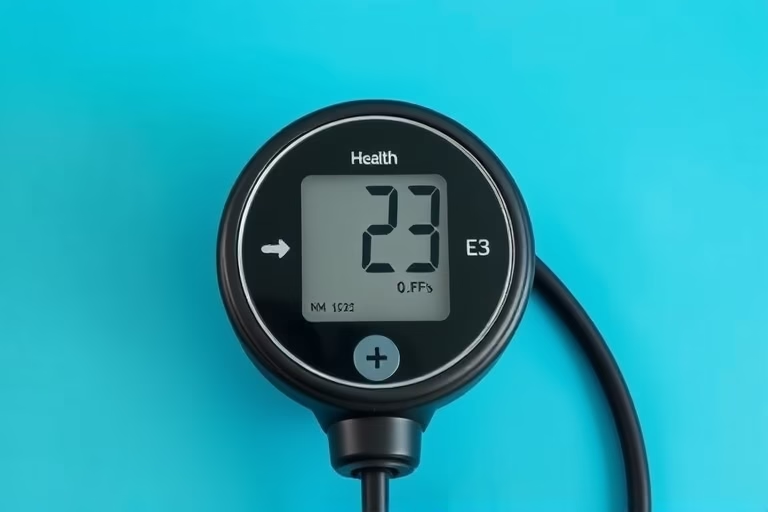
We will be talking about what does e3 mean on a blood pressure monitor. When examining the readings on a blood pressure monitor, you may come across the term “E3.” This specific code pertains to an error that can occur during the measurement process. Understanding this error is essential for anyone using a blood pressure monitor, as it can affect the accuracy of your readings and overall health management. Blood pressure monitors are valuable tools for tracking health and diagnosing conditions, so being aware of error codes such as E3 can help users interpret their results correctly and take appropriate measures when issues arise. This article will provide an in-depth exploration of what E3 means on a blood pressure monitor.
Understanding Blood Pressure Monitors
Blood pressure monitors are medical devices used to measure the pressure of the blood in your arteries as your heart pumps it around your body. They are essential for both monitoring cardiovascular health and diagnosing hypertension. There are different types of blood pressure monitors, including manual sphygmomanometers and automatic digital monitors. Each device has its own specific features and benefits, providing users with options that best suit their lifestyle and health needs. Accurate blood pressure readings are vital for managing your health, and blood pressure monitors play a crucial role in this process.
What Does E3 Mean?
The E3 code on a blood pressure monitor typically indicates a specific malfunction or error has occurred during the measurement process. This error code can arise due to various reasons, including improper cuff placement, insufficient battery power, or device malfunction. It is essential for users to understand what E3 means so that they can take the necessary steps to remedy the situation and obtain a reliable reading. When E3 appears, the first step is to check the user manual or troubleshooting guide for the specific monitor being used.
Common Causes of E3 Error
There are several common causes that can result in the E3 error code appearing on your blood pressure monitor. One of the leading causes is improper cuff positioning or a loose cuff when taking a reading. It’s vital that the cuff fits snugly around the upper arm and is placed at heart level for accurate readings. Another potential cause is low battery power, which can negatively impact the monitor’s functionality. Lastly, device malfunction due to wear and tear or damage can lead to erroneous codes. Understanding these factors can help users troubleshoot and address the E3 error efficiently.
How to Correct E3 Error
Correcting the E3 error code involves several steps that can help pinpoint and resolve the issue. First, ensure that the cuff is positioned correctly and that it is securely fastened. Next, check the monitor’s power source, whether it be batteries or an adapter, and replace batteries if necessary. It is also advisable to turn off and restart the device. If the error persists after trying these steps, consulting the user manual or contacting customer support for specific troubleshooting steps may be necessary. Taking these actions can often restore functionality and ensure accurate readings.
Importance of Accurate Blood Pressure Readings
Accurate blood pressure readings are essential for managing your cardiovascular health effectively. Hypertension, or high blood pressure, is often referred to as the “silent killer” because it does not always present obvious symptoms. Regular monitoring can help identify potential health risks early, allowing for timely interventions and lifestyle changes. Understanding and addressing error codes like E3 on blood pressure monitors is a crucial part of ensuring that accurate readings are obtained, facilitating better healthcare management.
Preventing E3 Errors in Future Measurements
Prevention is key when it comes to avoiding the E3 error on blood pressure monitors. Users can ensure proper cuff sizing and placement by following manufacturer instructions to guarantee accurate readings consistently. Regular maintenance of the monitor, including battery checks and calibrations, will also help prevent future errors. Additionally, staying informed about the device’s operation can help users recognize when something is wrong, enabling them to address issues proactively.
Understanding the Role of Blood Pressure Monitors in Health Management
Blood pressure monitors are vital devices in both home care and clinical settings. They provide immediate feedback on blood pressure levels, assisting healthcare providers and patients in making informed decisions regarding treatment and lifestyle adjustments. Blood pressure self-monitoring allows individuals to engage actively in their health care and facilitates communication with healthcare providers about any noticeable changes. Understanding how to use these devices and interpreting their functions, such as error codes like E3, enhances their effectiveness significantly.
Types of Blood Pressure Monitors
There are several types of blood pressure monitors available on the market, including traditional “aneroid” monitors and electronic digital monitors. Automatic upper arm monitors are popular for home use as they provide easy operation and quick readings. Wrist monitors are another option for those who prefer a portable device, although they may be less accurate compared to upper-arm versions. Each type offers unique benefits and can be suited depending on individual needs and preferences. Familiarizing oneself with the functionality of the chosen monitor can lead to better overall health management.
Seeking Professional Help
If E3 errors continue to appear despite attempts to troubleshoot the device, it may be necessary to seek professional assistance. Consulting with a healthcare professional can help determine if the device is malfunctioning or if other underlying health issues need to be addressed. In some cases, replacing the blood pressure monitor may be the most effective solution. Proper and consistent monitoring techniques should be emphasized when seeking professional guidance to achieve optimal health outcomes.
Conclusion
Understanding what E3 means on a blood pressure monitor is crucial for anyone using this essential tool for health management. This code serves as a reminder to check device functionality and ensure accurate readings are being taken consistently. Knowing the common causes of E3 errors and how to address them can significantly enhance the reliability of your blood pressure monitoring process. By taking proactive steps to prevent future errors and seeking help when necessary, users can better manage their cardiovascular health and overall wellness.
Frequently Asked Questions
- What should I do when E3 appears on my blood pressure monitor?
Check the cuff placement and battery power, and restart the device. Consult the user manual for further troubleshooting assistance. - Is E3 an indication of a serious problem?
E3 is typically an error code indicating a measurement issue, not necessarily a serious problem with your health. - How can I prevent E3 errors?
Ensure proper cuff placement and perform regular maintenance on your blood pressure monitor. - Can I still use the blood pressure monitor if E3 appears?
It is advisable to address the E3 error before proceeding to ensure the accuracy of your readings. - When should I seek professional assistance regarding my blood pressure monitor?
If the E3 error persists after troubleshooting, seek professional advice or consider replacing the device.
Further Reading
What Type of Psychotherapy Is Best for Anxiety?