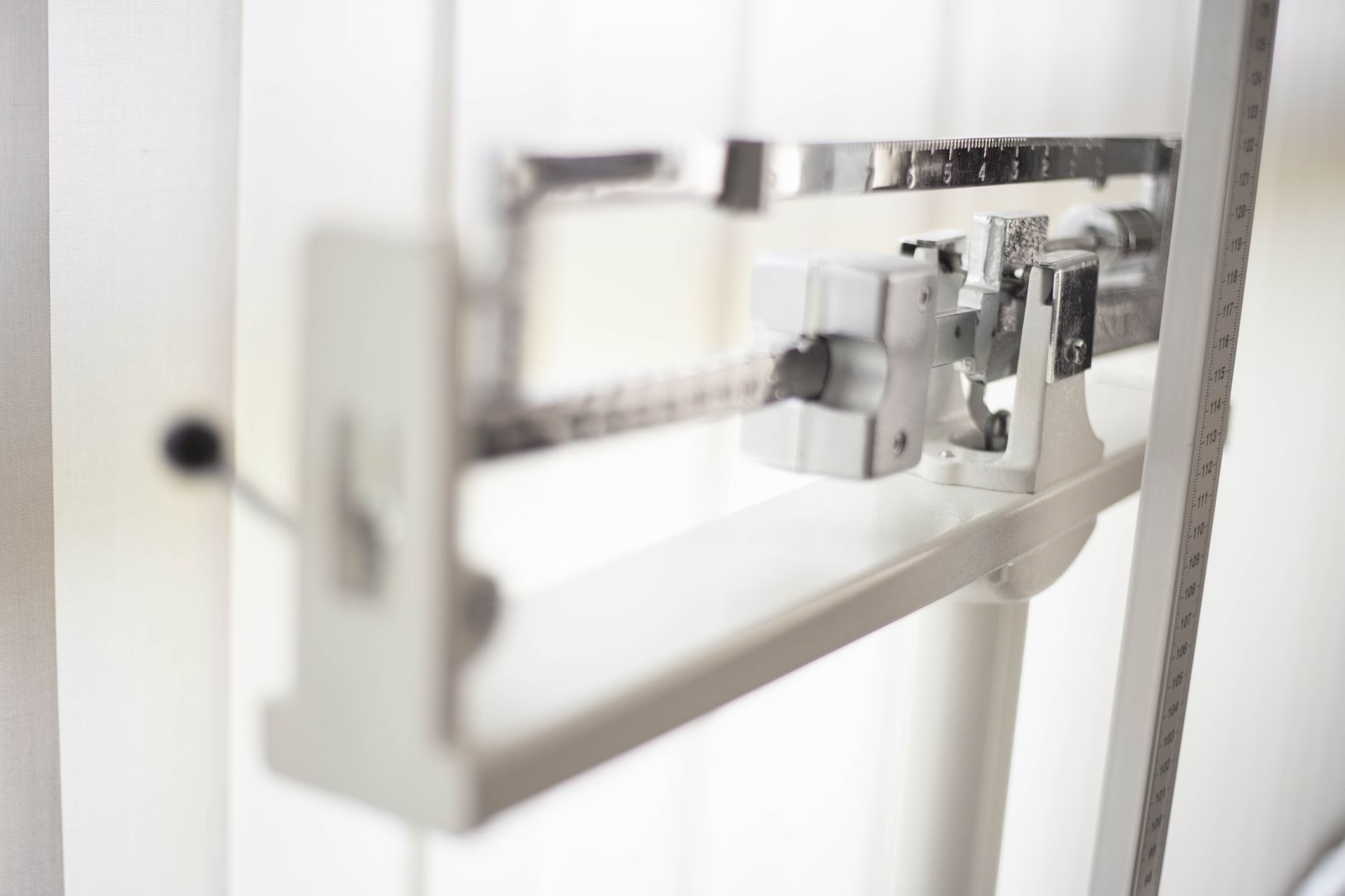
why does weight fluctuate naturally from day to day? Many people see small changes on the scale. These changes can cause worry. But they often reflect normal shifts in water, food, and other factors. Your weight is not a fixed number. It moves up and down each day. In this article, you will learn what causes daily changes. You will read about fluid shifts, food, salt, and other reasons. You will find tips to track your weight in a calm way. You can know what is normal. You will see when to worry. You will learn how to check trends instead of one number. This helps you keep a healthy mind. It also guides you to safe actions. We explain key ideas in easy words. We show when to ask a doctor for help. You will leave with clear ideas on how to see real change. And you learn to avoid stress over small shifts. Read on to get facts you can use every day. We cover water weight. We cover salt limits. We cover food and moves. We share safe change limits. We say when to seek care. After reading, you see real trends over time and clear facts.
Key Takeaways
| Takeaway | Explanation |
|---|---|
| Understanding Fluctuations | Learn why does weight fluctuate each day due to water and food |
| Long-Term Trends | Track weekly averages to see real changes rather than why does weight fluctuate moment to moment |
why does weight fluctuate: Main Causes
People often ask why does weight fluctuate day to day. Many small changes can add or lower your mass on a scale. You can wake with more water weight if you drink fluids or eat salt late at night. You can see a drop if you sweat out water. You can see a rise if you store more glycogen after a big carb meal. You may lose a pound after you poop. You may gain a pound if you skip a meal and drink less water. Hormone shifts can hold more fluid at times. Illness can drain you or fill you with fluids from IVs. Medications can change your appetite or fluid use. Pregnancy, travel, or stress can change your routine. All these cause shifts in your measured weight. None of these mean real fat loss or gain right away. True change in body fat takes weeks or months of habits. Daily moves show short term shifts in water, food, and other factors. In the rest of this guide, we explain each factor. We share tips to track your trend. We show when to seek help. You can learn to see your real progress with calm and clear steps.
Your scale measures all mass in your body. This includes fat, muscle, bone, water, and what is in your gut. When you see a change on your scale, it reflects a change in one or more of these parts. Water moves in and out fast. Blood volume can change with heat or cold. The food you eat can add three to five pounds of mass until it moves through your gut. Salt and carbs hold more water. The level of muscle use can toggle water and glycogen. Stress can trigger hormones that change fluid and appetite. When you look at your scale, it is a snapshot. It is not the full story. True change in fat or muscle takes time. A week of steady habits shows real gains or losses. A day of shifting routines shows water and food weight. That is why you must see your scale as a tool, not a judge. In the next sections, we look at each cause. You learn how they work. You learn how to track long term trends. You see when to get care. This helps you stay safe and calm.
- Fluid shifts (drinking, sweating, illness)
- Glycogen and carb load
- Sodium and diet changes
- Bowel contents and digestion
- Hormonal cycles and meds
- Exercise and muscle water
- Bodily stress or travel
Hydration and Fluid Shifts
The NIDDK weight management guide notes that fluid shifts can change scale readings by up to a few pounds in healthy adults. You drink a glass of water and may see a slight jump on the scale. When you sweat hard, you may see a drop after. Illness with fever or vomiting can drain fluid fast. This can show a lower weight. Too much water can raise your weight. It may hide a real fat loss. A high-sodium meal can cause extra water to pool in your tissues. You may see your hands or feet look puffy. To help, review foods high in potassium that may ease salt balance. Aim for clear or light yellow urine. Drink when thirsty. Avoid chugging large amounts at once. Track fluids in a log to see your intake and losses. If you have heart or kidney disease, talk to your doctor about safe fluid limits. For more on weight and blood pressure, see Does weight gain cause high blood pressure?.
Keep a small pitcher of water by your bed. Sip it when you wake. Track cups in a simple chart. Note how you feel. If you feel dizzy or too full, adjust your plan. Always check with a pro if you have a health condition that limits water. A nurse or dietitian can tell you how much is safe. Use simple cups or a marked bottle. This makes logging easy. A steady fluid plan helps you see weight trends over days or weeks. It stops large jumps that can scare you.
Glycogen and Carbohydrate Balance
One key reason you see changes is how glycogen and water tie together, which shows why does weight fluctuate after a high-carb meal. Your muscles and liver store glycogen for fuel. Each gram of glycogen binds about three grams of water. When you eat a big carb meal, your stores refill and you hold extra water. This shows on the scale as a rise in weight. If you cut carbs, your body uses glycogen and you lose water. This can show a drop in a day or two.
To keep a steady reading, eat a consistent amount of carbs if you track daily. Or track a weekly average of your weight. The CDC healthy weight site notes that true fat change takes weeks, not days. Balance carbs with protein and fat. This gives steady energy. It also helps you control fluid. Try to eat the same breakfast each day. Note if you had a bagel or a bowl of oatmeal. Write it down. Then you know if a scale change is from food, not fat.
Athletes know about carb loading before big events. They eat pasta or rice to store glycogen. Then they must be careful when they stop. They will lose water and may see a quick drop. This is normal. It is not fat loss. If you still do workouts, you will use that glycogen and water in a day or two. Always pair your carb changes with water and salt balance. This keeps your body happy and your scale steady.
Hormonal Changes and why does weight fluctuate
Hormones can shift your fluid and body balance. Many who menstruate see small weight gain before their period. This is mild. It is often one to three pounds. It lasts a day or two. It is due to changes in estrogen and progesterone. These cause more water retention. There is no true fat gain. Some birth control can do the same.
If your cycle is irregular, talk to a health expert. You can see less change if you track a weekly weight trend. Hormone shifts in menopause or thyroid issues can also affect your weight. Thyroid hormones help set your metabolism speed. Too little thyroid hormone can slow your body and cause weight gain. Too much can do the reverse.
If you have new meds or a change in your health, ask your doctor. They can guide tests or care. For a quick guide on weight gain in treatment, see MedlinePlus on weight gain. A nurse or pharmacist can explain side effects. They help you plan meals and fluids to keep your scale as steady as you can.
Sodium Intake and Alcohol
High salt foods can lead many to ask why does weight fluctuate after a weekend meal. Salt pulls water into your body. You may see your scale number jump. It can take a day or two to flush extra sodium. Alcohol can also affect fluids. It can cause mild dehydration or water retention the next day.
Drink water with your drink. Limit salt in meals to cut large single-day swings. Use spices, herbs, or salt-free blends. Try to keep daily sodium under 2,300 mg unless your doctor says differ. Read labels on packaged foods. Many have high sodium. A simple rule is to cook at home with fresh ingredients. This gives you control of salt. If you feel bloated after a night out, drink water and eat fresh fruit to help your body flush excess fluid.
Bowel Contents and Digestion
What you eat and your gut routine can change your scale weight. A full gut with fiber and water can add pounds. Or days of hard stools can show more weight. Pooping can drop your weight a bit. Constipation can hold weight up. To help your bowel, drink water and eat fiber. Fruits, vegetables, and whole grains can keep you regular.
If you have lasting changes in stool or pain, ask your doctor. For tips on hunger and diet, see Why am I always hungry?. A simple act like adding a prune or two can help. Some people try probiotics. These are safe for many. They can help balance gut bacteria. Talk with a dietitian for a plan that fits your body.
Medication Effects
Some medicines can alter fluid or fat storage. Corticosteroids, some antidepressants, and certain diabetes or blood pressure drugs can raise your weight. This may be true water or fat gain. It can also be your appetite. If you start a new med and see sharp changes, talk with your doctor. Do not stop the drug on your own. Your clinician can help you find options.
If you plan for IVF and take hormones, you may see weight gain. Read our guide on weight gain during IVF for more ideas. Some people switch to a different med or adjust dose. A pro can guide you. Always follow medical advice.
Illness and Infection
Health issues like fever, vomiting, or diarrhea can change your weight fast. They can drain your fluid or alter gut contents. This can show as quick loss. Or you may hold fluid if you get IV fluids in the hospital. Once you recover, your weight will shift back.
If you have serious symptoms like chest pain, fainting, or confusion, seek care fast. For mild cases, drink water and resume healthy food as you can. When you feel better, track a weekly weight, not just one day. This helps you see your normal return to your earlier trend.
Pregnancy and Major Life Events
Pregnancy adds water, blood, and fat mass over months. You will see steady gain if you are pregnant. This is normal. After birth, your weight will adjust. Other big life changes can shift your routine. Travel, stress, or new work hours can alter food and fluid. This can change your daily weight. Focus on long-term trend, not each day.
Life changes like a new job or a move can change your diet and activity. You may eat more snack food or skip meals. You may sleep less. All these can log shifts in water and food. Note big life events in your log to explain scale moves.
Preventing Confusion When Weighing Yourself
To beat worry, track your daily log and ask why does weight fluctuate, not just fear a fat gain. Weigh at the same time each day. Use a firm floor scale. Wear light clothes or none. Note your meals, activity, and water each day in a journal. Then look at your seven day average on a chart. This smooths out the peaks and dips. It shows true gains or losses in a clear way. If you feel lost, talk with a dietitian or nurse. A pro can help you set safe goals. Count only the long term moves. Do not judge one number on your scale.
The WHO obesity fact sheet says to combine weight checks with waist measurements and healthy habits for best results. A tape measure and scale together give you more data. This makes your plan stronger.
When to Seek Help: why does weight fluctuate Too Fast
Some weight changes are a sign of a deeper issue. Seek help if you see a gain of more than 5 pounds (2.3 kg) in one week. If you have swelling in your feet, belly, or face, or shortness of breath, seek urgent care. Rapid weight loss without a clear cause or with weakness, chest pain, or fainting needs prompt action. Bloating with pain, persistent vomiting, or other severe symptoms should be checked by a professional. If you have heart, kidney, liver, thyroid, or other chronic disease, ask your provider about your daily scale reading. They can guide you on when to worry and what to track.
Conclusion
Daily shifts on the scale can bring stress. Now you know why does weight fluctuate with many simple reasons. You know that water, carbs, salt, hormones, and more can all play a part. You can track a weekly average, not just one number. You can use fluid logs and food notes to see real change. You can mark when to seek help. Use this guide to stay calm and clear. Watch the trend, not the day. Talk with a pro if you need support. The NHS overview on weight loss and weight gain also suggests tracking weekly averages instead of daily numbers. Then you can keep a healthy view of your body.
Sources
- National Institute of Diabetes and Digestive and Kidney Diseases (NIDDK) – Weight management
- Centers for Disease Control and Prevention (CDC) – Healthy weight
- World Health Organization (WHO) – Obesity and overweight (fact sheet)
- MedlinePlus (NIH) – Weight gain
- NHS (UK) – Weight loss and weight gain (overview)