digestive system health is vital for your body. It is a team of parts that take in food. They break it down. They take in good parts. They pass out waste. When this team works well, you feel good. You get the nutrients you need. When it is not well, you can feel pain. You can have gas, cramps, or other trouble. This guide will show you how it works. It will show parts. It will show common problems.
It will show good habits. It will also show when you need to see a doctor. You will learn about the mouth. You will learn about the esophagus, stomach, and intestines. You will learn about the liver, pancreas, and gallbladder. You will learn how food moves. You will learn how acid and enzymes act. You will learn how your body takes in water and minerals. You will learn how microbes help. You will learn how to keep this team strong.
And you will learn when to call for help. By the end, you will know how to care for your gut health. This article uses simple words. It gives safe advice. It does not replace a doctor. Read on to learn.
Key Takeaways
| Point | Detail |
|---|---|
| Core organs of the digestive system | Parts that break food and move nutrients. |
| Microbe support in digestive system | Helps process food and boost health. |
| Stay hydrated | Water aids movement of food. |
| See doctor on red flags | Seek help if you have severe pain or blood in stool. |
Overview of the digestive system
The digestive system is a group of organs that help your body get fuel from food. Each part has a role. The mouth chews. The esophagus moves food down. The stomach mixes food with acid. The small gut, or small intestine, takes in most nutrients. The large gut, or large intestine, takes in water and makes waste solid. Other organs help too. The liver makes bile. The gallbladder stores bile.
The pancreas makes juices that break down food. Muscles push food along by a wave of motion. This wave is called peristalsis. The team must work in order. If one part slows, food can sit too long. If acid is too high, you can burn the lining and feel pain. A balance of acid and enzymes is key. Gut health links to the whole body. It can affect your energy, mood, and sleep. For more reading, see the MedlinePlus overview. You can also learn about common ills at the National Institute of Diabetes and Digestive and Kidney Diseases.
Major parts of the digestive system
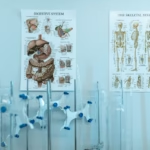
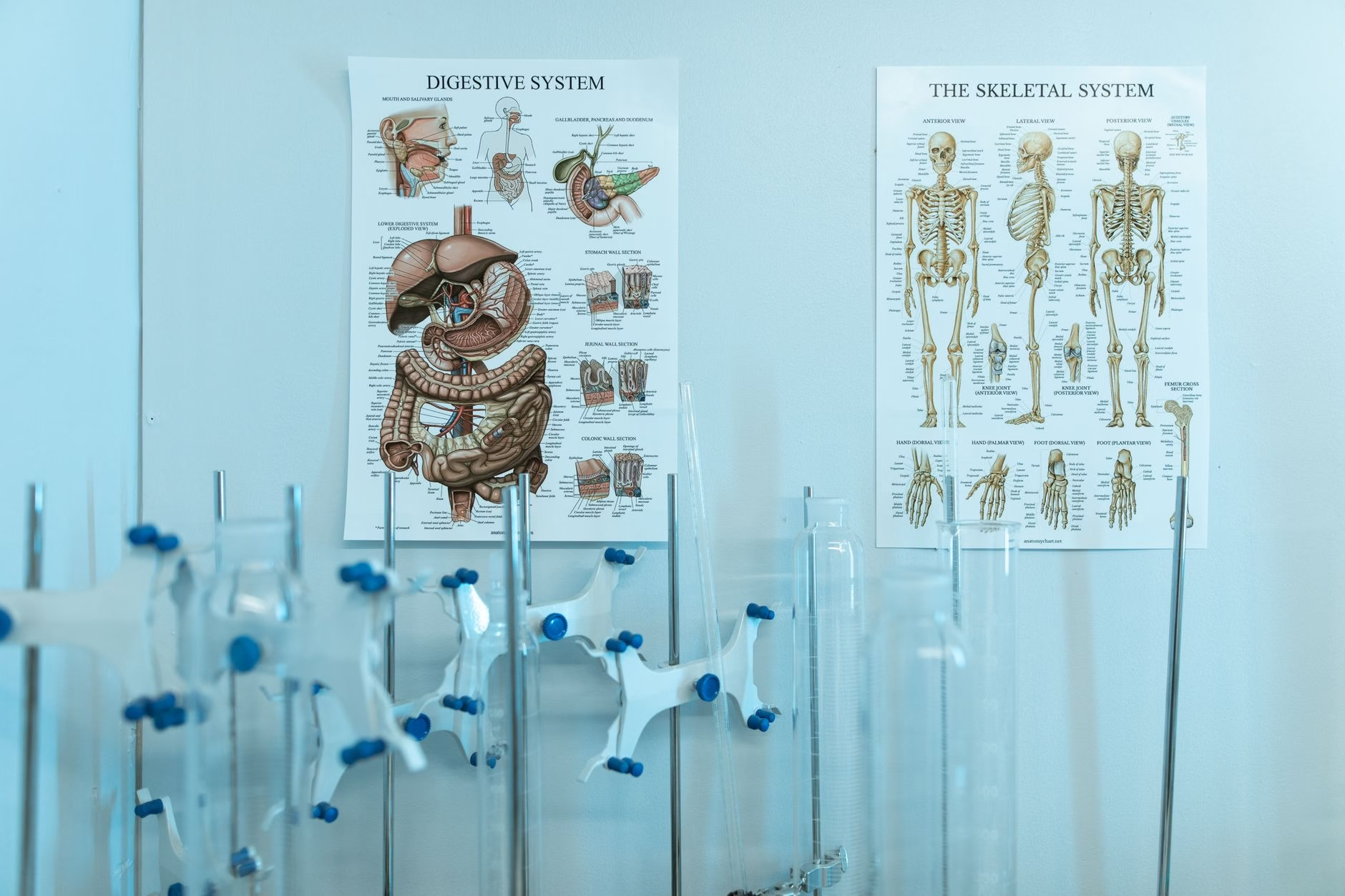
This team has organs in a chain. Each has a job:
- Mouth: Chews food. Saliva starts to break it down.
- Esophagus: A tube that moves food to the stomach.
- Stomach: Uses acid and enzymes to break food into a thick liquid.
- Small intestine: A long tube (about 20 feet) where most nutrients get in the blood.
- Large intestine: Absorbs water. Forms and stores stool.
- Liver: Makes bile to break down fats.
- Gallbladder: Holds bile until you eat a fatty meal.
- Pancreas: Makes juices with enzymes to break down proteins, fats, and carbs.
Each part must be healthy to run the whole line well. A body readout like acid level, enzyme flow, and muscle motion all matter. For global info, you can review the World Health Organization page on this topic.
How digestion works
Mechanical breakdown
The digestive system uses muscles to move food. Chewing in the mouth makes bits small. The tongue pushes it to a back tube. Muscles in the gut push food in waves. This wave is peristalsis. It moves food from top to end. In the stomach, churns mix food with fluids. This makes a smooth mix.
Chemical digestion
Glands add fluids. Saliva has an enzyme that breaks starch. In the stomach, acid and pepsin break proteins. In the small intestine, bile breaks fat. Pancreatic juice adds more enzymes. These break carbs, proteins, and fats into tiny units. The body can then soak them up.
Absorption and waste removal
This part of the digestive system absorbs water and minerals. Tiny fingerlike parts in the small gut are villi. They have a huge surface to trap nutrients. Blood carries them to the body. In the large gut, water and salt move back into the blood. The rest becomes stool. The colon moves it down to the rectum. You then push it out as a bowel move.
Fiber in food helps form stool. It adds bulk and draws water. This aids a soft, easy flow. Without enough water or bulk, stool can be hard and dry. You can have strain or pain. A mix of soluble and insoluble fiber is best.
Role of gut microbes
Microbes in your digestive system help break down fiber. They live in the large gut. They also make vitamins, like B and K. They guard against harmful germs. They help train the immune system. A balance of good and bad bugs is key. Bad food and stress can harm them. Probiotics and prebiotics can help rebuild a good mix.
Lifestyle and eating habits for gut health
A healthy digestive system needs water and fiber every day. Aim for 8 to 10 cups of fluid. Water helps moves food. It helps enzymes work. It keeps stool soft. Eat fruits, veg, beans, and whole grains to get fiber. You can learn what to eat on an IVF diet at What to Eat During IVF.
Foods rich in minerals can calm muscles. See Foods High in Potassium for food list. Check Foods High in Magnesium to add more to your meals. Avoid big meals late at night. Eat smaller meals more often if you have pain or reflux.
Move more. A walk after a meal can help move food. Try light yoga or a slow bike ride. Avoid tense moves that press on your belly. Give your gut time to work before a rest.
Avoid foods that can irritate. This can be spicy items, coffee, or too much fat. Keep a food log to find your triggers. If you see blood in stool or vomit, get help fast. To learn how gut trouble may link to blood pressure, read Effects on Blood Pressure.
Common health issues and warning signs
Common digestive system disorders
Here are some common ills:
- GERD: Acid flows up from the stomach. This causes heartburn or regurgitation.
- IBS: You can have pain, cramps, and a change in stool frequency.
- IBD: This is a group of diseases (Crohn’s, ulcerative colitis) that inflame the gut lining.
- Peptic ulcers: sores in the lining of the stomach or upper gut.
- Gallstones: hard bits in the gallbladder that can block bile flow.
- Celiac disease: an immune reaction to gluten that harms the small gut.
- Pancreatitis: the pancreas gets inflamed and hurts.
- Gastritis: inflammation of the stomach lining.
- Lactose intolerance: lack of enzyme to break down milk sugar.
- Infectious gastroenteritis: a bug that causes belly pain and diarrhea.
Symptoms can include belly pain, bloating, gas, diarrhea, or constipation. You may feel sick or throw up. You may see blood in stool or vomit. Unplanned weight loss can also be a sign. For more on conditions and care, see Johns Hopkins Medicine.
When to seek professional care
- Sudden, severe belly pain or a hard belly.
- Can’t keep water or food down.
- Signs of dehydration like dry mouth or dark urine.
- Black, tarry stool or blood in vomit.
- Unplanned weight loss or feel weak and pale.
- High fever with belly pain or trouble passing stool or gas.
- Yellow skin or eyes, or sharp pain in the upper right side.
- Chest pain with gut pain, shortness of breath, or confusion.
Do not self-diagnose if you see these red flags. Always seek care from a clinician.
Prevention and treatment considerations
Most ills start with a habit fix. To ease GERD, raise the head of your bed. Do not lie down right after a meal. Cut back on acid foods and drinks. If you need a drug, use antacids or acid blockers under a doctor’s watch.
For IBS, try a low-FODMAP diet under guidance. FODMAP stands for fermentable carbs that can cause gas. A diet coach or diet tool can help. You can add fiber slowly. Drink water with it. Stress can make IBS worse. Try deep breath, simple yoga, or a short walk when you feel tense.
For IBD, you will need a care plan from a GI doctor. You may take anti-inflame drugs or biologics. You will need tests and scans from time to time.
For food intolerance, like to milk or gluten, try a diet swap under a dietitian’s help. Do not cut major food groups without advice. You may need a blood test to check for celiac.
If you have chronic issues like pancreatitis or liver disease, you need a specialist. Do not try new pills or herbs without your doctor’s OK. Some can harm the gut or the liver.
Conclusion
A strong digestive system helps you feel your best. It turns food into fuel. It keeps toxins out. It works with your immune team. You can help it by eating fiber and drinking water. You can add foods that calm muscles and feed good bugs. You can move a little after meals. You can watch your food triggers. You can seek help if you see red flags. Use safe drugs as your doctor tells you. Do not self-diagnose. Your gut health links to your whole health. Care for it well, and it will care for you.