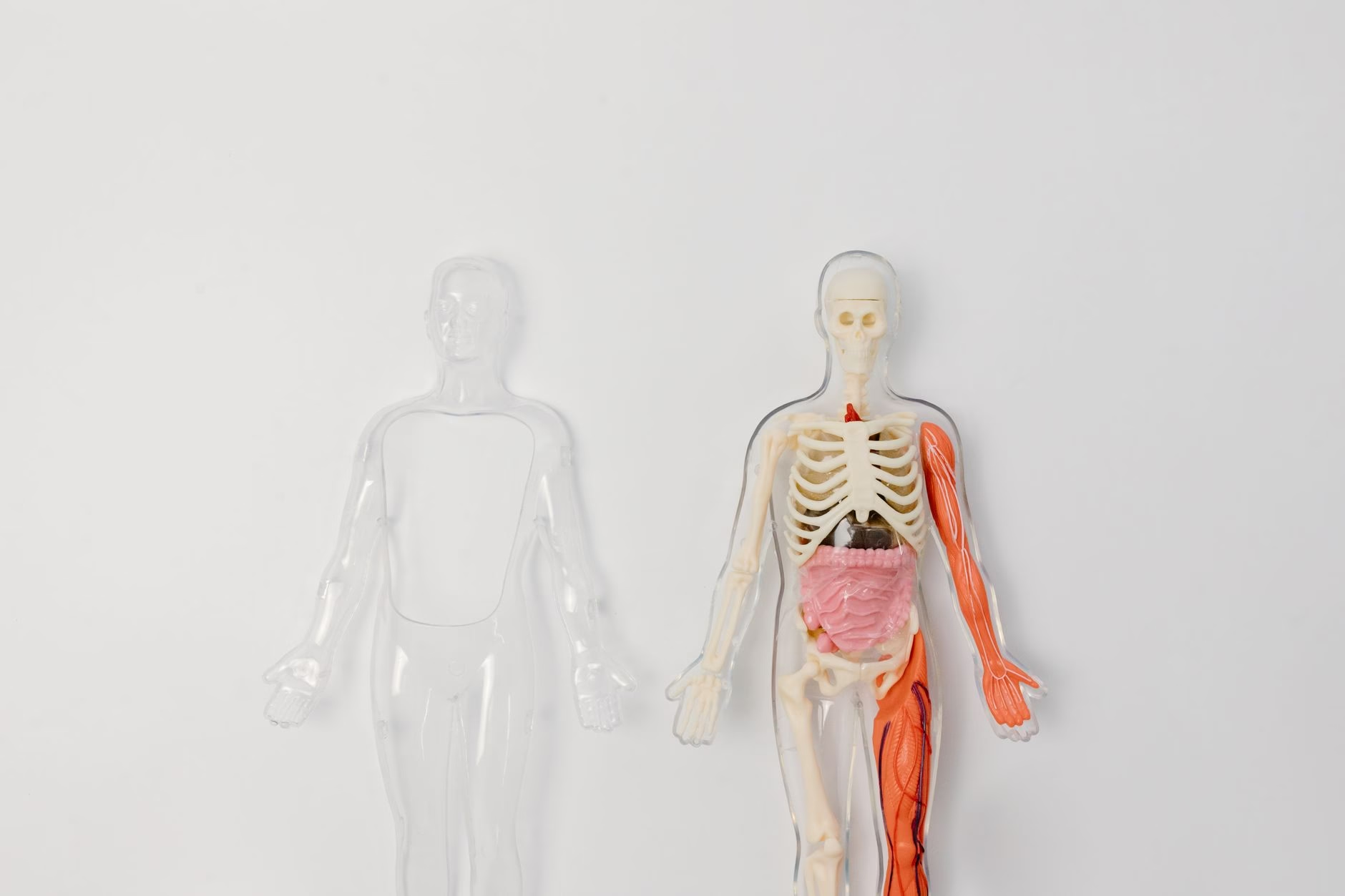
muscular system is the part of our body that lets us move. It is a network of parts made of muscle. These parts work with bones and nerves. They help us stand, walk, and do tasks. They also move food in our gut and pump blood in our heart. The group of parts sends signals from the brain. Each signal makes muscles pull. This pull makes our arms lift or legs bend.
There are three kinds of muscles. One kind we see and feel when we move. One kind works in walls of our blood tubes and gut. One kind works in our heart to pump blood. Muscles make heat to keep us warm. They help us in games and in daily life. They also hold us up when we sit or stand. When muscles are weak, we can fall or we can tire fast. A strong body can do more.
It can stay safe and stay well. This post explains parts, jobs, and how muscle parts work. It gives ways to keep muscle parts strong and safe. It also shows when to see a pro for help. Follow simple steps to protect these important parts and stay active daily.
Key Takeaways
| Muscular system structure | Three types of muscle work in the body. |
| Muscular system care | Move, eat well, and rest to keep muscles strong. |
Overview of the muscular system
The body has a group of parts that work to make movement. They also help with posture. The parts move blood and food. They make heat. They join with bones and nerves to do these jobs. The work is all day. You do not have to think of every move. Your brain sends a note. This note tells the parts to pull or to let go. Many small parts work as one big team. They need fuel and rest. They need good blood flow. Weak care can cause pain and trouble.
Functions of the muscular system
Muscle parts have many jobs. They make bones move. They hold you in place. They make blood go round. They move food in the gut. They help the heart pump. They also make heat when you shiver. All these actions keep the body safe. They let you play and do work. If one part fails, you may lose strength. You may feel stiff or hurt. A good plan can help you keep parts strong and safe.
Types of muscle
The muscular system has three kinds of muscles. Skeletal muscle lets you move arms and legs. You can control it. Smooth muscle works in the walls of your gut and blood tubes. You do not think of it. Cardiac muscle works in your heart. It pulses without rest. Each kind has its own shape and job. They use different cell parts and tools to work. They all need energy and good blood flow to do their work.
Skeletal muscle structure
Skeletal muscles have long cells called fibers. Fibers bundle into fascicles. Each fiber has myofibrils. Myofibrils have sarcomeres. Sarcomeres hold tiny filaments of actin and myosin. They slide past one another to make a pull. This is the main way you move your arms and legs. The pull is fast and strong.
Smooth and cardiac muscle
Smooth muscle cells are small and shaped like spindles. They control tubes in the body. They help move food and control blood flow. Cardiac muscle cells join in a web. They pump blood all day. Both types work on their own. They use slower pulls that last longer.
How muscle contraction works
Muscle fibers get a signal from a nerve. The fiber then lets in calcium. This starts the pull. Tiny parts inside move past each other. They need energy from a molecule called ATP. The pull ends when calcium goes away. Then the parts let go and relax.
Sliding filament theory
In each sarcomere, actin and myosin link. Myosin heads pull on actin. This makes a force. The space between the ends of the fiber gets smaller. This is how your muscle shortens. It makes your arm curl or your leg kick. The process repeats fast to hold a weight.
Neuromuscular junction
A muscle fiber meets a motor neuron at the neuromuscular junction. The neuron sends a chemical called acetylcholine. This sparks an electric change in the fiber. This change makes calcium leave storage. The calcium lets the pull begin. Good nerve health is key for clear signals.
Muscle metabolism and energy
Muscles need energy in all cases. They use two main paths to make ATP. They can use oxygen when it is there. They can use other fuels when oxygen is low. Fuel type and use depend on how hard or how long the muscle works.
Aerobic pathways
Good blood flow helps the muscular system get oxygen. With oxygen, cells burn fat and sugar. This makes many ATP. It keeps you moving for a long time. Endurance sports like running use this path. You build more tiny parts that get oxygen in. You also grow more blood tubes. For tips on heart health and muscle power see the CDC physical activity guidelines.
Anaerobic pathways
When you work very hard, blood can’t keep up. Cells then use sugar with no oxygen. This makes less ATP and some acid. You feel a burn in the muscle. This path is fast but cannot last long. It helps you lift a heavy weight or sprint. Rest then lets your body clear the acid and make more energy.
Muscle health and exercise
Keeping parts strong means good moves and good fuel. You need to work your muscles on most days. You need to add load in steps. You need the right food and water. You need rest and sleep. This mix helps you grow more muscle and keep parts safe.
Resistance training
Lift a weight or push against a band to add load. Do two or three times a week. Start with a small weight. Do eight to 12 slow pulls. Add weight in small steps. You can learn new moves like the hip thrust exercise to work your hips. This helps build a firm base for daily moves.
Aerobic training
Do fast walks, swims, or bike rides most days. Try 150 minutes a week. You can break that into small bits. This work makes small muscle parts that use oxygen. It helps your heart too. It fights fat and keeps joints safe.
Recovery and repair
After hard work, muscles need time to mend. Cells called satellite cells help fix tiny tears. They join to the fiber and add new parts. Good protein in food helps the process. For research on cell repair see the National Institutes of Health. Rest sleep, and light moves help blood bring in fresh parts.
Common injuries of the muscular system
Parts can hurt when you strain or tear fibers. They can swell and bruise. You may feel sharp pain. It may hurt more when you move the part. You may lose some use of the part. Some pain comes on later after new work. You may feel sore the next day.
Muscle strains and sprains
A strain is a tear in the muscle or in the part where it meets a bone. A sprain is a tear in the ligaments. Both cause pain and swelling. You may hear a pop. Use rest, ice, compression, and elevation at first. Seek help if you can’t move or if the pain grows.
Tendinopathies
Tendons link muscle to bone. Too much or too little rest can make them inflamed. You may feel pain when you move the joint. A slow move plan and some therapy can help. For more on bad tendon use see Mayo Clinic. A pro may guide you with special moves.
Sarcopenia: age-related muscle loss
As we grow older, muscles lose size and power. We may move more slow. We may fall more. Good work and good food can slow this change. Protein, vitamin D, and strength work help. A pro can make a plan that fits your health.
Prevention and safety limits
You can keep parts safe with smart moves. Warm-up and cool-down help. Stay hydrated. Eat enough protein. Rest when you need it. Learn the right form. Add load in small steps. Use good shoes and a firm floor. This cuts the chance of harm.
Warm-up and cool-down
Start with small moves to heat the parts. Do slow bends and swings. This makes blood flow and gets cells ready. End with light moves and stretches. Stretch each part for 10 to 20 seconds. This can cut pain and tightness.
Hydration and nutrition
Drink water before, during, and after work. A rule is one cup every 15 to 20 minutes. Eat enough protein each day. Try lean meat, beans, or dairy. Add fruits and veg for vitamins. Balance salt and sugar. Good food keeps parts fed and ready.
When to seek medical care
If you have sudden severe pain, big swelling, or cannot move a part, see a pro. If you feel fever with muscle pain, go to care. If you see dark urine, weakness, or fast swelling, get help now. Do not push through sharp or bad pain. A pro can find out if it is more than a simple strain.
Conclusion
Understanding your parts helps you stay well. You can learn the jobs and the needs of each part. You can use good moves, good food, and rest to grow strength and fight loss. If pain or weakness does not get better, work with a pro. A healthy muscular system helps keep you alive and well.
Sources: